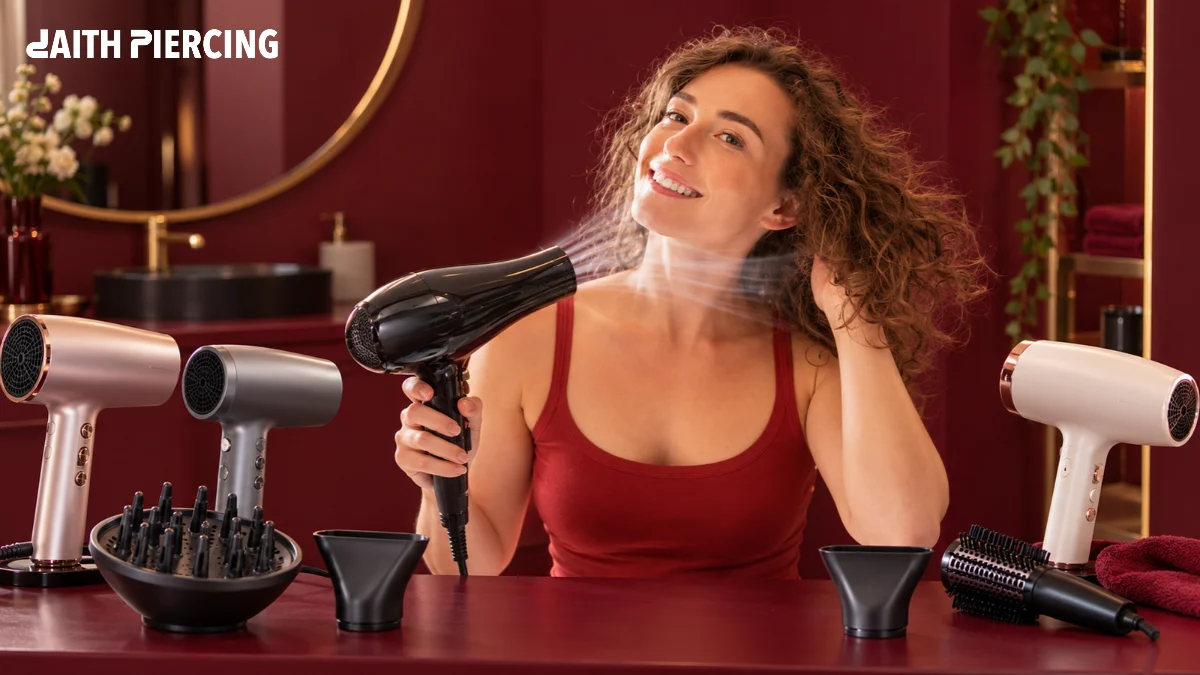
Best Hair Dryers: If you want your hair dry quickly without ending up with a puffy, rough finish, the right hair dryer can make a difference today. The best hair dryers balance strong airflow, heat controls, and an attachment that matches your hair type. An ionic hair dryer can also help reduce static and make hair feel smoother, while a diffuser is more useful for curls than a concentrator.
The point is simple, fast drying does not have to mean blasting your hair with the hottest setting. Dermatologists recommend lower or medium heat, less blow-drying when possible, and heat protection because excessive heat can damage hair.
Key takeaways
- Choose airflow and temperature controls before chasing flashy features.
- Ionic technology can help with static and smoother styling, but it is not a cure for frizz.
- Thick hair benefits from strong airflow; curls usually benefit more from a good diffuser.
- Fine or fragile hair needs gentle heat and shorter exposure.
- Keep the dryer moving and avoid holding high heat close to one spot.
- A concentrator suits sleek blowouts, while a diffuser suits curls and waves.
- Expensive dryers can add smart features, but simpler models can still cover the basics.
What makes a hair dryer good for fast, smooth styling?
A good dryer should make the job easier, not just hotter. Look for several airflow and temperature settings so you can change the heat as your hair dries. Consumer Reports recommends at least three temperature and speed settings because different hair types need different control.
Airflow matters just as much as heat. A powerful stream can move water away faster, reducing the time your strands spend under heat. For thick or long hair, this can be especially useful.
Attachments matter too. A concentrator narrows airflow and helps direct it along the hair for a smoother blowout. A diffuser spreads air and is usually better for curls and waves because it moves the pattern less aggressively.
Best Hair Dryers: Which hair dryer features actually matter?
Ionic technology for smoother hair
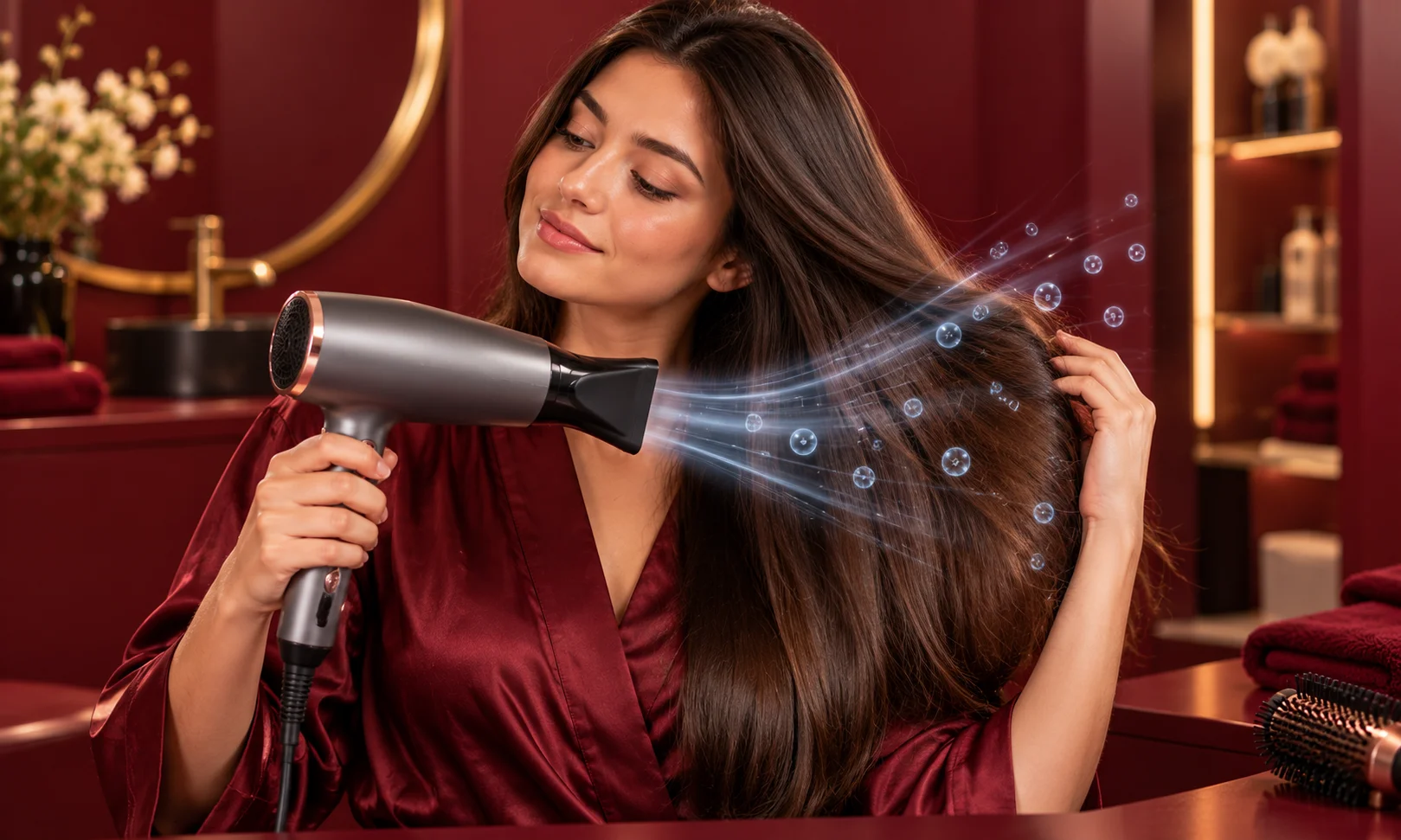
An ionic hair dryer releases negatively charged ions designed to help break up water droplets and reduce static. In practical terms, ionic dryers are often used for faster drying and a smoother, less frizzy finish. Consumer Reports notes that ionic, ceramic, and tourmaline technologies may help reduce frizz and static and speed drying.
Still, ionic does not automatically mean better for everyone. If your hair is very fine or already dry, too much smoothing can make it look less full. Think of ionic technology as one useful feature, not the whole reason to buy a dryer.
Ceramic and temperature control
Ceramic heating is another common feature. The bigger question is whether the dryer gives you enough control over heat and airflow. A dryer with several settings is more useful than one that simply runs extremely hot.
Heat exposure adds up. Research on hair fibers found that surface damage increased as drying temperature increased, while keeping the dryer farther away and moving it continuously reduced damage compared with very close, high-temperature drying.
Which type is best for your hair?
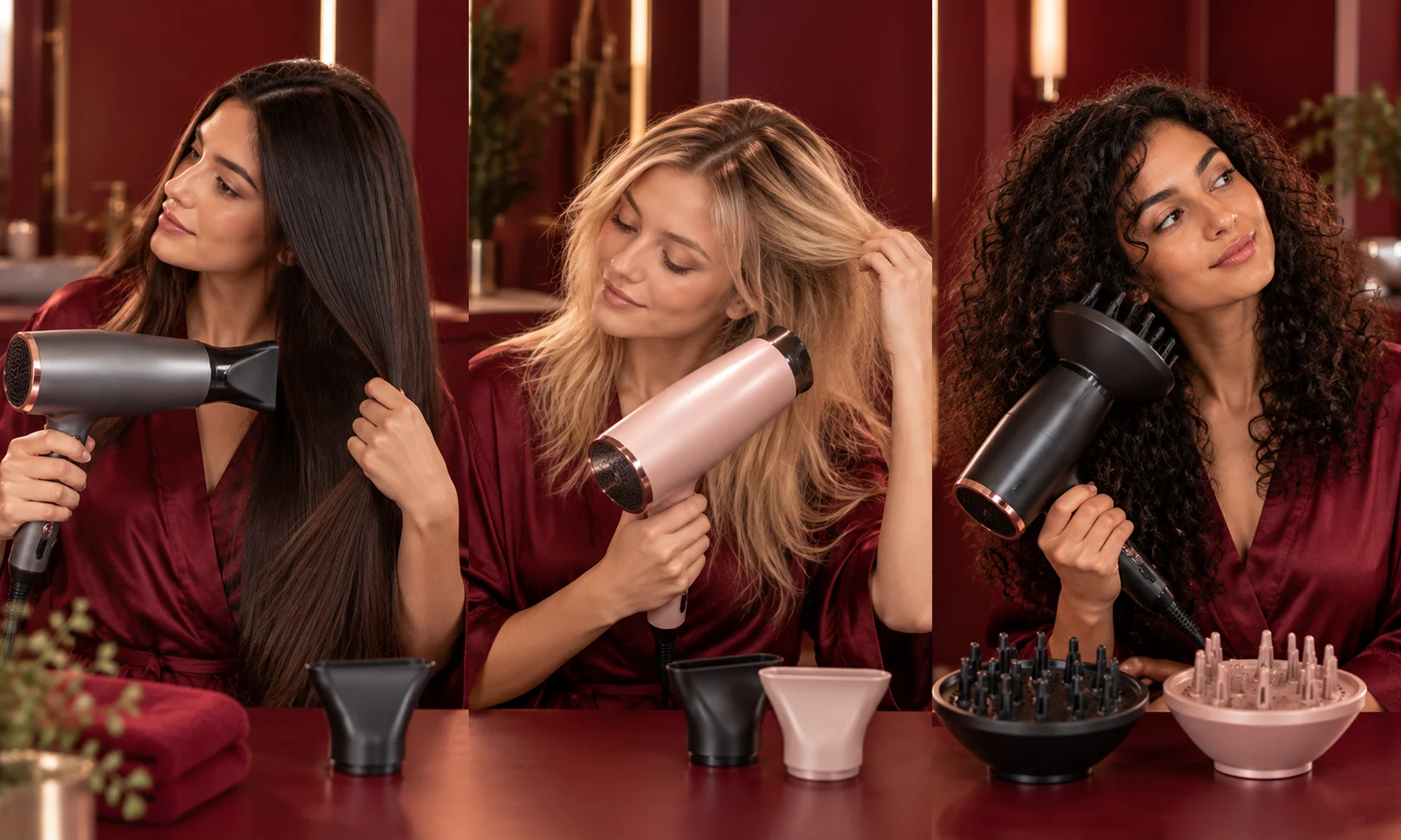
There is no single best hair dryer for everyone. The right choice depends on your hair and how you normally style it.
| Hair need | What to look for |
|---|---|
| Thick or long hair | Strong airflow, multiple heat settings, concentrator |
| Fine hair | Lower heat options, lighter body, gentle airflow |
| Curly or coily hair | Diffuser, adjustable speed, low or medium heat |
| Frizz-prone hair | Ionic option, concentrator, cool shot |
| Frequent travel | Lightweight, compact design, dual voltage if needed |
| Quick everyday drying | Strong airflow, simple controls, comfortable grip |
For thick and long hair
If drying your hair feels like a long project, airflow should be high on your list. You want a dryer that can move plenty of air without forcing you to use maximum heat.
A concentrator can help with a smooth finish. Point the nozzle down the hair shaft while brushing through sections instead of waving the dryer around randomly.
For fine or easily damaged hair
Fine hair does not necessarily need a weak dryer. It needs control. Look for low heat and speed settings, and avoid holding the nozzle in one spot.
The American Academy of Dermatology recommends the lowest heat setting possible and letting hair partially air-dry before styling when you can.
For curly and textured hair
A diffuser is usually the feature to prioritize. It spreads airflow over a larger area instead of concentrating a strong stream directly on one section.
Dry gently and avoid constantly touching curls while they dry. The goal is to remove moisture while keeping your natural pattern intact.
What are some notable hair dryers to consider?
Dyson’s Supersonic Nural is a premium example built around temperature management. Its Scalp protect mode uses a distance sensor to reduce heat as the dryer moves closer to the scalp. It also has attachment recognition and pause detection.
The ghd Speed is another high-end option aimed at fast styling. The company says it uses dual-airflow technology and a system designed for rapid drying and controlled styling. Those are manufacturer claims, so they should be treated as product specifications rather than independent proof that it is the fastest dryer for every user.
How can you dry hair faster without making it frizzy?
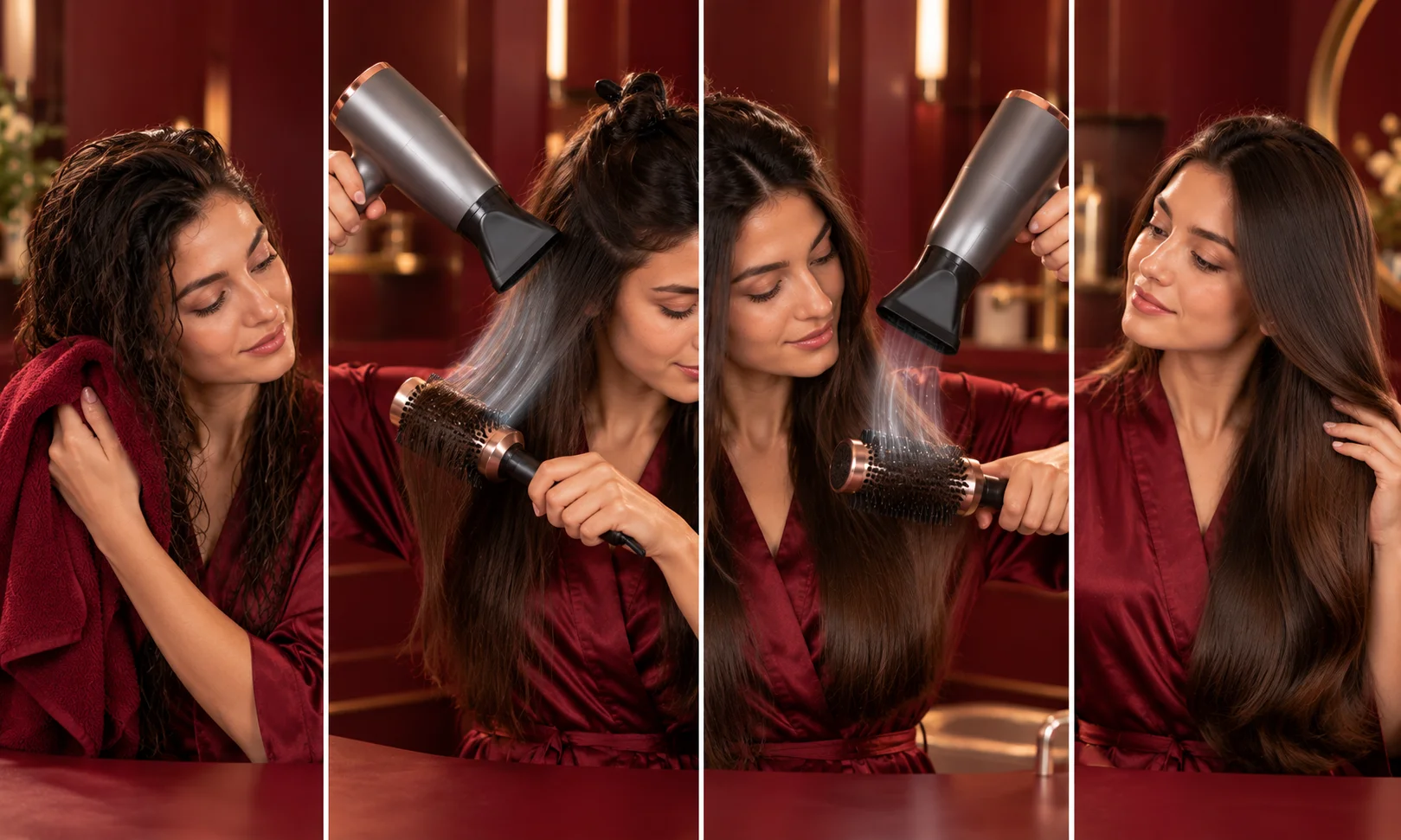
Start before the dryer goes on. After washing, gently squeeze excess water from your hair and wrap it in a towel or T-shirt instead of rubbing it hard. The AAD recommends gentle drying because wet hair is more fragile, and rough towel drying can contribute to damage.
Letting hair partly air-dry can also shorten the time spent under the dryer.
For smooth styling, keep airflow moving in the direction of the hair rather than blasting upward against it. Keep the dryer moving and avoid holding it extremely close. One study found that drying at about 15 cm with continuous movement caused less damage than very close, high-temperature drying.
Is an ionic hair dryer good for frizz?
It can be, especially if static and flyaways are part of the problem. Ionic technology is intended to reduce static and help hair dry faster, which can make a smooth finish easier.
For a hair dryer for frizz, think beyond the word “ionic.” Look for adjustable heat, controlled airflow, a concentrator, and a cool setting too.
What should you avoid when buying a hair dryer?
Be careful with dryers that offer impressive power but little control. A huge airflow number does not automatically mean a better styling experience.
Also look at weight and grip. If you dry your hair often, a lightweight hair dryer may be worth choosing even if another model has more raw power.
Do not choose a dryer only because it promises “no damage.” Heat can still damage hair when exposure is excessive. A 2025 laboratory study also found lifted cuticles in hair exposed to repeated heat-drying conditions, reinforcing the value of controlling heat exposure.
Source note
This guide separates established hair-care guidance from manufacturer claims. Heat-damage advice comes from the American Academy of Dermatology and published hair research, while product features come from current manufacturer specifications. Daithpiercing can use this approach for beauty-tool content: explain what a feature does, show where the claim comes from, and avoid treating marketing language as independent evidence.
FAQs
Is an ionic hair dryer better for smooth hair?f
It can make smooth styling easier by reducing static and helping with drying speed. Your technique, heat setting, and hair condition still matter.
What is the best hair dryer for frizz?
Look for adjustable heat, controlled airflow, an ionic option, and a concentrator. No dryer can completely remove frizz if hair is damaged or the routine is too harsh.
Is a fast drying hair dryer safer for hair?
Faster drying can reduce time under heat, but speed alone does not guarantee less damage. Heat level, distance, and movement still matter.
Should I use high heat to dry thick hair?
Not necessarily. Strong airflow is more useful than simply increasing heat. Start with a manageable setting and keep the dryer moving.
Is a lightweight hair dryer worth it?
Yes, especially if you style frequently or have long hair. A lighter dryer can be easier to hold and control.
Can a hair dryer damage hair?
Yes. Excessive heat and prolonged exposure can damage the hair surface. Lower heat, movement, and less unnecessary blow-drying can help limit that risk.
Disclaimer
This article is for general beauty and hair-care information only. Hair condition and styling needs vary. If you have significant hair loss, scalp irritation, or persistent hair problems, consider speaking with a qualified dermatologist.