If your hair looks dull one day and puffy the next then the problem may not be that your hair needs more products. Sometimes it simply needs the right oil and the right amount of it for your everyday routine.
The best hair oils can help smooth the hair surface add shine reduce friction and make dry strands feel softer. Some oils can also offer more meaningful protection from grooming damage. Coconut oil has the strongest evidence among common hair oils for reducing protein loss from the hair shaft. Argan oil may help protect hair from oxidative damage while castor oil has weaker evidence for improving luster.
The trick is choosing an oil based on what your hair actually needs. An oil that feels great on thick dry hair may leave fine hair flat and greasy.
Key Takeaways
• Coconut oil has the strongest evidence here for reducing hair protein loss.
• Argan oil can add a smoother finish and has some laboratory evidence for protecting hair from oxidative damage.
• Castor oil may improve luster but evidence for hair growth is weak.
• A small amount of oil can help control frizz and add shine.
• Hair oil can improve the feel and appearance of existing hair but it is not a proven cure for hair loss.
• Start with a small amount and adjust it according to your hair texture.
What do hair oils actually do?
Hair oil is not a magic treatment that repairs every type of damage. Hair fibers are not living tissue so an oil cannot permanently rebuild a broken strand.
What oil can do is coat the hair and reduce friction. Some oils can also move into the hair shaft. This can limit repeated swelling and drying and may reduce protein loss during grooming.
Coconut oil is especially interesting because its fatty acid structure allows it to penetrate the hair shaft more easily than some other oils. Research has found that coconut oil can reduce protein loss in both damaged and undamaged hair when used before or after washing.
That does not mean every person needs coconut oil. Hair texture porosity and the amount of product you use all change the result.
Which are the best hair oils for shine and strength?
There is no single best hair oil for everyone. Still some oils stand out for specific jobs.
Coconut oil for strength and protection
Coconut oil is one of the better studied oils for hair care. Research has found that it can penetrate the hair shaft and reduce protein loss. That makes it useful when hair feels weak dry or rough from frequent washing and styling.
It can work well as a pre-wash treatment. Apply a small amount through the lengths and ends and leave it for a while before shampooing. You do not need to soak your whole head.
For thick or very dry hair coconut oil may also work as a tiny amount on the ends after washing. Fine hair can become heavy quickly so start with much less.
Argan oil for shine and frizz
Argan oil is popular because it gives hair a smooth finish without always feeling as heavy as thicker oils. It contains fatty compounds and antioxidant components that make it useful in conditioning products.
Laboratory research has found that argan oil used before oxidative damage reduced protein loss in treated hair samples. That is useful evidence for protection but it does not prove that argan oil grows hair or fixes existing damage.
For everyday use it can be a simple shine and frizz option. Rub one or two drops between your palms and lightly smooth them over the mid-lengths and ends.
Castor oil for a glossy finish
Castor oil is much thicker than many popular hair oils. It can make hair look glossy and may help dry strands feel more conditioned.
The evidence is not as strong as the claims you often see online. A systematic review found weaker evidence for castor oil improving hair quality through increased luster and no strong evidence that it promotes hair growth.
That makes castor oil better suited to people who like a heavier conditioning feel rather than people looking for a proven growth treatment.
Can hair oil really control frizz?
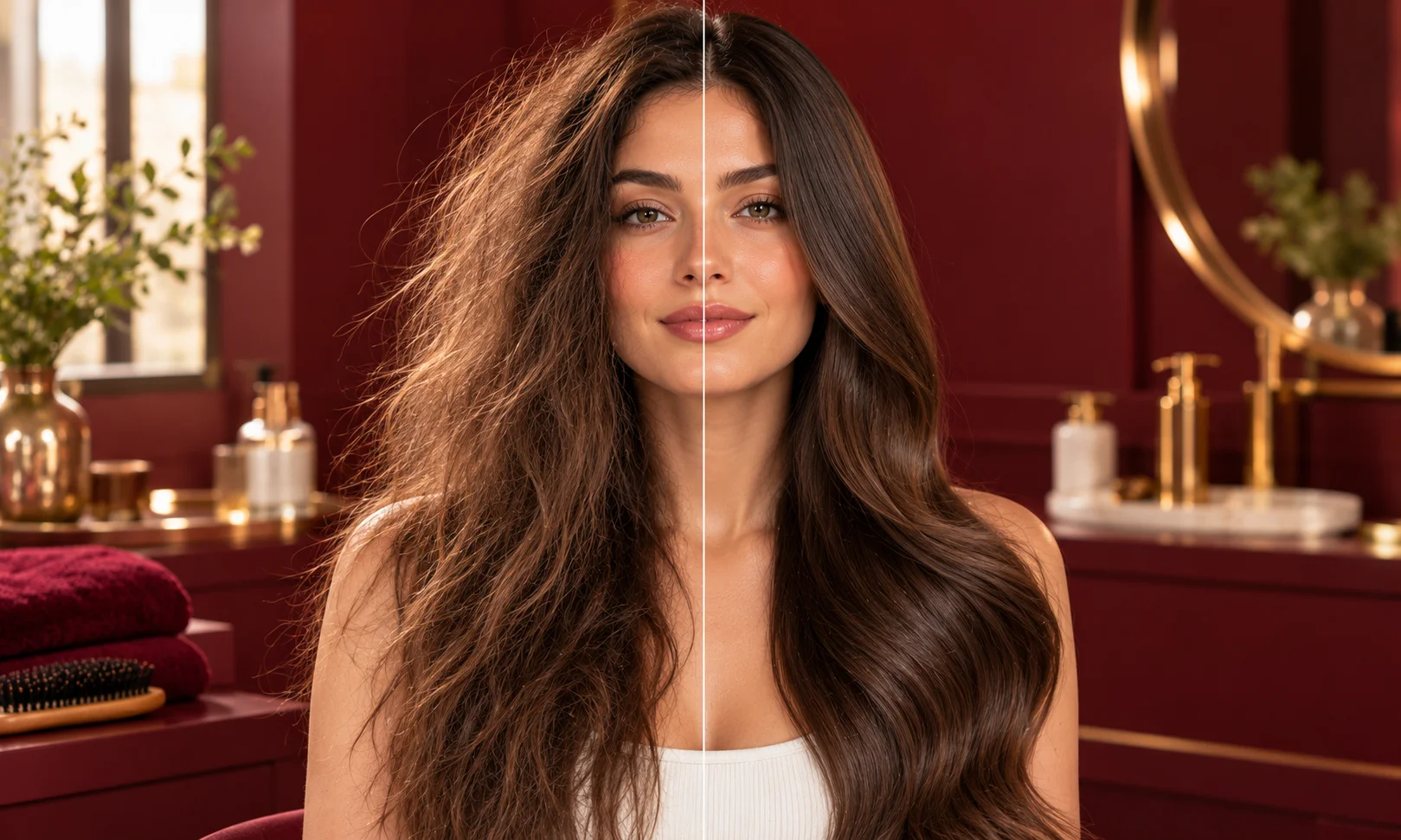
Yes but there is a catch. Oil can make frizz look better by smoothing the outer surface of the hair and reducing friction. It does not permanently change the natural texture of your hair.
Frizz often becomes more noticeable when the hair is dry damaged or exposed to humidity. A light layer of oil can help strands sit together more smoothly.
The amount matters a lot. Too little may do almost nothing while too much can make hair look greasy and flat.
For fine hair start with one drop. For medium or thick hair you may need a little more. Spread the oil between your hands first then touch the ends before moving upward.
How should you use hair oil without making hair greasy?
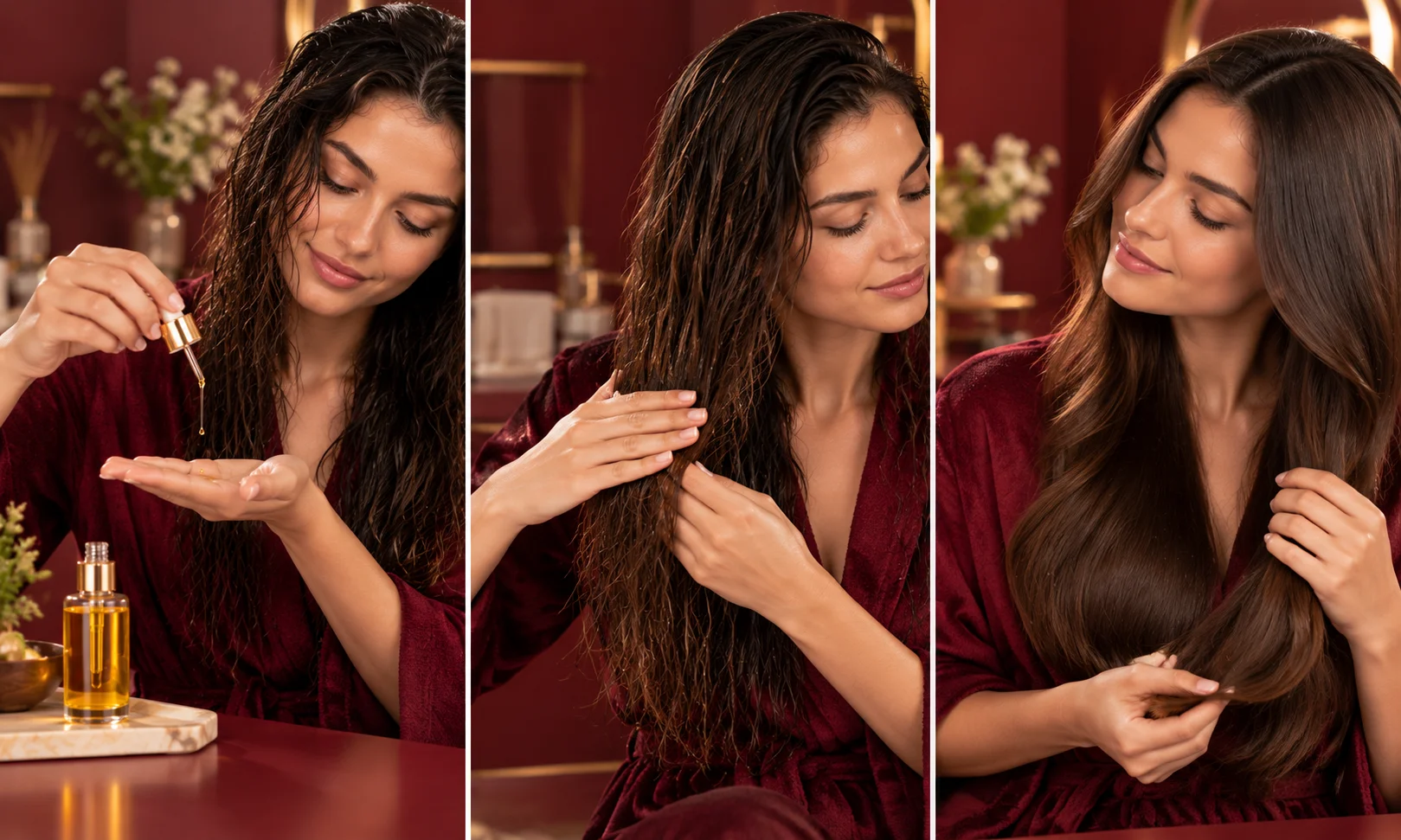
The easiest routine is to use less than you think you need. For a pre-wash treatment apply a small amount to the lengths and ends. Leave it for your normal routine then shampoo thoroughly.
For post-wash shine wait until your hair is mostly dry. Put a drop or two in your palms and smooth it over the ends. Avoid repeatedly adding oil because each extra layer can build up.
If your scalp gets oily easily you may not need to oil the scalp at all. Hair oil is mainly useful on the hair fiber when your goal is softness shine or frizz control.
A simple routine can look like this:
• Dry or damaged hair: use coconut oil before washing once or twice a week if your hair responds well.
• Fine hair: choose a light oil or use a tiny amount only on the ends.
• Frizzy hair: use one or two drops after washing to smooth the surface.
• Thick coarse hair: a richer oil can work better but start small.
• Chemically treated hair: use oil as a conditioning step rather than expecting it to reverse structural damage.
Can hair oils make hair grow faster?
This is where you should be careful with online claims.
Hair oils can improve how existing hair looks and feels. They may reduce breakage or make strands easier to manage. That can help you retain length because fewer strands break.
That is different from making the follicle produce hair faster.
Current evidence does not strongly support coconut oil castor oil or argan oil as proven hair growth treatments. If you have sudden hair loss thinning patches or major shedding it is better to look for the underlying cause instead of relying on oil alone.
Which hair oil is right for your hair?
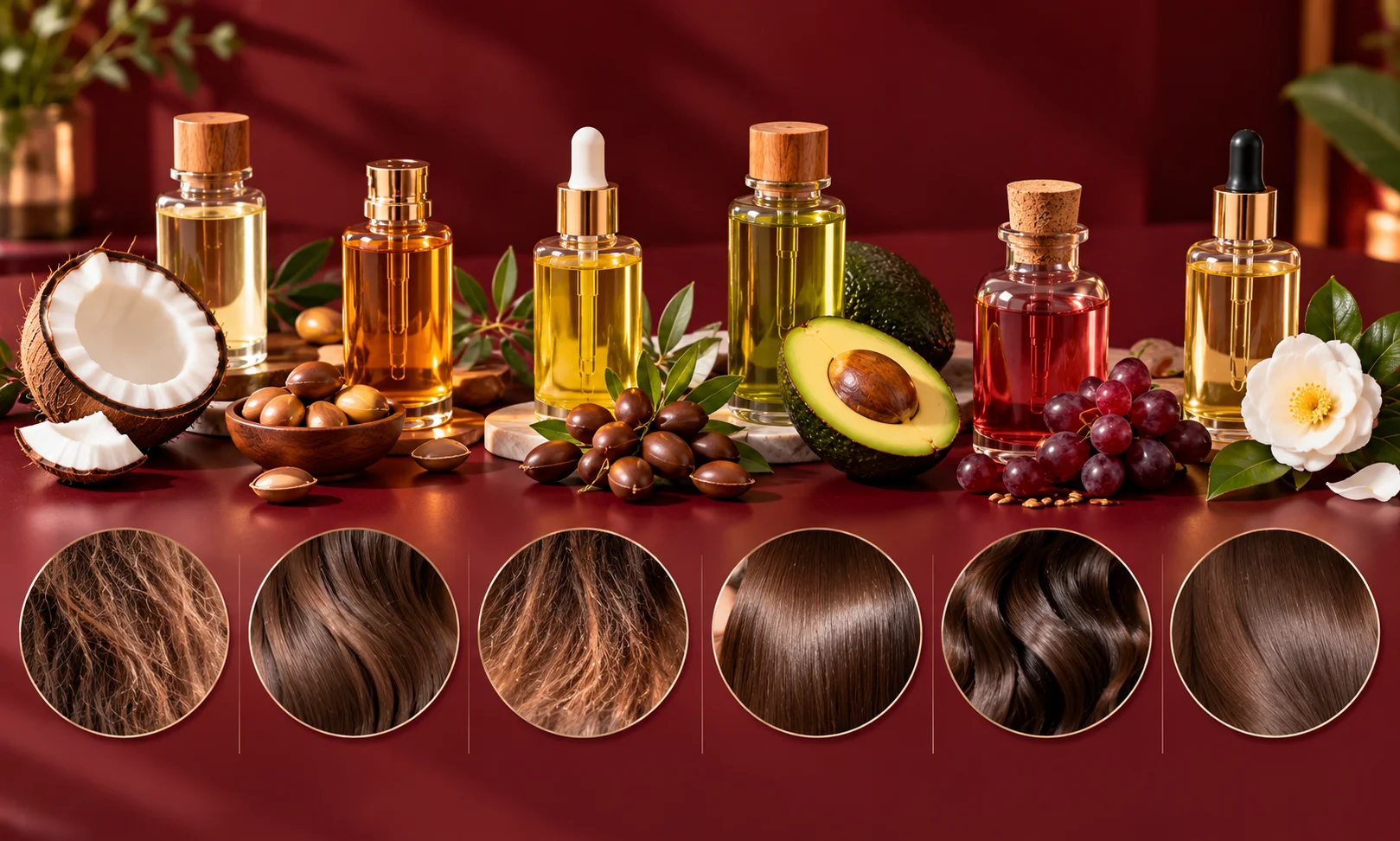
Think about the problem you want to solve first. If strength and protection are your main goals coconut oil has the clearest research support among these common choices. If your main goal is a smoother finish argan oil can be a practical option. If you like a richer glossy coating castor oil may suit you better.
You can also mix oils but there is no need to create complicated recipes. One suitable oil used consistently is often easier to manage than a homemade blend with many ingredients.
The same idea applies to beauty sites such as daithpiercing. Simple routines are usually easier to understand and adjust when you know what each ingredient is doing.
Frequently Asked Questions
Is coconut oil good for shiny hair?
Yes. Coconut oil can coat and penetrate hair and may reduce friction and protein loss. It can make dry hair look smoother but the finish depends on how much you use.
Is argan oil better than coconut oil for frizz?
Not necessarily. Argan oil may feel lighter and work well as a finishing oil while coconut oil offers stronger evidence for reducing protein loss. Your hair texture should guide the choice.
How often should I oil my hair?
There is no universal schedule. Once or twice a week can be a reasonable starting point for dry hair. Fine or oily hair may need much less frequent use.
Can hair oil stop split ends?
No. Oil can temporarily smooth the appearance of split ends but it cannot permanently join a split hair fiber. Trimming is the reliable way to remove split ends.
Does hair oil help hair growth?
Hair oil may help reduce breakage and improve manageability but that is not the same as increasing follicle growth. Strong evidence for common oils as hair growth treatments is limited.
Disclaimer
This article is for general educational information only. Hair condition and scalp concerns can have different causes. If you have persistent hair loss scalp irritation or sudden changes in shedding speak with a qualified healthcare professional or dermatologist.