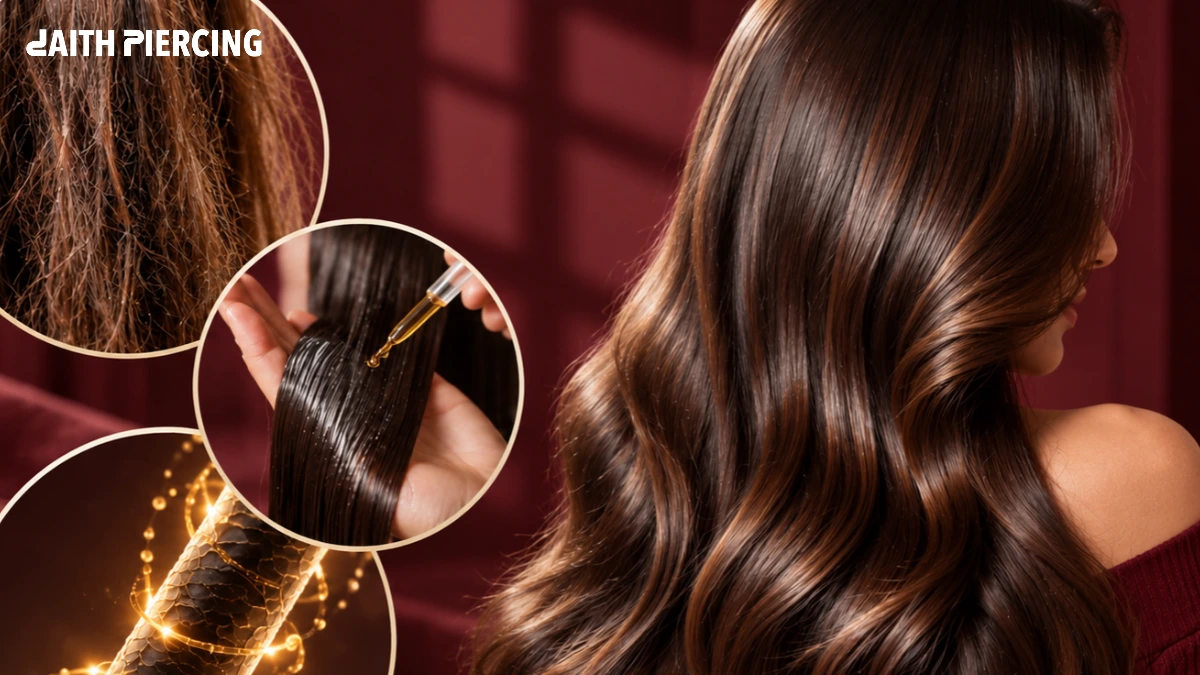
If your hair feels rough, snaps when you brush it, or suddenly seems impossible to manage, you’ve probably seen the term bond repair everywhere. The simple answer is yes: bond repair for damaged hair can help improve the strength and feel of hair weakened by bleaching, coloring, heat, or chemical treatments. But it isn’t a magic reset button.
Hair is made mostly of keratin, a tough protein held together by different types of bonds. Some, especially disulfide bonds, help give the hair fiber strength and shape. Chemical processes can damage these structures, while everyday friction and heat can wear down the outer cuticle. Bond repair products are designed to support damaged hair in different ways, depending on their ingredients, chemistry, hair needs, and results vary.
That distinction matters. A good hair bond repair routine may reduce breakage and make damaged strands easier to handle, but severely damaged hair cannot simply become completely untouched hair. Once part of the hair shaft is badly destroyed, trimming and preventing further damage still matter.
Key Takeaways
- Bond repair for damaged hair can help hair weakened by bleaching, coloring, heat, and chemical treatments.
- Disulfide bonds are important to hair strength, but not every bond repair product works in the same way.
- Better softness does not always mean deeper structural repair.
- Conditioner, gentle handling, heat protection, and fewer chemical services are still essential.
- Severely split or broken hair cannot be fully restored and may need trimming.
- If you have unexplained hair loss, scalp symptoms, or ongoing breakage, consider speaking with a dermatologist.
What exactly is bond repair for damaged hair?
Bond repair for damaged hair is a type of treatment designed to support weakened hair fibers after chemical, thermal, or mechanical damage. Many products focus on bonds within the keratin structure, while others mainly condition the hair surface or use ingredients intended to reinforce weakened areas.
Think of a strand like a rope made from many smaller fibers. The bonds help keep that structure together. When repeated bleaching, straightening, coloring, or high heat weakens the structure, the strand can become more porous, rough, stretchy, and easier to break.
How does hair bond repair work?
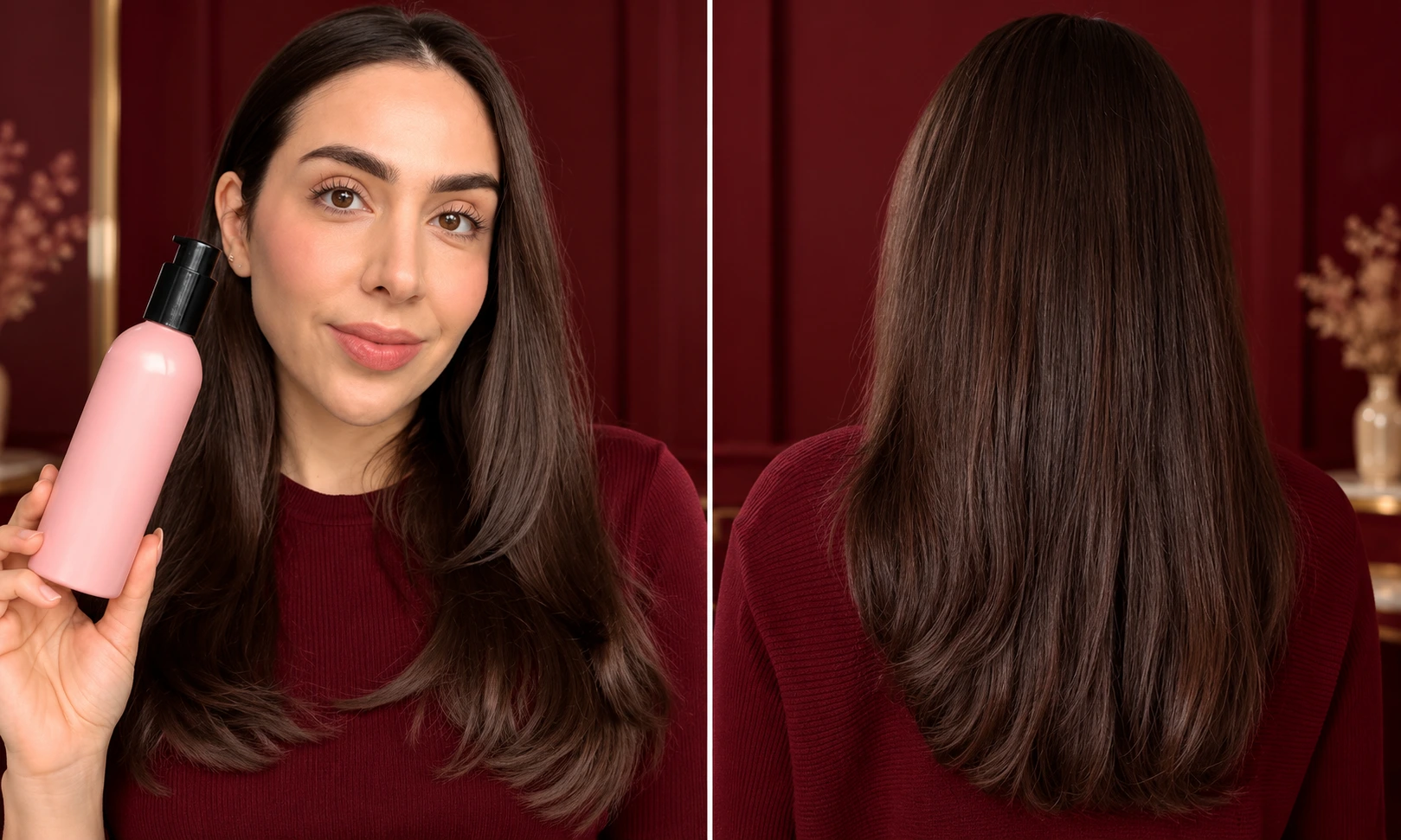
Some formulas are designed to interact with damaged parts of the hair fiber. Others use conditioning agents, proteins, amino acids, polymers, or other ingredients that improve the hair’s surface and handling.
Disulfide bonds deserve special attention because they contribute to hair strength. Chemical processes such as bleaching can oxidize sulfur-containing parts of keratin and weaken these bonds. Scientific reviews also describe damage to the cuticle and internal structure after repeated chemical treatments.
So when a product says it helps repair bonds, don’t read that as “every broken bond is permanently rebuilt.” Cosmetic hair repair is more complicated. The real-world benefit can be a combination of structural support, surface conditioning, less friction, and better resistance to breakage.
What causes the kind of damage bond repair targets?
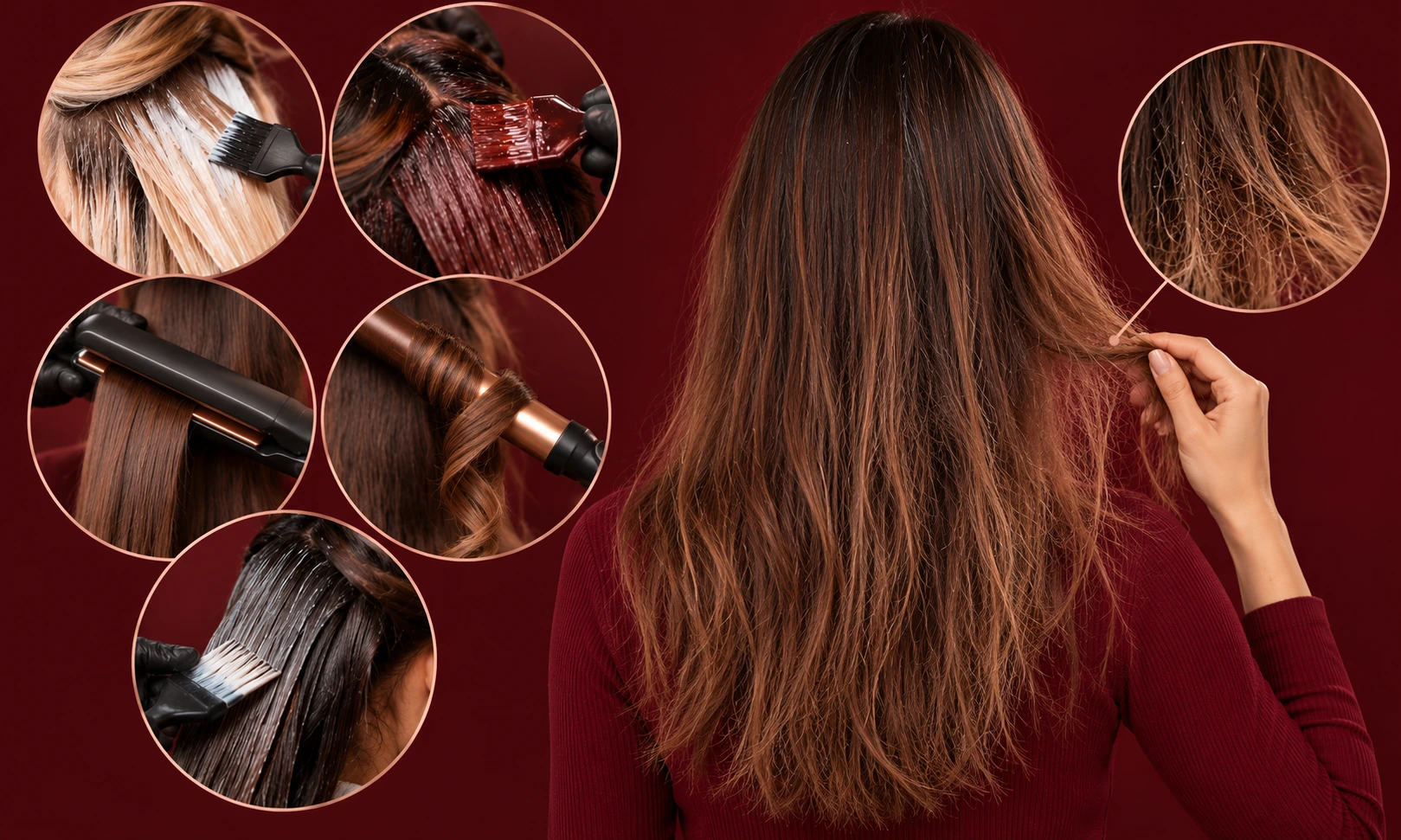
Bleaching is one of the biggest sources of chemical damage because it opens the cuticle and uses oxidation to remove pigment. The same process can affect the protein structure of hair and leave strands weaker and more porous.
Permanent coloring, relaxing, and straightening can also change hair structure. Heat adds another layer of stress. Frequent flat-iron use, curling tools, and very hot blow-drying can make already fragile hair more brittle.
Then there is damage people often overlook: brushing, rough towel drying, tight hairstyles, extensions, and repeated friction. These may not sound dramatic, but they can gradually wear down the hair.
What are the signs your hair may need repair?
Your hair may be asking for a gentler routine if it feels rough even after conditioning, tangles easily, looks unusually dull, or breaks during brushing. Split ends, frizz, uneven texture, and excessive snapping can also point toward damage.
There is a useful difference between hair that is dry and hair that is structurally damaged. Dry hair mainly needs better conditioning and moisture management. Damaged hair may also have weakened cuticles and protein structures, so oil may make it feel smoother without addressing why it keeps breaking.
If you’re seeing significant hair loss from the scalp rather than breakage along the length, that is a different issue. A bond repair product is not a treatment for every cause of hair loss.
Does bond repair actually help damaged hair?
It can, especially when the main problem is damage from bleaching, coloring, heat, or other chemical processing. Damaged hair can become weaker and more prone to fracture, while conditioning and protective care can reduce friction and breakage. For a complete beauty routine, you can also explore affordable luxury jewelry and safe luxury jewelry for everyday styling inspiration.
The important part is keeping expectations realistic. A bond repair product can improve how damaged hair behaves, but it cannot make a severely broken strand biologically grow back together. Hair that has already split or snapped cannot be permanently restored to its original state.
That is why the best damaged hair treatment usually combines repair-focused products with damage prevention. If you keep bleaching fragile lengths or using high heat every day, even a good treatment has a difficult job. If you enjoy beauty trends, chrome nail ideas can also offer inspiration for completing your overall look.
What is the best way to use a bond repair treatment?
Start with the instructions on the specific product because formulas vary. Some are rinse-out treatments, some are leave-ins, and some are used before or after shampooing.
A simple routine can look like this:
- Wash gently and focus shampoo mainly on the scalp.
- Apply the bond repair treatment as directed.
- Use a suitable conditioner if the instructions allow it.
- Detangle gently, starting near the ends.
- Limit high heat and use a heat protectant when styling.
- Avoid pulling, tight hairstyles, and unnecessary brushing.
- Give heavily processed hair longer breaks between chemical services.
Dermatologists also recommend conditioning after shampooing because conditioner coats the hair and can reduce breakage and split ends. Leave-in conditioner can make hair easier to comb and may further reduce mechanical stress.
Can bond repair replace conditioner?
Usually, no. These products can have different jobs.
A bond repair treatment may target weakened hair structure, while conditioner mainly improves slip, softness, manageability, and surface feel. For damaged hair, those benefits can work well together.
What should you avoid while repairing damaged hair?
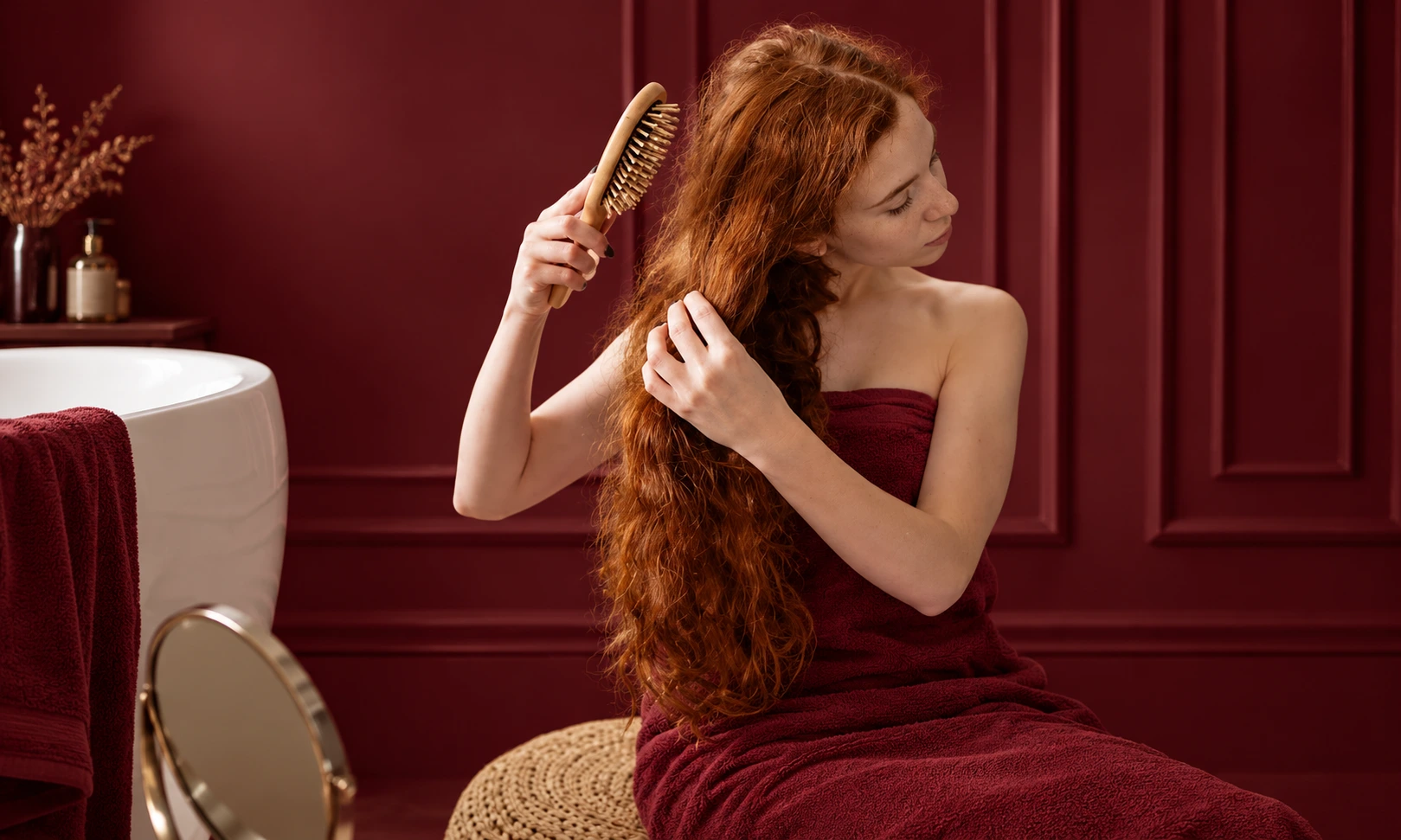
The easiest way to make a hair breakage treatment work better is to stop adding new damage.
Try not to stack several chemical services close together. Be careful with bleach, relaxers, permanent straightening, and frequent color changes. Reduce very high heat, especially on already lightened hair.
Wet hair can also be more vulnerable to physical damage. Handle it gently, use a wide-tooth comb when appropriate for your hair type, and avoid aggressive towel rubbing.
The American Academy of Dermatology recommends gentle hair care, regular conditioning, reduced heat exposure, and avoiding excessive pulling or tugging.
Can bond repair fix split ends?
Not permanently. A product may temporarily make split ends look smoother and reduce friction, but a split hair shaft is still split.
If the ends are badly split, trimming is the reliable way to remove that damaged section. Afterward, a careful routine can help protect the remaining length and reduce new splitting.
This is where marketing language can become confusing. “Repairs the appearance of split ends” and “permanently reconnects a split strand” are very different claims.
Source and Editorial Note
This daithpiercing guide is based on established hair-science literature and dermatology guidance, including research on hair structure and chemical damage and recommendations from the American Academy of Dermatology. Product claims can vary, so check the ingredient list and instructions for the specific formula you use.
Frequently Asked Questions
Is bond repair good for bleached hair?
Yes. Bleached hair is especially vulnerable because bleaching can damage the cuticle and alter keratin structures. A suitable bond-focused treatment may improve strength, manageability, and breakage resistance, but it cannot erase all previous damage.
How often should I use hair bond repair?
There is no universal schedule. Follow the product directions and pay attention to how your hair responds. More product or more frequent use is not automatically better.
Can bond repair stop hair breakage?
It may reduce breakage when damage is contributing to weak strands. It works best alongside gentle handling, conditioning, heat protection, and fewer damaging chemical services.
Does bond repair help dry hair?
It can help if dryness is connected with chemical or heat damage, but dry hair also needs conditioning. A bond treatment is not a substitute for basic moisture and detangling care.
Can bond repair regrow damaged hair?
No. Hair products cannot make damaged lengths grow from the scalp or reconnect hair that has already snapped. New hair grows from the follicle, while treatments mainly improve existing strands.
When should I see a dermatologist?
See a dermatologist if you have persistent hair loss, noticeable thinning, scalp pain, itching, inflammation, or breakage that continues despite improving your routine. The cause may be something other than cosmetic damage.
Disclaimer:
This article is for general educational and informational purposes. It does not replace professional medical or dermatological advice. Hair and scalp problems can have different causes, and individual results from cosmetic treatments vary.