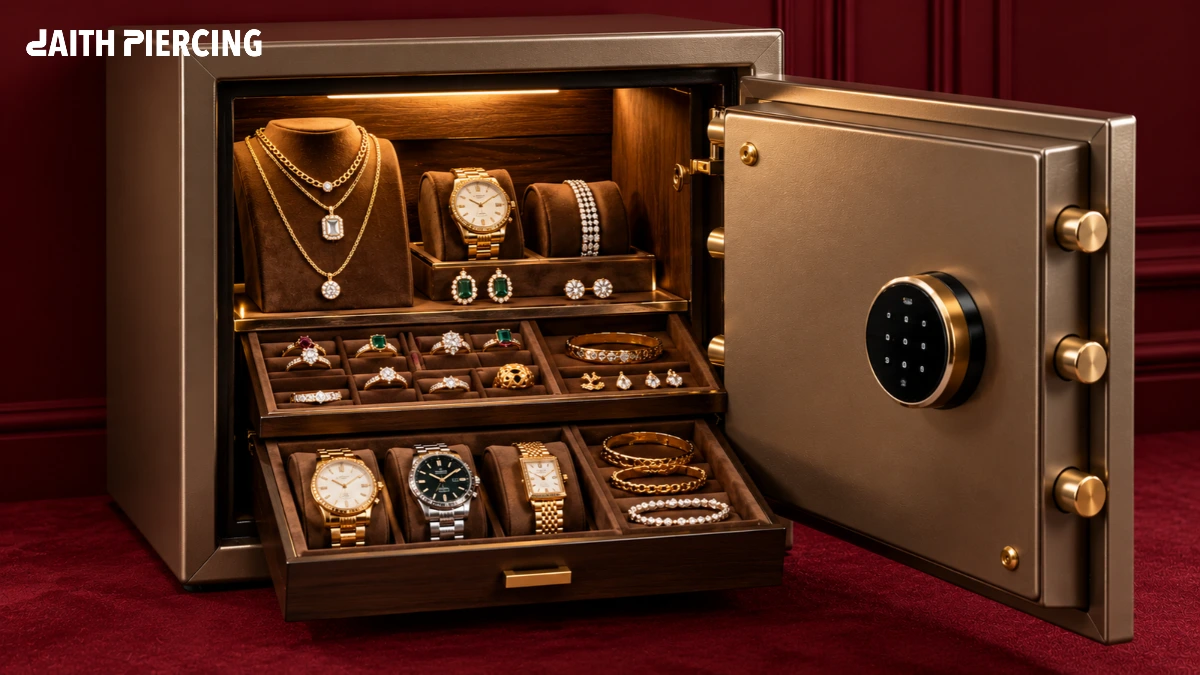
A beautiful piece of jewelry can mean much more than its price. It might be a wedding ring, a gift from someone special, or a necklace you’ve worn for years. Whatever makes it valuable to you, keeping it safe deserves more thought than simply placing it in a drawer.
A luxury jewelry safe gives valuable pieces a more secure place to stay when you’re not wearing them. The right one can help protect against theft, reduce the risk of accidental damage, and keep your collection organized. However, not every safe offers the same level of protection, and a high price doesn’t automatically mean it’s the right choice.
This guide from Viltnemnda explains what to look for in a jewelry safe, where to keep it, how to protect delicate pieces, and when insurance or a bank safe deposit box might make sense.
What Is a Luxury Jewelry Safe?
A luxury jewelry safe is a secure storage unit designed to protect valuable jewelry from unauthorized access and, depending on its construction, other risks such as fire. Some models include soft-lined drawers, adjustable compartments, digital locks, or space for watches and other valuables.
The main purpose is simple: keep jewelry in a controlled, secure place rather than leaving it exposed on a bedside table or inside an ordinary jewelry box.
Still, there’s a difference between a decorative lockbox and a safe designed to resist burglary. A locked box may keep children or casual visitors away from your jewelry, but it shouldn’t be treated as equivalent to a tested security safe.
Before buying one, think about what you’re protecting. A few everyday necklaces may need a different storage solution from a collection of expensive watches, diamond rings, and family heirlooms.
Key Takeaways
- Choose a luxury jewelry safe based on verified security features, suitable capacity, and your collection’s needs.
- Check burglary resistance and fire protection separately rather than assuming one guarantees the other.
- Consider professional installation or anchoring where appropriate.
- Store rings, chains, watches, and gemstones separately to reduce scratches and tangling.
- Review insurance terms before assuming valuable jewelry is fully covered.
- Consider a bank safe deposit box for selected pieces you rarely wear, while checking access arrangements and coverage.
How Do You Choose the Right Jewelry Safe?
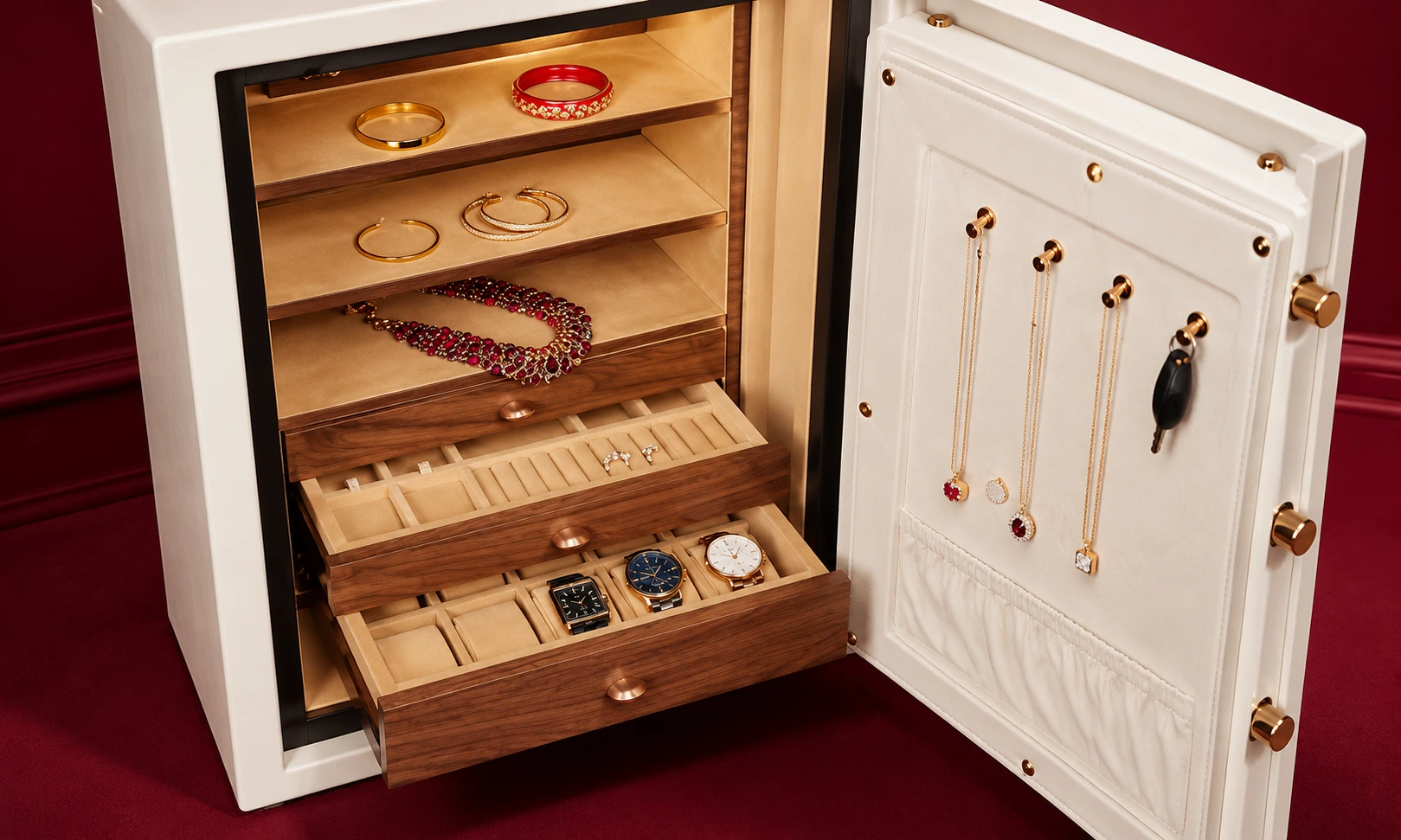
The best luxury jewelry safe is one that suits your collection, your home, and the level of protection you need. Start with security features rather than appearance, then consider the interior and practical details.
1. Check the Security Rating
A safe’s security rating can tell you more than its appearance or advertised price. Depending on the model and country, independent testing or certification may indicate how well it resists specific attacks.
Look for clear information about the safe’s tested burglary resistance and the standard used. If a seller claims that a model is theft-proof but provides no supporting details, treat that claim cautiously.
A heavy safe isn’t automatically secure, either. Construction, locking mechanisms, door design, installation, and independent testing all matter.
2. Choose a Reliable Lock
Jewelry safes may use a key lock, an electronic keypad, or a combination lock. Each has advantages, so choose one that fits your habits.
An electronic keypad can be convenient because you don’t need to carry a physical key. A key-operated model avoids electronic batteries, but the key must be stored securely. Combination locks can also work well when their codes are kept private.
Whatever system you choose, avoid easy codes such as birthdays or repeated numbers. Don’t write the combination on a note beside the safe, and change the code if someone who shouldn’t have access learns it.
3. Consider Fire Protection
Some safes are designed to provide protection against fire as well as theft. Others focus mainly on burglary resistance. These are separate features, so don’t assume a secure safe will also protect its contents during a fire.
Check the manufacturer’s tested fire rating and the conditions it covers. If documents, certificates, or other heat-sensitive items will be stored with jewelry, make sure the safe is suitable for those contents too.
Even with a fire-rated model, protection has limits. Heat, smoke, and firefighting water may still affect some items, and not every safe is tested for every hazard.
4. Look at the Interior Design
A safe should protect jewelry from more than unauthorized access. Rings, chains, watches, and gemstones can scratch or tangle when they are stored together without separation.
Look for lined compartments, ring holders, necklace hooks, and drawers that keep different items apart. Check that the lining is suitable for jewelry and doesn’t have rough edges that could catch fine chains.
The interior should also suit your collection as it is now. Buying a safe that is too small may leave valuable pieces stored elsewhere, which defeats part of the purpose.
Where Should You Keep a Luxury Jewelry Safe?
Location matters because a good safe can still be poorly protected if it’s easy to find, remove, or access.
Choose a discreet location that is practical for you but not immediately visible to visitors. Avoid discussing the safe’s location or access code with people who don’t need to know. Privacy is useful, but it shouldn’t replace proper security.
Should You Bolt the Safe Down?
For many home safes, anchoring is worth considering. A smaller safe that isn’t secured may be easier for a thief to carry away and open elsewhere.
Some models include mounting holes or instructions for fixing them to a suitable floor or wall. Follow the manufacturer’s installation guidance and consider the building structure before drilling. If you’re renting or unsure about the surface, ask a qualified installer about suitable options.
A safe’s weight alone doesn’t guarantee that it can’t be removed. The right installation depends on the model and the place where it will be fitted.
Should You Keep Jewelry in a Bedroom?
A bedroom may seem like the natural place for jewelry because it’s where people often get dressed. However, convenience shouldn’t be the only factor in choosing a location.
Think about visibility, access, and whether the safe can be securely installed. There’s no single hiding place that’s best for every home, so focus on sound security measures instead of relying on an unusual location.
How Can You Protect Different Types of Jewelry Inside a Safe?
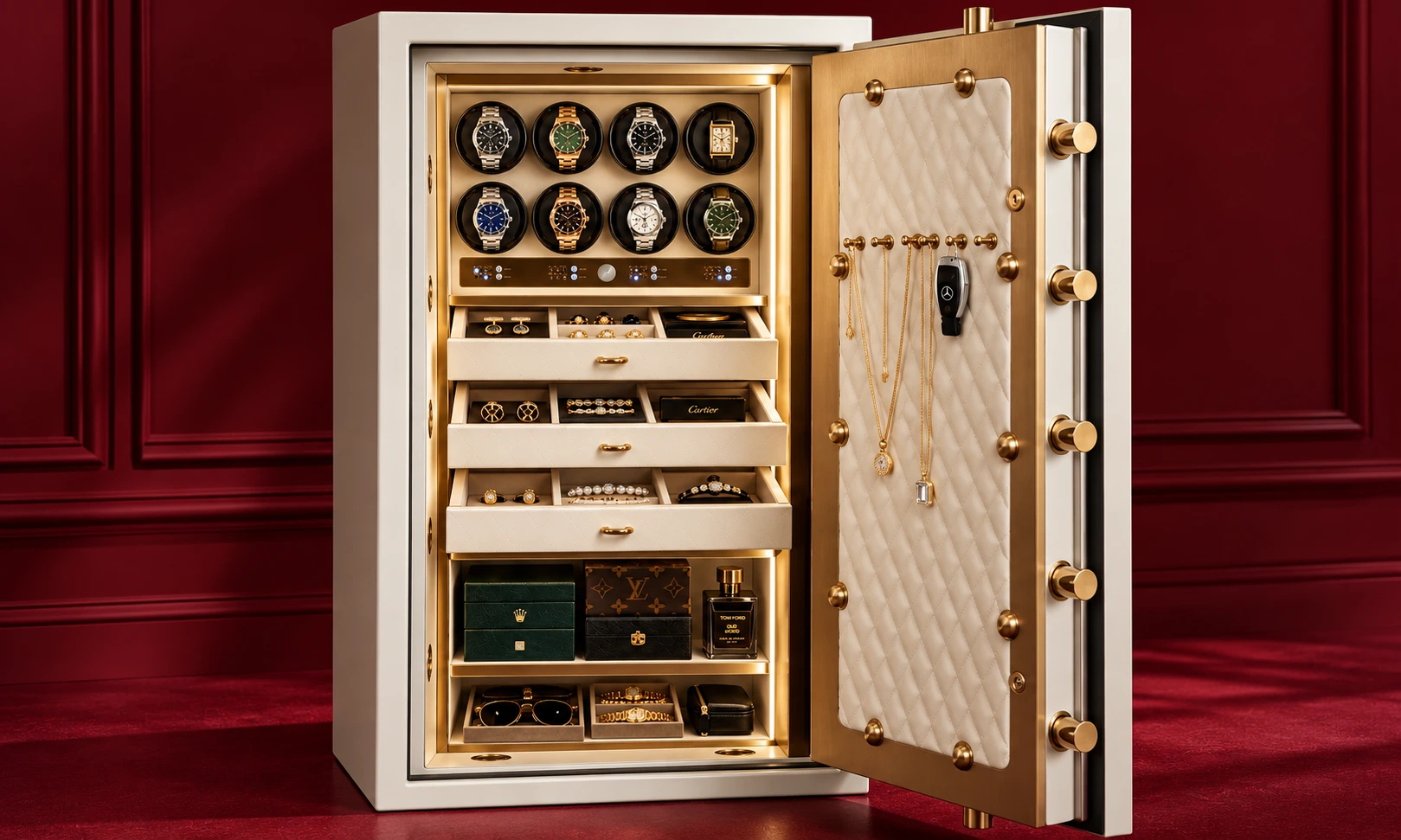
Secure storage is only one part of jewelry care. The way pieces are arranged can affect their condition over time.
Gold and Silver Jewelry
Store gold and silver pieces separately when possible to reduce scratches. Sterling silver may tarnish, so a suitable anti-tarnish pouch or cloth can help keep it looking its best.
Make sure jewelry is clean and dry before long-term storage. Avoid placing damp pieces in closed compartments, especially if they have delicate settings or other materials that require special care.
Diamond and Gemstone Jewelry
Diamonds can scratch other jewelry, while some gemstones are more vulnerable to scratches, knocks, or changes in temperature. Separate rings and necklaces instead of letting them rub together.
Gemstones also vary in how they should be cleaned and stored. Follow guidance suited to the specific stone, particularly if it has been treated or has a delicate setting.
Watches and Delicate Chains
Watches need enough space to avoid pressure on their bracelets, straps, and crowns. If a watch has special storage or maintenance requirements, follow the manufacturer’s instructions.
Fine chains should be fastened and stored separately to reduce tangling. Small pouches or dedicated necklace hooks can make it easier to find a piece without pulling several others out of the safe.
Is a Home Jewelry Safe Enough?
For many households, a properly selected and installed home safe can be a useful layer of protection. Whether it’s enough depends on the value of the collection, the safe’s security features, your living situation, and any insurance requirements.
If you own particularly valuable jewelry, ask your insurer what protection is expected. Some policies may have limits for certain categories of valuables or require specific security measures. Requirements differ between policies, so check your actual documents rather than assuming that any locked safe will qualify.
When Is a Bank Safe Deposit Box Worth Considering?
A bank safe deposit box may suit jewelry that you rarely wear, such as heirloom pieces or accessories reserved for special occasions. It keeps those items away from your home, although access depends on the provider’s opening hours and terms.
It may be less convenient for jewelry you wear every day. Also, don’t assume that items stored in a bank safe deposit box are automatically insured. Ask the provider about its responsibilities and check whether separate coverage is needed.
For a large collection, a combination of secure home storage for frequently worn pieces and off-site storage for selected valuables may be worth considering.
Do You Need Jewelry Insurance as Well?
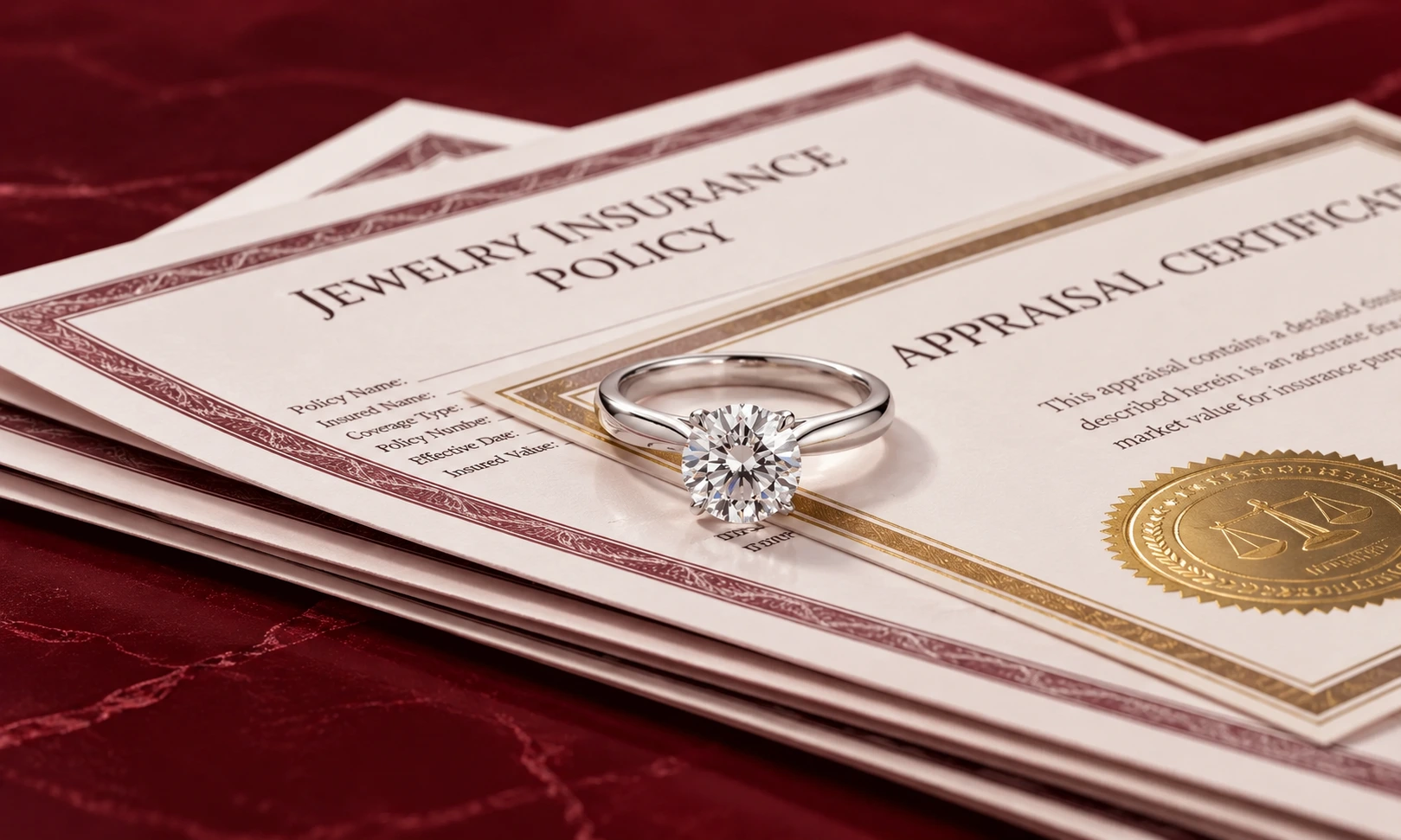
A safe can reduce certain risks, but it cannot guarantee that jewelry will never be stolen, lost, or damaged. Insurance may provide another layer of financial protection when an unexpected event occurs. If your collection includes specialized pieces such as opal daith piercing jewelry, keep their purchase details and any relevant certificates with your other records.
Review your home insurance policy to see whether jewelry is covered and whether special limits or exclusions apply. If necessary, ask about separate valuables coverage. For jewelry associated with body piercings, understanding the piece and its placement through guides to dermal piercing and nose piercing can also help you keep useful product information.
For expensive pieces, keep purchase receipts, appraisals where appropriate, certificates, and clear photographs. An appraisal is a professional estimate of an item’s value for a stated purpose; it isn’t the same as a promise that an insurer will pay that amount after a claim.
Store records securely and keep copies separate from the jewelry itself. An inventory can make it easier to identify your belongings and provide information if you need to make an insurance claim.
Frequently Asked Questions
What is the best safe for expensive jewelry?
The right safe depends on the value of your collection, the security rating, installation options, and whether you need fire protection. Compare tested specifications rather than relying on price or appearance alone.
Are jewelry safes fireproof?
Some models offer tested fire protection, but others focus on burglary resistance. Check the manufacturer’s rating and test conditions. The word “fireproof” should not be treated as a guarantee against every fire or temperature.
Should I keep diamonds in a safe?
A safe can help protect diamonds from theft, but they should also be stored separately from other jewelry. Although diamonds are very hard, they can still chip under certain impacts and may scratch other pieces.
Can I store gold and silver together?
It’s generally better to separate them to reduce scratching and keep each piece in suitable storage. Silver may tarnish over time, so consider an appropriate anti-tarnish pouch or cloth.
Does a home insurance policy cover jewelry in a safe?
Coverage depends on the policy, the type and value of jewelry, and any applicable limits or conditions. Read the policy and ask your insurer whether appraisals, separate coverage, or particular security measures are required.
Is a bank safe deposit box safer than a home safe?
It offers off-site storage, which can be useful for items you rarely wear, but the best option depends on access, provider terms, security arrangements, and insurance. Neither option should be assumed to guarantee complete protection.
Disclaimer
This article provides general information about jewelry storage and security. It isn’t a security assessment, insurance recommendation, or guarantee of protection. Safe specifications and insurance conditions vary, so consult the manufacturer, a qualified security professional, or your insurer when making decisions about high-value items.