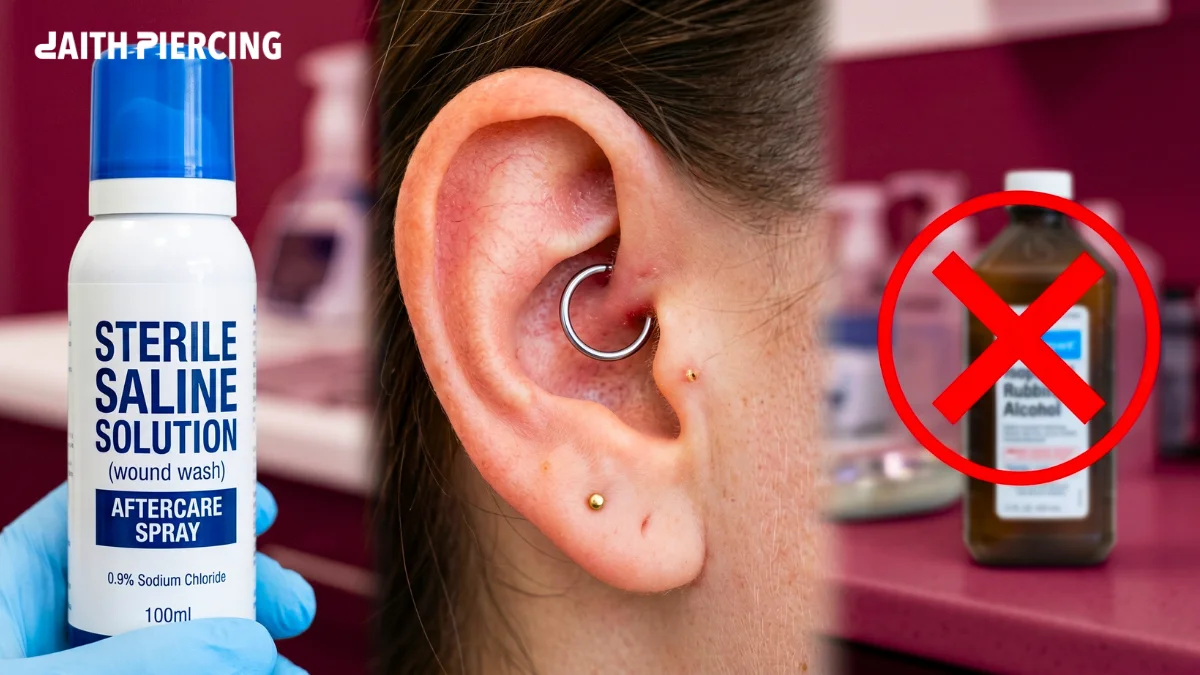
Common daith piercing cleaning mistakes include using harsh chemicals like rubbing alcohol, moving the jewelry, and sleeping on the fresh wound. Experts at daithpiercing.io recommend a hands-off approach and using only sterile saline spray twice daily. Avoiding these errors prevents irritation bumps and protects the tissue during the six to twelve-month cartilage healing process.
Navigating daith piercing cleaning mistakes is the most critical factor in ensuring your new ear modification heals smoothly. At daithpiercing, we analyze rising search trends to help beginners avoid the common errors that disrupt cellular repair. Most cartilage issues fail because of improper aftercare techniques rather than random infections, making a proper routine essential for long-term success.
Key Takeaways
-
Most daith piercing issues stem from over-cleaning and aggressive handling rather than under-cleaning.
-
Alcohol-based products slow down cellular regeneration in ear cartilage significantly.
-
Unintentional sleeping pressure is a major hidden cause of localized tissue irritation bumps.
-
Your cleaning routine must actively adapt based on the specific biological healing stage of the tissue.
-
A standard daith piercing requires a full six to twelve months to achieve complete internal healing.
What Not to Do After Getting a Daith Piercing
Getting a daith piercing is different from piercing your earlobe. The top part of your ear is made of cartilage, which is a stiff tissue that does not have its own direct blood supply. Because blood carries the oxygen and tools your body needs to fix a cut, cartilage heals much slower than regular skin.
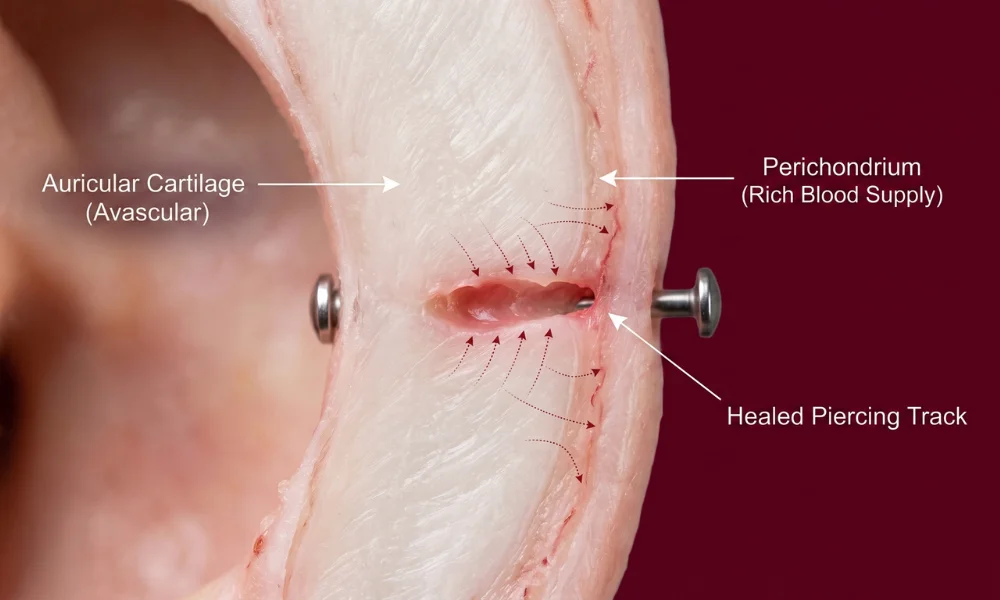
If you make mistakes early on, you stop the body from doing its job. Rough cleaning or bumping the area forces the healing process to restart from day one. Taking proper care of the area during the first month determines whether your piercing heals smoothly or develops painful, red bumps.
Common Early-Stage Errors Beginners Make
Avoid these three simple errors that beginners frequently make when taking care of a new piercing.
Touching Too Often
The human hands carry millions of microscopic bacteria that can easily transfer to an open wound. Even if you wash your hands, touching the area introduces friction. Frequent manipulation disrupts the newly forming epithelial cells lining the piercing track. This constant mechanical disruption forces the body to restart the healing process from the beginning.
Over-Cleaning
Many individuals believe that cleaning a piercing four or five times a day will guarantee an infection-free result. This is a significant misconception. Over-cleaning strips away the natural exudate and beneficial fluids your body produces to repair the tissue. Excessive exposure to moisture softens the skin, making it highly susceptible to tearing and bacterial colonization.
Changing Jewelry Early
Attempting to swap out the initial jewelry before the internal track fully matures is a major cause of piercing failure. The internal tissue takes months to stabilize. Removing the original post or ring creates severe internal friction, forces the wound track to collapse, and can trap bacteria deep within the cartilage matrix.
Early Healing Do’s vs Don’ts
| Do | Don’t |
| Apply sterile saline rinse 1 to 2 times daily | Over-cleaning the wound 3 to 5 times daily |
| Leave jewelry completely untouched | Moving jewelry during cleaning mistakes |
| Sleep on the opposite side of the body | Sleeping on a new daith piercing |
Daith Piercing Cleaning Mistakes
The primary reason a daith piercing struggles to heal is that ear cartilage has a very low blood flow. Unlike your earlobe, which contains many blood vessels, cartilage gets its nutrients very slowly. This means the recovery process takes a long time, and the new cells your body creates are fragile.
When you make cleaning mistakes, you directly damage these weak cells. Your body tries hard to build a new layer of skin inside the hole, but improper care rips that skin apart. So, the piercing stays open and irritated for a much longer period.
Most Dangerous Cleaning Errors
Here are common daith piercing cleaning mistakes:
Moving Jewelry During Cleaning Mistakes
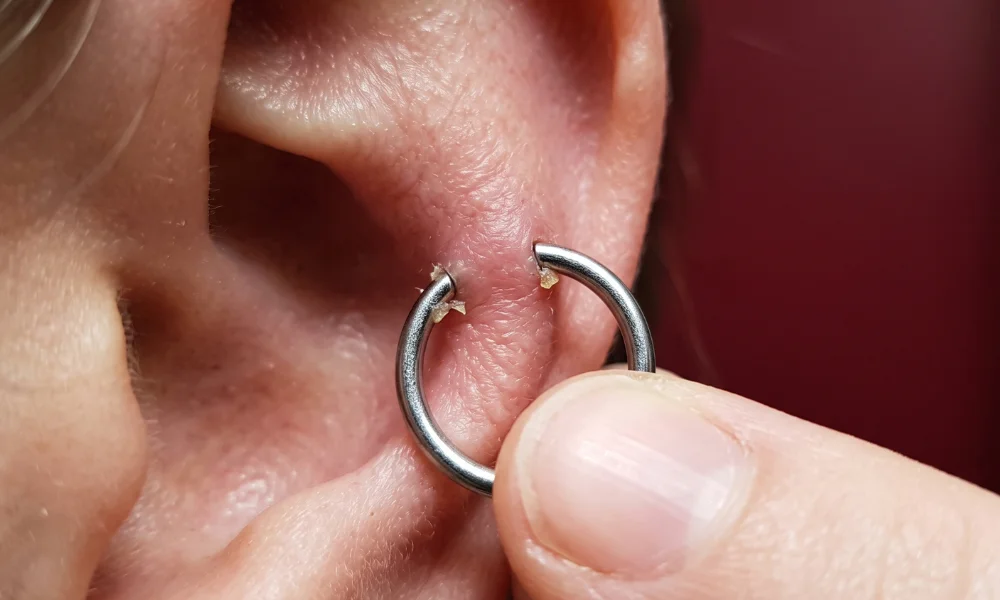
Many people think they need to spin or slide the hoop to get the cleaning solution inside the hole. This is a major mistake. Moving jewelry during cleaning mistakes tears the microscopic skin cells that are trying to heal the wound. It also pushes crust, dried fluids, and bacteria directly into the open cut.
Cleaning Too Frequently
Washing your piercing more than twice a day does not make it heal faster. Instead, cleaning too frequently dries out the skin and removes the natural fluids your body makes to protect itself. This constant washing leaves the area raw and open to germs.
Dirty Hands Contact
You should never touch your ear unless you just scrubbed your hands with soap and water. Dirty hands contact introduces thousands of bacteria to the cartilage. Even a quick touch to check on the piercing can cause a painful swelling.
Using Q-Tips Aggressively
Cotton swabs seem safe, but using Q-tips aggressively causes two big problems. First, the pressure pushes the jewelry around and causes friction. Second, the cotton sheds tiny fibers that get trapped inside the piercing hole and trap bacteria.
Cleaning Mistakes Impact Map
| Mistake | Effect |
| Over-cleaning the wound | Causes rapid tissue breakdown |
| Touching or spinning jewelry | Direct bacterial transfer into the track |
| Harsh rubbing with cotton | Creates micro-tears in fragile skin |
Using Rubbing Alcohol on Daith Piercing
Why Alcohol Damages Healing Tissue?
Applying harsh chemicals to an open wound is a major setback for your ear cartilage. Using rubbing alcohol on daith piercing sites is dangerous because it kills new epithelial cells. These are the fresh, delicate skin cells your body creates to line the inside of the hole and heal the wound.
Alcohol does not choose between bad bacteria and good cells. It wipes out everything, which delays the closure of the piercing channel. When you use it, the skin becomes incredibly dry, cracks open, and bleeds. This leaves your cartilage completely unprotected against airborne germs.
Safer Alternatives
- Sterile Saline Solution: The absolute safest product to use is a sterile saline spray that contains 0.9% sodium chloride. This matches the natural chemistry of your body, so it cleans away debris without burning or drying out the skin.
- Warm Compress Method: You can clean away crust safely by soaking a clean, non-woven gauze pad in warm sterile saline. Hold it gently against your ear to soften the debris, then let it rinse away naturally without any scrubbing.
Can I use rubbing alcohol on a daith piercing?
Answer: No. Using rubbing alcohol on daith piercing sites slows healing and increases irritation risk. To avoid daith piercing cleaning mistakes, use a sterile saline solution twice daily instead of harsh chemicals. This protects fresh tissue, prevents daith piercing delayed healing signs, and ensures a smooth recovery.
Sleeping on New Daith Piercing
Sleeping directly on your side after getting a new ear modification creates serious complications.
Pressure Damage Mechanism (Cartilage Collapse Effect)
Sleeping on new daith piercing sites puts the full weight of your head directly onto the fresh wound. This pressure cuts off the already limited blood flow to the ear cartilage, and that lack of oxygen triggers rapid tissue inflammation.
The heavy pressure causes prolonged swelling, but it also creates an even bigger problem. Constant nighttime pressure can physically force the metal jewelry to shift out of its original position. This causes an angle shift risk where the piercing hole heals crookedly, and it leads directly to stubborn, painful irritation bumps.
Sleep Positioning Strategy
You do not have to sleep on your back for an entire year to protect your ear. You can keep your piercing safe with these simple sleeping methods:
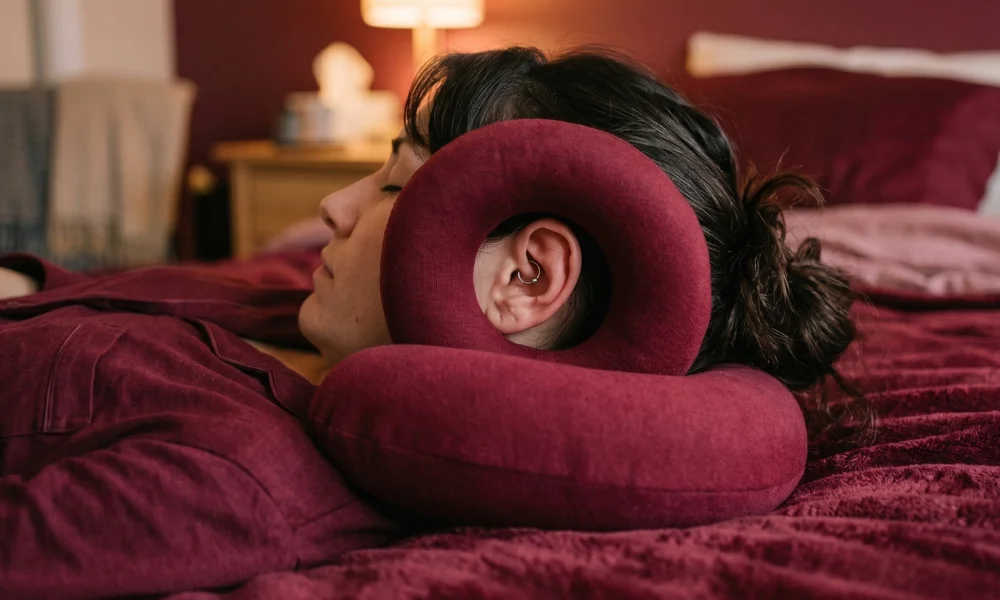
The Travel Pillow Method: Place a donut-shaped travel pillow flat on your regular bed pillow. Sleep on your side but position your ear directly inside the center hole so the jewelry never touches any fabric.
The Opposite-Side Sleeping Plan: Train yourself to sleep only on the unpierced side of your body. You can clip a large claw hair clip to the pierced side of your head at night, so if you try to roll over, the discomfort will safely wake you up and make you turn back.
Healing Stages and Cleaning Timeline
Here is the complete breakdown:
Stage 1 (0 to 4 Weeks): The Inflammatory Phase
-
High Sensitivity: The skin around your ear is raw, red, swollen, and highly sensitive to any contact.
-
Minimal Touching: Your only goal during this first month is to leave the ear alone, so you should only spray it with saline and avoid any physical wiping.
Stage 2 (1 to 3 Months): The Crusting Phase
-
Crusting Action: Your body will naturally exude a clear fluid that dries into hard crust around the jewelry, which is a normal sign that the skin is closing.
-
Controlled Cleaning: You must use warm water or warm saline compresses to soften these crusts so they rinse away without you peeling or picking them off with your fingers.
Stage 3 (3 to 12 Months): The Stabilization Phase
-
Deep Maturation: The outside of your ear looks fully healed, but the internal cartilage channel is still slowly building its strength.
-
Routine Reduction: The tissue is much more stable now, so you can stop daily spray treatments and simply wash the ear gently during your normal shower routine.
Healing Stage Cleaning Schedule
| Stage | Cleaning Frequency | Risk Level |
| 0 to 4 weeks | 1 to 2 times daily | High Risk of Infection |
| 1 to 3 months | 1 time daily | Medium Risk of Irritation |
| 3 to 12 months | As needed | Low Risk of Complications |
Signs Your Piercing Is Not Healing Properly
While a cartilage piercing takes a long time to recover, you should watch for specific daith piercing delayed healing signs that show your ear is struggling. Recognizing these red flags early helps you change your routine before permanent damage occurs:
- Persistent Swelling: It is normal for your ear to swell during the first few weeks, but swelling that lasts for several months means the tissue is trapped in a constant state of trauma.
- Irritation Bumps: Small, red, or flesh-colored bumps that appear right next to the piercing holes indicate that the delicate skin inside is getting pinched, rubbed, or torn.
- Pain After Weeks: A fresh piercing will feel sore for a few days, but experiencing deep, throbbing pain or burning sensations weeks after your appointment means the wound track is severely irritated.
Causes of Delayed Healing
When your ear displays these warning signs, it is almost always triggered by external habits rather than a random medical issue. The three main culprits include:
- Cleaning Mistakes: Using harsh products or wiping the area aggressively strips away new skin cells and forces the healing process to stall.
- Sleeping Pressure: Letting the weight of your head crush the ear at night cuts off necessary blood flow and tilts the jewelry out of alignment.
- Jewelry Movement: Twisting, turning, or sliding the metal ring tears the internal healing channel and introduces surface bacteria deep into the cartilage.
Tips for Piercing Cleaning Pros and Cons
Understanding the balance between different aftercare choices is essential for a smooth recovery. Here is a breakdown of the tips for piercing cleaning pros and cons to help you make safe decisions for your ear.
Saline Cleaning (Pros & Cons)
The Pros: Utilizing a sterile 0.9% saline spray matches your body natural chemistry perfectly. It flushes away bacteria, removes crust gently, and never burns your skin.
The Cons: Saline offers safe but slow results. It does not contain numbing agents or fast-acting chemicals, so you must stay patient and let your body do the healing work over many months.
Over-Cleaning (Pros & Cons)
The Pros: Washing your ear four or five times a day gives you a temporary “feels clean” effect. It makes you feel like you are actively protecting your ear from germs.
The Cons: This habit drastically damages tissue. Washing too much strips away useful fluids, causes dry skin to crack open, and keeps the open wound far too wet, which actually invites bacterial growth.
Cleaning Methods Comparison
| Method | Pros | Cons |
| Sterile Saline | Completely safe, gentle on skin | Slow results, requires daily consistency |
| Antibacterial Soap | Very accessible in most homes | Severe irritation risk, clogs the wound |
| Rubbing Alcohol | Dries up liquid quickly | Major healing delay, kills good skin cells |
Jewelry Rotation Myths
One of the worst pieces of advice circulating in online forums is the idea that you must rotate your earring to keep it from getting stuck to your skin. This is completely false. Metallic jewelry cannot fuse with human skin cells, so turning the ring provides absolutely no benefits.
When discussing what not to do after getting a daith piercing, moving the metal rank high on the list of dangerous habits. Your body works hard to build a smooth layer of new skin inside the hole, and rotating the hoop acts like an internal blade that slices that skin apart. This constant friction reopens the wound, pushes dry crust inside, and drastically increases infection risk by pushing surface bacteria deep into the cartilage.
Studio-Grade Piercer Recommendations
Professional piercers rely on strict biological principles to ensure your ear recovers safely.
- First, they emphasize the supreme importance of implant-grade titanium jewelry. This metal is completely biocompatible, meaning it does not leach nickel or trigger allergic reactions that cause swelling.
- Second, maintaining a sterile technique at home is vital. You should never use homemade salt mixtures, because they lack the proper balance and often introduce household dust into the wound. Utilizing pre-packaged, sterile solutions guarantees that every single spray protects your delicate cartilage from harmful germs.
Full Cleaning Routine
Here is the complete routine:
Morning Routine
Your morning aftercare should focus on washing away the fluids your body produced overnight without disturbing the ear.
- Apply a thorough spray of sterile saline solution directly to the front and back of the daith piercing site.
- Let the liquid sit on the skin for two minutes to loosen any hard crust.
- Use a clean piece of non-woven gauze to gently pat the surrounding area dry, but do not touch the jewelry or use forceful pressure.
Night Routine
Your evening routine should be even more hands-off to prevent over-cleaning and skin dryness.
- Inspect the ear in a well-lit mirror to check for any major buildup of debris or signs of irritation.
- Spray the area with saline a second time only if you see active crust or if you spent time in a dusty environment during the day.
- Allow the ear to air-dry completely before bed, then position your head on a travel pillow to avoid accidental nighttime pressure.
Common Myths About Daith Piercing Cleaning Mistakes
Twisting Helps Healing
Many individuals believe that twisting the jewelry helps the cleaning solution enter the wound track. In reality, this action simply tears the healing tissue and creates internal bleeding. The liquid will naturally seep into the hole on its own, so you should keep the ring entirely still.
More Cleaning Equals Faster Healing
It is easy to think that washing your ear five times a day keeps it extra clean. However, excessive washing strips away healthy oils and creates a wet environment where bacteria thrive. Sticking to a strict twice-daily limit gives your skin the quiet environment it needs to rebuild.
Alcohol Prevents Infection
While rubbing alcohol kills surface germs on unbroken skin, applying it to a raw ear piercing is highly damaging. It burns away the fragile new cells trying to close the channel, which causes severe dryness and triggers long-term inflammation. Saline is the only solution you need to keep germs away safely.
Why Mistakes Matter More Than Infection Risk
Most people spend their energy worrying about external bacteria, but the true danger to a new piercing is improper physical care. Genuine medical infections are relatively rare if you visit a professional studio. Instead, the vast majority of healing complications come directly from physical trauma, harsh chemical applications, and moving the jewelry too much. These everyday errors irritate the skin and create open spaces where bacteria can easily settle later on.
Why Cartilage Healing Is Slow Biologically
Ear cartilage is a dense, avascular tissue that does not contain a direct network of blood vessels. Because blood flow is extremely limited, the body cannot rapidly transport oxygen, white blood cells, and healing nutrients to the wound. The recovery process must rely on slow diffusion from nearby tissues. This biological layout means that cartilage requires up to a full year to completely rebuild, making it highly sensitive to any form of disruption.
Why Behavior Correction Matters Most
Since your body is working under a natural biological delay, changing your daily habits is the only way to ensure success. You cannot force cartilage to build new skin cells faster, but you can stop yourself from tearing those cells apart. Eliminating aggressive cleaning techniques, staying off your side at night, and keeping your hands away from your ear removes the barriers that cause long-term inflammation.
Final Thoughts on Daith Piercing Cleaning Mistakes
Taking care of a new ear modification requires patience, consistency, and the right information. As we emphasize at daithpiercing.io, improper daith piercing cleaning mistakes are the absolute biggest failure factor for beginners. Aggressive scrubbing, moving the jewelry, and using strong chemicals do not protect your ear; they simply damage the fragile new skin cells trying to heal the wound.
By committing to a simple, proper routine consisting of sterile saline spray and a strict hands-off policy, you give your body the exact environment it needs for full healing success. Protect your investment, trust the natural timeline of your cartilage, and let your ear heal without unnecessary interference.
Frequently Asked Questions
What are the most common daith piercing cleaning mistakes?
The most frequent errors include twisting or sliding the jewelry during cleaning, washing the area too many times a day, and touching the ear with unwashed hands. Using cotton swabs aggressively and applying harsh products also rank among the top mistakes that disrupt recovery.
Can I use alcohol to clean my daith piercing?
No. You should never use rubbing alcohol on an open cartilage wound. Alcohol is too strong for healing tissue, and it kills the fresh skin cells trying to close the channel while causing severe dryness and deep irritation.
How often should I clean a daith piercing?
You should clean the area one to two times daily during the first few months. Cleaning your ear more than twice a day strips away beneficial fluids and leaves the skin too damp, which can lead to tissue breakdown.
Why is my daith piercing healing slowly?
Cartilage naturally heals slowly because it has a very low blood supply. If your recovery feels stuck, it is usually due to daith piercing delayed healing signs triggered by constant jewelry movement, nighttime sleeping pressure, or over-cleaning.
What not to do after getting a daith piercing?
When looking at what not to do after getting a daith piercing, you must avoid sleeping directly on the jewelry, spinning the hoop, and switching out the metal ring before the internal channel fully matures. Always avoid homemade salt mixtures and harsh commercial chemicals.