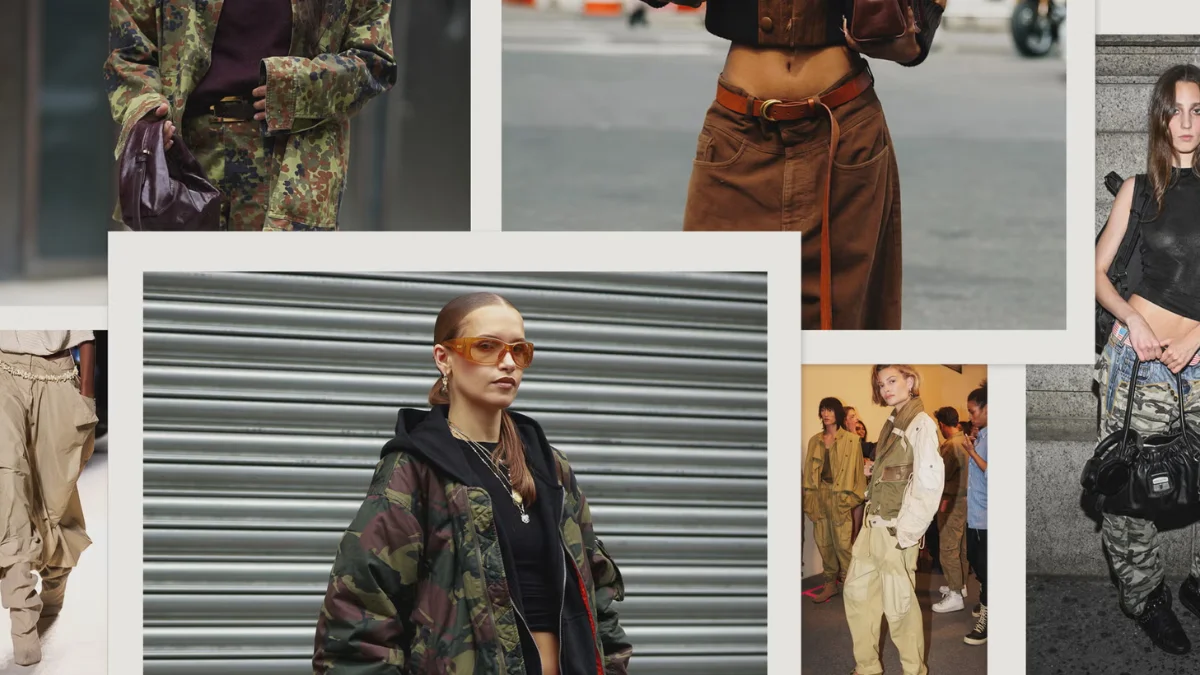
Digital detox fashion is a 2026 movement where people reject social media-driven shopping by buying fewer, quality clothes in neutral colors and sustainable materials. It’s a conscious reaction to screen burnout prioritizing intention over impulse. Consumers are buying 28% fewer items but spending more per piece. Major brands are shifting toward transparency and durability. This addresses decision fatigue and burnout, making slow fashion trends 2026 likely to endure.
Digital detox fashion is slowly taking over the streets of America. Don’t read the posts from influencers. Don’t pay attention to the trend predictions. If you walk through any major US city, you’ll see that people are dressing differently. They are wearing the same clothes twice. Their closets are smaller. No logos. No need to get validation from clothes.
This isn’t a mistake. It’s a direct response to screen burnout and shopping based on algorithms. And it’s changing everything.
What Is Digital Detox Fashion?
Digital detox fashion is a way of dressing that is similar to unplugging from technology. To reconnect with your true style, you need to step away from trend cycles and shopping that is driven by social media. This is like stepping away from screens to reconnect with yourself.
The Philosophy behind the Trend
The core of the digital detox trend is based on the following three ideas:
Quality over quantity: purchase two durable pieces to have for years rather than ten low-quality shirts
Intention over impulsive actions: question the purchase: Do I really need it? Would I use it often?
Authenticity over trends: dress to please yourself, not to receive a confirmation from Instagram
This philosophy became necessary because of the cultural exhaustion of people who lived in 2026.
How Digital Detox Fashion Differs From Traditional Minimalism
Main differences:
Minimalist traditions: Focuses on owning fewer objects for aesthetic or practical purposes.
Detoxification trends: Focuses on owning fewer objects as a deliberate response to the way that social media exploits consumers.
Minimalist traditions: Does not necessarily examine why you are opting for minimalism.
Detoxification trends: Examines the effect of technology on consumer behavior.
How Slow Fashion Trends 2026 Are Reshaping Street Style
Slow fashion trends 2026 are dominating American street style right now, and digital detox trend is the primary driver.
The Death of Fast Fashion’s Grip on Daily Wear
In 2026, consumer behavior is shifting noticeably. Here’s what the data shows:
| Metric | 2021 | 2026 |
|---|---|---|
| Average annual clothing purchases | 67 items | 48 items |
| Average price per item | $18 | $28 |
| Choosing secondhand/thrifted | 22% | 41% |
| Preference for sustainable materials | 31% | 58% |
| Reporting decision fatigue about clothing | 44% | 68% |
Sustainable and Ethical Materials Taking Center Stage
Caring for the origin of the clothing is part of the slow fashion trends 2026. Digital detox trends focus on the transparency in the supply chain.
Popular materials include:
- Organic cotton (91% less water usage compared to regular cotton)
- Linen (self-renewing and biodegradable)
- Hemp (sustainable and water-free)
- Recycled polyester (reduces plastic waste in landfills)
- Tencel (manufactured from wood pulp)
Consumers favor brands that disclose information regarding their fabrics’ sources and sustainability.
Tech-Free Lifestyle and What It Means for Your Wardrobe
Once you start living a tech-free life, there is a subtle change in the way you perceive yourself and everything else that you do, down to even the clothes that you put on.
Unplugged Life and How it Makes You Dress Up Purposefully
The individuals who regularly indulge in digital detoxes say that the moment they become conscious of not looking at Instagram comments for likes on their outfit posts, they start making decisions about what to wear based on:

- Comfort
- Functionality
- Personal taste
- Quality
- Wearability
The Rise of Boring, Comfortable Clothing as Fashion Statement
In 2026, boring clothes are becoming a status symbol. Wearing plain, understated pieces signals confidence to exist without social media validation.
Why neutral basics now signal sophistication:
- A plain linen shirt in beige
- Simple dark jeans
- Minimal jewelry
- One quality blazer in black
- White canvas sneakers
- Neutral wool sweater
These choices used to feel unfinished. Now, they read as intentional, sophisticated, and self-assured. For the first time in decades, the trend is explicitly anti-trend.
Understanding Minimalist Aesthetics in 2026 Street Style
Minimalist aesthetics in 2026 are deeply influenced by digital detox fashion. When these trends combine, you get street style that prioritizes:
- Clean lines and simple silhouettes
- Neutral color palettes (grays, beiges, blacks, whites, taupes)
- Carefully chosen pieces with clear purpose
- Quality construction over quantity
- Timeless designs over trendy cuts
But unlike minimalism of previous years, this version carries awareness about forces trying to manipulate your choices.
Neutral Color Palettes Dominating Urban Wear
Walk through any major US city in 2026, and you’ll notice the color palette has shifted dramatically toward neutrals. Bright colors and bold patterns are rarer.
Color psychology behind the shift:
- Neutral colors feel less performative (not trying to get attention)
- They pair with most other neutral pieces (more mixing-and-matching potential)
- They age well without looking dated
- They create visual calm in an overstimulated environment
- They signal intentionality rather than trend-following
Neutral, minimal clothing used to read as boring. Now, it reads as intentional and anti-consumption. The USA street style conversation has literally inverted what’s considered fashionable.
Why Brands Are Adapting to Digital Detox Fashion
These firms which stress quality, sustainability, and transparency in their production process are witnessing an upsurge in their operations. On the other hand, ultra-fast fashion firms are having difficulties.
Strategies by brands to respond to 2026 trends:
- Launching fewer collections in a year
- Prioritizing timeless styles rather than trendy ones
- Sharing full supply chain transparency
- Creating a direct-to-consumer sales approach (no need for influencer marketing)
- Repair and resale of garments
- Using only natural fabrics
- Stressing on quality than quantity
The customers are building brand loyalty because brands that focus on slow fashion, ethical production, and quality fit the digital detox fashion philosophy.
The Marketing Shift: Less Social Media Hype, More Authenticity
Brands succeeding in the digital detox fashion space use different marketing strategies.
Old marketing model:
- Influencer posts showing trend-forward pieces
- Algorithm-optimized content for maximum engagement
- Focus on FOMO and seasonal urgency
New marketing model (2026):
- Transparent supply chain documentation
- Brand founder interviews explaining philosophy
- Customer testimonials about durability
- Behind-the-scenes factory tours
- Educational content about fabric sourcing
The Broader Cultural Shift Behind the Trend
The emergence of digital detox fashion can be attributed to burnout and decision fatigue. Americans in the year 2026 have been overwhelmed with work, social media, notifications, and pressure to always be “on.”
They’re sick and tired of having to:
- Choose which products to purchase
- Be aware of and follow fashion trends
- Suffer from anxiety about dressing appropriately
- Keep shopping endlessly
- Feel FOMO about missing out on the latest trends
Digital detox fashion provides respite. With a conscious approach to buying, you are eliminating thousands of decisions related to your wardrobe. It’s self-care under the guise of a fashion statement.
Reclaiming Personal Style From Algorithm-Driven Culture
Over time, social media algorithms recommended content based on engagement potential. What could engage better than loud, bright, fashionable looks? Fashion became trendy in an algorithmic feedback loop.
Detox fashion represents a rebalance. With a conscious digital cleanse, people discover their true style identity. Many choose classic, neutral pieces because they suit their personality best, not because social media algorithms dictate such trends.
Challenges and Considerations
Digital detox fashion, particularly the emphasis on quality pieces and sustainable materials, can be expensive. A well-made organic cotton tee costs more than fast fashion.
How to make it affordable:
- Thrifting and secondhand shopping
- Buying from affordable sustainable brands like Pact or ASKET
- Gradual transition (replace items as they wear out)
- Shopping sales and off-seasons
- Swapping clothes with friends
- Supporting local thrift stores
True digital detox fashion should be accessible across income levels.
Conclusion
The new wave of digital detox fashion is making its mark on how Americans will dress in 2026. It’s not just about wearing neutral colors and simple clothing; it’s about making a conscious decision to unplug from social media, algorithms, and fast fashion.
What is happening out on the streets of USA right now? People opting for high-quality basics and comfortable clothing that does not encourage them to pursue the next trend. Fashion trends 2026 are moving towards slow fashion due to their problem-solving nature.
A tech-free life style does not equate to giving up on fashion. On the contrary, it encourages individuals to make conscious decisions about their attire. Minimalist aesthetics now serve an actual purpose that of being a silent protest against algorithmic culture. Want to know more about fashion trends visit Daithpiercing.
Frequently Asked Questions
Is digital detox fashion the same as minimalism?
They overlap, but digital detox fashion is specifically about rejecting social media’s influence on shopping. Minimalism is about owning fewer items. Digital detox fashion layers in awareness about technology’s manipulation.
Do I have to wear only neutral colors?
No. Digital detox fashion is about intentionality. If you love a colorful piece and will wear it regularly, that’s fully aligned with the philosophy. The key is choosing based on your preferences, not algorithms.
Is slow fashion trends 2026 sustainable?
Generally yes, because buying less and choosing quality materials supports sustainability. The most sustainable option is wearing what you already own. The second most is buying secondhand.
Can I transition gradually to digital detox fashion?
Absolutely. Buy fewer items per year, choose quality over quantity, and replace items as they wear out. Thrifting makes this more affordable.
Will tech-free lifestyle fashion stay relevant?
Based on consumer behavior trends, the core principles address genuine human needs reducing decision fatigue and developing intentionality. The specific aesthetic may evolve, but the philosophy appears durable.