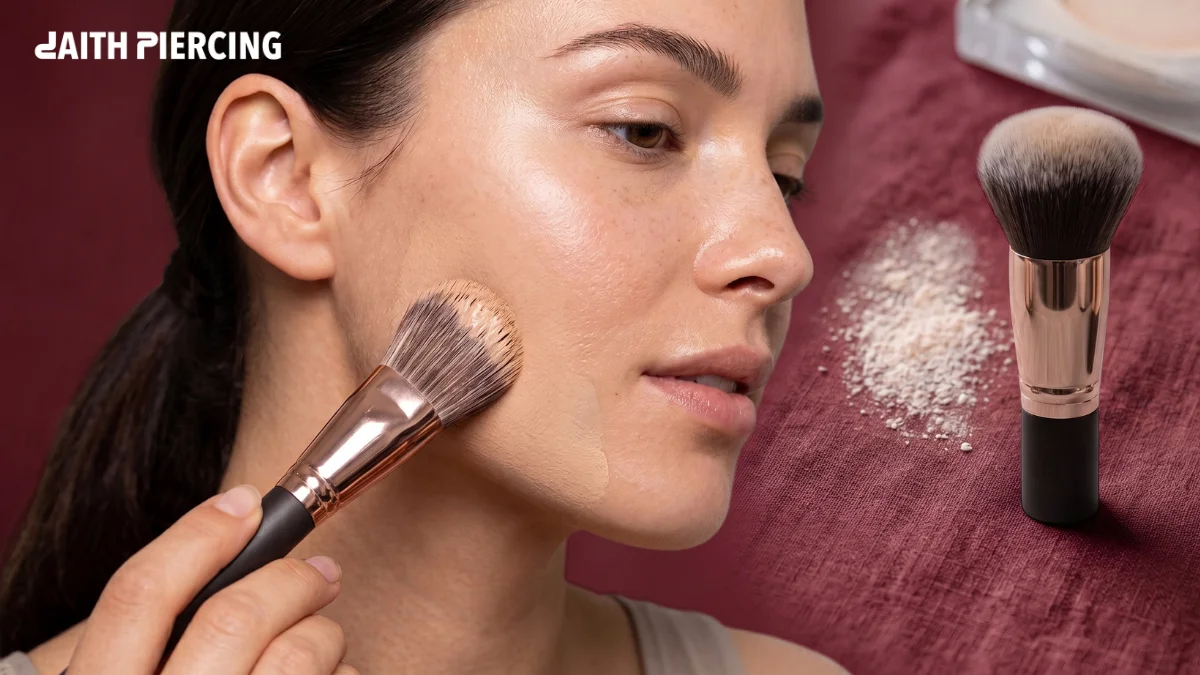
To choose the best makeup brushes, prioritize high-quality synthetic fibers because they dry quickly, resist bacteria, and work perfectly with both liquid and powder formulas. Match brush density to your desired coverage, using packed bristles for a full-coverage finish and fluffy bristles for light dusting, while buying individual tools instead of wasteful sets.
The right makeup brushes completely change how products sit on your skin, protect your skin health, and elevate your final look. Yet most people waste money on massive collections because they do not understand individual brush functions.
At Daithpiercing, we value practical beauty and lifestyle guidance that actually works, so let’s cut through the marketing noise and find the exact tools you need.
Key Takeaways
-
Synthetic brushes work best for both liquids and powders, cost less, and keep your skin safe from breakouts.
-
Tightly packed bristles give you full coverage, while loose, fluffy bristles give you a soft, sheer finish.
-
Buying a few single, versatile tools saves you more money than buying giant pre-made kits full of filler pieces.
-
Never dry your brushes standing up because water leaks into the handle and ruins the glue.
Makeup Brushes Explained: What Actually Makes One Brush Better Than Another?
This section breaks down how brush shapes and materials alter your makeup look so you can spot quality instantly.
Makeup Brushes and Their Three Performance Factors
You do not need a degree in cosmetics to spot a high-performing tool. You just need to check three physical traits:
-
Bristle Quality: Premium fibers hold their shape under pressure and do not scratch the skin.
-
Brush Density: Packed bristles pack on pigment and give high coverage, while loose bristles sweep on sheer layers.
-
Brush Shape: The cut of the fibers dictates exactly where the product lands on your face.
Why Brush Design Matters More Than Price
A high price tag does not guarantee a flawless blend. A cheap brush with excellent geometry and density routinely outperforms an expensive luxury brush with poor structural balance. Look at the architecture of the head, not the brand name stamped on the handle.
Makeup Brush Features and Their Purpose
| Feature | Why It Matters | Best For |
| Dense Bristles | Absorb less product and apply maximum pigment | Liquid foundation, heavy concealers, cream contour |
| Fluffy Bristles | Disperse product softly to prevent harsh lines | Setting powders, bronzer, powder blush |
| Flat Shape | Lays down crisp lines or packs color onto one spot | Carving brows, packing eyeshadow, targeted concealing |
| Rounded Shape | Moves easily along the natural curves of the face | Buffing foundation, blending out cheek products |
| Angled Shape | Hugs facial contours and skeletal structures | Defining cheekbones, applying eyeliner, brow filling |
Best Makeup Brushes 2026: Build a Smarter Kit Instead of Buying Everything
Learn how to select modern, versatile beauty tools that streamline your morning routine without cluttering your vanity space.
Best Makeup Brushes 2026 Every Everyday Routine Needs
The best makeup brushes 2026 trends show a massive shift toward minimalism. You do not need a twenty-piece collection to look flawless. Focus on high-utilization tools that match your specific daily products. If you use liquids, prioritize dense buffing tools. If you stick to powders, look for airy, tapered shapes.
Makeup Brush Set vs Individual Brushes: Which Saves More Money?
Buying a pre-packaged makeup brush set seems cheaper on paper, but it often wastes cash. These bundles usually contain three great tools and four filler items you will never touch. Buying individual pieces costs more upfront, but you only pay for tools you actually use daily. Buy a curated bundle only if you truly need every single tool inside it.
Makeup Brushes for Beginners: The 7 Brushes That Cover Almost Every Look
Discover the exact foundational tools you need to master any basic makeup look without wasting cash on extra items.
Makeup Brushes for Beginners Without Overspending
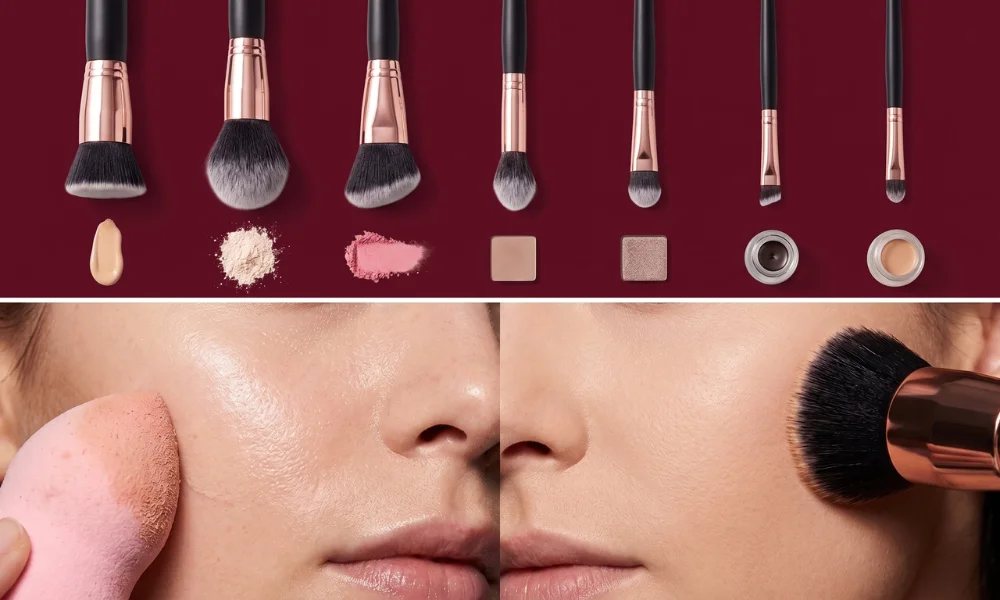
Navigating the beauty aisle feels overwhelming when you start out. The secret to sourcing makeup brushes for beginners is utility. Skip the ultra-niche fan brushes and targeted nose contour tools. Stick to items that perform multiple tasks across creams, liquids, and powders.
Best Blending Brush, Kabuki Brush, and Other Multi-Purpose Essentials
A dense kabuki brush works wonders for buffing out liquid base, cream bronzer, or heavy powder foundations. Then, pick up the best blending brush you can find. A great eye blender does not just apply shadow; it also diffuses under-eye concealer and applies targeted highlighter.
Beginner Makeup Brush Priority Guide
| Brush | Daily Use | Beginner Priority | Skip or Buy |
| Foundation Brush | High | High | Buy (or use an everyday sponge) |
| Powder Brush | High | High | Buy (essential for setting the face) |
| Blush Brush | Medium | High | Buy (angled shapes double as contour tools) |
| Blending Brush | Medium | High | Buy (the ultimate eye and detail tool) |
| Kabuki Brush | High | Medium | Buy if you want full coverage fast |
| Concealer Brush | High | Low | Skip (fingertips or sponges work fine) |
Foundation Brush vs Sponge: Which Gives Better Coverage, Finish, and Value?
Compare the finish, product waste, and speed of brushes versus blending sponges to find your perfect base application tool.
Foundation Brush vs Sponge for Liquid, Cream, and Powder Products
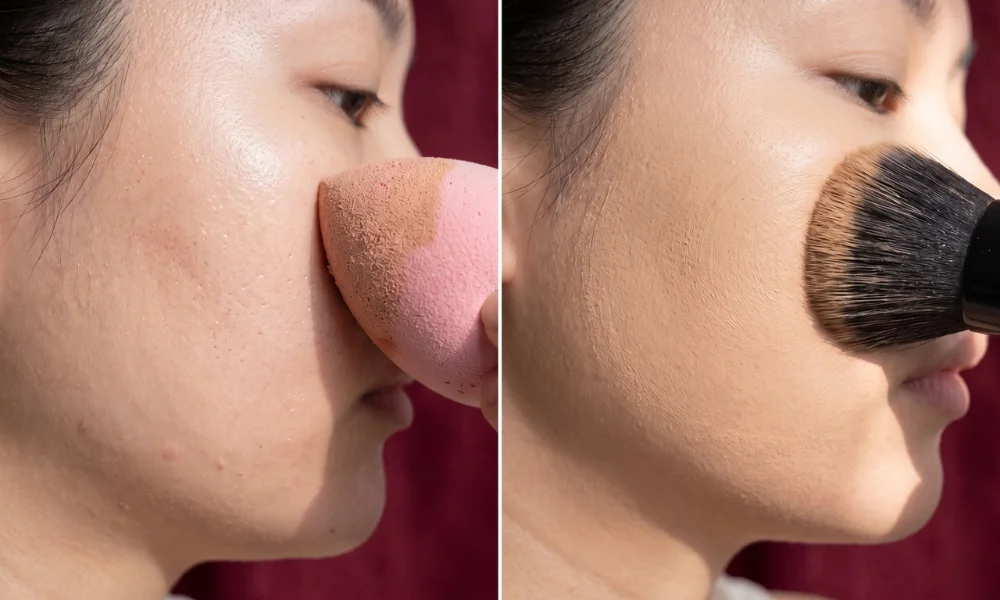
The foundation brush vs sponge debate comes down to the math of product absorption and texture goals. Sponges absorb a surprising amount of liquid, but they offer a radiant, second-skin finish. Brushes keep all the product on your face, so you get full coverage fast without wasting expensive formulas. Sponges fail completely with powders, while the right brush handles both wet and dry products flawlessly.
When Professionals Prefer One Tool Over the Other
Pro artists grab a brush when they need to build fast coverage over hyperpigmentation, acne, or scarring. They switch to a damp sponge when skin looks dry, flaky, or over-powdered, because the moisture melts product into the skin instead of kicking up loose flakes.
Synthetic vs Natural Makeup Brushes: Which Is the Better Investment Today?
Explore how modern hair materials impact your makeup finish, product absorption, and overall long-term skin health during daily use.
Synthetic vs Natural Makeup Brushes for Modern Cosmetic Formulas
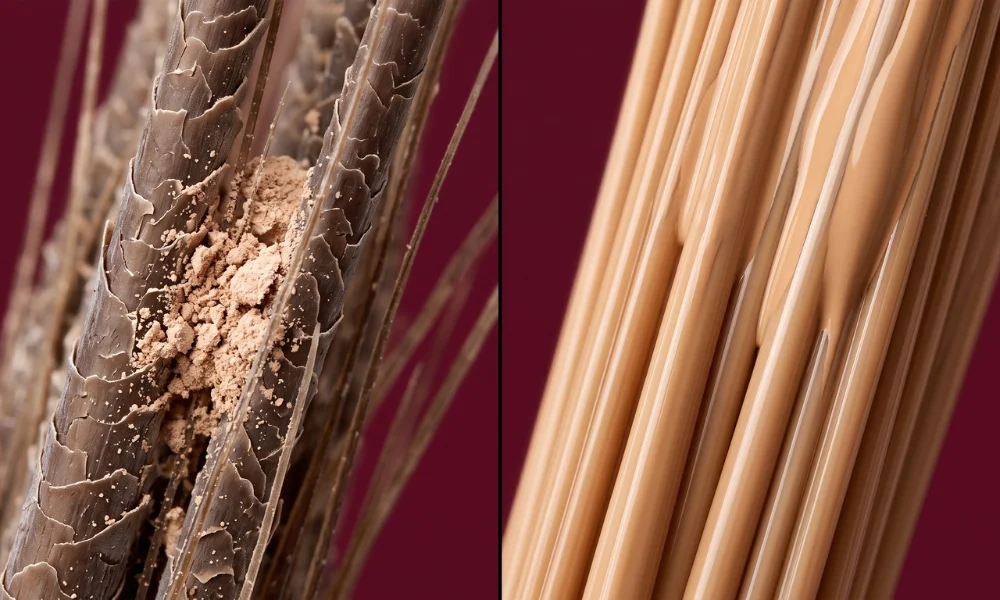
Modern synthetic vs natural makeup brushes performance has changed drastically. Old synthetic bristles were stiff and plastic, but today’s advanced vegan fibers mimic real hair structure perfectly. Natural hairs (like goat or squirrel) feature microscopic cuticles that grab powder beautifully, but they soak up liquids like a sponge and rot if wet. Synthetics lack these cuticles, so they work flawlessly with creams and liquids without drinking your makeup.
Which Bristles Work Best for Sensitive and Acne-Prone Skin?
Always choose synthetic makeup brushes for sensitive skin. Natural hairs hold onto dead skin cells, bacteria, and oils inside their cuticles, even after washing. Synthetic fibers feature smooth surfaces that dry fast and wash clean, so you face a much lower risk of breakouts or allergic reactions.
Synthetic vs Natural Makeup Brushes Comparison
| Feature | Synthetic | Natural |
| Vegan | Yes | No |
| Liquid Makeup | Excellent (zero absorption) | Poor (soaks up product and gets ruined) |
| Powder Makeup | Great (advanced fibers match hair performance) | Excellent (cuticles hold onto dry pigment) |
| Cleaning Ease | Very easy (dries fast, fibers hold up to soap) | Difficult (needs gentle soap, long drying time) |
| Durability | High (rarely sheds, retains shape for years) | Medium (brittles break, sheds over time) |
| Sensitive Skin | Ideal (hypoallergenic and highly hygienic) | Risky (can trap irritating bacteria easily) |
Affordable Makeup Brush Sets That Deliver Professional Results
Find out how to spot high-performing budget brush kits that mimic luxury tools without shedding or breaking apart.
Affordable Makeup Brush Sets Worth Buying Instead of Cheap Alternatives
You do not need to spend hundreds of dollars to get pro-level results. Excellent affordable makeup brush sets exist in the mid-tier market today. Avoid the ultra-cheap, anonymous online bundles that smell like factory glue, and pick established budget beauty brands that prioritize synthetic fiber tech.
Signs a Budget Brush Set Is Surprisingly High Quality
-
The ferrule (the metal band holding the hair) stays tightly attached to the handle without wiggling.
-
The bristles do not shed when you give them a firm, gentle tug.
-
The fiber tips feel silky and smooth against your inner wrist, not sharp or scratchy.
How to Clean Makeup Brushes Without Damaging the Bristles
Master the safe, step-by-step washing method to wash away bacteria and skin oils without destroying your favorite tools.
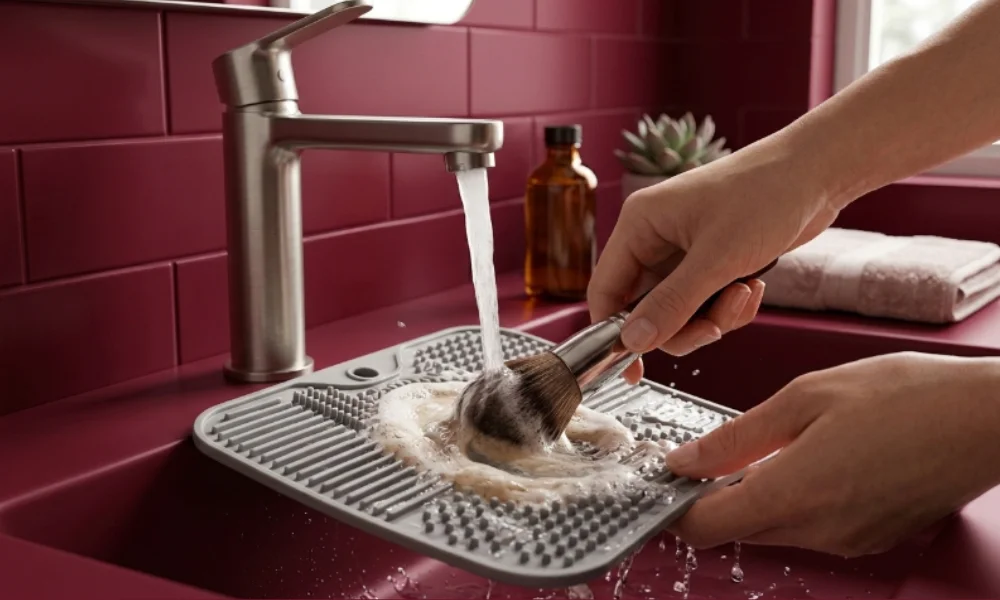
How to Clean Makeup Brushes Step by Step
Learning how to clean makeup brushes properly preserves your tools and keeps your skin clear.
-
Wet the bristles with lukewarm water, keeping the water away from the metal ferrule base.
-
Swirl the fibers in a gentle solid or liquid brush cleanser.
-
Massage the soap through the hairs against a textured silicone cleaning pad.
-
Rinse thoroughly until the water runs completely clear.
-
Squeeze out excess water with a towel, reshape the head, and lay it flat over the edge of a counter to dry.
Cleaning Mistakes That Shorten Brush Lifespan
Never submerge the entire brush under water, and never dry them standing straight up in a cup. Water seeps right into the ferrule, melts the internal glue, and causes the bristles to shed in clumps.
Recommended Makeup Brush Cleaning Schedule
| Brush Type | Cleaning Frequency | Drying Time |
| Foundation Brush | After 1–2 uses | 6 to 10 hours |
| Concealer Brush | After 1–2 uses | 4 to 6 hours |
| Powder Brush | Once a week | 12 to 18 hours |
| Blush Brush | Once a week | 8 to 12 hours |
| Eyeshadow Brush | Every few days | 4 to 6 hours |
| Lip Brush | After every use | 3 to 5 hours |
Makeup Brush Guide: Smart Buying Tips That Most Shoppers Overlook
Avoid common marketing traps by learning how to match specific brush bristles directly to your go-to makeup formulas.
Makeup Brush Guide for Matching Brushes to Different Makeup Formulas
This quick makeup brush guide ensures you get the right tool for your specific products. Thick, emollient formulas need short, firm, synthetic bristles to push the product into place. Thin, powdery cosmetics require long, flexible, airy bristles to dust the color across your skin without disturbing the underlying layers.
Five Signs You are Buying a Brush That Won’t Last
-
The brush feels incredibly light and hollow in your hand.
-
Bristles stick out at odd angles right out of the packaging.
-
The glue line is visible where the metal meets the wood or plastic.
-
The fiber tips feel stiff, like they were cut bluntly with scissors.
-
The handle uses cheap plastic that flexes when you apply minor pressure.
Conclusion
Choosing your makeup brushes comes down to matching the physical design of the tool to your favorite cosmetic products, unique skin type, and everyday routine. Do not buy massive, expensive sets just for the brand name. Invest in versatile, high-quality tools, wash them properly, and let them do the heavy lifting for you.
For more practical beauty and lifestyle content that helps you make smart, research-backed decisions, bookmark Daithpiercing before your next shopping trip.
Frequently Asked Questions .
How many makeup brushes do I actually need?
You only need four basic tools for a complete look: a face powder brush, a foundation tool, a cheek brush, and a classic eyeshadow blender.
Can expensive makeup brushes improve makeup application?
They can, but only if the shape and density match your product. An expensive brush with the wrong shape still ruins your blend.
How often should I replace makeup brushes?
High-quality synthetic brushes last three to five years with proper washing. Replace them when the ferrule becomes loose or the fibers permanently lose their shape.
Are synthetic brushes better for beginners?
Yes, they wash easily, resist shedding, cost less money, and handle liquid and powder formulas equally well.
What is the difference between a kabuki brush and a powder brush?
A kabuki brush features short, tightly packed bristles for buffing high-coverage product into the skin. A powder brush features long, loose, fluffy bristles for dusting light layers across your face.