
Your feed probably shows that red light therapy skincare is everywhere right now. Red LED masks are being sold as the secret to getting skin that is free of wrinkles and acne and looks like glass. But here’s the uncomfortable truth that most brands won’t tell you: the device is only part of the story. The other half is how you use it, and that’s where most people go wrong.
The truth is that it works, but only if you use it correctly. Red light therapy skincare uses certain wavelengths of red and near-infrared light to increase collagen production, reduce inflammation, and speed up the healing of cells. But results depend on sticking to a plan, putting things in the right order, and setting realistic deadlines, not hype.
What Is Red Light Therapy Skincare?
Photo biomodulation, or red light therapy skincare, is a non-invasive treatment that uses low-level red and near-infrared light. Unlike lasers or IPL, the light doesn’t hurt or heat up your skin.
Different wavelengths go to different depths. Red light between 630 and 660 nm hits the surface, while near-infrared light between 830 and 850 nm goes deeper into the dermis. Both of them get your cells’ mitochondria going, which are often called the body’s power plants. More energy in cells means more collagen production and healthier skin over time.
Proven Benefits of Red Light Therapy Skincare Backed by Research
Researchers have studied this therapy for decades, and findings are genuinely promising. While results depend on the device and user, the benefits below are consistently supported by available clinical data.
| Skin Concern | Estimated Improvement Timeline | Primary Wavelength |
|---|---|---|
| Fine lines and wrinkles | 8 to 12 weeks | 630 to 660 nm |
| Acne and breakouts | 4 to 8 weeks | 630 nm + blue light |
| Redness and rosacea | 2 to 6 weeks | 630 nm |
| Post-acne marks | 6 to 12 weeks | 660 nm |
| Skin firmness and collagen | 10 to 16 weeks | 830 to 850 nm |
| Wound healing and scars | 4 to 10 weeks | 660 to 850 nm |
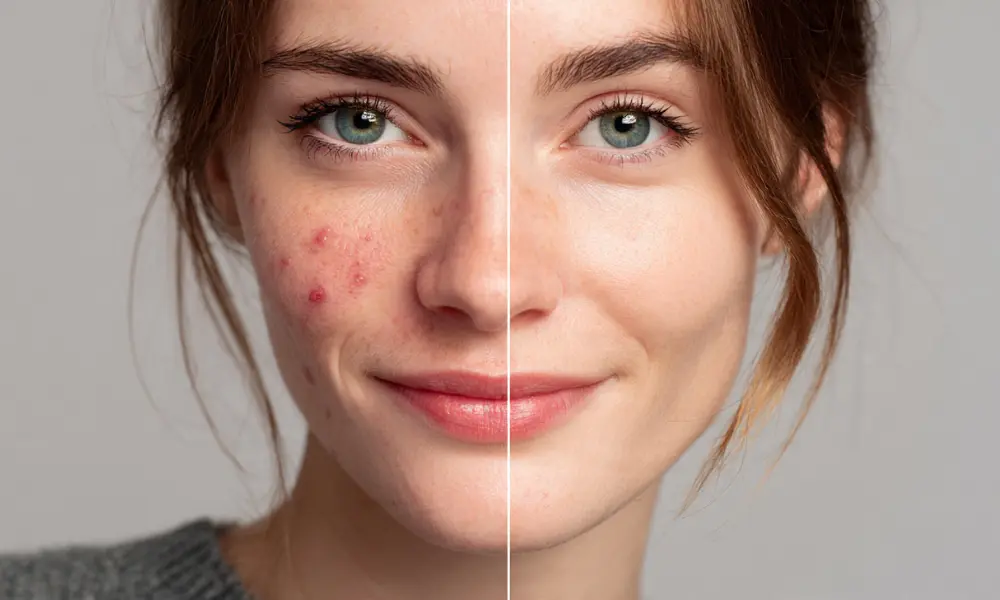
LED face mask benefits also include better tone, smoother texture, and reduced pore size. Although professional panels are stronger, FDA-cleared masks still show estimated improvements when used consistently.
When to Use Red Light Therapy Skincare in Your Routine
This is where most people slip up. The order of your skincare steps matters hugely when adding light therapy. Because products block light from reaching your skin, timing is everything.
The Right Order for Your Skin Routine
Always start with skin that is clean and bare. Before your session, wash your face, pat it dry, and skip any serums, creams, or SPF. Use your device for the recommended amount of time, which is usually 10 to 20 minutes. Then do your normal skin care routine. After therapy, your circulation is better, so hydrating serums and moisturizers actually soak in better.
Both morning and evening sessions work, but many people like nighttime better. Timing is important, but consistency is more important.
Red Light Therapy Skincare and Active Ingredients
You can use red light therapy skincare with most actives, but the order of the products changes. Retinol is safe, but you should use it after your session, not before. Vitamin C works well in the morning and can easily follow a red light session.
AHAs, BHAs, and chemical peels, on the other hand, should be used with care. If your skin is sensitive, don’t use strong exfoliants and therapy on the same day. Niacinamide, hyaluronic acid, and peptides, on the other hand, work well together and often make the glow even better.
What Results to Expect: A Realistic Timeline
This is not an overnight fix. Brands love to exaggerate speed, but real change happens gradually. Based on available research, here’s what most people notice with three to five sessions per week.
Week 1 to Week 4
Expect small changes in the first month. Skin often feels more moisturized and looks a little more even. After sessions, redness goes down faster, and some people see a light glow. But big changes in wrinkles or skin color don’t usually happen this early.
From Week 4 to Week 12
This is where you can see results. Fine lines become less noticeable, acne marks fade, and the skin feels better. The body makes more collagen, which makes the skin feel firmer. Also, problems related to inflammation usually get better.
Month 3 and Beyond
After twelve weeks, regular users tend to see the best results. When collagen remodeling happens, the skin looks firmer and fuller. Also, dark spots keep getting lighter, and the tone looks brighter. To keep making progress, keep going to your sessions regularly. If you stop completely, the benefits will go away.
How to Choose a Red Light Therapy Device
There are so many choices on the market that it can be hard to choose a device. Price is important, but specifications are even more important.
Find devices that have both red light (630 to 660 nm) and near-infrared light (830 to 850 nm). This dual range includes both surface and deeper issues. Also, check the irradiance, which tells you how much light energy gets to your skin. Good devices usually give off 30 to 100 mW/cm².
Another important sign is FDA 510(k) clearance. It doesn’t guarantee results, but it does show that the device meets safety standards. Finally, pick the format that works best for you. Masks fit the face, panels cover bigger areas, and wands hit specific spots.
Stay away from devices that don’t show wavelength numbers, skip irradiance specs, or make vague claims like clinically proven without proof.
Common Mistakes That Ruin Your Results
Most people who said red light therapy skincare didn’t work made one of these mistakes. Not doing them saves you months of wasted time.
First, don’t ever use the device on top of skin care products. Serums and creams keep light from getting through.
Second, more is not always better. Using your device for 30 minutes every day can give you worse results than using it for shorter periods a few times a week.
Third, distance is important. Most devices work best when they are 6 to 12 inches away from your skin. Masks, on the other hand, sit right on your face.
Fourth, if you skip SPF the next day, you will lose the progress you made because UV damage slows down collagen growth.
In the end, the biggest killer of results is not being consistent. If you only use your device twice a week and then don’t use it for a month, you’re wasting your money.
Who Should Avoid Red Light Therapy Skincare?
This therapy is safe for most people, but not for everyone. If you have lupus or another condition that makes you sensitive to light, don’t do it. Some medicines, like isotretinoin and some antibiotics, also make you more sensitive to light.
People with active melasma should also be careful because in some cases, visible light can make pigmentation worse. Because there isn’t much research on the subject, pregnant and breastfeeding women should talk to their doctor first. Finally, you should wait 48 to 72 hours after getting a microneedling or chemical peel before starting therapy again.
Why This Therapy Leads Today’s Skincare Tech Trends
People like anti-aging light therapy for a reason. It shows that people are changing the way they take care of their skin, using tools that are based on science instead of guesswork. Red light therapy is one of the most popular new skincare technologies right now because it doesn’t hurt, has been studied, and is cheap enough to use at home.
Brands now combine red light with microcurrent, vibration, or cooling features, which makes the technology easier to get than ever. But the main idea stays the same: light that is delivered consistently and correctly changes cells for real.
Final Thoughts
When used correctly, Red light therapy skincare really works. It won’t magically fix years of sun damage overnight. But if you stick to your sessions, put them in the right order, and have realistic goals, you can see real changes in tone, texture, and firmness.
Pick a device that the FDA has approved and has the right wavelengths. Use it on clean skin and stick with it for at least 12 weeks. Always use SPF afterward. You can find more guides on skincare tech, beauty tools, and wellness trends at Daith Piercing. There, you can learn about practical tips that really work. Real results come from small, steady habits, and that’s how glowing skin gets its shine.
Frequently Asked Questions
Does red light therapy skincare really work?
Yes, red light therapy skincare works when used consistently. Based on available clinical data, most users see visible improvements in wrinkles, tone, and acne between 8 and 12 weeks of regular sessions.
How often should I use red light therapy on my face?
Three to five sessions per week of 10 to 20 minutes each work best. Daily use is not necessary and can sometimes reduce results instead of improving them.
Can I use red light therapy with retinol and vitamin C?
Yes, red light therapy skincare pairs well with retinol and vitamin C. Apply these actives after your session, not before, because products block the light from reaching your skin.
What are the benefits of an LED face mask?
LED face mask benefits include reduced fine lines, fewer breakouts, calmer redness, and brighter tone. FDA-cleared masks deliver real results when used on clean, bare skin several times a week.
Is red light therapy safe for dark skin tones?
Yes, but start with shorter sessions. Darker skin can be more sensitive to visible light, so monitor for any unusual pigmentation and reduce frequency if needed.