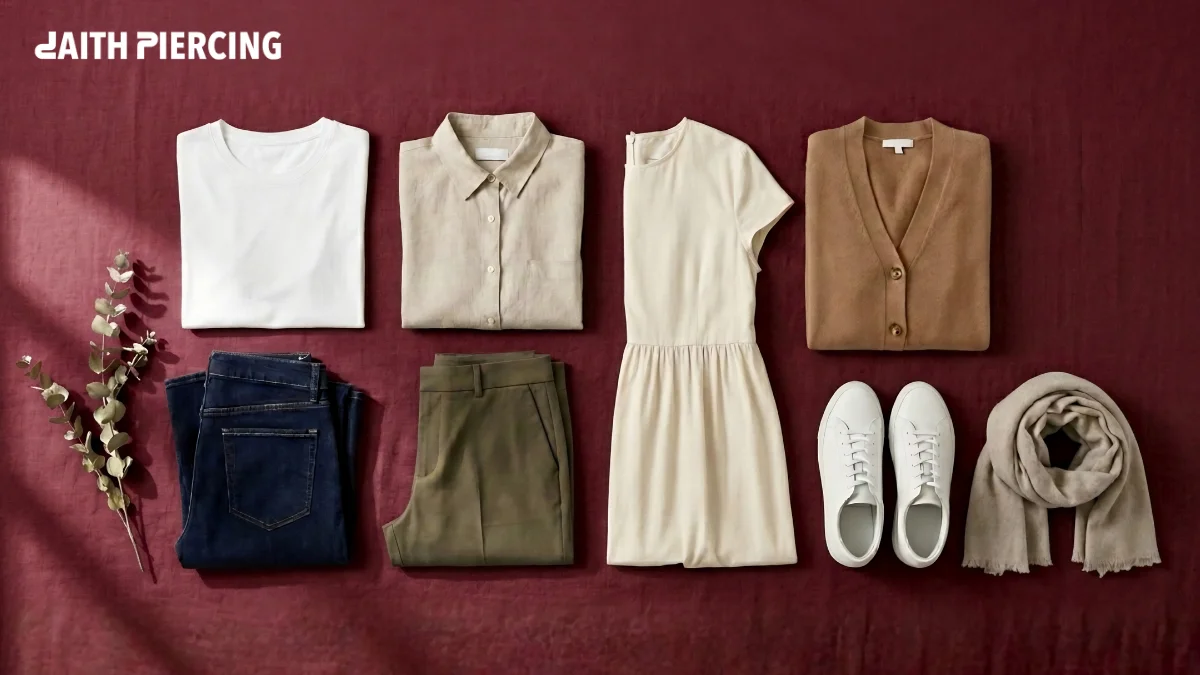
A sustainable capsule wardrobe changes everything. Forget about the mess in your closet. Forget about buying 50 things and only wearing 5. What if you could look great every day with just 10 well-chosen items? That’s not minimalism; that’s being free.
Women who are sick of fast fashion, sick of waste, and ready for clothes that really work are starting to choose sustainable capsule wardrobe designs as their go-to style for 2026. This guide tells you everything you need to know to get started.
What Is a Sustainable Capsule Wardrobe?
A sustainable capsule wardrobe includes elements of both minimalism and being eco-friendly. Rather than purchasing 50 inexpensive items that will break, you buy 10 to 20 high-quality clothing items that are produced using sustainable fabrics, such as GOTS-certified organic cotton, Tencel, or recycled materials.
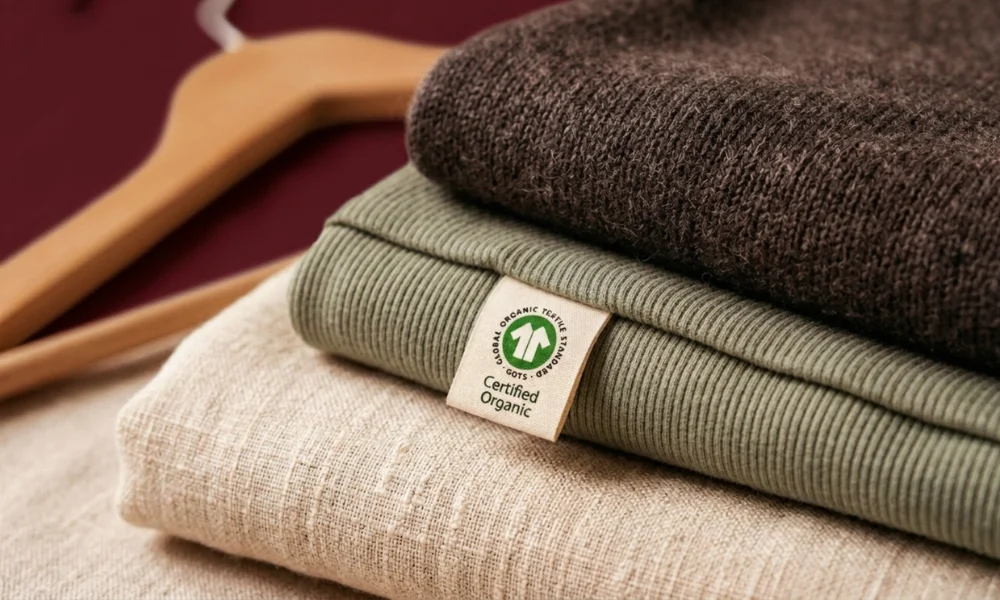
Objective: To create at least 30 different outfits by having a carefully thought-out wardrobe of just a few items. All your clothes complement each other, your fashion is consistent, and your expenses are significantly lower.
For the year 2026, minimalist clothing organization is not a trend anymore; it is becoming a norm for those ladies who value quality and sustainable fashion.
Why Build a Sustainable Capsule Wardrobe in 2026?
The facts are hard to ignore:
- The fashion industry produces 10% of global carbon emissions annually
- Americans throw away 81 pounds of clothing per person every year
- Fast-fashion pieces last an average of 6-8 months
- Ethical, quality pieces last 2-3 years or more
Building a sustainable capsule wardrobe means you’re:
- Reducing textile waste significantly
- Supporting fair labor practices
- Spending less money long-term
- Feeling confident in a wardrobe that actually works
The 10 Essential Pieces for Your 2026 Sustainable Capsule Wardrobe
Here is the complete breakdown:
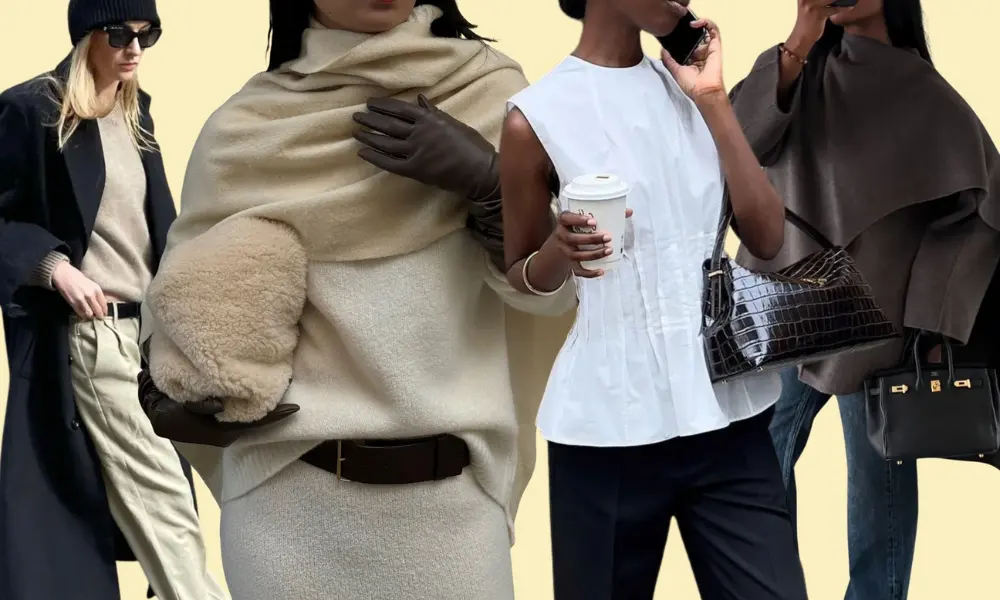
1. A High-Quality White T-Shirt
Why it’s crucial: A good white T-shirt is the building block of your sustainable capsule wardrobe. It can be worn with any bottom – jeans, skirts, blazers, cardigans. Choose organic cotton or a cotton-linen blend.
Things to consider: GOTS certification (Global Organic Textile Standard) or Oeko-Tex certification. This ensures that the clothing is made without chemicals and sustainably. Estimated price range: $25-50.
Recommended brands: Quince organic cotton T-shirts ($20-30) or MATE the Label ($48) for locally sourced and made T-shirts in the US.
Bonus: One well-crafted white T-shirt will last two to three years, whereas five poor-quality T-shirts may only last six months.
2. Well-Fitting Dark Jeans
Why it’s crucial: Dark jeans form the backbone of any wardrobe. They’re versatile enough for laid-back days, romantic dates, and even for work when paired with the correct top. Find a cut that fits you best.
Key things to know: Jeans made from organic cotton or recycled materials. Some great options include Reformation, Everlane, and Patagonia. Estimated price: $80-$150.
Wear tip: Always wash your jeans in cold water and air dry them instead of using the dryer. Doing so will make them last at least 100 wears.
Style tip: Dark jeans + white t-shirt + blazer = instant professional outfit.
3. A Linen Button-Down Shirt
Why it matters: Linen is airy, long-lasting, and becomes increasingly soft with each wash. A button-down can be worn in infinite ways over your head as a top, layered, tied at your waist, or simply thrown over a dress.
What to buy: Pure linen or a blend of linen and cotton. Encircled and Kotn both make sustainable button-downs that come in larger sizes. Approximate price range: $60-$100.
How to wear it: Linen button-down + tailored pants + loafers (weekday outfit), or pair it with a slip dress for an effortless weekend look.
4. Tailored Neutral Trousers
Why it’s important: Well-made trousers can transform your wardrobe. Unlike jeans, they can be worn in job interviews, at dinner parties, and even professionally. Stick to black, navy, or olive.
What to consider: Sustainable materials like organic cotton or a breathable mix. Try Everlane or ADAY’s sustainable trousers available in various sizes. Estimated price: $70-$120.
Proper fit is crucial: Tailoring will cost $20-$40, but it will increase the number of times you can wear the item from 100 to 250+.
5. A Versatile Midi Dress
Why it is so important: A great dress works for different events work, a casual brunch, and even the evening. A midi length will suit you all year round, as well as most body shapes.
Things to consider: Wrap or A-line dresses made from organic cotton, linen, or Tencel. Both Sézane and MagicLinen have great sustainable alternatives. Approximate price: $100-180.
Wear your way: Combine with a t-shirt on cooler days, wear a cardigan, or pair it with a blazer. One dress, infinite possibilities.
6. A Neutral Cardigan or Lightweight Sweater
Why it’s important: The addition of a cardigan or sweater can go from March until November, providing warmth without bulkiness. It elevates basic looks (T-shirt and jeans) to something more sophisticated.
The best picks: Opt for organic cotton, merino wool, or cashmere blends. The quality is paramount here since you will use this piece at least 100 times a year. Brands such as Naadam (sustainable cashmere, $95) and Numi (silk-knit clothing, $60-$100) should fit your needs.
Bonus: Cashmere and merino wool are naturally long-lasting fabrics that can be worn several times between washes.
7. A Structured Blazer
Why it’s essential: A blazer transforms casual pieces into polished outfits. It’s essential for work, meetings, and dressier occasions. Choose a neutral color (black, navy, or camel) that matches your jeans and trousers.
What to look for: Ethical brands like Encircled, Able, or ADAY. Look for GOTS-certified or recycled fabrics. Estimated cost: $120-200.
Wear it constantly: A good blazer gets worn 80+ times per year when you build outfits strategically.
8. Comfortable Everyday Sneakers
Why it is crucial: Every day doesn’t need to involve heels or flats. An eco-friendly shoe that can be worn with jeans, dresses, and slacks. Search for shoes that are timeless and minimalist, rather than something faddish.
What to look for: Choose from Veja (certified fair-trade, manufactured in Brazil, $110-$130), Allbirds (carbon neutral, $80-$100), or Patagonia Footwear (using recycled materials, $100). Estimated price: $80-$130.
Sustainability factor: Ethical sneakers can last 2 to 3 years, while fast fashion sneakers will last 6 to
9. A Simple Slip or Slide Sandal
Why it’s essential: For warm weather, a slip-on sandal is practical and works with everything from jeans to dresses. Choose a timeless style over trendy designs.
What to look for: Leather alternatives (recycled or vegan materials) or ethically sourced leather. Nisolo and Veja offer sustainable sandals. Estimated cost: $60-120.
Longevity: A quality sandal lasts multiple summers if cared for properly.
10. A Neutral Scarf or Lightweight Layer
Why it is important: The scarf makes an interesting accent, serves as an extra layer, and can be styled in different ways. It is the easiest accessory to make any basic look unique.
Features to consider: Scarfs made out of linen, organic cotton, or silk by ethical companies. Silk Laundry sells pretty eco-friendly scarfs in the range of $80-$150. Budget: $40-$100.
Styling options: Wear it around your neck, tie it around your waist, wear it as a shoulder wrap, or tie it around your head.
Price and Material Comparison Table
| Essential Piece | Sustainable Material | Estimated Price | Durability (Years) | Best Brands |
|---|---|---|---|---|
| White T-Shirt | GOTS Organic Cotton | $25-50 | 2-3 | Quince, MATE |
| Dark Jeans | Recycled Denim | $80-150 | 2-3 | Reformation, Everlane |
| Linen Button-Down | 100% Linen | $60-100 | 3-4 | Encircled, Kotn |
| Tailored Trousers | Organic Cotton | $70-120 | 2-3 | ADAY, Everlane |
| Midi Dress | Tencel/Linen | $100-180 | 2-3 | Sézane, MagicLinen |
| Cardigan | Merino Wool/Cashmere | $60-100 | 4-5 | Naadam, Numi |
| Blazer | Organic/Recycled | $120-200 | 3-4 | Encircled, Able |
| Sneakers | Recycled/Fair-Trade | $80-130 | 2-3 | Veja, Allbirds |
| Sandal | Vegan Leather | $60-120 | 2-3 | Nisolo, Veja |
| Scarf | Organic Cotton/Silk | $40-100 | 5+ | Silk Laundry |
| TOTAL INVESTMENT | — | $735-1,350 | — | — |
Building Your 2026 Sustainable Capsule Wardrobe: A Step-by-Step Guide
Step 1: Select Colors
Choose 2-3 neutral colors (black, navy, beige, olive), and 1-2 colors you consider as accents (burgundy, mustard, forest green). Each of the 10 pieces needs to coordinate with the selected colors.
Step 2: Start With What You Have
Before purchasing clothes, analyze your wardrobe and choose those items that coordinate with your color palette and that you wear on a regular basis. There is a high chance you already have 3-5 such pieces.
Step 3: Start Buying One Item at a Time
Do not buy all the 10 clothes at once. Begin with 3-5 essentials (white shirt, jeans, trousers) and add one item per month when your budget allows it.
Step 4: Purchase Only High-Quality Clothes
A $50 clothing item that can be used 150 times costs $0.33 per use. In case an item costs $15, but can only be worn 30 times, it costs $0.50 per use. It is obvious higher quality means lower prices.
Step 5: Take Care of the Pieces
Use cold water, air drying, fix any defects as soon as you notice them (repair loose thread or small hole), and put the clothing away correctly. Correct maintenance ensures extra 2-3 years of use.
CONCLUSION
A sustainable capsule wardrobe isn’t about deprivation it’s about intention. By investing in 10 quality, ethical essentials, you’re building a foundation for a lifetime of effortless style.
The shift toward minimalist closet design and eco-friendly fashion USA is real. Women are tired of fast fashion, tired of wardrobes that don’t work, and ready for pieces they genuinely love and can wear repeatedly. Just like how daithpiercing.io has built a community around quality, intentional body modifications that last, the sustainable capsule wardrobe movement is built on the same principle: choose what matters, invest in quality, and commit to longevity.
Frequently Asked Questions
What is the best sustainable capsule wardrobe for beginners?
Start with 5 core pieces: white t-shirt, dark jeans, neutral trousers, cardigan, and one dress. These create 15+ outfits. Brands like Quince, Everlane, and MATE the Label offer beginner-friendly prices ($20-100 per piece). Add 5 more pieces over 6 months as your budget allows.
How do I know if a brand is actually sustainable?
Look for GOTS-certified (organic cotton), Oeko-Tex certified (no toxic dyes), B-Corp certified (high social/environmental standards), and Fair Trade certified (fair wages). Everlane, Patagonia, and Encircled publish transparency reports that’s the standard you should expect from any ethical brand.
Can I build a sustainable capsule wardrobe on a budget under $500?
Yes. Shop Quince ($20-30 tees), Everlane ($35-60 basics), and buy secondhand from Poshmark or ThredUp. Budget breakdown: Tees ($50) + Jeans ($80) + Trousers ($60) + Dress ($80) + Cardigan ($60) + Sneakers ($80) = $410 for 6 core pieces. This approach keeps costs manageable while building a functional wardrobe.
How long does a sustainable capsule wardrobe actually last?
A sustainable capsule wardrobe lasts much longer than fast fashion. Organic cotton pieces last 2-3 years, linen lasts 3-4 years, merino wool or cashmere lasts 4-5 years, and recycled denim lasts 2-3 years. A $100 ethical piece worn 200 times costs $0.50 per wear, while a $15 fast-fashion piece worn 30 times costs the same but you need 6-7 of them yearly.
What is the difference between a minimalist closet and a sustainable capsule wardrobe?
A minimalist closet focuses on owning fewer items to reduce decision fatigue. A sustainable capsule wardrobe combines fewer items with ethical, eco-conscious, durable pieces. All sustainable capsule wardrobes are minimalist, but not all minimalist closets are sustainable. A sustainable capsule wardrobe is the best of both worlds quality, ethical, and lower environmental impact.