Finding the best mascara is less about picking the most expensive tube and more about knowing what you want your lashes to look like. Some mascaras make lashes look longer, some build noticeable fullness, while others focus on separating every lash for a cleaner, more natural finish.
That difference matters because a formula that works beautifully for short lashes may feel too heavy on already-long lashes. The wand matters too. A narrow brush can reach tiny lashes, while a fuller brush can deposit more product and create extra volume.
Current 2026 beauty coverage continues to show how varied mascara formulas have become. Vogue’s latest mascara guide, for example, separates products by goals such as volume, length, precision and subtle definition rather than treating every mascara as interchangeable.
So instead of chasing one magical tube, let’s look at what actually makes a mascara useful and how to choose one that fits your lashes.
Key Takeaways
- Choose a volumizing mascara when fullness is your main goal.
- Choose a lengthening mascara when you want lashes to appear longer and more extended.
- Pick a defining mascara when separation and a clean finish matter most.
- A lightweight or tubing formula can work well for everyday makeup.
- The wand can be just as important as the formula.
- Waterproof mascara is useful for moisture resistance but can be harder to remove.
- Brown mascara offers a softer alternative to traditional black.
- Replace old or dried mascara and never share eye makeup.
- If a mascara irritates your eyes, stop using it.
What Makes the Best Mascara Different?
The best mascara should match the result you want, not simply promise dramatic lashes on the packaging. A good formula coats the lashes evenly, adds the desired effect and stays reasonably comfortable during wear. The brush should also make application easier instead of leaving you fighting clumps or missing the smaller lashes around the corners.
Good Housekeeping’s Beauty Lab tested 97 mascaras in its 2026 testing and evaluated products across different lash needs. Its testing also highlights a common problem: some formulas that promise length, fullness or lift can still leave behind clumps, smudges or lashes that lose their shape.
That is why your lash type and your preferred finish are worth considering before buying.
Which Mascara Is Best for Your Lash Goal?
Best Mascara for Volume
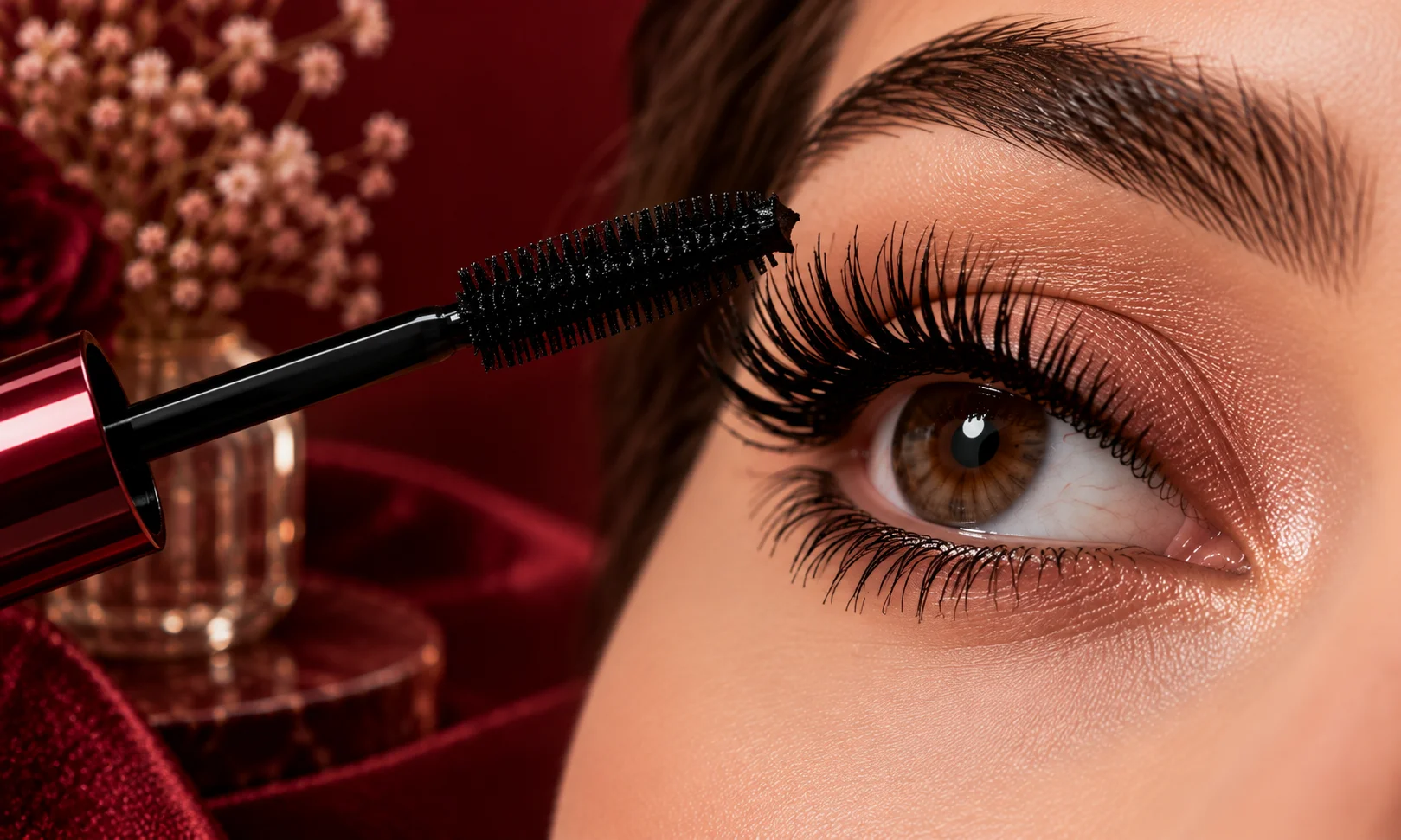
If your lashes look thin and you want them to appear fuller, look for a volumizing mascara. These formulas are generally designed to make lashes look denser by depositing more product around the lash. Fuller or hourglass-shaped brushes can also help coat several lashes at once.
Chanel Le Volume de Chanel, for example, is highlighted by Vogue for building fullness and intense pigment, while its formula uses waxes and film-forming ingredients to help create a thicker-looking effect.
The trade-off is simple: more product can also mean more clumping. Start with one controlled coat and add another only where you actually need it.
Best Mascara for Length
For short or less noticeable lashes, a lengthening mascara can make a bigger visual difference. Lengthening formulas generally focus on extending the appearance of individual lashes rather than making them look much thicker. Vogue describes them as lighter formulas that often use brushes designed to separate and elongate lashes.
A narrow brush with small bristles can be especially useful here because it can grab shorter lashes and reach the inner and outer corners.
Maybelline Lash Sensational Sky High is one example currently highlighted by Vogue for combining length and volume through a thin, flexible brush.
Best Mascara for Definition
Sometimes you don’t want huge lashes. You just want every lash to look visible, separated and neat. That is where a defining mascara makes sense.
Look for a slim brush, fine bristles, or a comb-style applicator. These designs can help separate lashes and reduce the heavy, stuck-together appearance that sometimes happens with richer formulas.
A defining mascara is also a useful choice for an everyday makeup routine because it can make the eyes look more polished without creating an obvious false-lash effect.
Best Everyday Mascara
An everyday mascara needs to be easy to apply, comfortable and reasonably easy to remove.
You may not need maximum volume for a university day, office routine or casual outing. A buildable formula can be more practical because you can use one coat for a soft look and add another when you want more impact.
Current mascara coverage also shows growing interest in lightweight and tubing formulas that give definition without feeling heavy. Vogue’s 2026 coverage, for example, highlights Merit Clean Volume Mascara as a subtle option rather than a dramatic-volume formula.
How Does the Mascara Wand Change the Result?
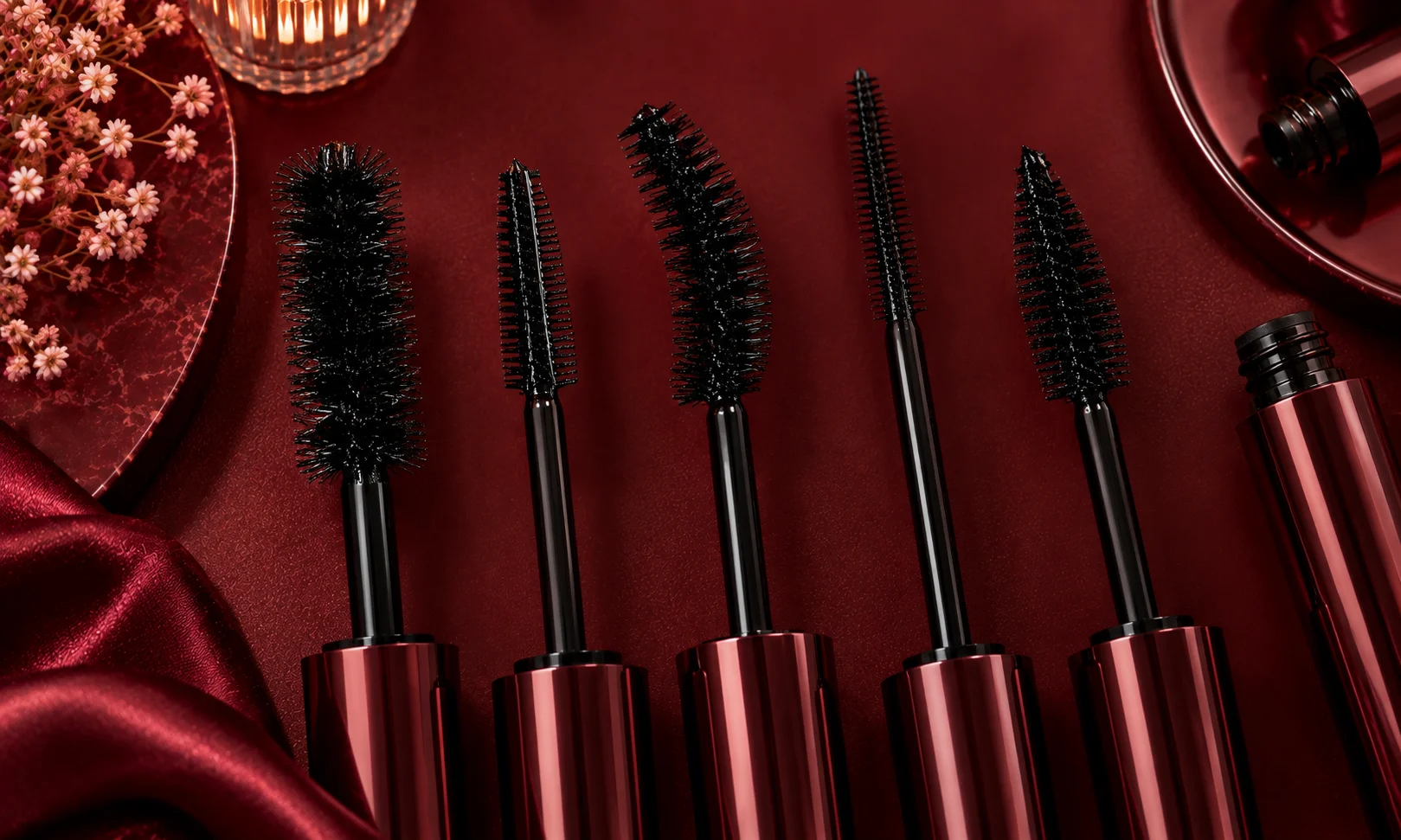
The formula gets most of the attention, but the wand can completely change how mascara looks.
A large, dense brush can pick up plenty of product and is useful when you want fullness. A slim brush gives you more control and can reach small lashes. Curved brushes can help with lift, while comb-like or spiked designs are useful when separation is your priority.
Makeup artists quoted by Vogue also point to brush shape and small bristles as important factors for grabbing, separating and defining lashes. Think of it like using a hairbrush. The product matters, but the tool determines how easily you can distribute it.
What Should You Look for in a Mascara Formula?
Before buying the best mascara, check what the formula is designed to do.
| Lash Goal | What to Look For | Possible Trade-Off |
|---|---|---|
| More volume | Fuller brush, buildable formula | Can clump if overapplied |
| More length | Slim brush, lightweight formula | May give less fullness |
| More definition | Fine bristles or comb-style wand | Less dramatic volume |
| Natural everyday look | Lightweight or tubing formula | Softer overall effect |
| Humid or wet conditions | Water-resistant or waterproof formula | Usually harder to remove |
Waterproof mascara can be useful when you need extra resistance to moisture, but it is not automatically the right choice for everyday use. Your preference should depend on your environment and how easily you want to remove your makeup.
Brown mascara is another option if black feels too intense. It can give a softer appearance while still adding visible definition.
How Can You Apply Mascara Without Clumps?
Start with clean lashes and remove excess product from the wand before applying. Too much mascara on the brush is one of the easiest ways to create unnecessary clumps.
Place the wand near the roots and gently move it toward the tips. For extra separation, use the tip of the brush on smaller lashes rather than repeatedly coating the whole lash line.
If you want more volume, let the first coat settle slightly before adding another. Avoid piling on coat after coat once the formula has started drying because that can make the lashes look stiff and stuck together.
For lower lashes, a smaller or more precise wand can make application easier and reduce the chance of touching the skin underneath the eyes.
Is Tubing Mascara Worth Trying?
Tubing mascara has become a popular alternative to traditional formulas.
Instead of simply coating lashes with pigment, tubing formulas form flexible film-like tubes around individual lashes. They are often known for easy removal with warm water and gentle pressure, although the exact performance depends on the product.
Vogue’s 2026 mascara coverage includes tubing formulas among its current recommendations, showing how the category has moved beyond being a niche option.
They can be particularly appealing if you dislike heavy eye makeup or struggle with traditional mascara smudging. Still, they may not give the same dramatic fullness as a rich volumizing mascara.
How Do You Choose Mascara for Sensitive Eyes?
If your eyes are sensitive, start by checking the product label and looking for formulas that have been tested for eye use. Some products are also specifically tested by ophthalmologists, which can be useful information when comparing options.
Do not assume that a product is suitable simply because it is marketed as gentle. Your own reaction matters.
The FDA advises stopping use if an eye cosmetic causes irritation and avoiding eye cosmetics when you have an eye infection or inflamed skin around the eye. It also recommends not sharing eye cosmetics and replacing old mascara rather than trying to revive it with water or saliva.
What Mascara Mistakes Should You Avoid?
A good mascara can still look disappointing when it is used incorrectly.
One common mistake is choosing a very heavy volumizing mascara when the real problem is short or sparse-looking lashes. Another is applying too many coats because the first coat did not create enough length.
Using an old or dried-out tube is another issue. The FDA says manufacturers generally recommend discarding mascara after a limited period, and its consumer guidance specifically says not to add water or saliva to dried mascara.
Also, never share mascara. The eye area is sensitive, and contaminated eye cosmetics can create an infection risk.
What Are the Current Mascara Trends in 2026?
Mascara is moving in more than one direction at once.
Some people still want bold, dense lashes, while others prefer lightweight formulas that create separation and a softer finish. Brown shades, tubing formulas and precise brushes are also getting more attention alongside traditional dramatic black mascaras.
Allure’s 2026 Best of Beauty testing included mascara categories for different performance goals, with its eye-makeup winners covering volume, curling, lengthening and tubing formulas. The awards were based on six months of testing across hundreds of beauty products.
That variety is useful because there is no single lash look that works for everyone.
For readers of daithpiercing, the same idea applies to beauty products generally: the right choice is usually the one that fits your routine rather than the one with the loudest marketing claim.
Source Note
This guide is based on current 2026 beauty testing and editorial coverage from sources including Vogue, Allure and Good Housekeeping, alongside eye-cosmetic safety guidance from the U.S. Food and Drug Administration. Product performance can vary with lash type, application technique, climate and personal preference.
Frequently Asked Questions
What is the best mascara for length and volume?
A buildable formula that combines a flexible, separating brush with a formula designed for both extension and fullness can work well. Current 2026 guides include products such as Maybelline Lash Sensational Sky High among formulas aimed at both length and volume.
Is volumizing mascara better than lengthening mascara?
Neither is automatically better. Volumizing mascara focuses more on making lashes look fuller, while lengthening mascara focuses on making individual lashes appear longer. Your choice depends on the effect you want.
How often should you replace mascara?
Follow the manufacturer’s replacement guidance. The FDA advises consumers not to use old mascara and notes that manufacturers commonly recommend replacement after a few months.
Is waterproof mascara better for everyday use?
Not necessarily. Waterproof formulas can be useful around water, humidity or tears, but they can require more effort to remove. For everyday wear, a regular or water-resistant formula may be more convenient.
Can mascara make eyelashes look longer?
Yes, mascara can make lashes appear longer by coating and extending their visible ends. It does not permanently increase the biological length of your eyelashes.
Should you curl lashes before mascara?
Usually, yes. Curling clean lashes before applying mascara can help create a more lifted appearance. Avoid aggressively curling lashes after mascara has dried because the product can make them stiff.
Disclaimer
This article is for general beauty and informational purposes. Mascara performance varies between individuals, and people with eye conditions or persistent irritation should seek advice from an appropriate healthcare professional.