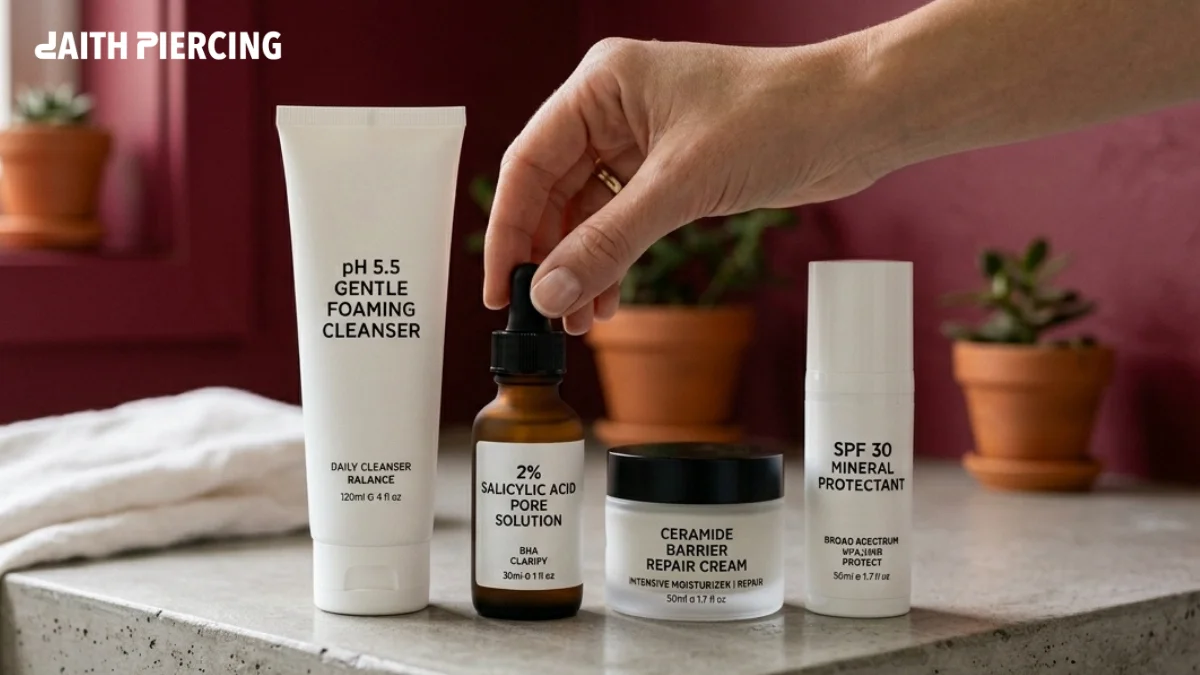
The best skincare routine for acne prone skin pairs active treatments with barrier-repairing hydration. The optimal morning sequence requires a gentle wash, a targeted salicylic acid routine to clear sebum, a non comedogenic moisturizer, and a mineral SPF. The night protocol involves a double cleanse, a benzoyl peroxide routine to kill bacteria, and a ceramide cream. This consistent home regimen requires 6 to 8 weeks to show visible results.
Finding the best skincare routine for acne prone skin requires balancing clinical actives with deep barrier protection, not stripping the skin with harsh acids. To stop the cycle of painful breakouts, the research team at daithpiercing has analyzed the latest dermatological science to bring you a simple, daily framework that targets acne at its biological source without causing irritation.
How to Structure Your Skincare Routine for Acne Prone Skin at Home
The physical structure of your routine matters just as much as the ingredients you choose. Applying products in the wrong sequence can render expensive active ingredients useless or cause severe irritation.
When practicing a skincare routine for acne prone skin at home, the foundational rule of product layering is simple: apply formulas from the thinnest, water-based molecular weight up to the thickest, oil-in-water emulsions.
Water-based serums move through the skin layers quickly, while heavy creams seal the surface. If you apply a thick moisturizer before a light treatment serum, the active ingredients in the serum cannot penetrate the dense barrier. This leaves your treatment sitting on top of the skin where it cannot work, which ruins your skincare order of application acne map.
The Morning Skincare Acne Protocol: Protect and Prevent
A proper morning skincare acne routine focuses on two main goals: controlling excess oil production throughout the day and shielding the skin from environmental stressors. UV radiation makes acne inflammation worse and turns temporary red blemishes into permanent dark spots.
-
Cleanse: Wash with a gentle, non-stripping foaming gel to remove the oils your skin produced overnight.
-
Target: Apply a lightweight serum or a protective antioxidant to keep pores clear and stable.
-
Hydrate: Layer on a weightless, non comedogenic moisturizer to lock in hydration without adding heavy lipids.
-
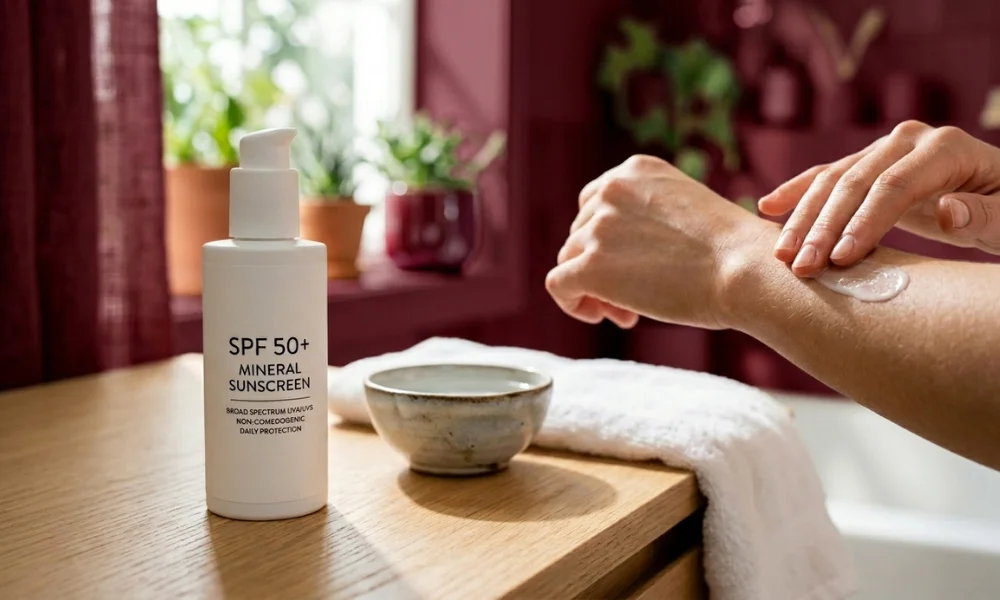
Protect: Finish with a broad-spectrum mineral sunscreen of SPF 30 or higher to shield delicate, healing skin.
The Night Routine Acne Skin Protocol: Correct and Repair
Your skin naturally repairs itself while you sleep, making the evening the perfect time to use powerful cell-renewing treatments. Your night routine acne skin protocol focuses on clearing out clogged pores and accelerating cellular turnover.
-
First Cleanse: Use a gentle micellar water to dissolve daytime sunscreen, excess oil, and surface pollution.
-
Second Cleanse: Follow with your main water-based cleanser to thoroughly clean the actual skin surface.
-
Treat: Apply your targeted retinoid or specialized acne treatment to address breakouts at their source.
-
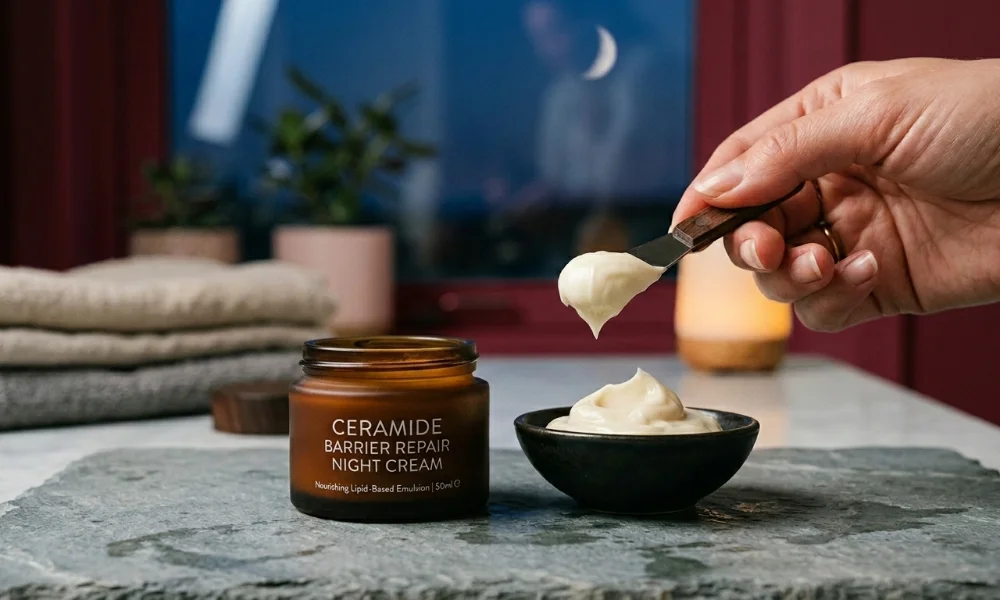
Recover: Apply a nourishing moisturizer packed with ceramides to rebuild the skin barrier and prevent irritation.
The Core Active Protocols: Salicylic Acid Routine vs. Benzoyl Peroxide Routine
You cannot treat all acne breakouts exactly the same way because different types of blemishes stem from different biological causes. Comedonal acne consists of non-inflammatory blackheads and whiteheads caused by trapped oil and dead skin cells. Inflammatory acne consists of painful red bumps, pustules, and deep cysts caused by bacterial overgrowth.
To clear your skin efficiently, you must match your active ingredient to your specific type of breakout. Mixing too many conflicting ingredients at the same time can cause raw, peeling skin, so it is best to choose one primary clinical protocol.
Formulating Your Salicylic Acid Routine for Comedonal Acne
Salicylic acid is an oil-soluble beta-hydroxy acid (BHA). Most acids only slide over the skin surface, but salicylic acid can bypass surface moisture to mix directly with skin lipids. This unique trait lets it dive deep inside the lining of your pores to dissolve the sticky oil and dead cells that form plugs.
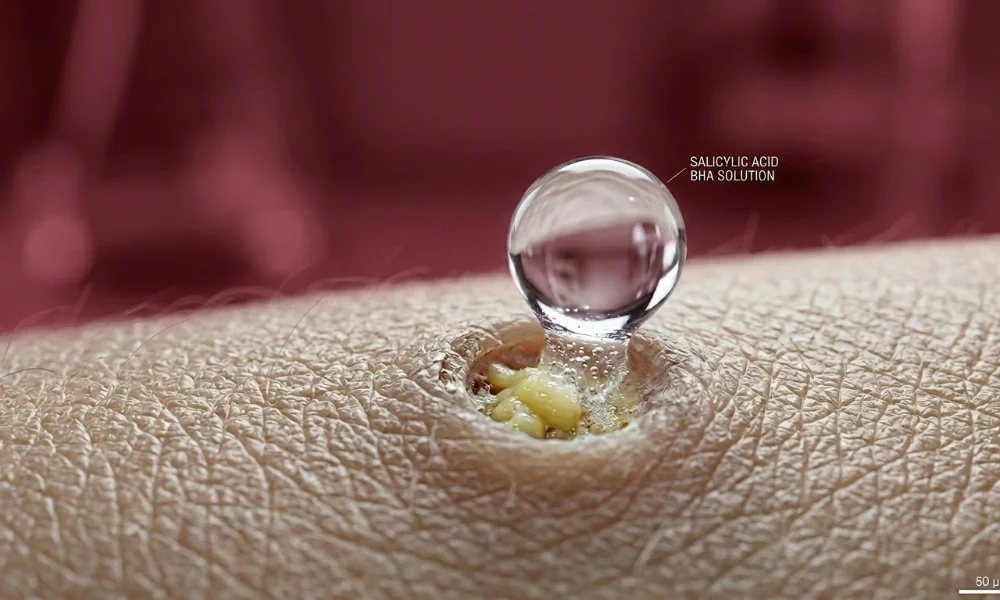
A regular salicylic acid routine keeps pores clear, stops blackheads from forming, and reduces overall shininess. It works beautifully for oily skin types dealing with rough texture and bumpy surfaces.
Formulating Your Benzoyl Peroxide Routine for Inflammatory Breakouts
Benzoyl peroxide targets inflammatory acne by directly attacking bacteria. It travels deep into the pore and releases oxygen, creating an environment where anaerobic bacteria cannot live. A dedicated benzoyl peroxide routine quickly drops swelling, redness, and the size of painful blemishes.
Unlike prescription antibiotics, bacteria cannot become resistant to benzoyl peroxide. This makes it an incredibly reliable, long-term tool for managing deep, painful breakouts.
Clinical Ingredient Comparison
| Clinical Parameter | Salicylic Acid Protocol | Benzoyl Peroxide Protocol |
| Primary Target Lesion | Open & closed comedones (Blackheads/Whiteheads) | Inflammatory papules, pustules, and cysts |
| Primary Mechanism | Keratolytic action; liquefies pore-clogging sebum | Oxidizing agent; eliminates anaerobic bacteria |
| Optimal Concentration | 0.5% to 2.0% | 2.5% to 5.0% (Minimizes irritation) |
| Incompatible Layering | Direct Vitamin C (Ascorbic Acid) | Prescription Retinoids (Unless specially encapsulated) |
Tailoring the Best Skincare Routine for Acne Prone Skin for Specific Skin Sub-Types
A generic, one-size-fits-all approach to skincare rarely yields great results because daily habits and genetics change how our skin behaves. Different age groups and skin types face unique challenges that require specific adjustments to their skincare routine for acne prone skin.
Managing a Skincare Routine for Acne Prone Skin Teenager Edition
Teenage skin undergoes intense hormonal shifts that cause the sebaceous glands to produce excessive amounts of thick oil. This flood of sebum quickly fills the pores and leads to sudden, widespread breakouts.
-
Keep the skincare routine for acne prone skin teenager edition simple to ensure consistency every morning and night.
-
Avoid using aggressive, scratchy physical scrubs that tear open active blemishes and spread bacteria.
-
Incorporate a gentle salicylic acid wash to safely clear away daily oil buildup.
-
Keep your hands away from your face and never pop blemishes, as this leads to permanent scarring.
Formulating a Gentle Skin Care Routine for Acne-Prone Sensitive Skin
Some individuals experience frequent breakouts but also suffer from a naturally weak skin barrier, leading to immediate redness, stinging, and peeling. If your skin is highly sensitive, you must prioritize a skin care routine for acne-prone sensitive skin that focuses on calming ingredients over aggressive acids.
-
Choose creamy, non-foaming cleansers that clean the skin without stripping away essential lipids.
-
Look for soothing botanical ingredients like centella asiatica, allantoin, and green tea extract.
-
Use low-strength active treatments to minimize skin stress and redness.
-
Apply your moisturizer first to create a protective buffer before layering on any active spot treatments.
Designing an Affordable Skin Care Routine for Acne-Prone Skin
An effective acne routine does not require luxury brands or expensive bottles. Many budget-friendly drugstore options use the exact same clinically tested active ingredients as high-end cosmetics.
-
Look for basic formulas that skip expensive fragrances and complex packaging to build an affordable skin care routine for acne-prone skin.
-
Buy simple cleansers and moisturizers from reputable drugstore brands that focus on barrier health.
-
Invest your money into single-active serums where the active ingredient can do its job clearly.
-
Remember that consistency and correct product order matter far more than a high price tag.
Selecting the Best Products for Acne Prone Skin Without Clogging Pores
Learning to read product ingredient labels is the most important skill you can develop for your skin health. Many products feature attractive marketing terms like dermatologist approved or balances oil on the front label, but the actual ingredient list on the back tells the true story.
You want to look for the best products for acne prone skin, which means finding formulas explicitly created to be non-comedogenic so they do not contain heavy oils or thick waxes known to block pores. A high-quality, non comedogenic moisturizer must hydrate your skin by using water-binding humectants and skin-identical lipids instead of heavy, greasy oils that trigger breakouts.
Ingredient Verification and Comedogenicity Reference Guide
| Raw Ingredient Term | Comedogenic Rating (0-5 Scale) | Clinical Action on Acne-Prone Skin | Recommended Action |
| Isopropyl Myristate | 5 (Highly Comedogenic) | Thins formulas but causes immediate follicular blockage | Strict Avoidance |
| Niacinamide (Vitamin B3) | 0 (Non-Comedogenic) | Regulates oil production and calms redness | Highly Recommended |
| Sodium Lauryl Sulfate (SLS) | 4 (Irritant/Comedogenic) | Strips essential surface lipids and disrupts the skin barrier | Strict Avoidance |
| Ceramides (NP, AP, EOP) | 0 (Non-Comedogenic) | Repairs inter-cellular lipids to restore barrier health | Highly Recommended |
Conclusion: Achieving Long-Term Skin Health
Clearing acne permanently requires a steady, science-backed approach that supports the natural healing process of your skin. The research team at daithpiercing emphasizes that a minimalist, thoughtful regimen is the foundation your skin needs to heal. Establishing the best skincare routine for acne prone skin means sticking to a few key principles.
Choose non-comedogenic formulas, follow the correct order of application, protect your delicate skin from UV rays, and avoid picking at blemishes. Real change takes time, but consistent, gentle care will help your skin stay clear over the long term.
Frequently Asked Questions
How long does it take for a new acne routine to work?
A clinically validated skincare routine for acne prone skin requires 6 to 8 weeks of consistent daily use to show visible improvements. This timeframe matches the natural rate of cellular turnover. If breakouts temporarily worsen during the first two weeks, your skin is simply purging underlying clogs, a process that stabilizes as renewal continues.
Can a moisturizer cause more acne?
Yes, using a heavy, oil-based cream can cause breakouts by trapping dead cells and bacteria inside your pores. To prevent this, you must always choose a certified non comedogenic moisturizer that provides oil-free hydration. Look for ingredients like hyaluronic acid and glycerin, which hydrate the skin without building up inside the pore lining.
How do you clear up acne skin fast?
To clear active blemishes quickly, combine a targeted salicylic acid routine with spot treatments to dry out active pimples. Avoid the temptation to pick or squeeze active lesions, as this pushes the bacteria deeper into the skin and causes permanent scars. Consistency with your morning and evening applications is the fastest way to achieve long-term, clear results.
Is it better to wash acne skin with hot or cold water?
It is best to wash your face with lukewarm water. Water that is too hot strips away the natural lipid barrier and causes severe dryness, which forces your skin to produce even more oil to compensate. Cold water does not effectively dissolve the daily buildup of oils and impurities. A gentle, lukewarm wash keeps the barrier safe while ensuring your cleanser can lift away trapped debris.
Should I skip moisturizer if I have oily acne skin?
Skipping your moisturizer is a common mistake that actually makes oily skin worse. When you skip hydration, your skin becomes surface-dehydrated and tries to protect itself by producing an excess amount of heavy sebum. Using a lightweight, oil-free gel ensures your skin stays perfectly balanced, calm, and less prone to sudden breakouts.