
Choosing the best facial cleansers means prioritizing your skin barrier over harsh, stripping formulas. Oily skin thrives with a salicylic acid wash, while dry skin needs a hydrating ceramide cleanser. Sensitive types require a gentle face wash free of sulfates. Modern routines favor the double cleansing method to remove sunscreen without irritation.
Finding the best facial cleansers is far more important than simply following viral skincare trends. Your choice directly impacts acne, dryness, irritation, skin barrier health, and your long-term results. The team at DaithPiercing believes healthy skin starts with a great daily routine and the best facial cleansers for your specific needs. Choosing a formula that respects your skin chemistry prevents long-term dryness and chronic inflammation.
Key Takeaways
-
Match by Skin Type: Always select your formulas based on your specific skin type rather than generic brand popularity.
-
Prioritize Ingredients: Active ingredients like ceramides and beta-hydroxy acids matter far more than luxury packaging.
-
Protect the Barrier: Avoid aggressive stripping agents to maintain your skin’s natural moisture barrier.
-
Stop Over-Cleansing: Washing too frequently or using harsh tools causes irritation and dryness.
Best Facial Cleansers Compared at a Glance
Navigating the skincare aisle gets overwhelming quickly. This simplified decision matrix helps you bypass the marketing noise and identify the exact formulation your skin profile requires.
Best Facial Cleansers by Skin Type and Concern
| Skin Type | Recommended Cleanser Type | Key Ingredients | Ideal Texture |
| Oily / Acne-Prone | Active Treatment Gel | Salicylic Acid, Niacinamide, Zinc PCA | Foaming Gel |
| Dry / Dehydrated | Non-Foaming Hydrating Cream | Ceramides, Hyaluronic Acid, Glycerin | Rich Cream |
| Sensitive / Reactive | Minimalist Liquid Wash | Colloidal Oatmeal, Allantoin, Aloe | Light Milk / Lotion |
| Combination | Balancing Cleansing Gel | Amino Acids, Green Tea Extract | Light Foaming Gel |
Quick Picks for Different Budgets
-
Best Overall: CeraVe Hydrating Facial Cleanser (Dry) / Foaming Facial Cleanser (Oily).
-
Best Luxury: SkinCeuticals LHA Cleanser Gel.
-
Best Drugstore Face Wash: Cetaphil Gentle Skin Cleanser.
-
Best Premium: Biologique Recherche Lait U.
-
Best Beginner Option: Vanicream Gentle Facial Cleanser.
How to Choose the Best Facial Cleansers Without Damaging Your Skin Barrier
Your skin barrier is a delicate shield made of lipids, cholesterol, and ceramides. It keeps moisture locked in while keeping environmental irritants out. Using an aggressive wash strips away these crucial surface fats, which triggers inflammation, dehydration, and extra oil production.
Why Your Skin Type Should Decide Your Cleanser
An optimal routine requires targeting specific cellular needs with the best facial cleansers:
-
Best Facial Cleanser for Oily Skin: Look for formulas that regulate excess oil without completely drying out the top layer of your skin.
-
Best Facial Cleanser for Dry Skin: You need non-stripping, moisture-replenishingsch cream bases that deposit hydration while lifting away surface impurities.
-
Best Facial Cleanser for Sensitive Skin: Seek out short ingredient lists that lack essential oils, artificial dyes, and harsh alcohols to minimize the risk of redness.
The Four Questions to Ask Before Buying Any Facial Cleanser
-
What is the soap base? Avoid sodium lauryl sulfate (SLS), which is notorious for binding to skin proteins and causing severe dryness. Look for coco-betaine or sodium cocoyl isethionate instead.
-
What is the product’s pH level? Your skin sits at an acidic pH around 4.5 to 5.5. Traditional bar soaps are too alkaline, which destroys your natural defense layer. Choose a pH-balanced formula labeled between 5.0 and 6.0.
-
Does it contain targeted active ingredients? Ensure the active components match your primary concern, whether that means salicylic acid for breakouts or ceramides for moisture retention.
-
How does your skin feel ten minutes after washing? If your face feels tight, squeaky clean, or parched, your current choice is too aggressive and is actively damaging your skin.
Best Facial Cleansers by Skin Type Using Ingredient-Based Recommendations
Basing your purchases on actual clinical ingredients rather than glossy aesthetic packaging saves money and prevents adverse skin reactions. The best facial cleansers rely on proven science rather than marketing hype.
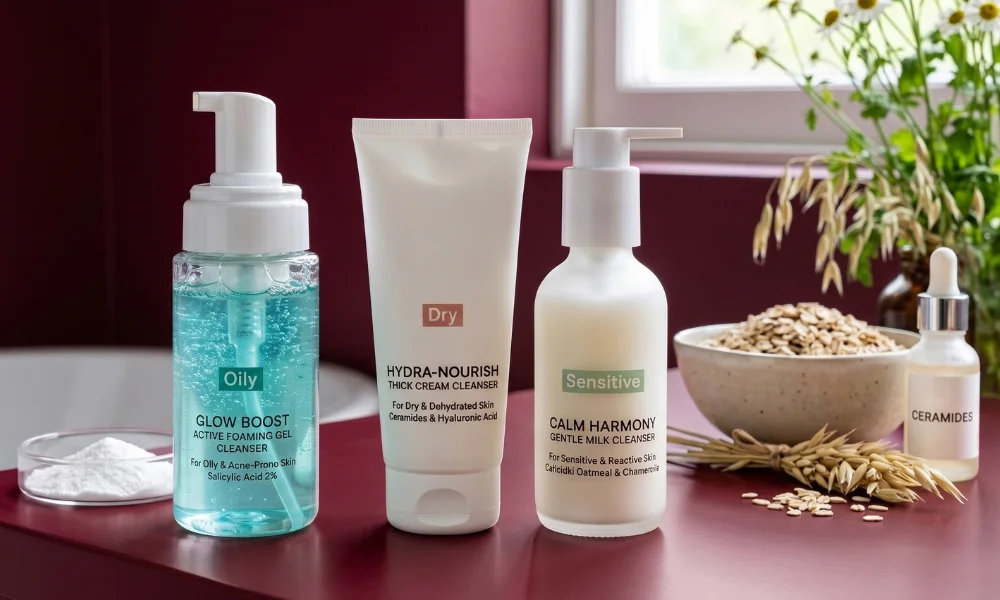
Best Facial Cleanser for Oily Skin
Oily skin requires structured oil control to prevent sebum from hardening inside the pore lining. Look for foaming gels that utilize zinc PCA or green tea extract to reduce surface shine throughout the day. These formulations keep pores clear and clean without sending oil production into overdrive.
Best Facial Cleanser for Dry Skin
Dry skin lacks adequate natural lipids. Your priority is deep hydration and immediate moisture barrier support. Look for soap-free cleansing milks or creams rich in glycerin, hyaluronic acid, and squalane. These ingredients trap water molecules in the skin during the washing process.
Best Facial Cleanser for Sensitive Skin
Sensitive skin suffers from an easily compromised barrier, making it prone to immediate redness and tingling irritation. Seek out a gentle face wash containing soothing botanicals like centella asiatica (Cica), allantoin, or colloidal oatmeal. These elements actively calm hyper-reactive skin.
Face Wash for Acne Prone Skin
When treating consistent breakouts, a dedicated face wash for acne prone skin is essential. A trusted salicylic acid cleanser is the gold standard here. Salicylic acid is oil-soluble, so it penetrates deep inside lipid-rich pores to dissolve the dead skin cells and sebum plugs that cause blackheads and pimples. When sebum and dead skin mix with a salicylic acid wash, the pore plug dissolves to reveal clear skin.
Best Facial Cleansers by Ingredient Instead of Brand Names
Shifting your focus toward raw ingredient profiles allows you to find highly effective drugstore alternatives that perform just as well as luxury products.
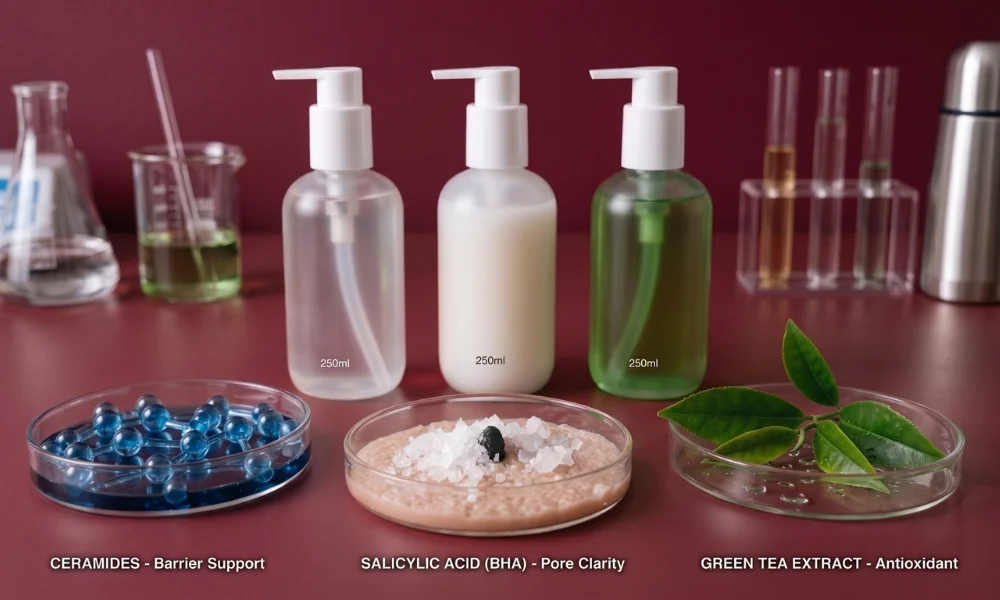
Why a Ceramide Cleanser Supports a Healthy Skin Barrier
Ceramides are structural lipids that make up roughly 50% of your skin barrier matrix. A healthy skin barrier relies on a balanced mix of ceramides, cholesterol, fatty acids, and water. A specialized ceramide cleanser replenishes these essential fats during the washing process. This action prevents moisture loss and ensures your skin remains resilient against external pollutants.
When a Salicylic Acid Cleanser Is the Better Choice
Choose a beta-hydroxy acid formula if you deal with active acne, stubborn blackheads, and persistent oily skin. Because it targets the root causes of congestion inside the pore, it acts as a mild, daily exfoliating treatment that refines skin texture without the need for abrasive physical scrubs.
Ingredients Worth Avoiding If Your Skin Is Easily Irritated
-
Sulfates: Sodium lauryl sulfate strips away healthy surface lipids too aggressively.
-
Drying Alcohols: Isopropyl alcohol or alcohol denat dries out top skin layers instantly.
-
Synthetic Fragrances: These are the leading cause of cosmetic allergic reactions.
Double Cleansing Explained: When It Helps and When It Doesn’t
The double cleansing method is a two-step technique designed to thoroughly clear the skin without stripping it. It involves using an oil-based cleanser first, followed immediately by a traditional water-based face wash.
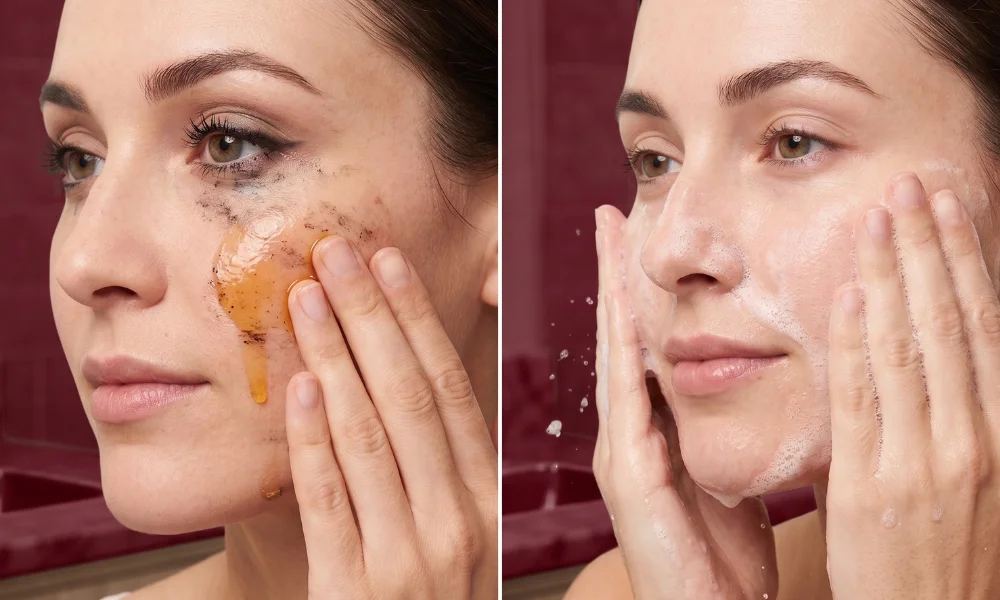
Understanding the Double Cleansing Method
This method relies on the basic chemical principle that like dissolves like. For the first step, an oil-based cleanser dissolves SPF, makeup, and excess sebum. For the second step, a water-based gel removes sweat, pollutants, and residual dirt. This two-step approach ensures everything is swept away without drying you out.
Cleansing Balm vs Cleansing Oil: Which Removes Makeup Better?
Choosing between a cleansing balm vs cleansing oil comes down to your texture preference and lifestyle. Balms come as solid jars, making them highly travel-friendly and excellent at breaking down thick waterproof mascara. Oils come in convenient pump bottles and feel lighter on naturally oily skin profiles.
| Feature | Cleansing Balm | Cleansing Oil |
| Texture | Solid to silky emulsion | Fluid liquid |
| Best For | Heavy makeup & travel | Daily SPF removal & oily skin |
| Removes SPF | Yes | Yes |
| Removes Waterproof Makeup | Excellent | Good |
Dermatologist Approved Habits That Make Any Facial Cleanser Work Better
Even the most advanced formula fails if your washing technique is fundamentally flawed. To get the most out of the best facial cleansers, you need the right habits.
How a Dermatologist Recommended Cleanser Fits Into Your Routine
A dermatologist recommended cleanser is formulated to maintain correct skin health. To maximize its efficacy, massage the product into damp skin for a full 60 seconds. This gives the active ingredients sufficient time to break up surface debris and deliver benefits to your pores.
Common Cleansing Mistakes That Cause Breakouts and Dryness
-
Over-cleansing: Washing your face too many times a day depletes essential lipids.
-
Hot water: Extreme temperatures strip natural oils and cause redness.
-
Scrubbing: Using abrasive washcloths creates microscopic irritation in the skin.
-
Using the wrong towel: Reusing damp bathroom hand towels introduces bacteria back onto your clean face.
CeraVe vs Cetaphil: Which Facial Cleanser Deserves a Spot in Your Routine?
The debate between CeraVe vs Cetaphil dominates the budget skincare market. Both brands offer some of the best facial cleansers available, yet they feature distinctly different ingredient philosophies.
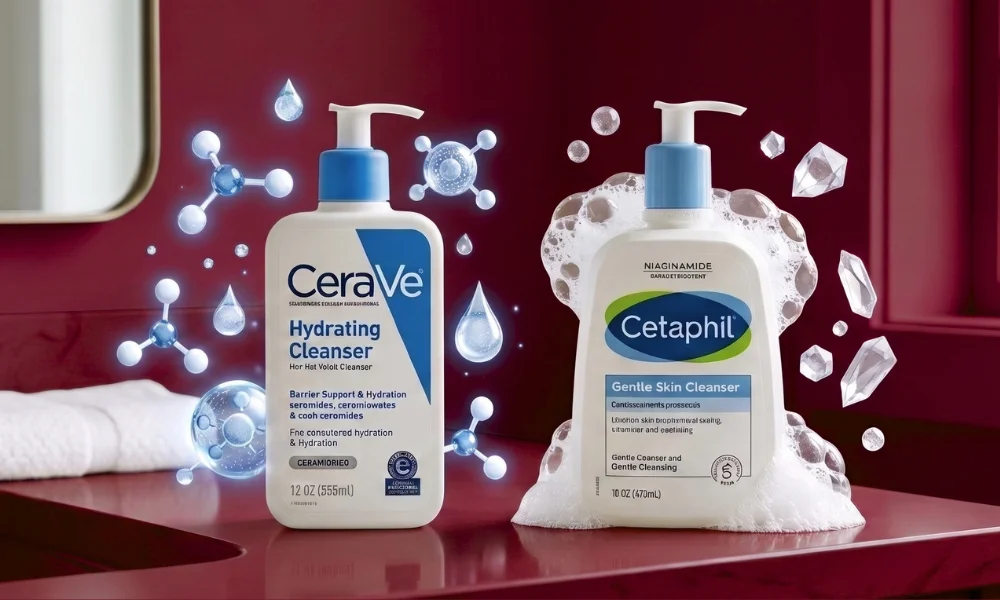
CeraVe vs Cetaphil for Different Skin Types
CeraVe focuses heavily on barrier restoration by including three essential ceramides and hyaluronic acid across their entire line. Cetaphil utilizes ultra-minimalist, low-irritant formulas containing soothing niacinamide, panthenol, and hydrating glycerin to protect highly reactive skin profiles.
Which Brand Offers Better Long-Term Skin Barrier Support?
CeraVe generally wins for long-term structural barrier repair due to its targeted ceramide delivery systems. Cetaphil is often preferred by individuals with ultra-sensitive skin who need a simple, reliable wash that contains no potentially triggering ingredients.
| Feature | CeraVe | Cetaphil |
| Skin Barrier Support | Excellent (Three Ceramides) | Good (Niacinamide & Panthenol) |
| Hydration Mechanism | Hyaluronic Acid | Glycerin |
| Sensitive Skin Match | High | Extremely High |
| Acne Options | Great Salicylic Acid selections | Mild, non-comedogenic options |
| Texture Profiles | Rich lotions and active gels | Smooth, low-foaming milks |
| Best Users | Dehydrated or acne-prone skin | Hyper-reactive, sensitive skin |
Facial Cleansing Routine Builder Based on Your Lifestyle
Your daily cleansing routine should adapt to your environment, activity levels, and daily product use. The best facial cleansers work best when customized to your day.
Morning Cleansing Routine
-
Dry or Sensitive Skin: A simple rinse with lukewarm water is often enough to preserve natural oils produced overnight.
-
Oily Skin: Use a mild, non-stripping gel wash to clear away excess oil accumulated while sleeping.
Evening Cleansing Routine
-
Step 1: Apply your cleansing oil or balm to dry skin to dissolve daily sunscreen and pollution.
-
Step 2: Follow up with a targeted water-based cleanser to deeply clean the pores.
Gym, Sunscreen, and Makeup Wearers
Always wash your face immediately after working out to stop sweat from mixing with surface bacteria. If you wear water-resistant SPF 50 or full-coverage foundation, a single water-based wash will not clear the skin completely. You need a dedicated double cleanse every evening to prevent clogged pores.
Conclusion
Choosing the best facial cleansers requires shifting focus away from flashy marketing trends and looking closely at your specific skin type, lifestyle, and ingredient labels. Prioritizing skin barrier health over that tight, squeaky-clean feeling ensures long-term clarity, hydration, and resilience.
The editorial team at DaithPiercing recognizes that informed beauty and wellness choices start with reliable, research-backed education.
Frequently Asked Questions
How Often Should You Wash Your Face?
Twice per day is the standard recommendation. Wash once in the morning to clear away overnight oil, and wash once at night to remove daytime dirt, pollution, and sunscreen.
Is Expensive Always Better?
No, luxury face washes frequently contain high amounts of fragrance and essential oils that trigger skin irritation. Affordable drugstore options often offer superior, clinically backed ingredient profiles.
Can One Cleanser Work All Year?
Not always. Your skin changes with the weather. You might need a foaming salicylic acid wash during humid summer months, but require swapping to a rich ceramide cream wash during dry winter conditions.
Should Teenagers and Adults Use Different Cleansers?
Teenage skin is often driven by hormonal oil production, requiring targeted salicylic acid options. Adult skin deals with slower cellular turnover, making hydrating, barrier-supportive formulas a better fit.