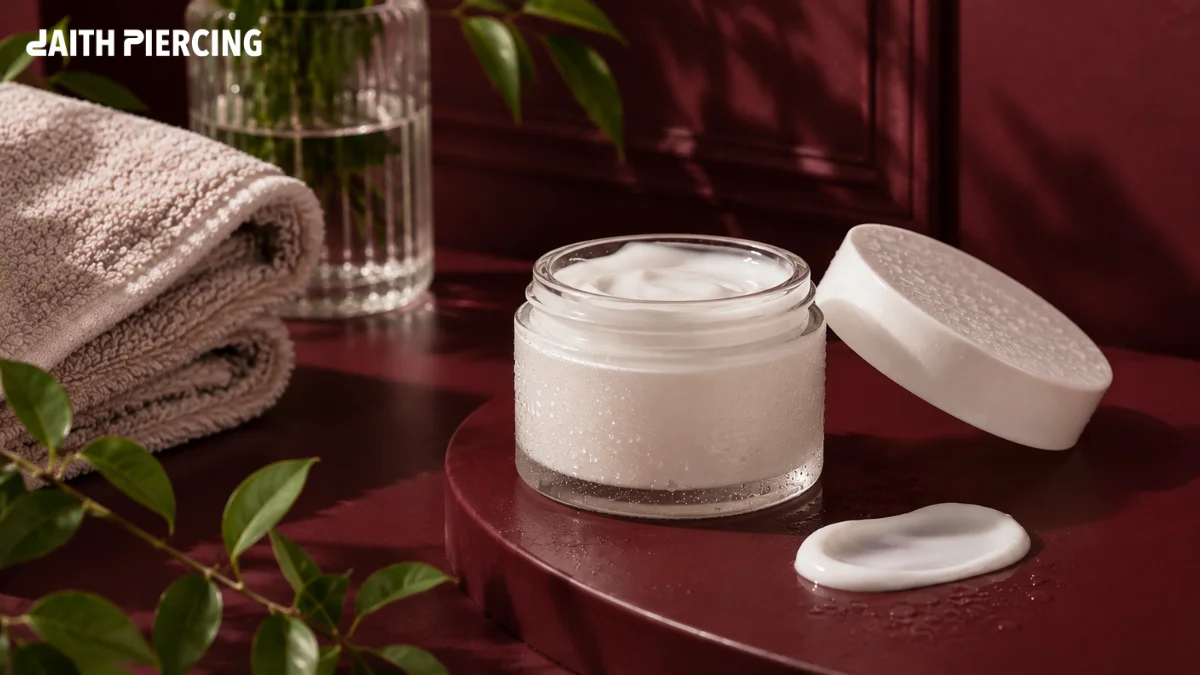
A non-comedogenic moisturizer is made to moisturize your skin without being likely to clog pores. This makes it a popular choice for people with oily, combination, acne-prone, or breakout-prone skin. If your skin often feels greasy after applying moisturizer, choosing a lighter non-comedogenic formula may make your routine more comfortable.
Many people with acne avoid moisturizer because they think adding moisture will cause more breakouts. In reality, skipping moisturizer can leave the skin dry and irritated, especially when using acne treatments such as salicylic acid, benzoyl peroxide, adapalene, or tretinoin. Dermatologists commonly recommend moisturizers that are labeled oil-free, non-comedogenic, or won’t clog pores for acne-prone skin.
For readers of DaithPiercing, understanding how to choose gentle skincare is also useful when caring for sensitive skin around facial piercings. The same basic rule applies: avoid unnecessary irritation and choose products that suit your skin rather than simply following skincare trends.
What Does Non-Comedogenic Mean?
The word comedogenic relates to products or ingredients that may contribute to clogged pores. A comedone is a clogged pore that can appear as a whitehead or blackhead. A product described as non-comedogenic is intended to be less likely to block pores.
However, non-comedogenic does not mean that a product can never cause a breakout. Everyone’s skin reacts differently, and a formula that works well for one person may not suit another. The American Academy of Dermatology recommends looking for labels such as “non-comedogenic,” “oil-free,” and “won’t clog pores” when choosing skincare for acne-prone skin.
This is why the label should be treated as a useful guide rather than a guarantee. Your skin type, the rest of your routine, and the ingredients in the complete formula can all affect how your skin responds.
Key Takeaways
- A non-comedogenic moisturizer is designed to be less likely to clog pores.
- It can be useful for oily, combination, dry, and acne-prone skin.
- Look for labels such as non-comedogenic, oil-free, or won’t clog pores.
- Oily skin still needs moisture, especially when acne treatments cause dryness.
- Lightweight gels and lotions may suit oily skin, while creams can be better for dry skin.
- Avoid harsh scrubbing and overly complicated skincare routines.
- Non-comedogenic does not guarantee that a product will never cause a breakout.
- Apply moisturizer after cleansing, preferably while the skin is slightly damp.
- Use sunscreen during the day, especially if you are using acne treatments that can increase sensitivity to the sun.
Why Does Acne-Prone Skin Need Moisturizer?
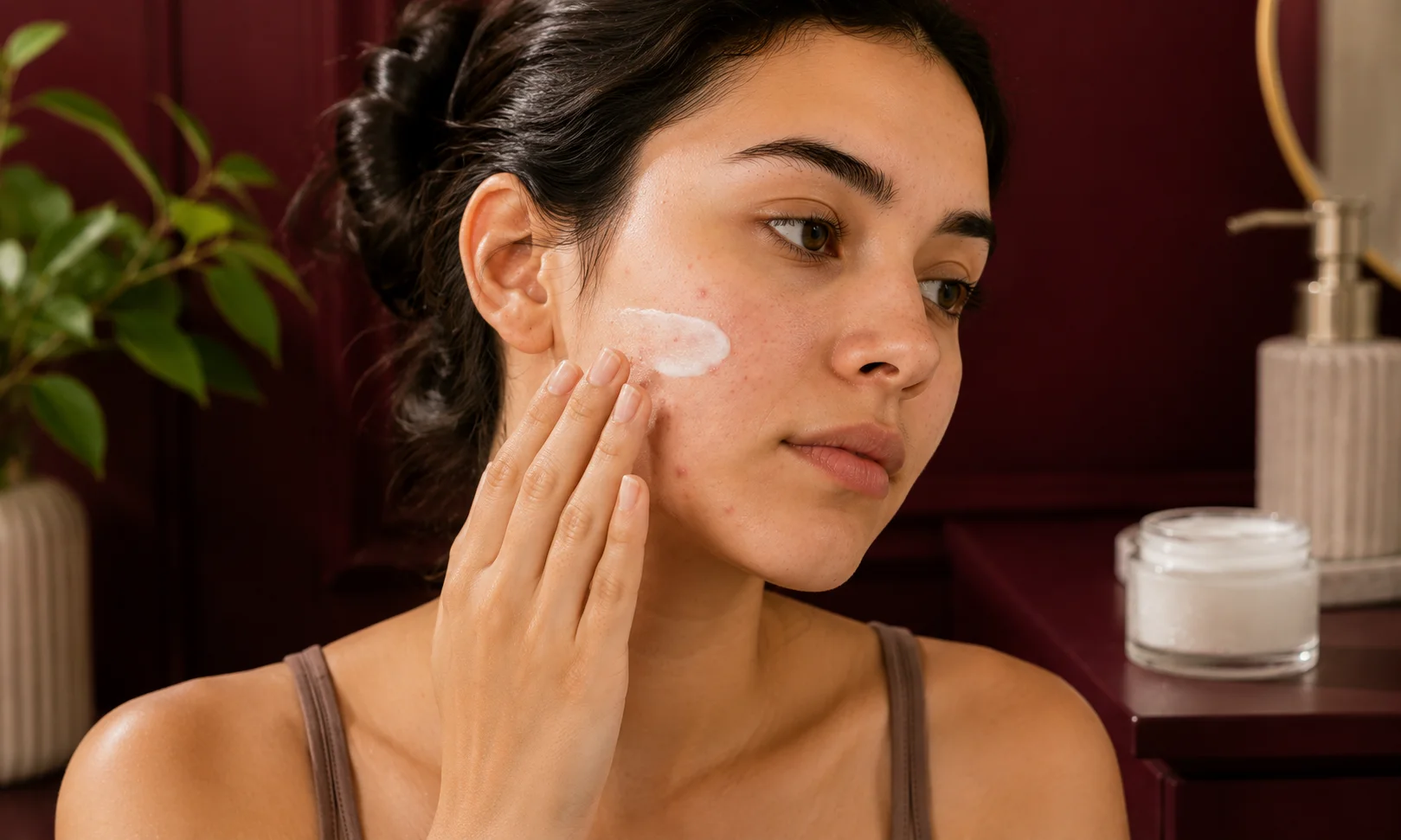
Moisturizer is not only for dry skin. Acne-prone skin can also become dehydrated or irritated, especially when using products designed to treat breakouts.
Ingredients such as salicylic acid, benzoyl peroxide, adapalene, tretinoin, and isotretinoin can cause dryness or irritation. A suitable moisturizer can help the skin tolerate these treatments more comfortably.
There is another reason not to ignore hydration. When skin becomes excessively dry, it can feel tight and uncomfortable, which may encourage people to use harsher products or wash their face too often. Dermatologists recommend maintaining a balance between controlling excess oil and keeping the skin moisturized.
Benefits of a Non-Comedogenic Moisturizer
It Helps Maintain Skin Hydration
A good moisturizer helps reduce water loss from the skin and keeps it feeling softer. This can be especially helpful after cleansing or when using acne treatments that leave the skin dry.
It Can Be Better for Acne-Prone Skin
Choosing a non-comedogenic product reduces the chance that your moisturizer will contribute to blocked pores. This does not guarantee perfect skin, but it is a sensible starting point for people who frequently experience breakouts.
It Can Reduce the Feeling of Dryness
Oily skin can still be dehydrated. If your face feels tight after cleansing but becomes shiny later, your routine may be removing too much moisture. A lightweight moisturizer can help restore a more comfortable balance.
It Can Support an Acne Treatment Routine
A moisturizer can make a drying acne routine easier to follow. When skin becomes excessively dry or irritated, people may stop using their treatment. Keeping the skin comfortable can make a consistent routine easier to maintain.
How to Choose the Best Non-Comedogenic Moisturizer
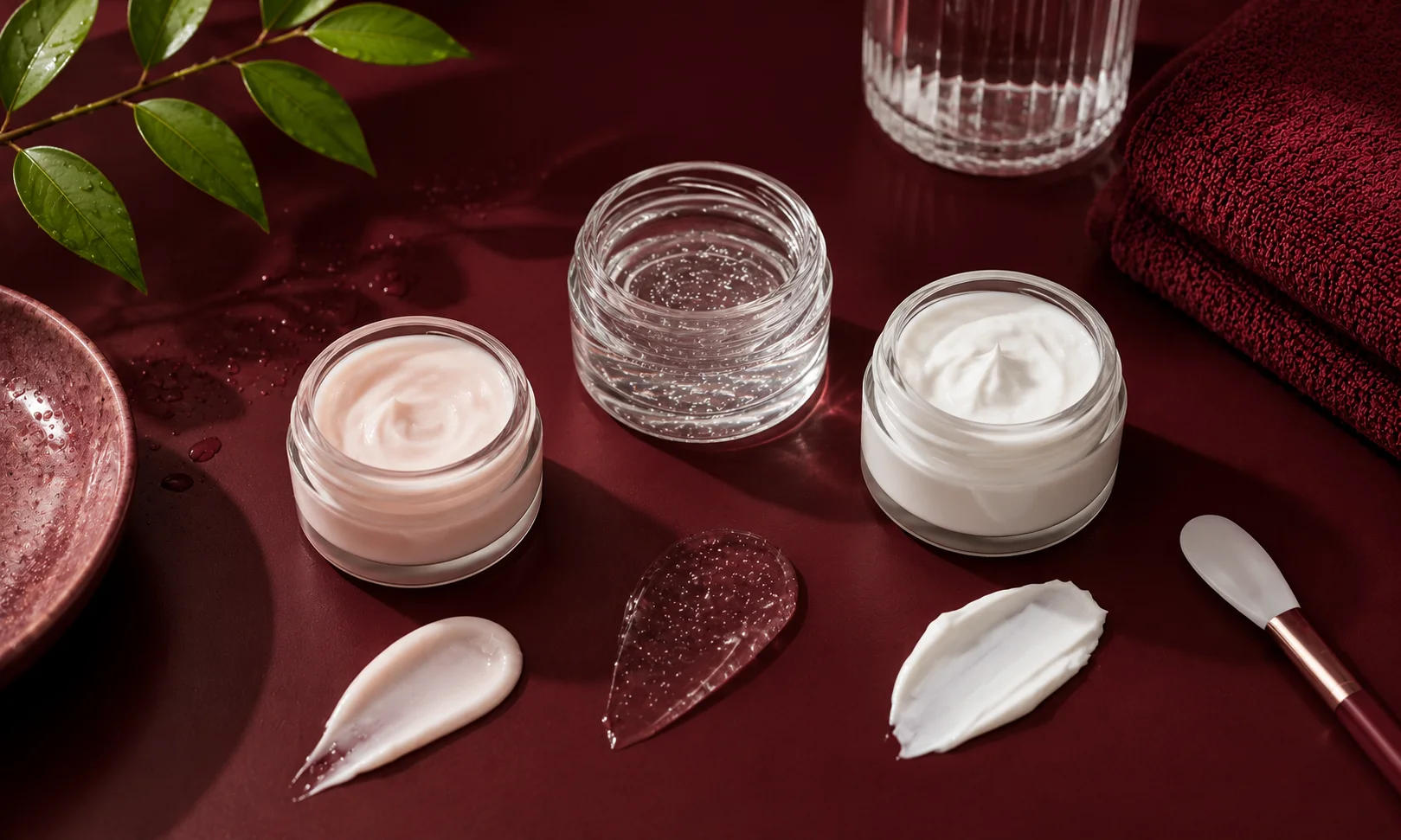
There is no single moisturizer that is perfect for everyone. The best choice depends on your skin type and what your skin needs.
For Oily Skin
Look for a lightweight lotion, gel, or gel-cream texture. Labels such as oil-free and non-comedogenic can help narrow down your choices. Avoid choosing a moisturizer simply because it says “for oily skin”; the full formula and how your skin responds still matter.
For Dry Skin
Dry skin usually needs more than a very lightweight gel. Look for a non-comedogenic cream that provides stronger hydration. If your skin is also acne-prone, choose a product that moisturizes without feeling excessively heavy.
For Combination Skin
Combination skin can be tricky because some areas may feel oily while others feel dry. A lightweight non-comedogenic moisturizer can often work well across the face. You can also use a little more product on dry areas if needed.
For Sensitive Skin
If your skin reacts easily, keep the routine simple. Avoid introducing several new products at once. A fragrance-free option may be more comfortable for some sensitive skin, especially when the skin barrier is already irritated.
Ingredients to Look For
The exact ingredient list matters more than marketing claims on the front of the package. Depending on your skin, useful moisturizing ingredients may include glycerin, hyaluronic acid, ceramides, and other humectants or barrier-supporting ingredients.
Humectants help attract water to the skin, while barrier-supporting ingredients can help reduce moisture loss. The goal is not to find the longest ingredient list. A simple formula that your skin tolerates well can be a better choice than a complicated product filled with unnecessary extras.
If you are already using an acne treatment, introducing a moisturizer with a simple formula can also make it easier to identify what is causing irritation if your skin reacts.
How to Use a Non-Comedogenic Moisturizer
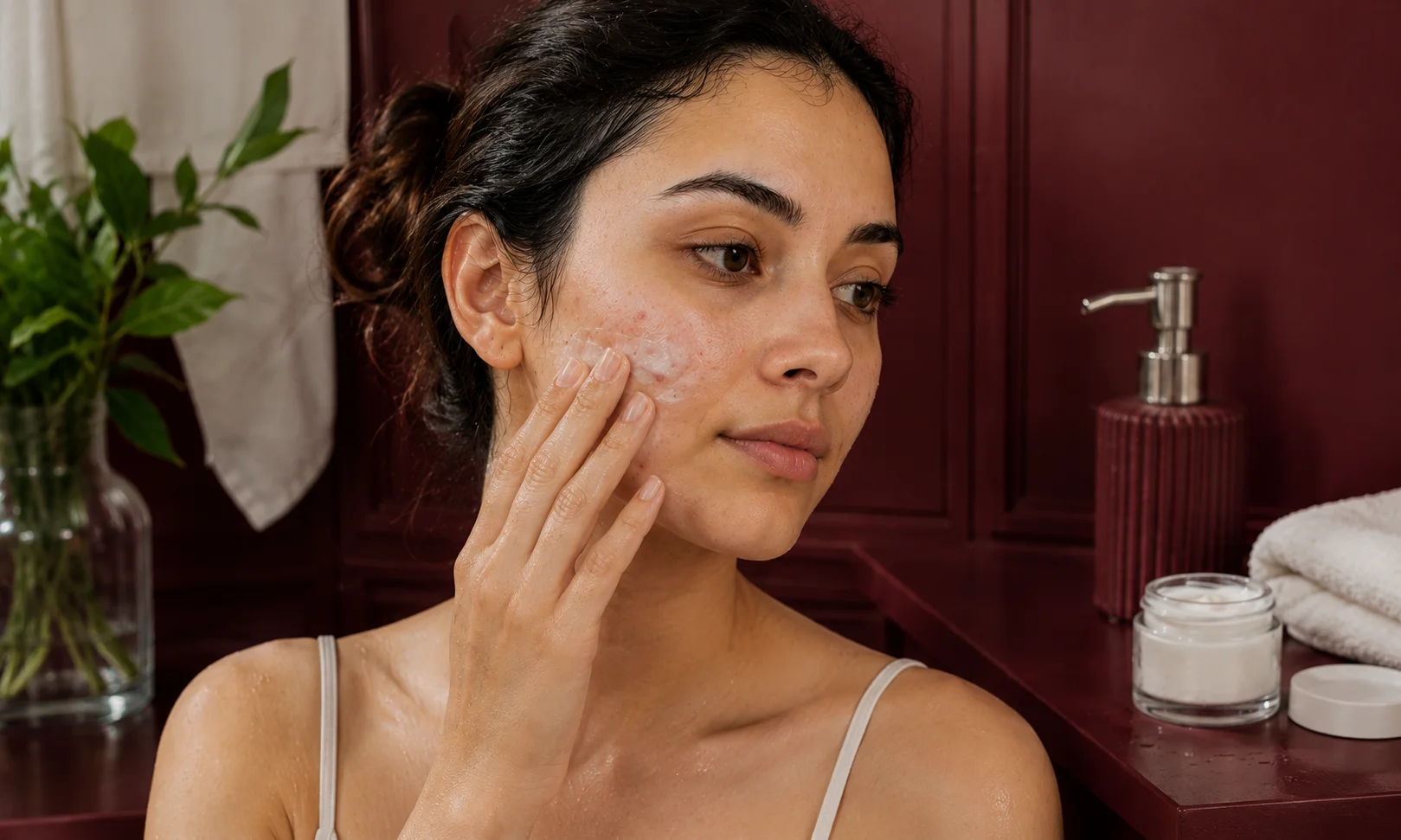
Apply moisturizer after cleansing while your skin is still slightly damp. This helps trap water in the skin. The American Academy of Dermatology recommends applying moisturizer after washing and notes that people with oily skin can still benefit from regular moisturizing.
A simple routine can look like this:
Morning: Gentle cleanser → non-comedogenic moisturizer → broad-spectrum SPF 30 or higher sunscreen.
Evening: Gentle cleanser → acne treatment if prescribed or appropriate → non-comedogenic moisturizer.
If your treatment causes significant dryness, your dermatologist may suggest changing how often you use it or adjusting your skincare routine.
Common Mistakes to Avoid
Skipping Moisturizer Because Your Skin Is Oily
Oily skin still needs hydration. Trying to completely dry out oily skin can lead to irritation and may make your routine harder to tolerate. Dermatologists recommend moisturizing even when the skin is oily.
Using Too Many Products
Adding several new serums, exfoliants, masks, and acne treatments at once makes it difficult to know what is helping or irritating your skin. A simple routine is often easier to maintain.
Scrubbing Away Oil
Scrubbing may seem like a quick way to remove excess oil, but aggressive cleansing can irritate acne-prone skin. The American Academy of Dermatology recommends gentle cleansing rather than harsh scrubbing.
Assuming Non-Comedogenic Means Guaranteed Acne-Free
No skincare label can promise that you will never break out. Individual skin reactions differ, so pay attention to how your skin responds over time.
Non-Comedogenic Moisturizer vs. Regular Moisturizer
The main difference is the product’s intended suitability for people concerned about clogged pores. A non-comedogenic moisturizer is formulated or tested with the goal of being less likely to clog pores.
A regular moisturizer may still work perfectly well for someone with dry or non-acne-prone skin. If you frequently experience blackheads, whiteheads, or acne, however, choosing a non-comedogenic option is a reasonable first step.
What Should You Trust?
Skincare advice is everywhere, but not every recommendation is based on reliable evidence. For acne-prone skin, give more weight to guidance from qualified dermatologists and established medical organizations than to viral skincare hacks.
The American Academy of Dermatology recommends non-comedogenic products for people with acne-prone skin and explains why moisturizer can be useful even during acne treatment.
Google’s current guidance also emphasizes helpful, reliable, people-first content, clear expertise, trustworthy sourcing, and adding genuine value rather than simply rewriting information found elsewhere. E-E-A-T stands for Experience, Expertise, Authoritativeness, and Trustworthiness, with trust being the most important element.
For persistent, painful, or severe acne, skincare articles should not replace professional medical advice. A dermatologist can assess your skin and recommend treatment based on your specific condition.
FAQs
Is non-comedogenic moisturizer good for acne?
Yes. A non-comedogenic moisturizer can be a good option for acne-prone skin because it is designed to be less likely to clog pores. Dermatologists commonly recommend non-comedogenic moisturizers as part of acne-friendly skincare.
Can I use a non-comedogenic moisturizer every day?
Yes. Most people can use a suitable moisturizer daily. Apply it after cleansing, and choose a formula that matches your skin type and does not cause irritation.
Is non-comedogenic moisturizer good for oily skin?
Yes. Oily skin can still become dehydrated. A lightweight, oil-free, non-comedogenic moisturizer can provide hydration without leaving the skin feeling excessively greasy.
Does non-comedogenic mean it will not cause acne?
Not necessarily. It means the product is intended to be less likely to clog pores. Individual reactions can vary, so you should still monitor your skin after introducing a new product.
Should I moisturize if I have active acne?
Yes. Moisturizing can be especially helpful if your acne treatment causes dryness or irritation. Dermatologists often recommend moisturizer as part of an acne-care routine.
Can I use moisturizer after salicylic acid?
Yes. Moisturizer can help reduce dryness associated with acne treatments such as salicylic acid. If your skin becomes irritated, reduce irritating products and consider speaking with a dermatologist about your routine.
What is better for acne-prone skin: gel or cream moisturizer?
It depends on your skin. A lightweight gel may feel better on oily skin, while a cream may provide more comfort for dry skin. The important point is to choose a formula that your skin tolerates and that is labeled non-comedogenic when clogged pores are a concern.
How long does a non-comedogenic moisturizer take to work?
Moisturizers can make dry or tight skin feel more comfortable relatively quickly, but improvements in acne are different. A moisturizer is mainly used to support hydration and skin comfort rather than act as a standalone acne treatment.