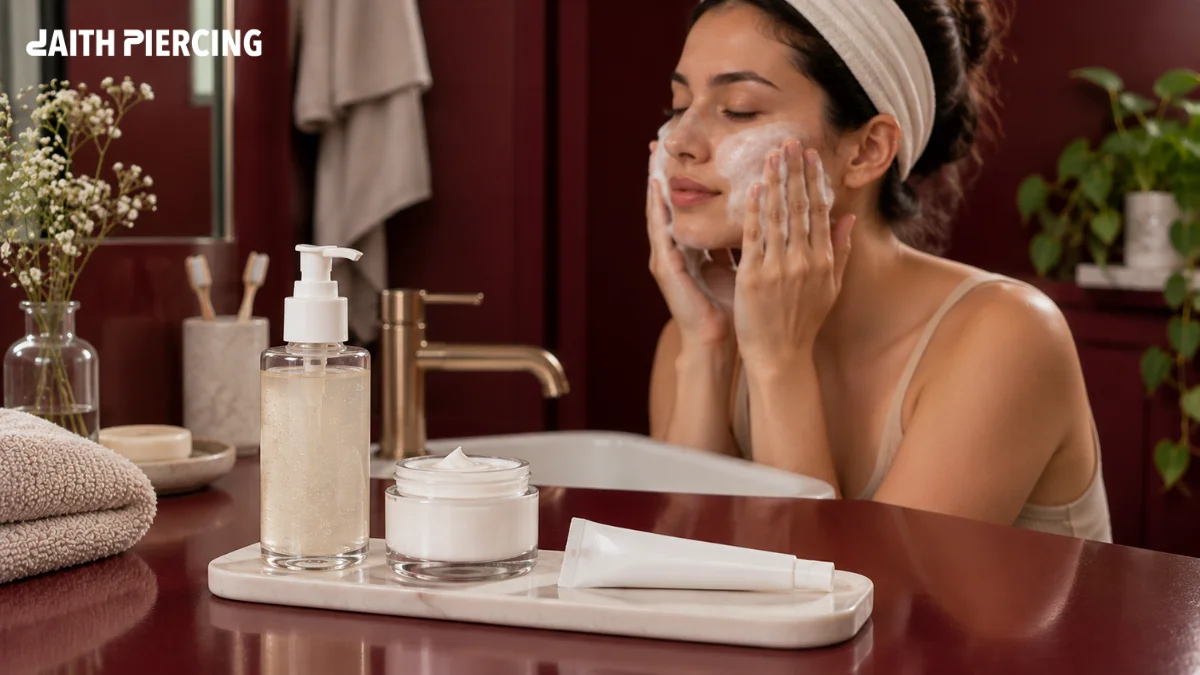
Gentle Cleanser for Tretinoin: Tretinoin can be very effective for acne, clogged pores, uneven skin texture, and fine lines. However, it can also make your skin feel dry, tight, flaky, or irritated, especially when you first start using it. That is why choosing a gentle cleanser for tretinoin is an important part of your skincare routine.
A good cleanser should remove dirt, excess oil, sunscreen, and makeup without leaving your skin feeling stripped. You do not need a strong acne cleanser just because you are using tretinoin. In fact, harsh cleansers, scrubs, and exfoliating ingredients may make irritation worse.
The best approach is simple: use a mild cleanser, moisturize regularly, and protect your skin from the sun. This guide from DaithPiercing explains what to look for in a cleanser, which ingredients to avoid, and how to build a simple routine around tretinoin.
Key Takeaways
- Choose a gentle, non-abrasive cleanser when using tretinoin.
- Look for products made for sensitive, dry, or acne-prone skin.
- Fragrance-free and alcohol-free formulas are often a better choice for irritated skin.
- Avoid harsh scrubs and cleansers containing strong exfoliating ingredients.
- Wash your face gently with your fingertips instead of rubbing with a washcloth or brush.
- Moisturizer can help your skin tolerate tretinoin better.
- Daily broad-spectrum SPF 30 or higher is an important part of a tretinoin routine.
- If severe burning, swelling, or persistent irritation develops, speak with a dermatologist.
Why Do You Need a Gentle Cleanser With Tretinoin?
Tretinoin is a topical retinoid that changes how skin cells grow and shed. It is commonly prescribed for acne and can also be used for certain signs of photoaging. While it can improve the appearance of the skin over time, irritation is a common concern.
During the early stages of treatment, your skin may become more sensitive. You may notice dryness, peeling, redness, burning, or a tight feeling after washing. Using an aggressive cleanser at the same time can add unnecessary irritation.
The American Academy of Dermatology recommends gentle, non-abrasive cleansing for people managing acne and advises avoiding products that can irritate the skin. MedlinePlus also recommends washing skin treated with tretinoin using a mild, non-abrasive soap rather than products that dry or irritate the skin.
A gentle cleanser does not need to make your skin feel extremely “squeaky clean.” That tight feeling can actually be a sign that too much oil and moisture have been removed.
What Makes a Cleanser Gentle Enough for Tretinoin?
Not every cleanser labeled “gentle” will work equally well for every person. The formula matters, but your skin type and how your skin reacts also matter.
Choose a Mild, Non-Abrasive Formula
Look for a cleanser that feels comfortable during and after washing. It should remove everyday buildup without aggressive scrubbing.
Cream, lotion, gel, and low-foaming cleansers can all work. The most important point is that the cleanser does not leave your face burning, tight, or excessively dry.
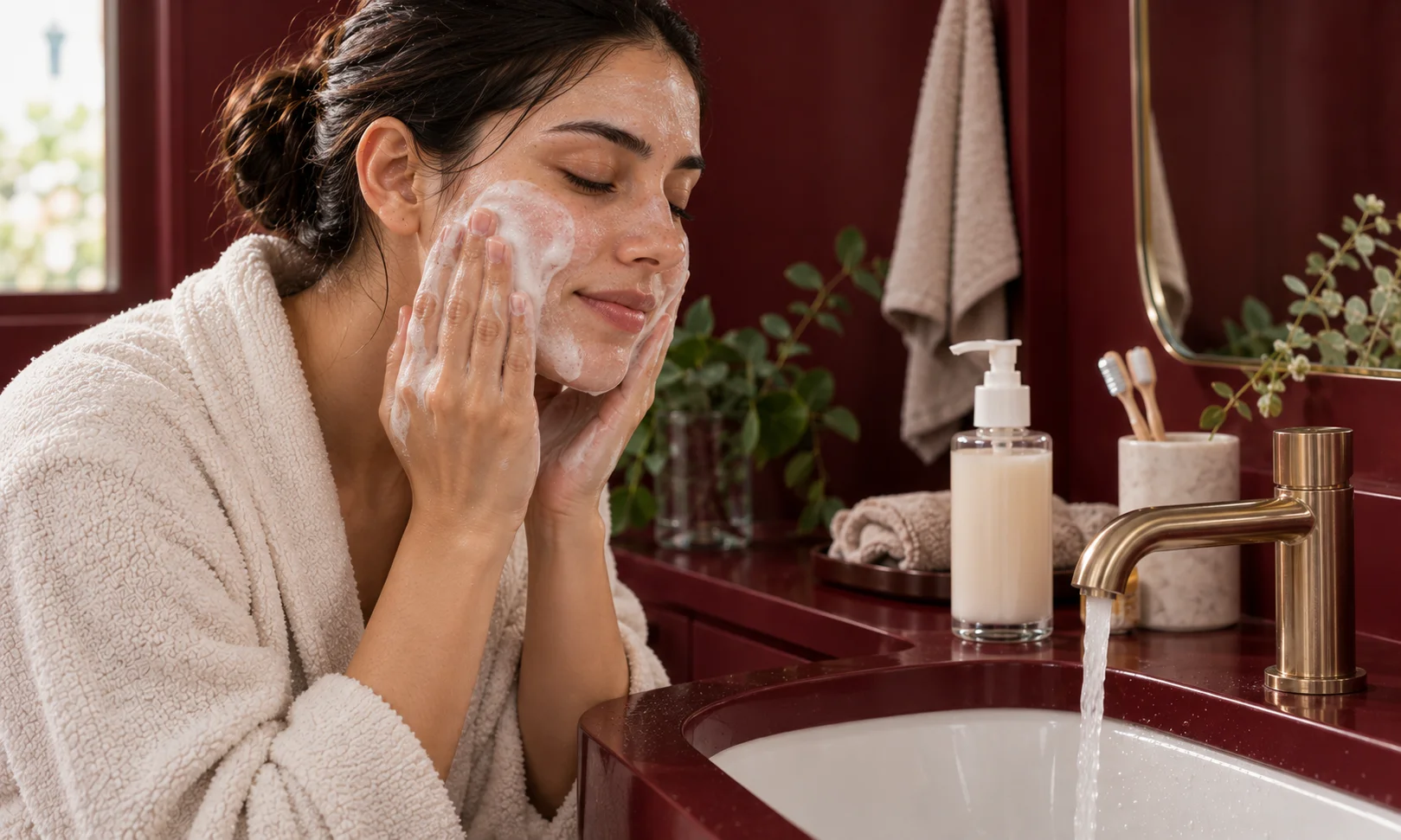
Dermatologists generally recommend applying cleanser with your fingertips rather than using rough washcloths, brushes, or sponges that can increase irritation.
Consider Fragrance-Free Products
Fragrance is not necessary for cleaning your skin. If tretinoin has already made your skin sensitive, a fragrance-free cleanser may be a safer choice.
Fragrance can irritate some people, especially when the skin barrier is already stressed. If a cleanser consistently causes stinging or redness, stop using it rather than trying to push through the reaction.
Look for Hydrating Ingredients
A cleanser does not have to contain a long list of skincare ingredients. Still, formulas with hydrating ingredients can feel more comfortable when tretinoin is causing dryness.
Ingredients such as glycerin and other gentle humectants can help support hydration. Ceramides are also commonly used in products designed to support the skin barrier.
The goal is not to find the most complicated cleanser. A simple formula that your skin tolerates well is usually more useful than an expensive product packed with active ingredients.
Ingredients to Avoid in a Tretinoin Cleanser
When your skin is adjusting to tretinoin, adding several strong ingredients can make your routine harder to tolerate.
Avoid Harsh Exfoliating Cleansers
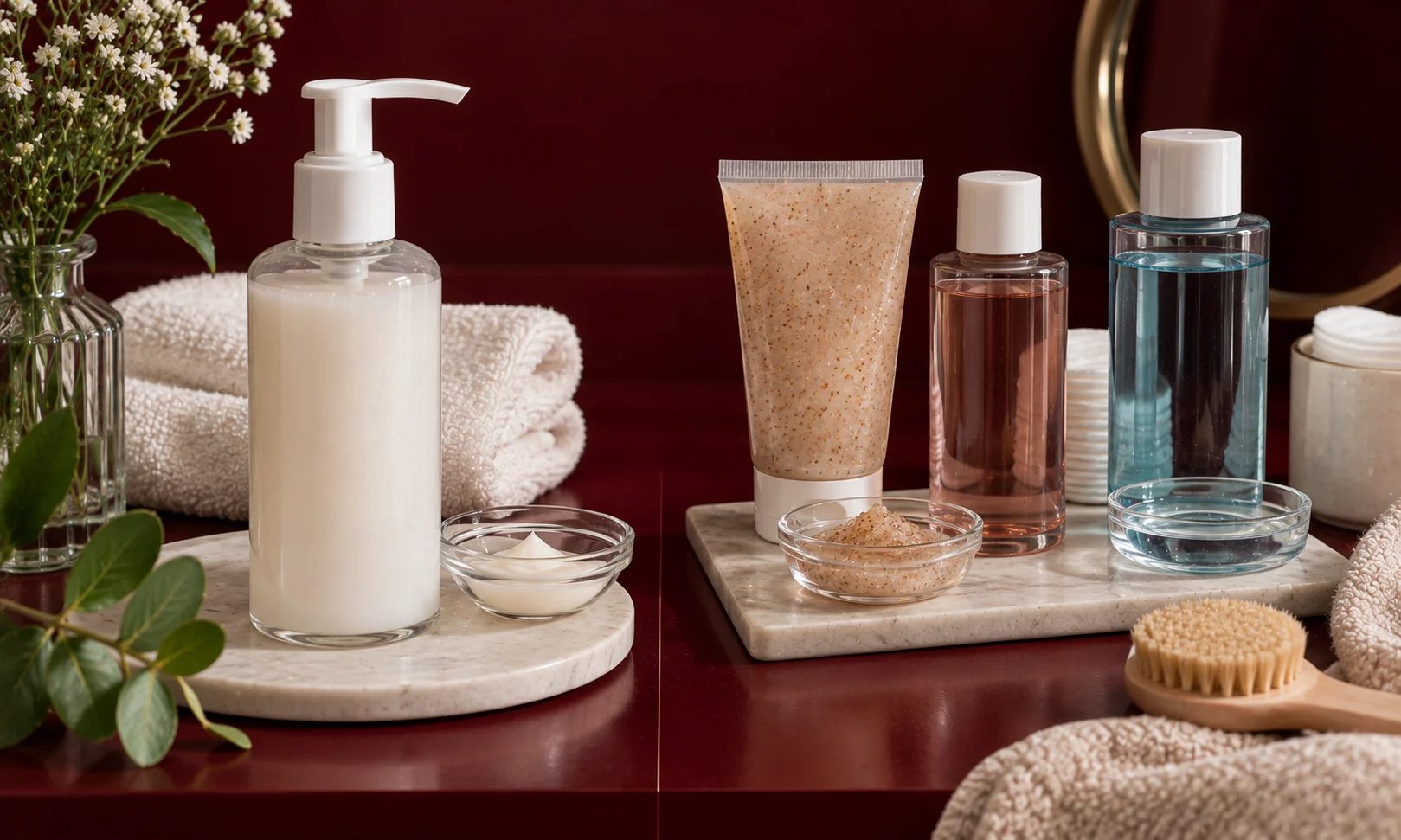
Scrubs containing rough particles can physically irritate sensitive skin. Exfoliating cleansers containing acids may also increase dryness or stinging in some people.
This is particularly important if your tretinoin routine is already causing peeling or irritation. You generally do not need to exfoliate aggressively to make tretinoin work.
Be Careful With Salicylic Acid
Salicylic acid can be useful for acne-prone skin, but it is still an active exfoliating ingredient. Combining multiple potentially irritating products can make dryness and irritation more noticeable.
MedlinePlus advises people using tretinoin to discuss other topical medications and products, including salicylic acid, with their doctor rather than automatically adding them to the routine.
Avoid Strong Alcohol-Based Formulas
Some cleansers contain high amounts of drying alcohols or ingredients that leave the skin feeling stripped. If your face feels tight or uncomfortable immediately after cleansing, the product may be too harsh for your current routine.
What Cleanser Is Best for Dry Skin With Tretinoin?
If your skin becomes dry after starting tretinoin, a creamy or hydrating cleanser may feel more comfortable than a strong foaming cleanser.
Look for labels such as “gentle,” “hydrating,” or “for sensitive skin.” The American Academy of Dermatology gives similar guidance for people using acne treatments that can dry the skin.
You should also avoid washing your face repeatedly throughout the day. For many people, cleansing twice daily is enough, with an additional gentle cleanse after heavy sweating when needed.
If even a mild cleanser causes significant burning, your skin may be too irritated for your current routine. In that situation, talk with your dermatologist about how to adjust your tretinoin use.
What Cleanser Is Best for Oily or Acne-Prone Skin?
Having oily or acne-prone skin does not mean you need a powerful cleanser. Tretinoin itself is already an active acne treatment, so your cleanser mainly needs to keep the skin clean without causing unnecessary irritation.
A lightweight, non-comedogenic cleanser can be a practical option if you dislike creamy formulas. The important thing is how your skin responds.
If your face becomes very tight after cleansing, switching to a gentler formula may help. A moisturizer labeled “oil-free” or “non-comedogenic” can also be useful if you are concerned about clogged pores. Dermatologists recommend these labels for people with acne-prone skin.
How to Wash Your Face When Using Tretinoin
Your cleansing technique matters almost as much as the cleanser itself. Start with lukewarm water rather than very hot water. Apply a small amount of cleanser with clean fingertips and gently massage it across your face. There is no need to scrub hard or use a facial brush. Rinse thoroughly and pat your face dry with a clean, soft towel. Avoid rubbing the skin because friction can add to irritation.
If your dermatologist has told you to apply tretinoin to completely dry skin, allow your face to dry before applying it. Follow the instructions that came with your prescription because application directions can vary depending on the product and your treatment plan.
A Simple Tretinoin Skincare Routine
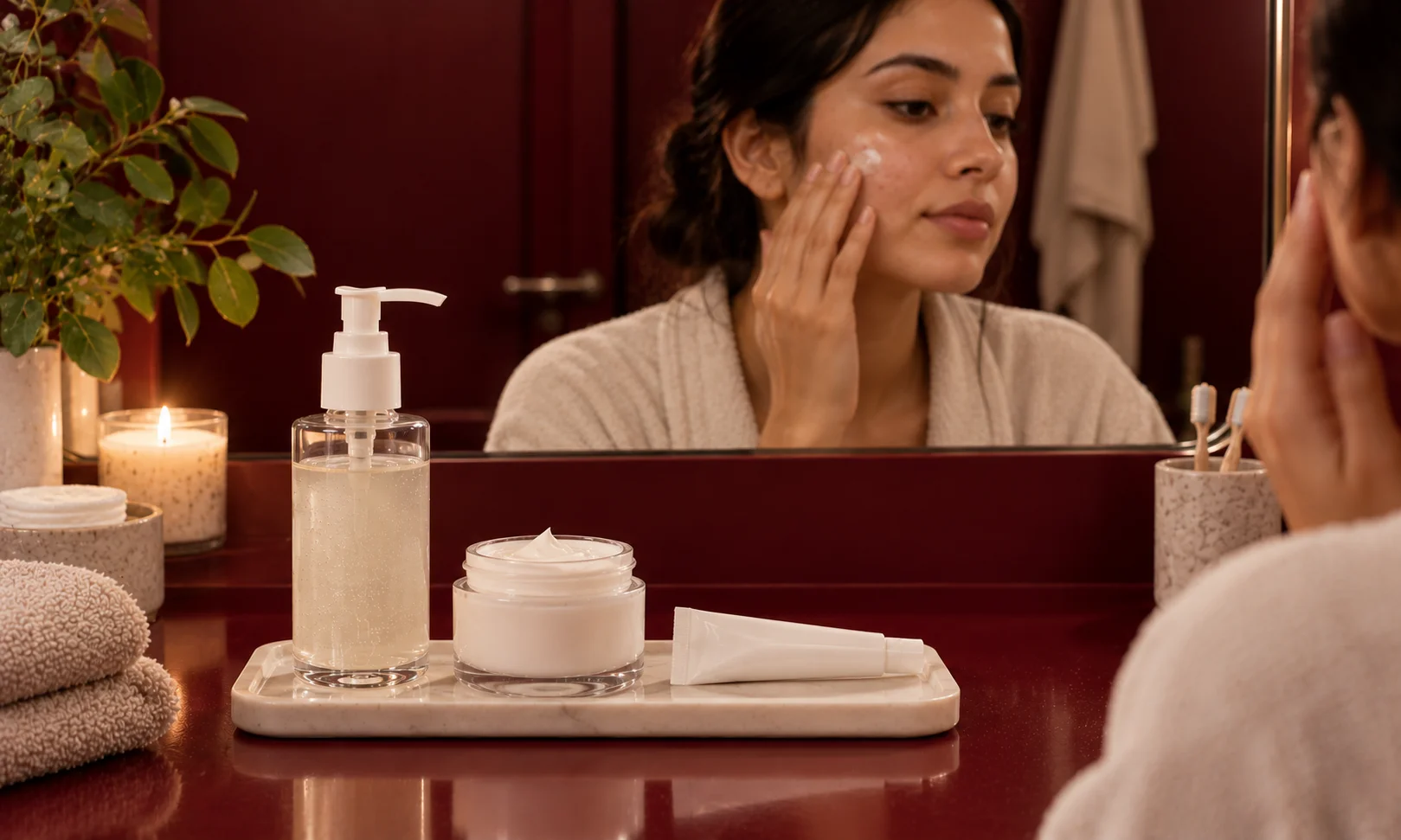
A basic routine is often easier to tolerate than a complicated one.
Morning
Start with a gentle cleanser if you need one. Follow with a moisturizer that suits your skin type, then apply a broad-spectrum sunscreen with SPF 30 or higher.
Sun protection is especially important because retinoids can make skin more sensitive and because UV exposure can worsen many signs of skin damage. Dermatologists recommend broad-spectrum SPF 30 or higher for people using retinoids.
Night
Cleanse your face gently and let your skin dry according to your dermatologist’s instructions. Apply tretinoin exactly as prescribed, then use moisturizer as recommended.
If tretinoin is irritating, do not automatically increase the amount or frequency. Dermatologists may recommend using a smaller amount, applying it less often, or using moisturizer to reduce irritation, but changes to prescription treatment should be discussed with your healthcare professional.
Can Moisturizer Be Used With Tretinoin?
Yes. Moisturizer can be an important part of a tretinoin routine.
Tretinoin can cause dryness and irritation, and dermatologists may recommend moisturizer to improve comfort and help people tolerate acne treatments. For acne-prone skin, look for terms such as “non-comedogenic,” “oil-free,” or “won’t clog pores.”
Applying moisturizer after cleansing can help reduce the uncomfortable dry feeling that some people experience with tretinoin. If your dermatologist recommends applying moisturizer before tretinoin, follow that specific advice.
How Long Does Tretinoin Irritation Last?
Some dryness, peeling, redness, or mild irritation can occur when starting tretinoin. The skin often needs time to adjust, but the experience varies from person to person.
Do not assume that severe irritation is something you simply have to tolerate. If your skin is very painful, develops significant swelling, develops severe burning, or continues getting worse, contact your dermatologist.
Your doctor may be able to adjust the strength, frequency, or application method. The American Academy of Dermatology notes that irritation does not necessarily mean someone is allergic to a retinoid, but treatment may need to be adjusted.
What Dermatology Guidance Says
This article is based on guidance from established medical and dermatology sources, including the American Academy of Dermatology and MedlinePlus. Their recommendations consistently emphasize gentle cleansing, avoiding unnecessary irritation, moisturizing when needed, and using sun protection while treating acne with topical retinoids.
Because tretinoin is a prescription medication in many countries, skincare advice should not replace instructions from your prescribing clinician. Your skin type, tretinoin strength, medical history, and other products you use can all affect how well you tolerate treatment.
Conclusion
The best gentle cleanser for tretinoin is not necessarily the most expensive or the one with the most skincare ingredients. What matters most is choosing a mild, non-abrasive formula that cleans your skin without making it feel stripped, tight, or irritated.
Keep your routine simple. Cleanse gently, moisturize when needed, use tretinoin according to your prescription, and apply broad-spectrum sunscreen during the day. If irritation becomes severe or does not improve, speak with a dermatologist instead of adding more products to fix the problem.
For readers of DaithPiercing, the main lesson is simple: when using tretinoin, gentle skincare is usually better than aggressive skincare.
FAQs
Can I use a gentle cleanser with tretinoin?
Yes. A gentle, non-abrasive cleanser is generally a good choice when using tretinoin. It should clean your skin without leaving it excessively dry or irritated.
Should I use a foaming cleanser with tretinoin?
You can if your skin tolerates it, but a foaming cleanser is not automatically better. If it leaves your skin tight, dry, or uncomfortable, consider switching to a gentler hydrating formula.
Is fragrance-free cleanser better with tretinoin?
A fragrance-free cleanser can be a good option when your skin is sensitive or irritated. Fragrance is not needed to clean the skin and may bother some people with sensitive skin.
Can I use salicylic acid cleanser with tretinoin?
It may increase irritation for some people because both can be drying or irritating. Before combining salicylic acid with tretinoin, it is better to ask your dermatologist whether it fits your treatment plan.
How often should I wash my face while using tretinoin?
For most acne routines, gentle cleansing up to twice a day is reasonable, with cleansing after sweating when needed. Avoid repeated washing and aggressive scrubbing because these can irritate the skin.
Should I moisturize after using tretinoin?
Moisturizer can help manage the dryness and irritation associated with tretinoin. Choose a product that suits your skin type, preferably one labeled non-comedogenic if you are prone to acne.