Niacinamide and azelaic acid are two popular skincare ingredients that can help with acne, redness, uneven skin tone, and dark spots. Because they target different skin concerns, many people wonder if they can be used together or if combining them may irritate the skin.
The good news is that niacinamide and azelaic acid can generally be used in the same skincare routine. In fact, they can complement each other well. Niacinamide helps support the skin barrier, while azelaic acid is better known for addressing acne, inflammation, and pigmentation.
Still, using both does not mean applying several strong products at once. Your skin type, product concentration, and how often you use each ingredient all matter.
At DaithPiercing, we believe skincare information should be simple, practical, and based on reliable evidence rather than exaggerated product claims. Here is what you need to know before adding both ingredients to your routine.
Key Takeaways
- Niacinamide and azelaic acid can usually be used together.
- Niacinamide is a form of vitamin B3 that supports the skin barrier and can help improve the appearance of uneven pigmentation.
- Azelaic acid can help with acne, inflammation, redness, and post-inflammatory hyperpigmentation.
- You can apply them in the same routine if your skin tolerates both.
- Start slowly if you have sensitive or easily irritated skin.
- Daily sunscreen is especially important when treating dark spots and uneven pigmentation.
- More products do not always mean better results. A simple routine is often easier to maintain.
What Is Niacinamide?
Niacinamide, also called nicotinamide, is a form of vitamin B3 used in many skincare products. It is a versatile ingredient because it can support several aspects of skin health.
Research has found that topical niacinamide can help improve the appearance of hyperpigmentation and skin tone. It has also been studied for its effects on the skin barrier, moisture retention, inflammation, and signs of skin aging.
One of its useful properties is its effect on the skin barrier. Studies have reported that topical niacinamide can reduce transepidermal water loss and support the skin’s moisture barrier.
What Does Niacinamide Do for Skin?
Niacinamide may help with:
- Uneven skin tone
- The appearance of dark spots
- Excess oil
- Redness
- A weakened skin barrier
- Dryness caused by environmental factors
- The appearance of fine lines and dull skin
It is often considered a beginner-friendly ingredient because it is generally well tolerated when used correctly. However, that does not mean every concentration or formula will suit every person.
What Is Azelaic Acid?
Azelaic acid is a naturally occurring dicarboxylic acid used in topical skincare and dermatology treatments. It has several properties that make it useful for acne-prone and pigmentation-prone skin.
The American Academy of Dermatology includes azelaic acid among topical treatments recommended for acne. It is also used in the management of rosacea and can help reduce the appearance of lingering discoloration.
Azelaic acid is also used for pigmentation concerns. Research has found that it can help lighten areas of hyperpigmentation, while dermatology guidance lists it as one option for treating melasma and dark spots.
What Does Azelaic Acid Do for Skin?
Azelaic acid may help improve:
- Acne and blemishes
- Redness associated with certain skin conditions
- Post-inflammatory hyperpigmentation
- Uneven skin tone
- The appearance of dark marks left after acne
It is available in different strengths and formulations. Prescription products can contain higher concentrations than many over-the-counter products, so the strength and formulation should always be considered before starting regular use.
Can You Use Niacinamide and Azelaic Acid Together?
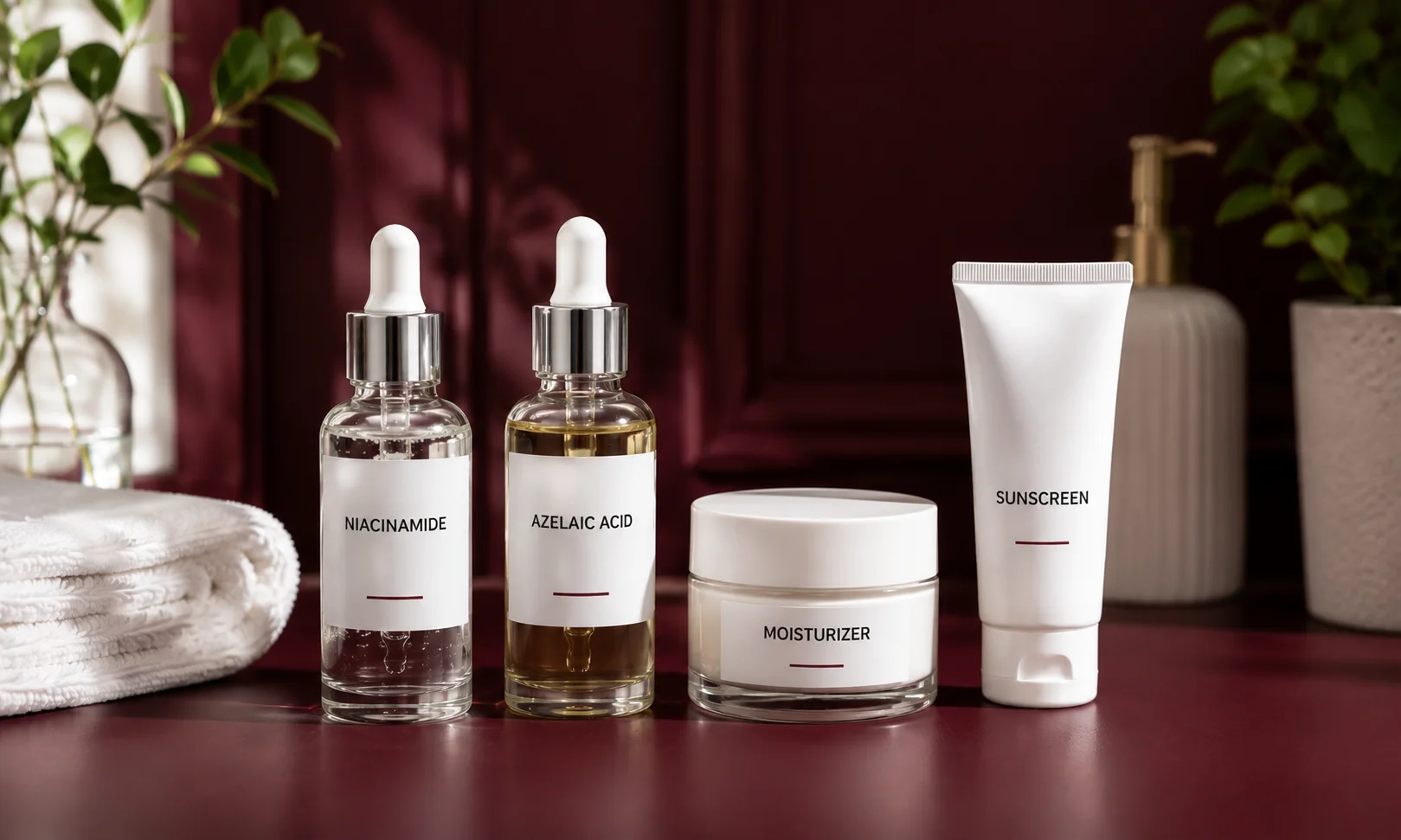
Yes. Niacinamide and azelaic acid can generally be used together.
There is no general rule requiring you to separate these two ingredients. They also work in different ways, which makes the combination appealing for people dealing with several concerns at once.
Niacinamide can support the skin barrier and help with uneven pigmentation, while azelaic acid directly targets concerns such as acne, inflammation, and discoloration. Clinical research supports benefits from both ingredients for pigmentation-related concerns.
Using them together may therefore create a balanced routine. However, combining two active ingredients can still irritate some people, particularly if the products are strong or the skin is already sensitive.
Niacinamide vs. Azelaic Acid: Which Is Better?
There is no single winner because they are useful for different purposes.
| Skin Concern | Niacinamide | Azelaic Acid |
|---|---|---|
| Skin barrier | Excellent support | Secondary benefit |
| Excess oil | May help | May help indirectly |
| Acne | May support acne-prone skin | Stronger evidence and common dermatology use |
| Dark spots | Helpful | Helpful |
| Redness | May help | Particularly useful for some redness concerns |
| Uneven skin tone | Helpful | Helpful |
| Sensitive skin | Usually well tolerated | Can cause initial irritation |
If your main concern is a weakened barrier or general unevenness, niacinamide may be a comfortable starting point. If acne, persistent discoloration, or certain forms of redness are your main concerns, azelaic acid may offer a more targeted approach.
You do not necessarily have to choose only one.
How to Use Niacinamide and Azelaic Acid Together
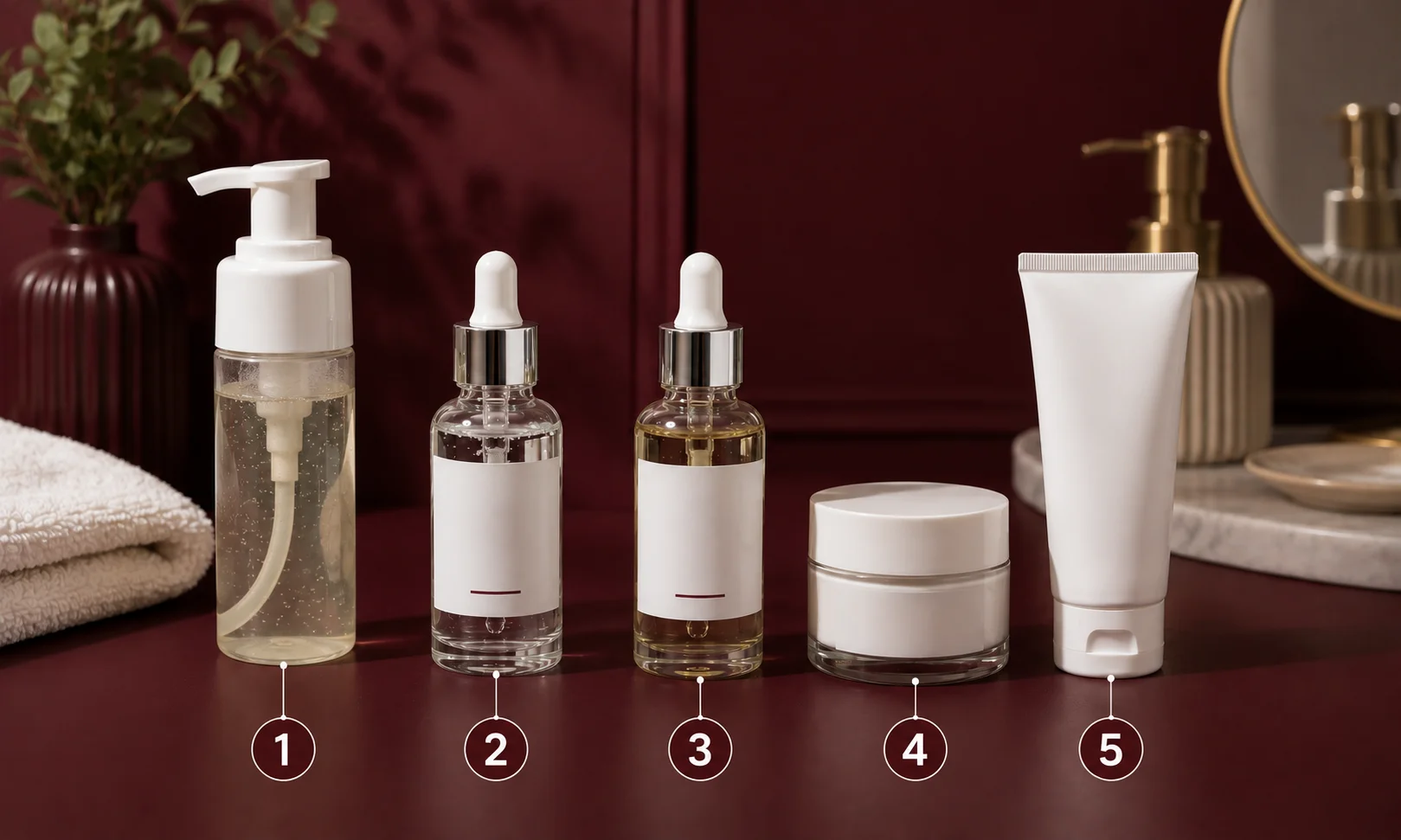
The easiest approach is to keep your routine simple.
Morning Routine
Start with a gentle cleanser if you need one. Apply your niacinamide product, followed by moisturizer and sunscreen.
If your skin already tolerates azelaic acid well, it can also be included in the morning routine. Finish with broad-spectrum sunscreen, especially when your goal is to improve dark spots or uneven pigmentation.
The American Academy of Dermatology recommends sun protection as an important part of managing dark spots because ultraviolet exposure can make pigmentation more noticeable.
Evening Routine
At night, cleanse your skin and apply niacinamide. You can then apply azelaic acid and finish with moisturizer.
There is no universal requirement to apply one ingredient before the other. In practice, the thinner product is usually applied first, but the instructions on your specific products should take priority.
If using both at once causes stinging, dryness, or persistent redness, try using them at different times of day or on alternate days.
How Often Should You Use Them?
If your skin is already comfortable with both ingredients, you may be able to use them regularly.
If you are new to azelaic acid, start with a few applications per week rather than immediately using it every day. Give your skin time to adjust.
Niacinamide is often easier to introduce, but higher-strength products are not automatically better. A product that feels comfortable enough to use consistently is often more useful than a stronger product that repeatedly irritates your skin.
Consistency matters because pigmentation and acne concerns usually take time to improve.
Can They Help With Acne and Dark Spots?
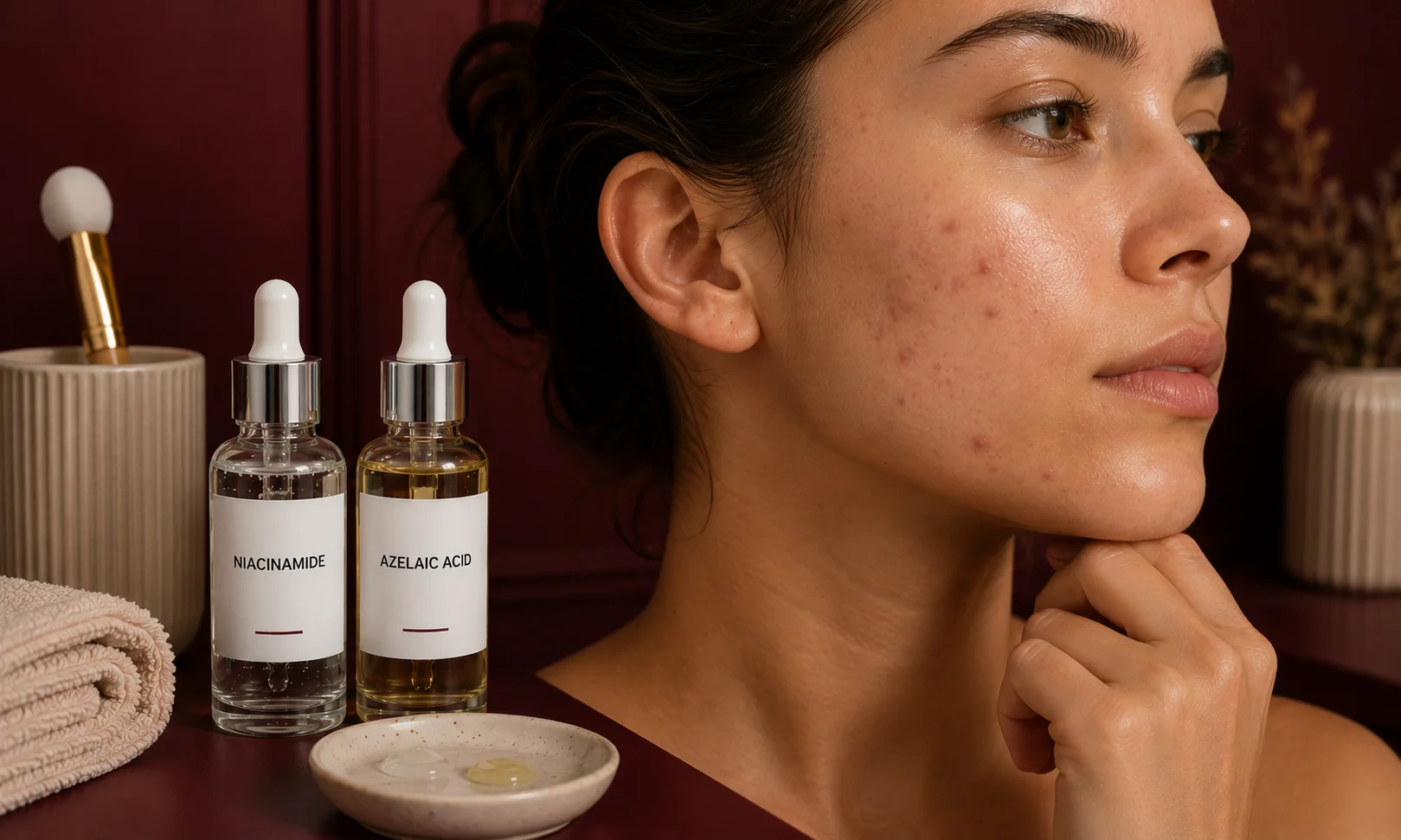
This combination can make sense if you are dealing with both acne and the marks left behind after breakouts.
Azelaic acid has an established role in topical acne treatment and may also help reduce persistent discoloration.
Niacinamide can complement this routine by supporting the skin barrier and helping improve the appearance of uneven pigmentation. Clinical research has found reductions in hyperpigmentation with topical niacinamide.
However, neither ingredient should be viewed as an instant solution. Acne can have different causes and levels of severity, and persistent or severe acne may need professional treatment.
Possible Side Effects
Both ingredients are generally considered useful topical ingredients, but irritation is still possible.
Azelaic acid can cause temporary burning, stinging, itching, dryness, or redness, particularly when you first start using it. Niacinamide is usually well tolerated, although some people can experience irritation, especially with highly concentrated formulas or when several active products are used together.
To reduce the chance of irritation:
- Introduce one new product at a time.
- Start with a small amount.
- Avoid applying several strong actives together when starting.
- Use a gentle moisturizer.
- Stop or reduce use if irritation becomes persistent.
- Patch test new products when appropriate.
If you develop significant swelling, blistering, severe burning, or another unusual reaction, stop using the product and seek medical advice.
Who Should Be More Careful?
People with very sensitive, damaged, or irritated skin should introduce active ingredients slowly.
You should also be careful when building a routine that already contains retinoids, exfoliating acids, benzoyl peroxide, or other potentially irritating treatments. Adding several actives at the same time makes it harder to identify what is irritating.
If you are treating persistent acne, rosacea, melasma, or significant pigmentation, a dermatologist can help determine which ingredients and concentrations are appropriate for your skin.
Azelaic acid is also considered a pregnancy-compatible acne treatment by the American Academy of Dermatology, but pregnancy skincare should still be discussed with a qualified healthcare professional, particularly if you are using multiple active treatments.
What Does the Evidence Say?
The evidence for these ingredients is not simply based on skincare trends.
Published research supports topical niacinamide for several skin benefits, including improvements in pigmentation and skin barrier function. Azelaic acid also has established dermatological uses, including acne treatment and management of pigmentation-related concerns.
Still, skincare studies do not mean that every product will produce identical results. Formula, concentration, skin type, consistency, and the condition being treated can all affect the outcome.
For that reason, it is better to view niacinamide and azelaic acid as useful tools rather than miracle ingredients.
Conclusion
Niacinamide and azelaic acid can make a useful combination for people dealing with acne, redness, uneven tone, and post-acne dark marks. Niacinamide focuses more on supporting the skin barrier and improving overall skin appearance, while azelaic acid offers more targeted benefits for acne and pigmentation.
You do not need a complicated routine to use them effectively. Start slowly, choose suitable formulations, moisturize regularly, and use sunscreen during the day. If your skin becomes persistently irritated or your acne or pigmentation does not improve, professional dermatological advice is the safest next step.
For more practical skincare guides, DaithPiercing focuses on clear, easy-to-understand information that helps readers make informed skincare choices.
Frequently Asked Questions
Can I use niacinamide and azelaic acid at the same time?
Yes. Most people can use niacinamide and azelaic acid in the same routine. If your skin becomes irritated, separate them between morning and evening or use them on alternate days.
Should I use niacinamide before azelaic acid?
Usually, you can apply the lighter, thinner product first and then the thicker treatment. However, product instructions should come first because formulations vary.
Can niacinamide and azelaic acid remove dark spots?
They can help improve the appearance of hyperpigmentation over time. Azelaic acid has evidence for treating pigmentation, while clinical studies have also found that topical niacinamide can reduce hyperpigmentation.
Can I use them every day?
Many people can use them regularly, but frequency should depend on how your skin responds. Start slowly if you are new to azelaic acid or have sensitive skin.
Can I use niacinamide and azelaic acid with retinol?
They can potentially be part of the same overall routine, but adding several active ingredients at once can increase irritation. If you use retinol, introduce each active separately and consider alternating treatments until your skin adjusts.
Do I still need sunscreen?
Yes. Sunscreen is especially important when your goal is to improve dark spots, melasma, or uneven pigmentation. Sun exposure can worsen pigmentation, making treatment less effective.