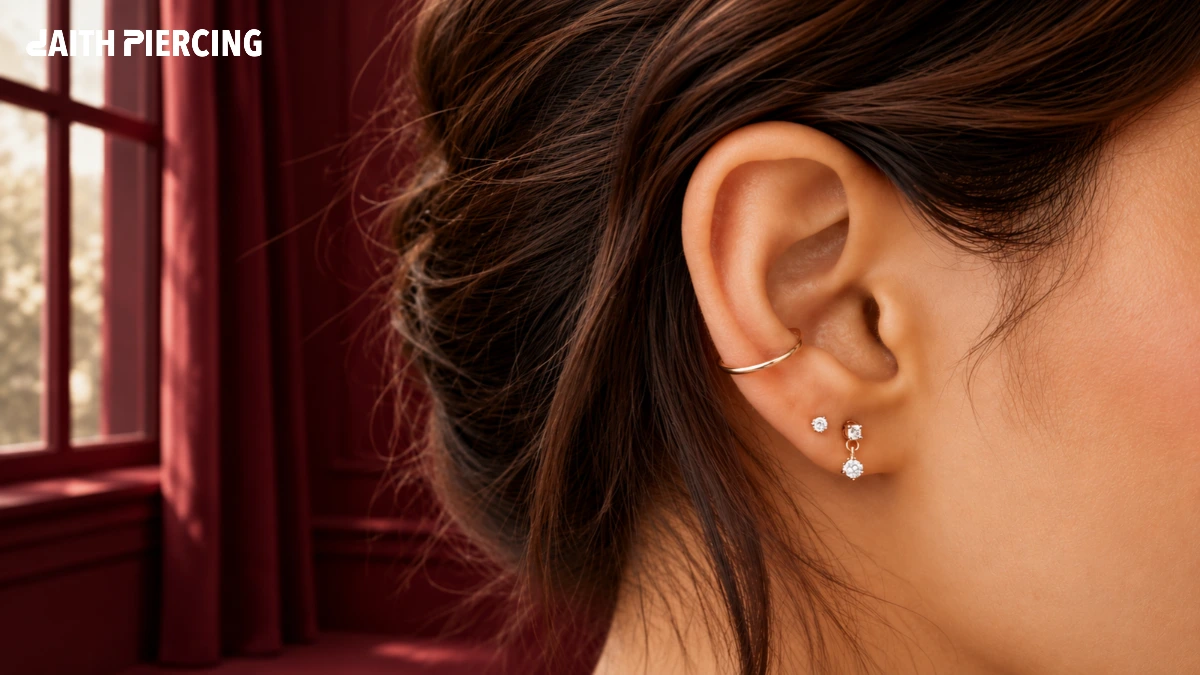
A conch piercing is a stylish way to make your ear stand out without needing an elaborate jewelry collection. Positioned in the curved cartilage of the ear, it can look subtle with a simple stud or more striking with a decorative hoop after healing.
Its versatility makes it a popular choice for people who want to build an ear stack or add a distinctive detail to their personal style. However, because a conch piercing passes through cartilage rather than the soft earlobe, it requires patience, suitable jewelry, and consistent aftercare.
Before booking an appointment, it helps to understand the different types of conch piercings, how much they may hurt, how long healing takes, and how to care for the piercing properly.
What Is a Conch Piercing?
A conch piercing is a cartilage piercing placed in the bowl-shaped area of the ear, known as the concha. The name comes from the ear’s shell-like shape.
There are two main types: inner conch and outer conch. The right placement depends on your ear anatomy, the jewelry you prefer, and the recommendation of an experienced piercer.
Unlike an earlobe piercing, a conch piercing goes through firm cartilage. This means it may remain tender for longer and typically takes several months to heal fully.
Types of Conch Piercings
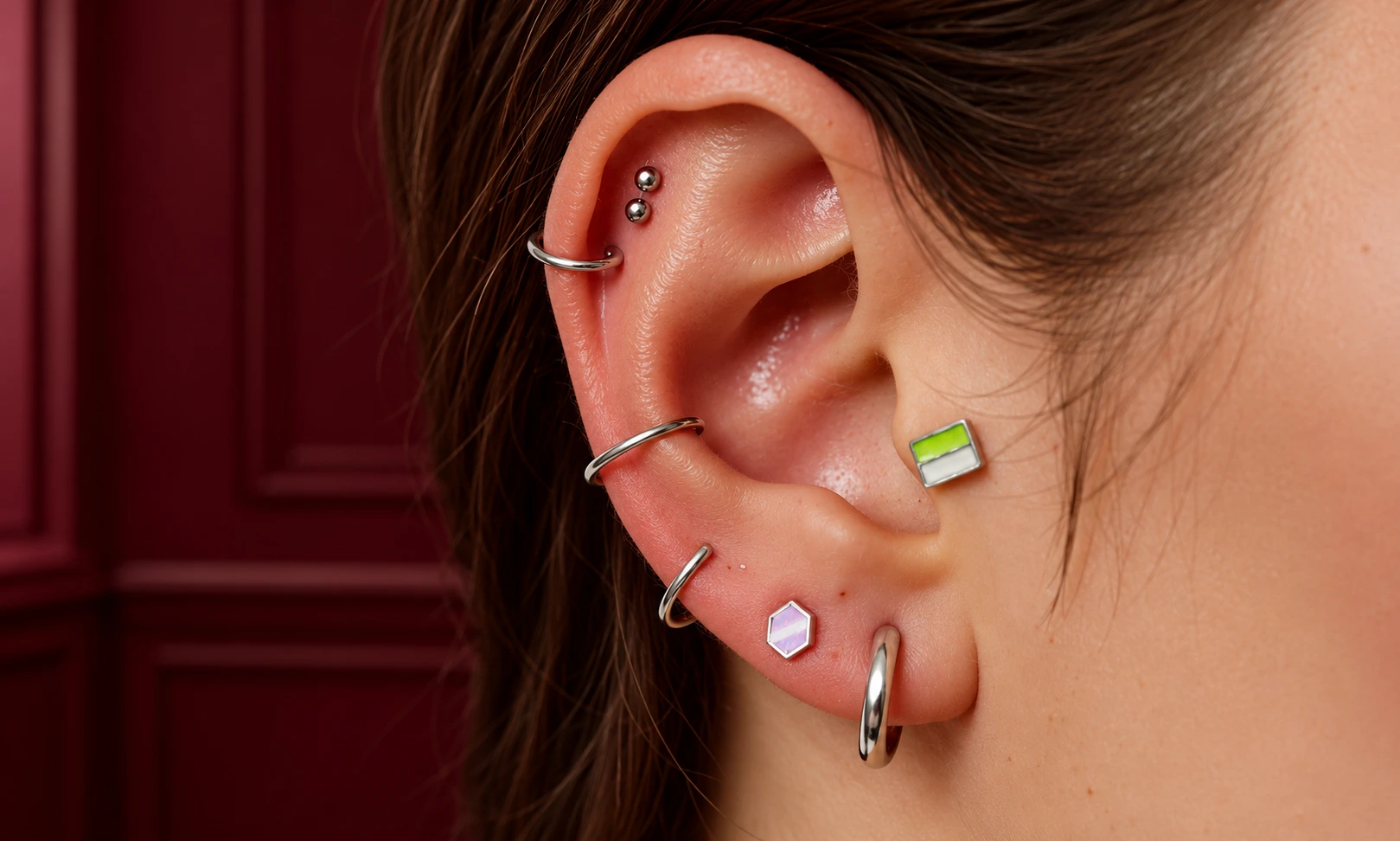
Inner Conch Piercing
An inner conch piercing sits in the deeper, central bowl of the ear. It is often styled with a small flat-back stud, gemstone, or minimalist metal design.
This placement can create a noticeable look without requiring oversized jewelry. Because everyone’s ear shape is different, a professional piercer should assess the available space before deciding on the position.
Outer Conch Piercing
An outer conch piercing sits closer to the outer cartilage of the ear. Its appearance depends on the exact placement and the natural shape of the ear.
Some placements may accommodate a hoop once fully healed, while others are better suited to studs. Not every ear is suitable for every jewelry style, so placement should be planned around both anatomy and comfort.
Double Conch Piercing
A double conch piercing features two piercings in the conch area. Matching studs can create a balanced appearance, while different sizes or shapes can produce a more individual look.
Getting two cartilage piercings at once may increase swelling and make sleeping or cleaning more challenging. Ask your piercer whether having both done together is appropriate for your anatomy and circumstances.
How Much Does a Conch Piercing Hurt?
Pain varies between individuals. A conch piercing commonly feels like a sharp pinch followed by pressure, and the initial procedure is usually brief.
Because cartilage is firmer than the earlobe, some people find the experience more intense than a standard lobe piercing. Tenderness may continue after the appointment, particularly when the ear is touched or pressed.
You may experience mild swelling, sensitivity, or a small amount of bleeding during the early healing period. These symptoms should generally improve rather than become increasingly severe.
Avoid touching the jewelry unnecessarily, and do not sleep directly on the newly pierced ear.
How Long Does a Conch Piercing Take to Heal?
A conch piercing typically takes around 6–12 months or longer to heal fully. Healing time depends on individual anatomy, jewelry fit, aftercare, and whether the piercing experiences repeated irritation.
The outside may look healed before the internal tissue has finished recovering. For that reason, a piercing that no longer hurts is not necessarily ready for a jewelry change.
What to Expect During Healing
First few days: Mild swelling, tenderness, redness, or slight bleeding may occur.
First several weeks: The piercing can remain sensitive, especially if accidentally bumped. A small amount of pale fluid that dries into crust can occur during normal healing.
Following months: The area should gradually become more comfortable, but pressure and friction can still cause irritation.
Full healing: The piercing should be free from ongoing tenderness, swelling, and discharge. A qualified piercer can help assess whether it is ready for different jewelry.
If pain, redness, heat, or swelling increases instead of improving, seek medical advice.
Best Jewelry for a Conch Piercing
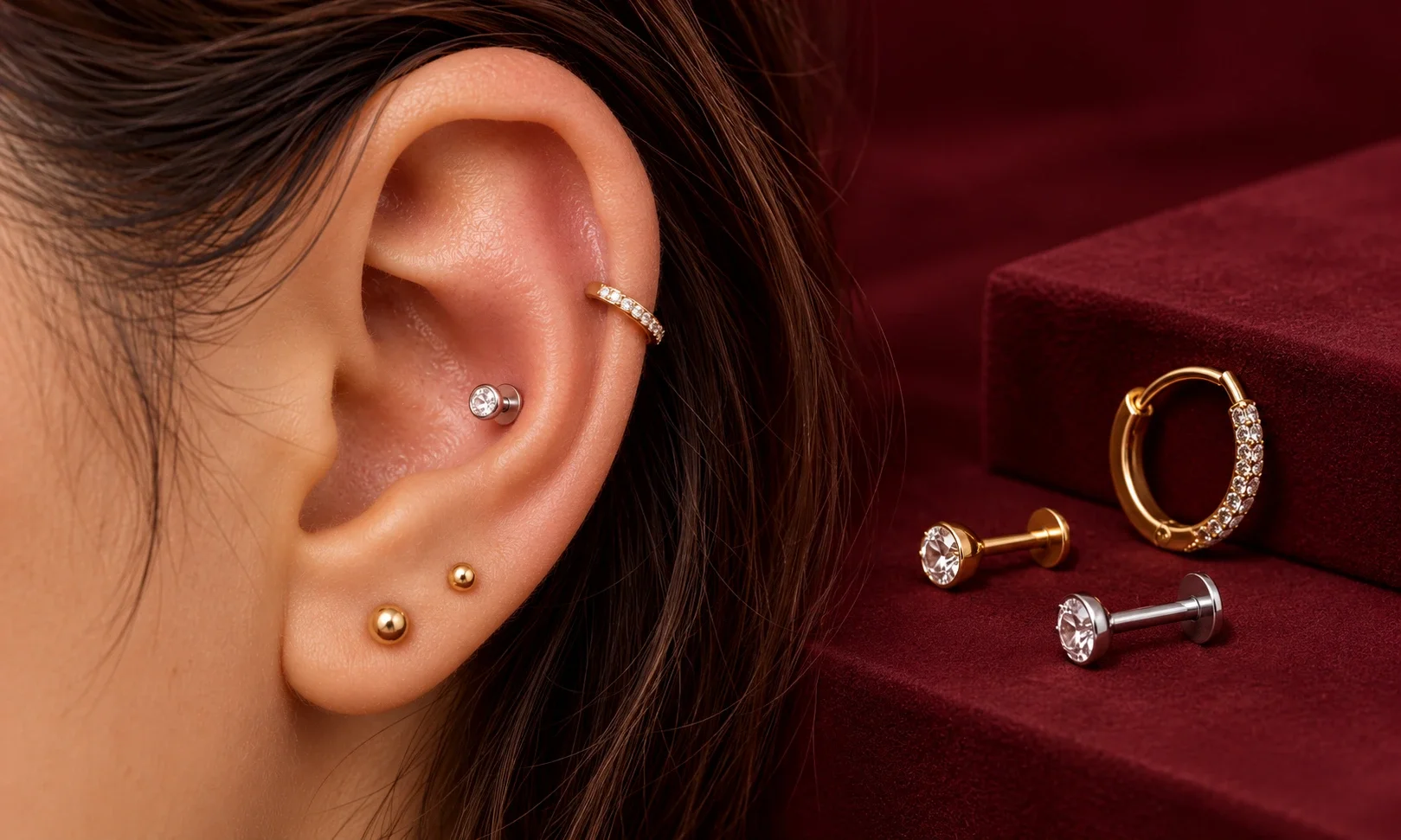
Jewelry affects both the appearance and comfort of a conch piercing. The right choice should fit your anatomy and be made from a material suitable for a fresh piercing.
Flat-Back Labret Stud
A flat-back labret stud is a common choice for initial conch jewelry. Its backing can sit comfortably against the ear when properly sized.
The post must allow for initial swelling without being so long that it catches on hair or clothing. A professional piercer can choose an appropriate fit and determine whether the jewelry needs to be shortened later.
Implant-Grade Titanium
Implant-grade titanium is a popular option for fresh piercings because it is lightweight and suitable for many people with metal sensitivities. Ask the piercer to identify the specific material and quality rather than relying only on the term “hypoallergenic.”
Gold Conch Jewelry
Solid, nickel-free gold in an appropriate purity may be suitable when it is designed for piercing use and correctly fitted. Gold-plated jewelry is generally not a good choice for a fresh piercing because the surface can wear away.
Conch Hoops
Hoops can give a conch piercing a distinctive appearance, especially when paired with other ear jewelry. However, they can move more than studs and may catch on bedding, clothing, or hair.
A properly fitted stud is often a more practical choice during initial healing. Consider a hoop only after the piercing has healed fully and a qualified piercer confirms that the jewelry is appropriate.
How Much Does a Conch Piercing Cost?
The cost depends on the studio, the piercer’s experience, your location, and the jewelry you select. A basic piercing with suitable jewelry will generally cost less than one featuring premium gold or gemstones.
Before booking, ask whether the price includes jewelry, aftercare guidance, and follow-up checks.
Avoid choosing a studio based only on the lowest price. Sterile equipment, appropriate jewelry, and professional technique are important for reducing avoidable complications.
Conch Piercing Aftercare: How to Clean It Properly
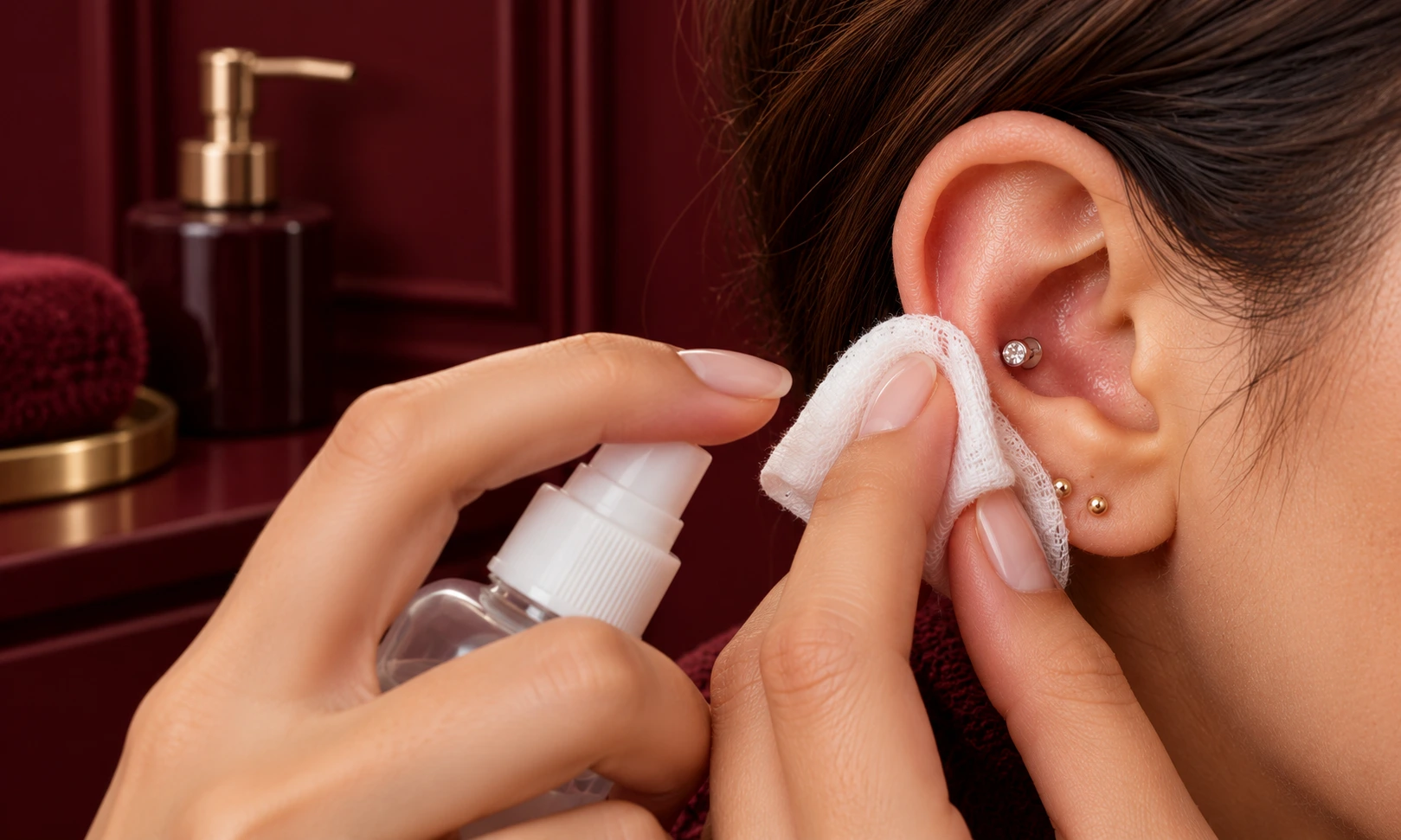
Proper aftercare helps protect the healing tissue and reduce unnecessary irritation.
1. Wash Your Hands
Wash your hands thoroughly before touching the piercing or cleaning around it. Avoid handling the jewelry when it is not necessary.
2. Clean With Sterile Saline
Use sterile saline wound wash containing 0.9% sodium chloride as the only active ingredient. Follow the product instructions, or rinse gently with clean water as appropriate.
Avoid homemade salt solutions that may be too concentrated or contaminated.
3. Dry the Area Gently
After cleaning, pat the area dry with clean disposable gauze. Do not rub the piercing or snag the jewelry.
4. Do Not Twist the Jewelry
Rotating or moving the stud can irritate the healing channel. Clean around the piercing without turning or pulling the jewelry.
5. Avoid Sleeping on the Piercing
Direct pressure can cause soreness and prolong irritation. Try sleeping on the opposite side or using a clean travel pillow that allows the pierced ear to sit in the opening.
6. Keep Hair and Headphones Away
Hair products, cosmetics, headphones, phones, and tight headwear can rub against the piercing. Keep items that touch your ear clean and avoid anything that presses against the jewelry.
Avoid harsh cleaning products such as rubbing alcohol, hydrogen peroxide, and iodine, as well as ointments that are not recommended by a healthcare professional.
Conch Piercing Bumps: What Causes Them?
A small bump near a conch piercing may develop because of pressure, friction, unsuitable jewelry, or irritation during healing. A bump does not automatically mean the piercing is infected or that it is a keloid.
Avoid squeezing it, applying harsh products, or repeatedly moving the jewelry. Check whether your sleeping position, headphones, or jewelry fit could be irritating the area.
If a bump persists, grows, or becomes painful, arrange an assessment with a healthcare professional. Increasing redness, warmth, swelling, or pus may indicate infection and should be evaluated promptly.
What Are the Risks of a Conch Piercing?
Conch piercings carry several potential risks, including infection, allergic reactions, prolonged irritation, scarring, and problems caused by jewelry that is too tight.
Cartilage infections deserve particular attention because they can become serious and potentially damage the ear if treatment is delayed.
Seek prompt medical advice if the ear becomes increasingly hot, swollen, painful, or very red or dark, or if you notice thick pus, fever, or chills. Do not remove the jewelry yourself if you suspect an infection unless a healthcare professional advises you to do so.
Choose an experienced piercer who uses sterile, single-use needles and appropriate sterilization procedures. Never attempt a cartilage piercing at home or with a piercing gun.
Can You Wear Headphones With a Conch Piercing?
Headphones may be uncomfortable if they press against a fresh conch piercing. Over-ear headphones and earbuds can both cause problems, depending on their design and the position of the piercing.
During healing, use alternatives that do not touch or compress the area. Keep devices clean and stop using anything that causes pain or irritation.
Can You Change a Conch Piercing Early?
Changing a conch piercing too early can damage healing tissue and introduce irritation. Even when the outside looks normal, the inside may still be healing. While exploring your personal style through easy hairstyles or other beauty trends, remember that proper piercing aftercare should remain a priority.
If your initial jewelry feels too tight, catches frequently, or causes persistent problems, return to a qualified piercer for an assessment. A professional can determine whether an adjustment is necessary.
Never force jewelry through a piercing that feels tight or has become irritated. If infection is suspected, consult a healthcare professional before making changes. Once your piercing has healed, you can enjoy other beauty trends, from almond French tip nails to seasonal fall nail colors, without compromising your healing routine.
Frequently Asked Questions
Is a conch piercing more painful than a helix piercing?
Pain varies from person to person. Both pass through cartilage, and neither is guaranteed to hurt more than the other. Placement, anatomy, technique, and individual sensitivity all affect the experience.
Can you get a conch piercing in either ear?
Yes. A conch piercing can be placed in either ear if the anatomy is suitable. Consider your sleeping position, headphone use, and existing piercings before choosing a side.
Can a conch piercing help with migraines?
There is no strong clinical evidence that a conch piercing treats or prevents migraines. It should not replace medical evaluation or evidence-based migraine treatment.
When can you sleep on a conch piercing?
Avoid sleeping directly on the piercing while it is healing. Pressure can cause irritation even after the initial tenderness has disappeared.
Can you swim with a new conch piercing?
It is safest to avoid submerging a healing piercing in pools, hot tubs, lakes, and other bodies of water where contamination may occur. Ask your piercer for advice based on your healing stage and planned activities.
How do you know when a conch piercing is fully healed?
A fully healed piercing should not have ongoing tenderness, swelling, discharge, or crusting. Because the internal tissue may heal more slowly than the surface, seek advice from a qualified piercer if you are uncertain.
Final Thoughts
A conch piercing offers a versatile way to personalize your ear, whether you prefer a minimalist stud, a gemstone, or a decorative hoop after healing. The most important steps are choosing an experienced piercer, selecting suitable jewelry, and allowing the cartilage enough time to recover.
Keep aftercare gentle, avoid unnecessary pressure, and do not rush jewelry changes. Patience and consistent care can help you enjoy your piercing while reducing avoidable complications.
Disclaimer: This article is intended for informational purposes only and does not replace professional medical advice. Consult a qualified healthcare professional if you suspect an infection, experience worsening symptoms, or have concerns about piercing complications.
Disclaimer:
This article is for informational and educational purposes only and is not a substitute for professional medical advice. A conch piercing carries potential risks, including infection, allergic reactions, swelling, irritation, and scarring. Healing times vary, and proper jewelry selection and aftercare are essential. Always choose a reputable professional piercer and follow appropriate aftercare instructions. Seek prompt medical advice if you experience worsening pain, spreading redness, increasing swelling, pus, fever, or other signs of infection.