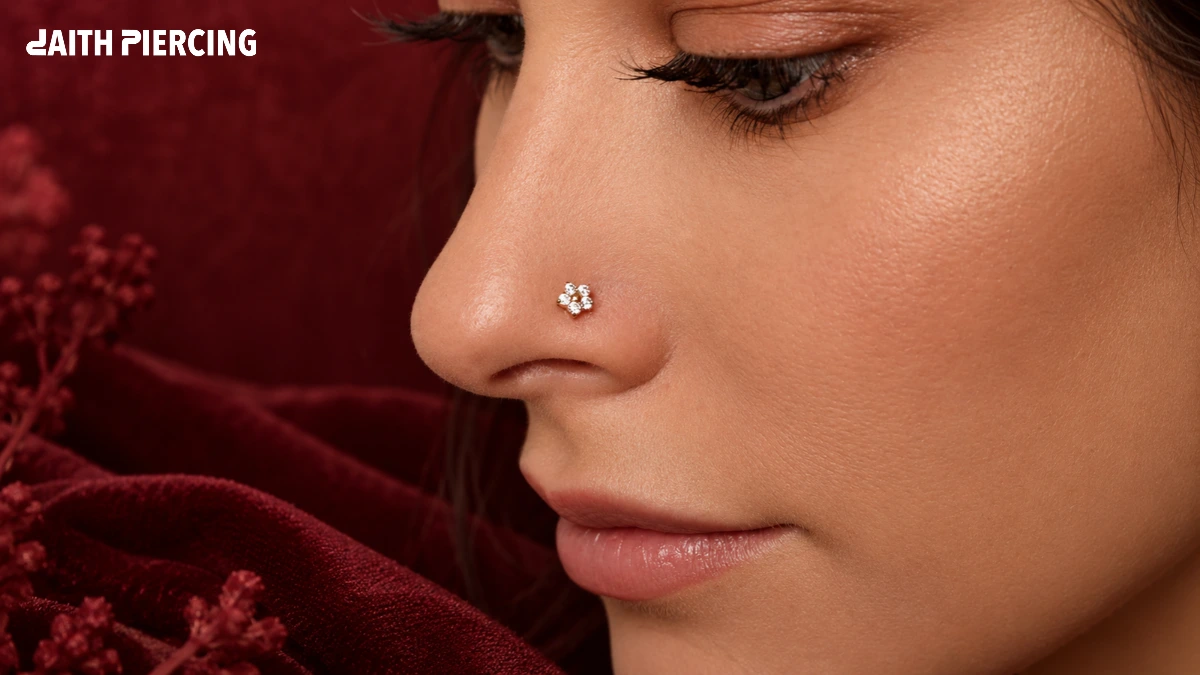
A Nose Piercing Guide can be as subtle as a tiny gemstone on the nostril or as distinctive as a septum ring. For some people, it is a simple fashion choice; for others, it becomes part of their identity and personal style. The right placement and jewelry can complement your features without needing an elaborate look.
But before getting pierced, it helps to understand what the process involves. Different nose piercings have different healing times, jewelry requirements, and potential complications. Knowing how to care for a new piercing can also make recovery more comfortable.
This guide explains the most popular nose piercing types, how painful they are, how long they take to heal, and what to know before booking an appointment.
What Is a Nose Piercing?
A nose piercing is a body piercing placed through tissue in or around the nose. The most common placements include the nostril and septum, although other options are available for people seeking a more distinctive look.
A nostril piercing passes through the side of the nose, while a septum piercing passes through the soft tissue near the front of the nasal septum. Bridge and rhino piercings use different placements and require more specialized anatomical assessment.
The best option depends on your anatomy, preferred appearance, lifestyle, and willingness to follow the aftercare routine. An experienced professional piercer should assess the area before recommending a placement.
Types of Nose Piercings
1. Nostril Piercing
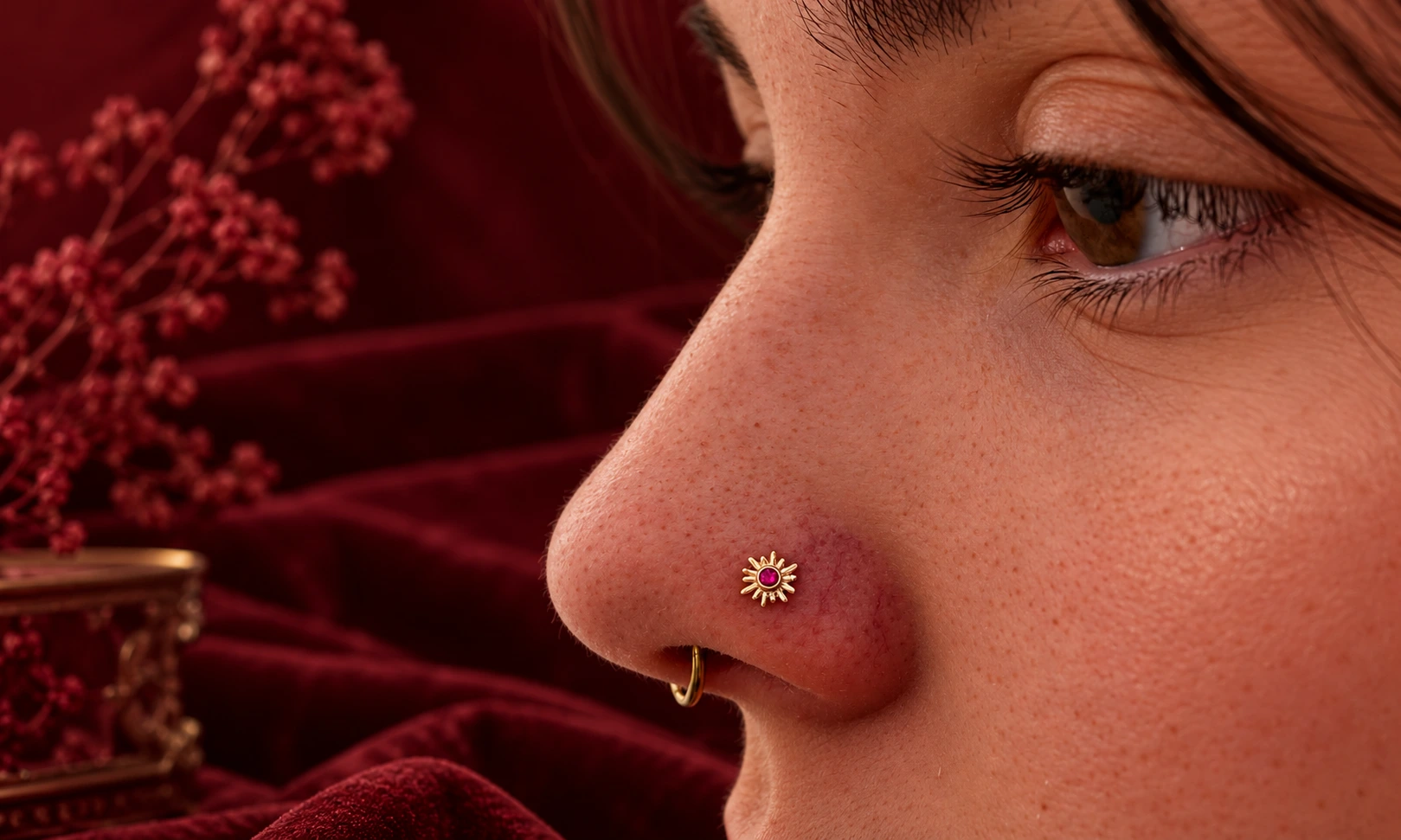
A nostril piercing passes through one side of the nose and is one of the most popular choices. It can look understated with a small stud or more noticeable with a decorative gemstone or hoop.
Common jewelry options include flat-back studs, small gemstones, and hoops after the piercing has healed sufficiently.
A single nostril piercing creates a classic look, while piercings on both sides can provide a balanced, symmetrical appearance.
2. High Nostril Piercing
A high nostril piercing sits higher on the side of the nose than a traditional nostril piercing. It can create a distinctive look, particularly when paired with a standard nostril stud.
Jewelry choices may be more limited because the placement affects how the jewelry sits. High nostril piercings can also be more challenging to heal, so an experienced piercer should assess your anatomy and explain the likely limitations.
3. Septum Piercing
A septum piercing passes through the soft tissue near the front of the nasal septum, between the nostrils. Correct placement is important because piercing through the harder cartilage can cause unnecessary pain and complications.
Popular jewelry styles include circular barbells, clicker rings, and captive bead rings. Some jewelry can be flipped upward inside the nose, depending on its design and the piercing’s placement.
Septum piercings can be discreet or bold, making them a versatile option for different personal styles.
4. Bridge Piercing
A bridge piercing sits across the upper bridge of the nose, usually between the eyes. It passes through surface tissue rather than the nasal bone.
This piercing is more anatomy-dependent than a standard nostril piercing. Because it is a surface piercing, it may be more likely to migrate or be rejected by the body.
A qualified piercer should assess the amount of suitable tissue and explain the risks before proceeding.
5. Double Nostril Piercing
A double nostril piercing features two piercings on one side of the nose. The jewelry can be arranged vertically, diagonally, or in another pattern suited to your anatomy.
Matching studs create a coordinated look, while different jewelry styles can add contrast. If you are considering two fresh piercings at once, remember that both will require care and may increase local swelling and tenderness.
6. Rhino Piercing
A rhino piercing passes vertically through the tip of the nose. It is less common than nostril or septum piercings and requires careful anatomical assessment.
Because the placement is specialized, it is important to consult an experienced piercer who can explain the potential for irritation, scarring, migration, and prolonged healing.
Nose Piercing Guide: How Much Does a Nose Piercing Hurt?
Nose piercing pain varies depending on the placement, individual sensitivity, and the piercer’s technique.
A nostril piercing often feels like a sharp pinch followed by brief pressure. Your eyes may water automatically, even if the pain is manageable. A correctly placed septum piercing through suitable soft tissue may cause a quick sting, while piercing through cartilage can be considerably more painful.
Bridge and rhino piercings have different sensations and risks because of their placement.
After the procedure, mild swelling, tenderness, and a small amount of bleeding may occur. Symptoms should gradually improve rather than become increasingly severe.
If you are nervous, choose a reputable studio, ask the piercer to explain the procedure, and avoid alcohol or non-prescribed medication intended to make the process easier.
How Long Does a Nose Piercing Take to Heal?
Healing time depends on the piercing type, jewelry fit, aftercare, and individual healing response.
| Piercing type | Approximate healing time |
| Nostril | Around 4–6 months or longer |
| High nostril | Around 6–12 months or longer |
| Septum | Around 3–6 months |
| Bridge | Around 3–6 months or longer |
| Rhino | Several months or longer; highly variable |
These are general estimates rather than guaranteed timelines. Some piercings take longer to heal, particularly when they experience repeated pressure, movement, or irritation.
A piercing can look healthy on the outside while the internal tissue is still healing. Avoid changing jewelry simply because the area no longer hurts. A qualified piercer can assess whether it is ready for a change.
Best Jewelry for a Nose Piercing
The right jewelry should fit the piercing comfortably, suit your anatomy, and be made from an appropriate material.
Nose Studs
Nose studs are a popular choice for their simple appearance. They come in minimalist metal designs, small gemstones, and decorative shapes.
For a fresh nostril piercing, a properly fitted flat-back labret is often suitable. The initial jewelry must allow for swelling without being so long that it catches easily.
Nose Hoops
Nose hoops create a circular shape around the nostril and are available in different diameters and finishes.
Although hoops can look attractive, they may move more than studs and cause irritation during early healing. Wait until the piercing has healed sufficiently, and have a qualified piercer confirm the correct size before switching.
Septum Rings
Septum jewelry includes clickers, circular barbells, and other ring designs. The appropriate diameter and thickness depend on the piercing’s placement and your anatomy.
Jewelry should not pinch the surrounding tissue or cause persistent pressure.
Jewelry Materials
Implant-grade titanium is a popular option for new piercings because it is lightweight and suitable for many people with metal sensitivities. Certain nickel-free solid gold jewelry may also be appropriate when it is manufactured for piercing use.
Avoid poorly finished jewelry, plated metals that may wear away, and pieces that are too tight. Ask your piercer to identify the material rather than relying on vague descriptions such as “hypoallergenic.”
Nose Piercing Guide: How Much Does a Nose Piercing Cost?
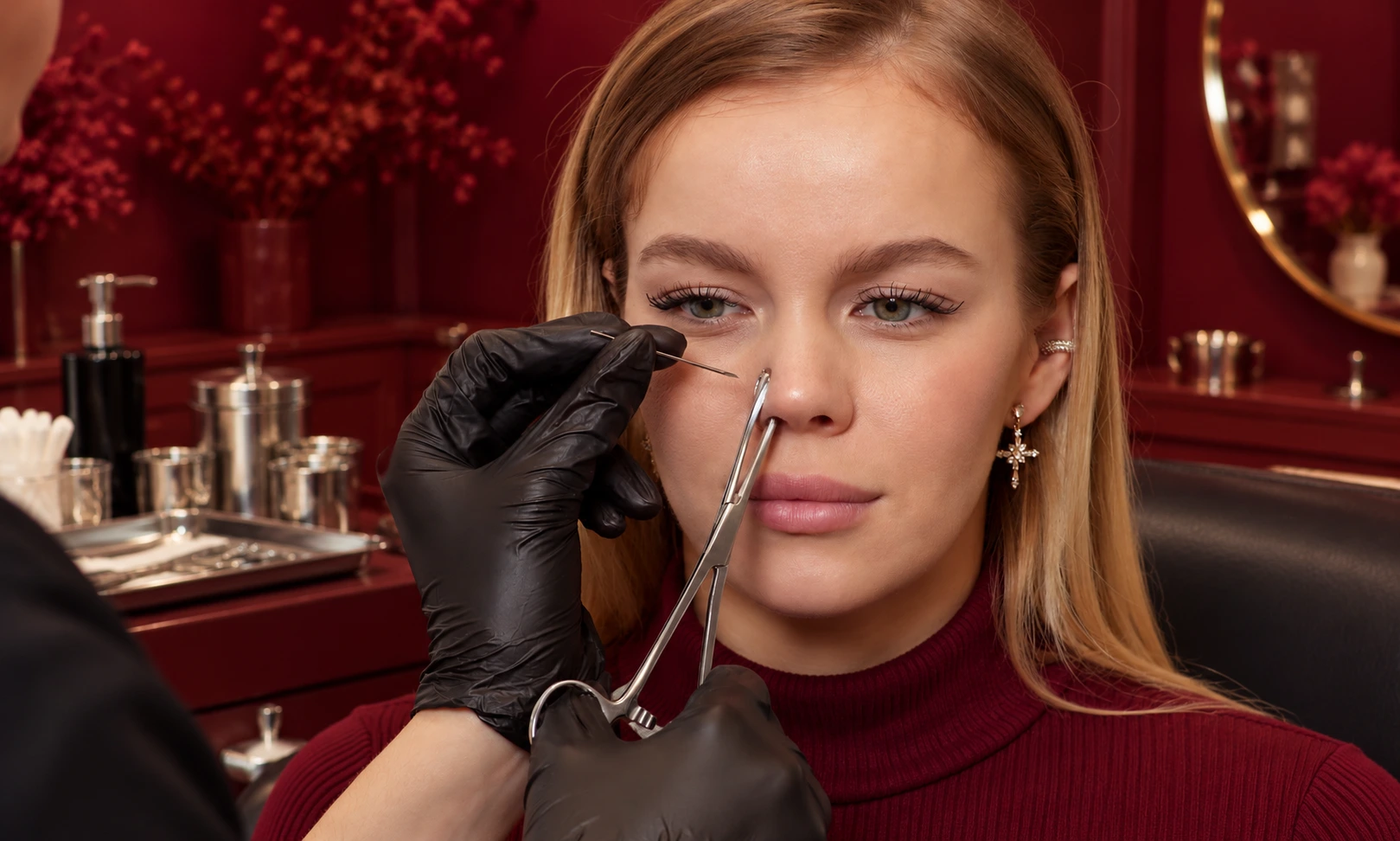
The cost of a nose piercing varies by location, studio, piercer experience, jewelry material, and the complexity of the placement.
A standard nostril piercing will generally cost less than a specialized piercing using premium jewelry. The total price may include the procedure, initial jewelry, and follow-up services, but studio policies differ.
Before booking, ask what the quoted price covers. Choosing a professional studio with appropriate hygiene practices is more important than finding the cheapest available service.
Nose Piercing Aftercare: How to Clean It Properly
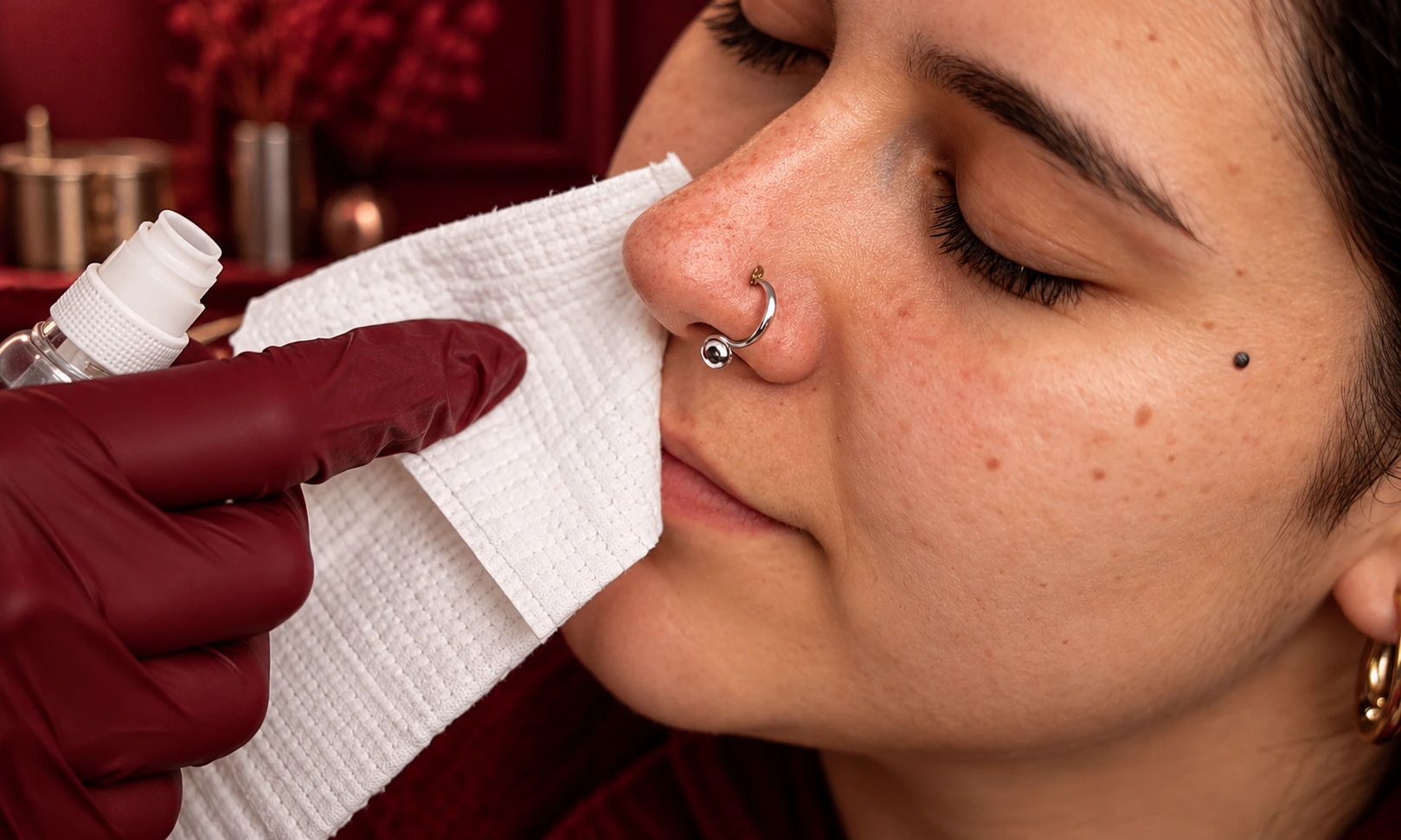
Good aftercare helps protect the healing tissue and reduce avoidable irritation. A new piercing should be handled gently and kept away from unnecessary pressure.
1. Wash Your Hands Before Touching It
Wash your hands thoroughly before cleaning the area. Avoid touching or moving the jewelry unnecessarily throughout the day.
2. Use Sterile Saline
Use a sterile saline wound wash containing 0.9% sodium chloride as the only active ingredient. Follow the product instructions and clean the area gently.
Avoid homemade salt mixtures, which may be too concentrated or contaminated.
3. Dry the Area Carefully
After cleaning, gently pat the area dry with clean disposable gauze. Avoid rubbing the piercing or snagging the jewelry.
4. Do Not Twist or Rotate the Jewelry
Moving the jewelry can irritate healing tissue. Clean around it without turning, pulling, or pushing the stud or ring.
5. Keep Cosmetics Away From the Piercing
Makeup, moisturizers, sunscreen, and other skincare products can irritate a fresh piercing if they enter the healing area. Apply products carefully and avoid the piercing itself.
6. Avoid Harsh Cleaning Products
Do not use rubbing alcohol, hydrogen peroxide, or other harsh products on a healing piercing unless specifically directed by a healthcare professional. These products may irritate tissue and delay recovery.
7. Be Careful When Dressing or Washing Your Face
Towels, clothing, and washcloths can catch on jewelry. Clean your face gently and take care when pulling shirts over your head or drying your skin.
Follow your piercer’s aftercare instructions, and seek professional advice if the piercing becomes increasingly painful or swollen.
Nose Piercing Bumps: What Causes Them?
A bump near a nose piercing can develop because of pressure, friction, unsuitable jewelry, or irritation during healing. A bump does not automatically mean the piercing is infected or that it is a keloid scar.
To reduce irritation, avoid squeezing the bump, applying harsh products, or repeatedly moving the jewelry. Check whether your jewelry fits properly and whether towels, clothing, or accidental knocks are disturbing the area.
If the bump persists, grows, or becomes painful, arrange an assessment with a healthcare professional. Increasing redness, warmth, swelling, or pus may indicate an infection and should be evaluated promptly.
What Are the Risks of a Nose Piercing?
Like other body piercings, nose piercings can cause infection, allergic reactions, prolonged irritation, scarring, and problems related to poorly fitted jewelry.
Surface piercings such as bridge piercings can also migrate or be rejected. In some cases, the jewelry may gradually move toward the skin’s surface, potentially leaving a scar.
Seek prompt medical advice if you develop worsening pain, increasing redness or swelling, unusual warmth, thick pus, or fever. Do not remove jewelry yourself if you suspect an infection unless a healthcare professional advises you to do so.
Choosing a reputable piercer who uses sterile, single-use needles and appropriate sterilization procedures can reduce avoidable risks. Never attempt to pierce your nose at home.
Can You Hide a Nose Piercing?
Whether you can hide a nose piercing depends on its location, jewelry, workplace rules, and healing stage.
Some septum jewelry can be flipped upward inside the nose when the piercing and jewelry design allow it. However, repeatedly moving a new piercing can irritate.
Nostril studs are usually more difficult to conceal completely. Retainers may be an option in some situations, but changing jewelry too early can disrupt healing. Discuss your needs with your piercer before the appointment.
Can You Change a Nose Piercing Early?
Changing jewelry too soon can damage the healing channel, introduce irritation, and prolong recovery. While exploring beauty trends like almond French tip nails or fall nail colors, remember that a healing piercing needs extra care and patience.
If the initial jewelry is too tight, catches frequently, or causes ongoing problems, return to a qualified piercer. They can assess whether an adjustment is necessary and perform it safely. Avoid hairstyles that snag your jewelry, and consider these easy hairstyles for gentle styling options.
Do not force new jewelry into a piercing that feels tight or has become irritated. If you suspect an infection, consult a healthcare professional before making changes.
Frequently Asked Questions
Which nose piercing is the most popular?
The traditional nostril piercing is one of the most popular options because it suits many styles and offers a wide range of jewelry choices. Septum piercings are also popular among people who prefer a more distinctive look.
Is a nose piercing painful?
Most people experience a brief pinch or sharp sting. The intensity varies by placement, personal sensitivity, and technique. Some tenderness afterward is common.
Which nose piercing heals the fastest?
Healing varies from person to person, but a correctly placed septum piercing may heal faster than a nostril piercing. The actual timeline depends on anatomy, jewelry, and aftercare.
Can you sleep with a new nose piercing?
You can sleep normally, but avoid putting pressure on the piercing. Try not to press your face into a pillow or catch the jewelry on bedding.
Can you wear makeup after a nose piercing?
It is best to keep makeup away from the piercing while it heals. Cosmetics can irritate the area or introduce contaminants into the healing channel.
When can you change a nose piercing to a hoop?
Wait until the piercing has healed sufficiently and a qualified piercer confirms it is ready. Nostril piercings often need several months or longer before a jewelry change is appropriate.
Can a nose piercing leave a scar?
Yes. A piercing may leave a small mark after the jewelry is removed, and complications such as infection, irritation, or migration can increase the chance of visible scarring.
Does a nose piercing close after you remove the jewelry?
It can. How quickly it closes depends on the piercing’s age, location, and individual healing. Even an older piercing can shrink or close, so avoid removing jewelry if you want to keep the opening.
Final Thoughts
A nose piercing can be a simple way to express your style, whether you prefer a tiny nostril stud, a classic hoop, or a septum ring. The best choice depends on your anatomy, comfort, lifestyle, and preferred appearance.
Choose a reputable professional, use suitable jewelry, and follow consistent aftercare. Most importantly, give the piercing enough time to heal instead of rushing jewelry changes.
Disclaimer: This article is intended for informational purposes only and does not replace professional medical advice. Seek guidance from a qualified healthcare professional if you suspect an infection or experience worsening symptoms.