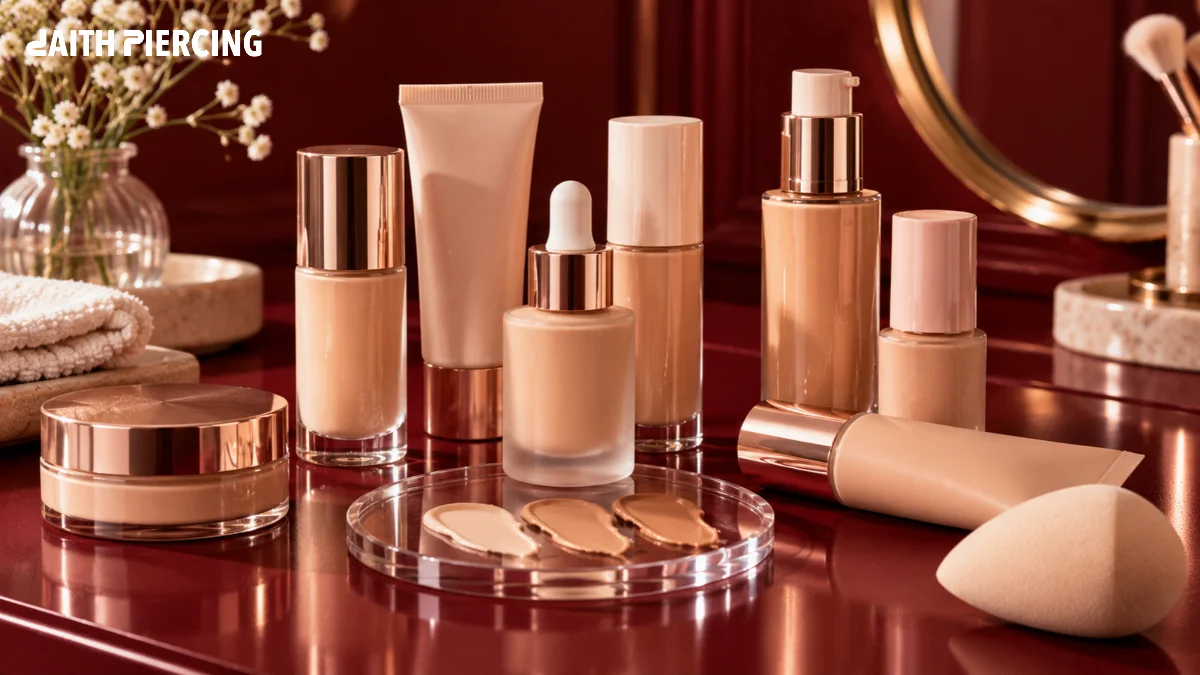
Skin tints have changed everyday base makeup. Instead of covering your face with a thick layer, a good tint lets real skin stay visible while softly evening out tone. That is the appeal behind the best skin tint formulas: you look more polished without looking like you are wearing heavy foundation.
For this guide, I looked at current beauty-editor roundups, product information, and formula details rather than treating one brand claim as the final word. The list focuses on lightweight texture, natural finishes, coverage, hydration, and different skin needs. The goal is not perfect skin. It is skin that still looks like skin, only a little more even, fresh, and put together for the day. That small difference makes them easy to wear.
Key Takeaways
- Choose the best skin tint according to your skin type and preferred finish.
- Natural and radiant formulas can create a convincing second-skin effect.
- Use concealer for targeted coverage instead of making the whole base heavier.
- Hydrating formulas can be useful for dry or mature skin.
- SPF in a tint is helpful, but it should not automatically replace sunscreen.
- Check current shades and formula details before buying because products can change.
10 Best Skin Tints for a Natural, Second-Skin Finish.
A skin tint usually gives lighter coverage than traditional foundation. It can even out some redness or uneven tone while leaving freckles and natural texture visible. Some formulas are almost sheer, while others can be layered.
The second-skin effect comes from thin texture, flexible pigment, and a finish that suits your skin. Dry skin may look better with a hydrating or radiant formula, while oily skin can prefer something more natural or blurring.
1. Danessa Myricks Beauty Yummy Skin Soothing Serum Skin Tint
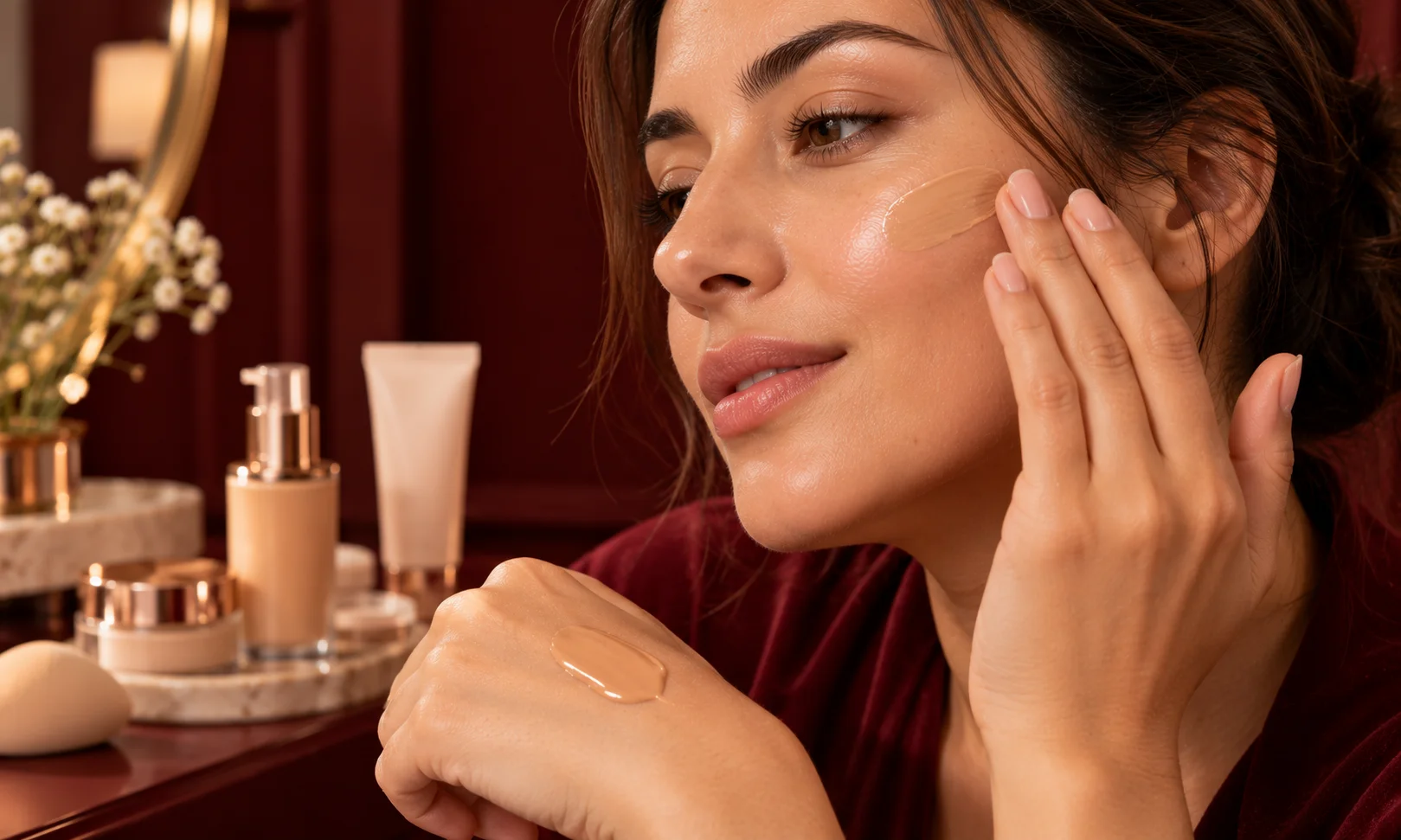
This is a strong option if hydration is high on your list. It has a radiant finish and light coverage, with vegan collagen peptides, ceramides, and squalane. Sephora lists it as hydrating and fragrance-free.
It can suit dry or mature skin because the formula focuses on comfort and moisture rather than a flat finish. It is still a tint, though, so do not expect full foundation-level coverage.
2. Fenty Beauty Eaze Drop Blurring Skin Tint
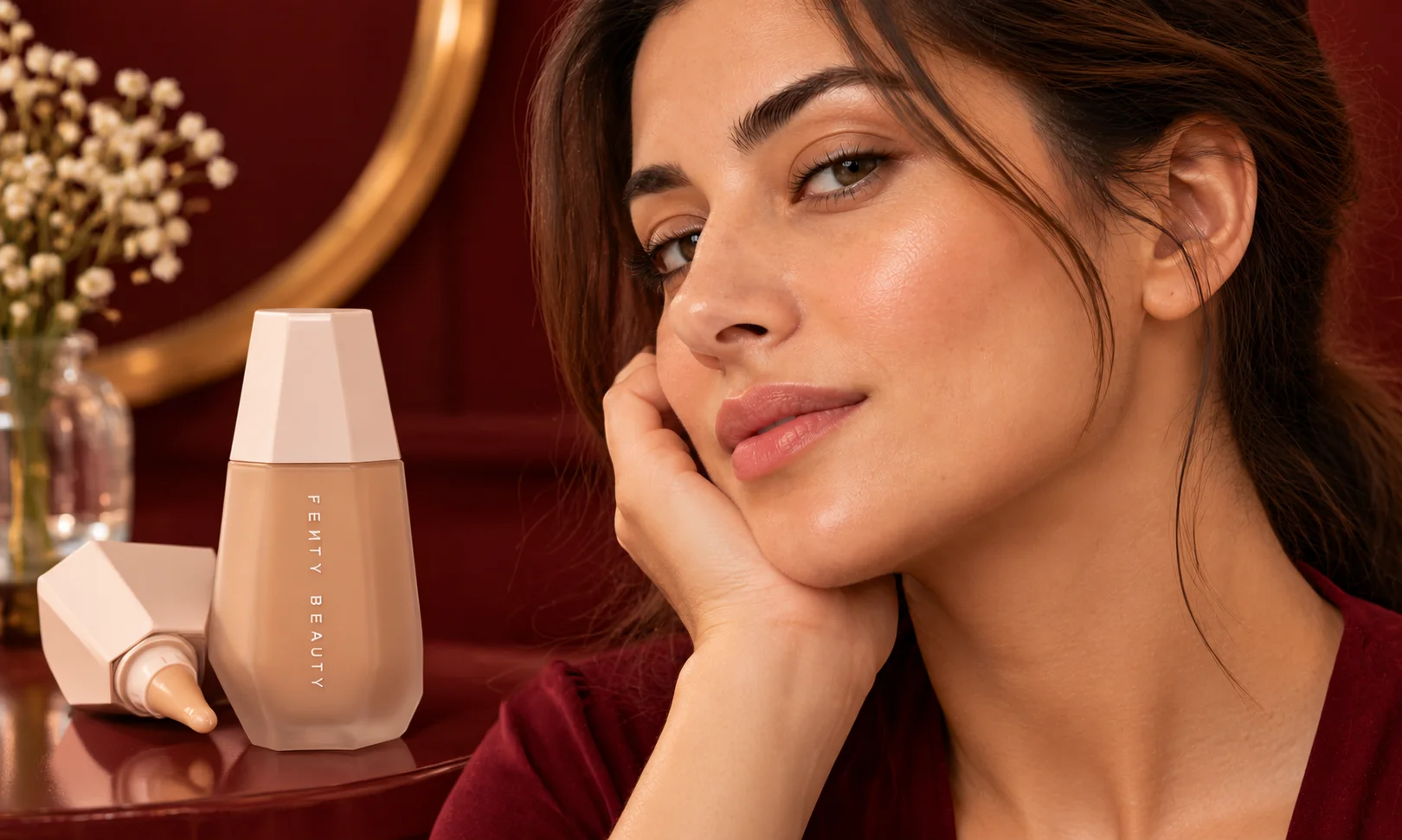
If you like a natural finish but want some blurring, Eaze Drop is worth a look. Sephora describes it as lightweight, buildable, light coverage with a natural finish. Its QuickBlur Complex is designed to soften the appearance of pores.
The result sits between barely-there and polished, which can work well when you want smoother-looking skin without heavy makeup.
3. Summer Fridays Sheer Skin Tint
Summer Fridays uses a lightweight liquid formula with sheer-to-light coverage and a natural finish. It contains glycerin, hyaluronic acid, squalane, vitamin E, safflower oil, and avocado oil.
That makes it interesting if you dislike a dry or tight base. It is available in 12 flexible shades. The coverage is intentionally light, so think fresh skin rather than everything covered.
4. ILIA Super Serum Skin Tint SPF 40
ILIA Super Serum Skin Tint is one of the more skincare-focused options in this category. It combines light coverage with SPF 40, and beauty editors have included it in skin-tint roundups for its hydrating approach.
The SPF is useful, but it should not automatically replace dedicated sunscreen. Think of makeup SPF as extra support rather than your only sun-protection step.
5. Hourglass Veil Hydrating Skin Tint
If your skin leans dry, a hydrating formula can help the finish look less powdery and more natural. Hourglass Veil Hydrating Skin Tint is listed among options for dry skin and is also featured by Ulta among skin tints suited to mature skin.
This type of formula works when your goal is a comfortable, soft complexion rather than strong coverage.
6. Lancôme Skin Idôle 3 Serum Supertint
Lancôme Skin Idôle 3 Serum Supertint is another serum-style option. The Independent’s 2026 testing included it as a pick for mature skin after testing skin tints across four skin tones.
For mature skin, a better target is an even, comfortable finish that still looks like skin. Serum-style tints can help when heavier base makeup emphasizes dryness or texture.
7. Rare Beauty Positive Light Tinted Moisturizer SPF 20
Rare Beauty’s Positive Light Tinted Moisturizer gives light coverage with a radiant finish and SPF 20. Sephora describes it as breathable and hydrating, with a naturally radiant finish.
It suits the no-makeup makeup look when you still want some tone evening. The built-in SPF is helpful, but SPF 20 in makeup should not be treated as your only sun-protection step.
8. Saie Slip Tint Dewy Tinted Moisturizer SPF 35
Saie Slip Tint is for someone who wants a dewy finish instead of a matte base. Allure includes it among its leading skin-tint choices and notes its hydrating and brightening approach, along with SPF 35.
Because it is dewy, it may suit normal or drier skin particularly well.
9. Westman Atelier Vital Skincare Complexion Drops
Westman Atelier’s complexion drops are a luxury option with a serum-like approach. Vogue has highlighted them as an option for mature skin, while its wider skin-tint guide describes them as a lightweight complexion product.
The appeal is the subtle finish. Instead of making the face look perfectly covered, complexion drops give a refined version of your own skin.
10. Glossier Perfecting Skin Tint
Glossier Perfecting Skin Tint is for someone who wants very little coverage. Vogue includes it as a sheer-coverage option.
This is not the formula for fully hiding acne marks or strong pigmentation. It makes more sense when your skin is already fairly even and you want a little tint and a more finished look.
How should you choose the best skin tint?
Start with the finish you naturally like. If you enjoy fresh, glowing skin, look toward radiant or dewy formulas. If you dislike shine, a natural or blurring finish may feel easier to wear.
Then think about coverage. A lightweight skin tint can be great for everyday use, but sheer coverage will not become full coverage just because you add more layers. For a dark mark, use a small amount of concealer instead of making the whole face heavier.
Skin type matters too. Dry skin often looks better with hydrating formulas, while oily skin may prefer a natural or blurring finish. Mature skin usually benefits from comfortable hydration and flexible coverage rather than a very dry base.
What is the easiest way to apply a skin tint?
Prep your skin with the skincare you normally use, then let it settle for a few minutes. Start with a small amount of tint and spread it from the center of your face outward.
Your fingers can work well because warmth helps thin the product across the skin. A damp sponge can give a softer effect, while a fluffy brush can add slightly more coverage. Add another thin layer only where you need it.
The trick is not adding product until every pore disappears. Real skin has texture. The goal is to make that texture look balanced, not erase it.
Can skin tint work on mature skin?
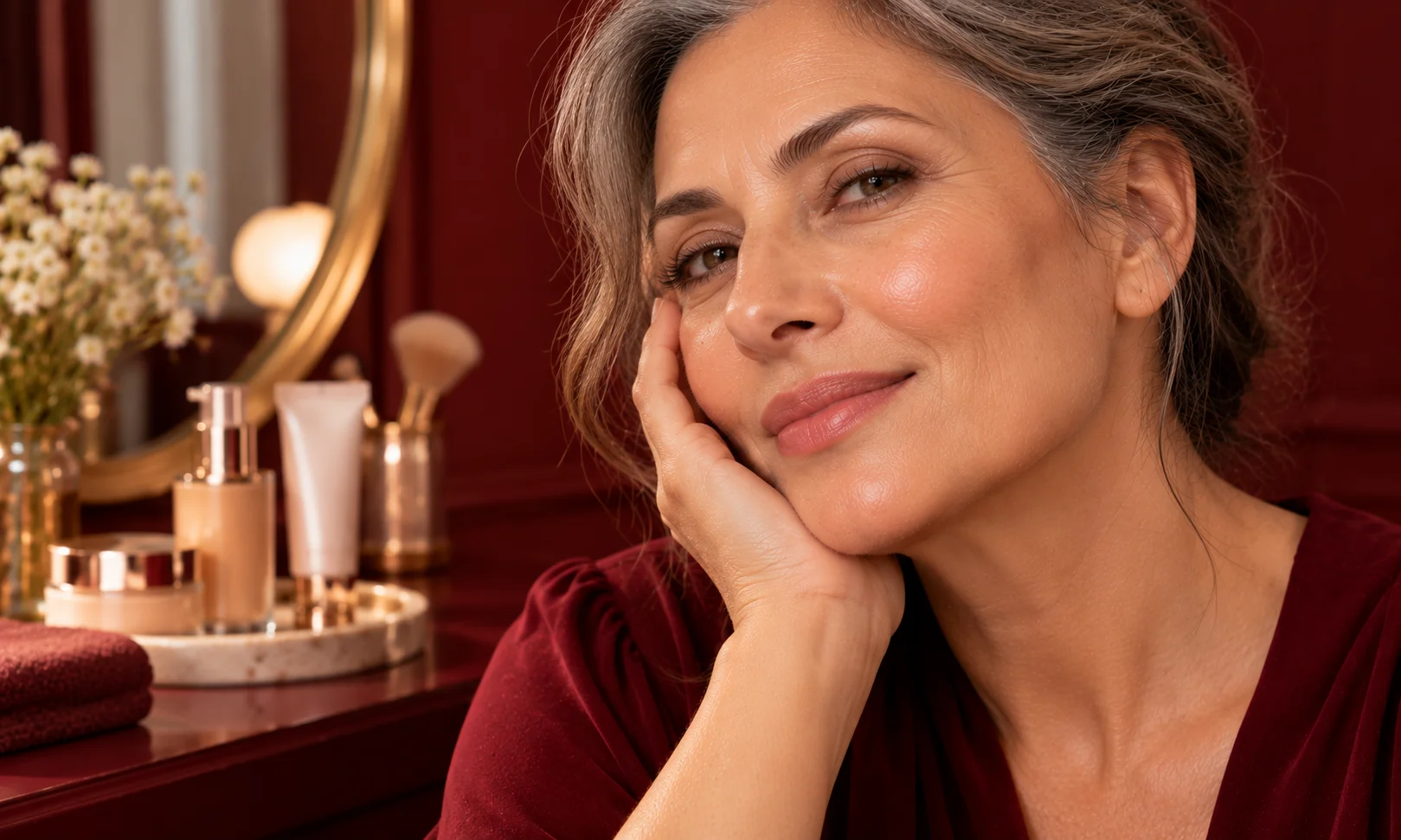
Yes. Lighter, flexible formulas can be comfortable when dryness, fine lines, and texture become more noticeable.
Beauty publications and makeup artists have highlighted hydrating, radiant, and buildable tints for mature complexions. Still, no formula behaves the same on everyone. Skincare, application, climate, and skin condition all affect the final result.
Source Transparency
This guide uses current product information and beauty-editor testing and roundups from Allure, Vogue, Harper’s Bazaar, The Independent, Ulta, and Sephora. Brand and retailer claims are identified as such rather than presented as independent testing. For DaithPiercing readers, the practical point is simple: choose texture, coverage, finish, and skincare compatibility for your own routine instead of buying a tint only because it is trending.
The market changes quickly, so shade counts, prices, ingredients, and formulas can change. Check the manufacturer or retailer before purchasing.
FAQs
Is a skin tint better than foundation?
Neither is automatically better. Skin tint is usually easier when you want light, flexible coverage and visible natural skin. Foundation makes more sense when you need stronger coverage.
Does skin tint cover acne?
It can soften mild redness and uneven tone, but most skin tints are not made to fully cover active acne or strong pigmentation. Concealer can give more targeted coverage.
What is the best skin tint for mature skin?
There is no single formula for every mature complexion. Danessa Myricks Yummy Skin, Hourglass Veil, and Lancôme Skin Idôle 3 Serum Supertint are worth considering because current beauty coverage highlights their lightweight or hydrating qualities.
Can I wear skin tint every day?
Yes. Skin tint is commonly used as everyday base makeup because coverage is lighter and the finish is often more natural than foundation. Your skincare and the specific formula still matter.
Should I use moisturizer under skin tint?
Usually, yes, especially if your skin is dry. But you may not need a heavy moisturizer if the tint is already hydrating. Start with your normal routine and see how it wears.
Disclaimer:
This article is for general beauty and educational information. Cosmetic results vary by skin type, application, climate, and individual sensitivity. Patch-test new products when appropriate and follow the product label for use and sun-protection guidance.