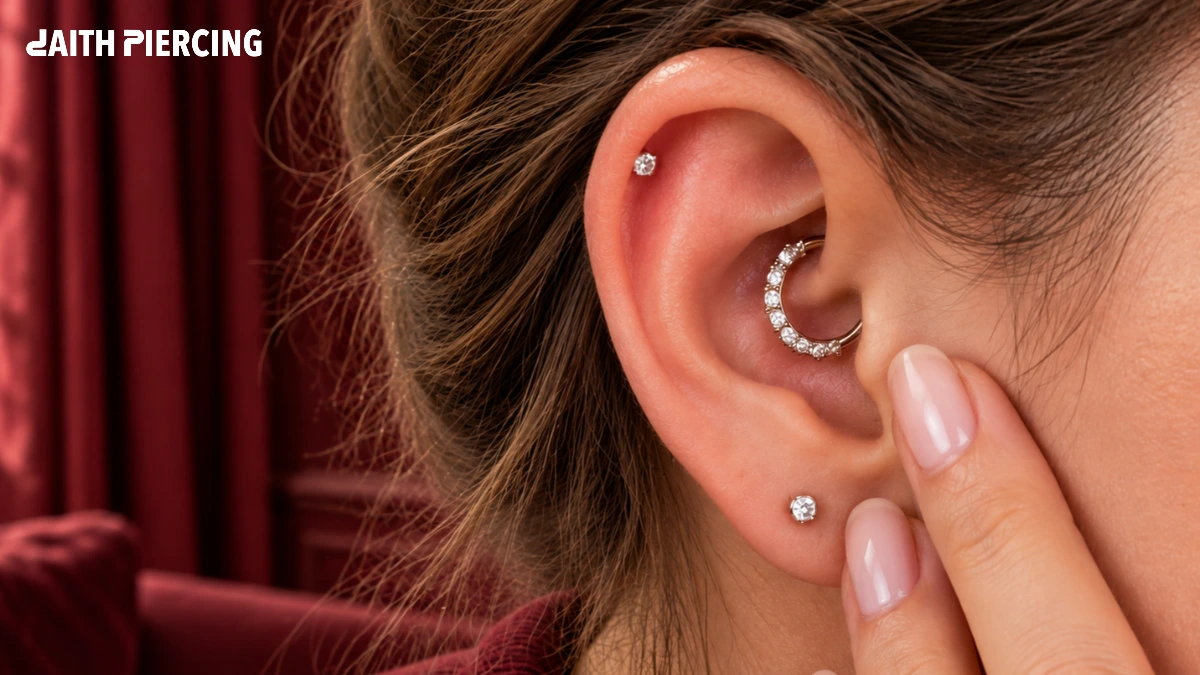
Daith piercing numbness is not necessarily a sign of nerve damage. Shortly after piercing, swelling, tissue irritation, pressure, or inflammation may temporarily change sensation around the ear.
However, numbness that is severe, persistent, getting worse, spreading beyond the piercing area, or accompanied by weakness, severe pain, significant swelling, fever, pus, or other concerning symptoms should be evaluated by a medical professional.
A professional piercer can check the jewelry and placement, while a doctor can assess symptoms that may involve nerves or infection.
Key Takeaways
- Daith piercing numbness does not automatically mean nerve damage.
- Swelling, pressure, irritation, and jewelry problems can affect how the area feels.
- Avoid sleeping on the piercing and reduce unnecessary pressure.
- Do not repeatedly move, remove, or replace fresh jewelry.
- Infection signs include worsening pain, swelling, warmth, redness, pus, and feeling unwell.
- Persistent or worsening numbness should be evaluated by a healthcare professional.
- A professional piercer can check jewelry and placement, but medical concerns require a doctor.
- What Causes Numbness After a Daith Piercing?
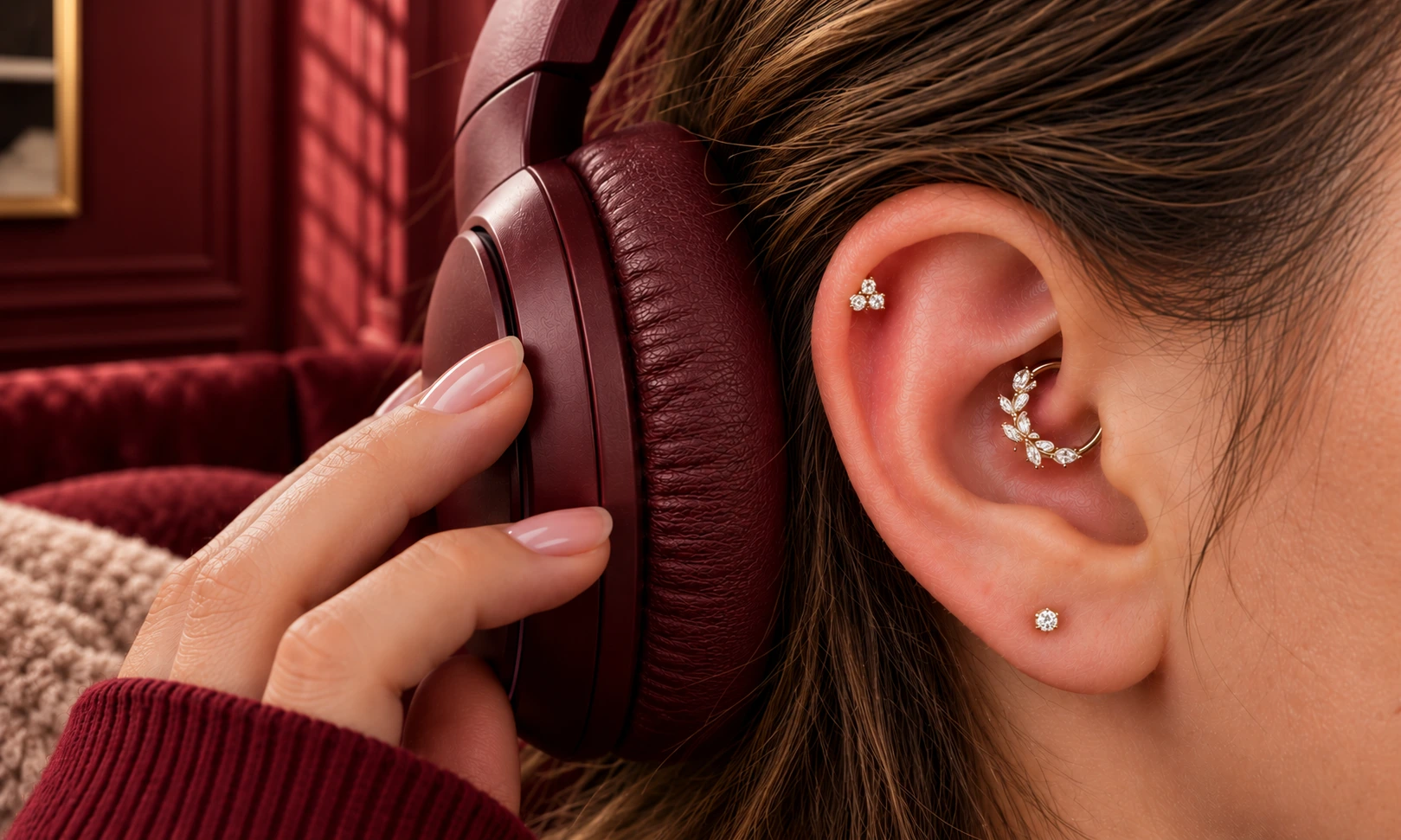
A daith piercing passes through a fold of ear cartilage. Because cartilage heals more slowly than the soft tissue of the earlobe, irritation can continue for some time.
Several things can contribute to an unusual numb or tingling sensation.
Swelling After Piercing
A fresh piercing creates a wound, so some inflammation is expected during healing. Swelling around the piercing can temporarily affect nearby tissues and change how the area feels.
As a result, you may notice tenderness, pressure, tingling, or reduced sensation around the ear.
Pressure From Jewelry
Jewelry that is too tight, poorly fitted, or repeatedly pressed against the ear can cause irritation.
For example, if a ring presses heavily against the healing tissue, the surrounding area may become more uncomfortable. Therefore, jewelry fit should be checked by an experienced piercer rather than adjusted repeatedly at home.
Sleeping on the Piercing
Pressure from sleeping directly on a healing cartilage piercing can increase irritation. The Association of Professional Piercers notes that sleeping on healing ear cartilage can cause irritation and may even affect the angle of the piercing.
Consequently, changing your sleeping position can be a simple way to reduce unnecessary pressure.
Normal Healing Sensations
Healing cartilage can produce sensations that feel unfamiliar. Tenderness, itching, sensitivity, and mild discomfort can occur during the healing process.
However, numbness should not automatically be dismissed as normal. If it continues or becomes more noticeable, getting professional advice is the safer choice.
Does Daith Piercing Cause Nerve Damage?
A daith piercing is performed in cartilage, and the ear contains sensory nerves. Nevertheless, the presence of nerves around the ear does not mean every unusual sensation indicates nerve injury.
The Association of Professional Piercers emphasizes the importance of anatomical knowledge and appropriate technique when performing piercings.
Actual nerve injury is not something that can be diagnosed from numbness alone. The location, duration, severity, and associated symptoms all matter.
Therefore, if you believe your sensation has changed significantly after a piercing, a healthcare professional should assess it rather than relying only on online advice.
Numbness vs. Nerve Damage
| Symptom or situation | What it may suggest | What to do |
|---|---|---|
| Mild tenderness around a new piercing | Normal healing or irritation | Follow appropriate aftercare |
| Temporary tingling near the piercing | Swelling or local irritation | Monitor and reduce pressure |
| Numbness that quickly improves | Temporary irritation may be possible | Keep watching for changes |
| Persistent numbness | Needs professional assessment | Speak with a healthcare professional |
| Increasing pain with swelling | Possible complication | Seek medical advice |
| Pus, heat, severe redness or swelling | Possible infection | Get medical attention |
| Numbness with weakness or major loss of sensation | More concerning neurological symptom | Seek prompt medical evaluation |
The important point is that symptoms should be judged together rather than individually.
When Is Daith Piercing Numbness Concerning?
Some symptoms deserve more attention than ordinary tenderness.
Numbness That Does Not Improve
If numbness remains present instead of gradually improving, arrange an evaluation with a healthcare professional.
Similarly, if the affected area becomes larger over time, do not assume the piercing is simply taking longer to heal.
Severe or Increasing Pain
Mild soreness can occur after piercing. In contrast, severe pain or pain that keeps increasing can indicate a complication.
The Association of Professional Piercers recommends medical evaluation for severe redness, swelling, or pain and for symptoms that persist or worsen.
Weakness or Major Loss of Sensation
Numbness combined with weakness or a significant loss of normal sensation is more concerning than mild temporary tingling.
In this situation, it is better to seek medical assessment rather than waiting for the piercing to settle.
Signs of Infection
Cartilage infections require particular attention because cartilage has less blood supply than earlobe tissue. The Association of Professional Piercers warns that serious cartilage infections can be destructive.
According to the NHS, possible infection signs include increasing swelling, pain, warmth, significant redness or darkening, pus, and feeling feverish or unwell.
Cleveland Clinic similarly lists redness, swelling, warmth, tenderness, and discharge among symptoms of an infected ear piercing.
What Should You Do If Your Daith Piercing Feels Numb?
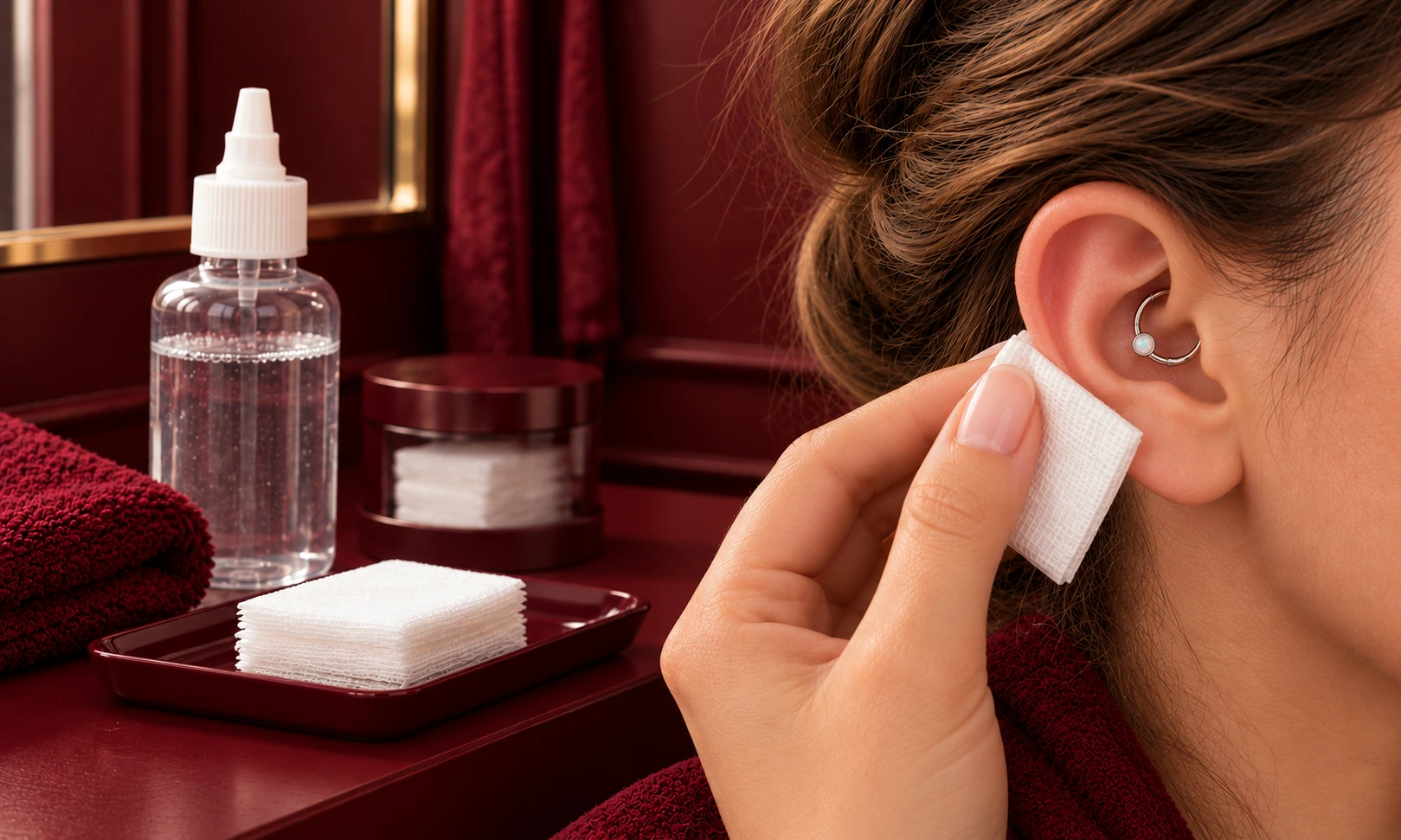
First, avoid repeatedly touching or moving the jewelry.
Instead, keep your aftercare gentle and consistent. The goal is to reduce irritation rather than constantly disturbing the healing tissue.
Reduce Pressure
Try not to sleep directly on the pierced ear. Also, be careful with headphones, phones, hair accessories, hats, and anything else that repeatedly presses against the area.
Furthermore, avoid playing with or rotating the jewelry unnecessarily.
Use Appropriate Aftercare
Follow the aftercare instructions provided by a qualified piercer and use a suitable sterile saline product when recommended.
Avoid harsh products that can irritate healing tissue. Also, do not aggressively scrub the piercing because excessive cleaning can create additional irritation.
Have the Jewelry Checked
If the ring appears too tight, sits awkwardly, or constantly presses into the tissue, ask an experienced professional piercer to inspect it.
Do not try to resize or replace fresh daith jewelry yourself.
Do Not Immediately Remove the Jewelry
If you suspect an infection, do not automatically remove the jewelry without medical advice.
The Association of Professional Piercers explains that removing jewelry during an infection can sometimes allow the channel to close and contribute to abscess formation.
Therefore, discuss removal with a healthcare professional when infection is suspected.
How Can You Reduce the Risk of Problems?
Good piercing practices can reduce avoidable complications.
Choose a professional piercer who understands ear anatomy and uses appropriate sterile equipment. The NHS also recommends choosing a qualified and experienced piercer and asking about risks and aftercare before getting pierced.
In addition, avoid unnecessary trauma while the piercing heals.
Simple Daith Piercing Care Checklist
-
Keep hands clean before touching the area
-
Avoid unnecessary jewelry movement
-
Do not sleep directly on the piercing
-
Keep pillowcases clean
-
Avoid repeated pressure from headphones or other objects
-
Follow appropriate saline aftercare
-
Avoid harsh cleaning products
-
Watch for increasing redness, swelling, pain, or discharge
-
Ask a professional piercer about jewelry fit
-
Seek medical advice if symptoms become severe or persistent
Can a Professional Piercer Tell If You Have Nerve Damage?
A qualified piercer can examine the piercing’s placement, jewelry, pressure, and visible signs of irritation.
However, a piercer is not a substitute for a medical examination. Nerve damage, significant infection, and other medical conditions require assessment by an appropriate healthcare professional.
Therefore, use a piercer for piercing-specific concerns and a doctor for persistent numbness or neurological symptoms.
Common Mistakes That Can Make Numbness Worse
Constantly Touching the Jewelry
Repeatedly touching or moving the jewelry introduces friction. Consequently, the tissue may remain irritated for longer.
Sleeping on the Piercing
Pressure during sleep can be difficult to notice because it continues for hours. A clean pillowcase and avoiding pressure on the affected side can help limit irritation.
Using Harsh Products
Strong antiseptics, unnecessary chemicals, and aggressive cleaning can irritate healing tissue.
Gentle care is generally preferable to trying multiple products.
Removing and Reinserting Jewelry
Repeated removal can traumatize the healing channel. Moreover, a fresh piercing can begin closing quickly when jewelry is removed.
Ignoring Infection Symptoms
It is easy to confuse irritation with infection. However, worsening pain, heat, swelling, pus, or feeling unwell should not simply be blamed on normal healing.
When Should You See a Doctor?
Consider medical evaluation if your numbness is persistent, worsening, spreading, or accompanied by other unusual neurological symptoms.
You should also seek medical attention for severe pain, significant swelling, increasing warmth or redness, pus, fever, chills, or feeling generally unwell. The NHS advises seeking urgent medical help when a piercing appears infected.
Most importantly, do not attempt to diagnose nerve damage based only on how the piercing feels.
Frequently Asked Questions
Is numbness normal after a daith piercing?
Some unusual sensations can occur while a piercing is healing, particularly when there is swelling or irritation. However, persistent or worsening numbness should be assessed by a healthcare professional.
How long can numbness last after a daith piercing?
There is no reliable universal timeframe for numbness because the cause can vary. Temporary irritation may improve as swelling settles, whereas persistent symptoms require evaluation.
Can a daith piercing hit a nerve?
A piercing can affect nearby tissues, but numbness alone does not prove that a nerve has been damaged. Proper anatomical assessment and medical evaluation are needed to determine the cause.
Should I remove my daith piercing if it feels numb?
Do not remove it automatically, particularly if you suspect infection. Removing jewelry from an infected piercing can sometimes allow the opening to close and contribute to an abscess. Discuss removal with a healthcare professional.
Can sleeping on a daith piercing cause numbness?
Pressure from sleeping on healing cartilage can increase irritation. Therefore, avoiding direct pressure is an important part of caring for a new daith piercing.
Is tingling around a daith piercing serious?
Occasional mild tingling can have several possible causes, including local irritation. Nevertheless, persistent, severe, spreading, or worsening tingling should be professionally assessed.
What is the biggest warning sign?
There is no single symptom that proves nerve damage. However, persistent or worsening numbness, major loss of sensation, weakness, severe pain, or signs of infection are reasons to seek medical advice.
Conclusion
Daith piercing numbness can understandably be worrying, especially when you are concerned about nerve damage. However, numbness by itself does not confirm that a nerve has been injured. Local swelling, pressure, and irritation can also change sensation while cartilage heals.
Therefore, give the piercing gentle care, avoid unnecessary pressure, and have the jewelry checked if it appears uncomfortable or poorly fitted. At the same time, do not ignore symptoms that persist, worsen, spread, or occur alongside severe pain, weakness, major loss of sensation, or infection signs.
For Daith Piercing, the safest approach is simple: understand what can happen during healing, avoid unnecessary irritation, and get professional medical advice whenever symptoms seem unusual or are getting worse. You can also explore our guide to daith piercing vs cartilage to understand how different cartilage piercings compare. For broader lifestyle and skin-related information, read about vaping and acne. Good aftercare and early attention can help prevent a small piercing problem from becoming a bigger one.
Disclaimer:
This article is for general informational purposes only and is not a substitute for professional medical advice, diagnosis, or treatment. Numbness after a daith piercing can have different causes and cannot confirm nerve damage on its own. Consult a qualified healthcare professional if numbness persists, worsens, or occurs with other concerning symptoms. Seek prompt medical attention if you experience signs of infection or significant loss of sensation.