Glycerin is a small molecule, close to 92 daltons, and it sinks into the upper skin to hydrate all day. Hyaluronic acid is huge, up to 2 million daltons, so it holds water at the surface and plumps how skin looks. Use both, and you cover every layer.
Glycerin vs hyaluronic acid is a debate that sounds complicated, but it really comes down to one thing: molecular size. One of these ingredients is tiny and dives deep into your skin. The other is large and rests near the surface. That single difference changes how they feel, how long they last, and who they suit.
At daithpiercing, we would rather show you the science than sell you a buzzword. Here is the honest difference between glycerin and hyaluronic acid, the studies behind each one, and a clear pick for your skin.
Key Takeaways
The glycerin vs hyaluronic acid verdict in five quick lines:
- Glycerin sinks in. Hyaluronic acid stays on top.
- Glycerin owns daily, all-weather hydration. Hyaluronic acid wins on plumping.
- Your skin has a built-in channel called AQP3 that pulls glycerin inward.
- Layer hyaluronic acid first on damp skin, then seal it with glycerin.
- In bone-dry air, both can backfire unless you lock them in with a moisturizer.
What Are the Glycerin Moisturizer Benefits?
Glycerin, also called glycerol, has been a skincare staple since 1783, back when chemists first pulled it out of soap. Today it sits in more products than almost anything except water. That alone tells you something.
The glycerin moisturizer benefits start with how it grabs water. It carries three hydroxyl groups, and those act like little hooks that bind water and tug it toward your skin. Your barrier stays soft. Flaking calms down. Rough, scaly patches settle. And because glycerin does not clog pores, even acne-prone skin can use it without worry.
The research is unusually solid for a hydration ingredient. A 2016 review crowned glycerin the most effective humectant of the bunch, beating common alternatives in head-to-head tests, a point the American Academy of Dermatology echoes. Check your labels tonight and you will probably spot it already working inside your cleanser, toner, or night cream.
Why Glycerin Sinks Into Your Skin
At roughly 92 daltons, glycerin is small enough to slip past the surface and settle into the upper layers. There is a second reason it performs so well, and we will get to that shortly.
Hyaluronic Acid for Dry Skin and Aging Skin
In the glycerin vs hyaluronic acid lineup, hyaluronic acid is the surface artist. It is a sugar molecule your body already makes, tucked into your skin, eyes, and joints, where it keeps everything plump and springy. Your natural stores shrink with age, though, which is exactly why it shows up in so many anti-aging serums.
Its party trick is water storage. One gram can hold up to 1,000 times its weight in water. That flood of moisture gives skin a fresh, just-drank-a-glass-of-water kind of bounce.
Hyaluronic acid for dry skin does its best work right at the top. It soaks the surface and softens fine lines fast. Oily skin tends to love it too, since it feels weightless and leaves no greasy shine behind.
Hyaluronic Acid for Dry Skin: Why Molecular Weight Matters
Here is the catch most labels gloss over. Not every hyaluronic acid acts the same. Low-weight versions near 5 kDa push deeper, but one study found they actually raised water loss by 55.5%. Larger and cross-linked forms did the reverse and cut water loss by 16 to 28%. The size printed on the bottle truly matters. Pick a serum that blends several weights, and back it up with a healthy barrier, like the routine in our skin barrier repair guide.
Glycerin vs Hyaluronic Acid: The Core Difference
This is where glycerin vs hyaluronic acid stops being a tie and starts being a choice. The two molecules are built nothing alike, and that shapes everything they do.
How Glycerin vs Hyaluronic Acid Differ in Molecular Size
Glycerin is petite. Hyaluronic acid is a giant. That gap decides where each one lands and how long it sticks around.
| Attribute | Glycerin | Hyaluronic Acid |
|---|---|---|
| Molecular weight | ~92 daltons | Up to ~2 million daltons |
| Skin action | Sinks into upper layers | Sits on the surface |
| Hydration style | Deep, daily, all-climate | Surface plumping |
| Best for | Dry, sensitive, barrier repair | Dehydrated, mature, oily-friendly feel |
| Texture | Can feel sticky in large amounts | Lightweight, almost water-like |
| Standout trait | Uses your skin’s AQP3 channel | Holds 1,000x its weight in water |
The AQP3 Advantage Most Blogs Miss
Size is only half the story, and this is the half almost nobody covers. Your skin has a dedicated water channel called aquaporin-3, or AQP3 for short. It actively shuttles glycerol, the backbone of glycerin, from deeper layers up to the surface. Glycerin does not just lie on your face like a film. It taps straight into your skin’s own plumbing.
Hyaluronic acid has no such channel, so it mostly works wherever you place it. That is the quiet edge in the glycerin vs hyaluronic acid story: glycerin gets invited inside, while hyaluronic acid waits at the door.
Is Glycerin Better Than Hyaluronic Acid?
Is glycerin better than hyaluronic acid? It depends entirely on the job, and in the glycerin vs hyaluronic acid matchup the winner shifts with what your skin needs that day.
For instant, everyday hydration, glycerin pulls ahead. In one trial, a 10% glycerin cream beat both 10% propylene glycol and 10% urea at raising skin moisture over three hours. That is a real, measured lead. But hyaluronic acid takes the crown for plumping and that soft, cushioned finish, and it feels lighter, which is why oily and combination skin reach for it first.
The fair verdict reads like this. Glycerin is the dependable daily workhorse. Hyaluronic acid is the surface polish. Neither one is best for every face, and that is the whole reason pairing them beats picking just one.
Glycerin vs Hyaluronic Acid for Face: Best Pick by Skin Type
Your skin type settles the glycerin vs hyaluronic acid for face question quicker than any lab ever could. Match it to what you actually see in the mirror.
| Skin type | Best pick | Why |
|---|---|---|
| Dry | Both, glycerin-led | Deep hydration plus barrier support |
| Oily / acne-prone | Hyaluronic acid | Lightweight and non-greasy |
| Combination | Both, zoned | HA where needed, glycerin on dry spots |
| Sensitive | Glycerin | Gentle, soothing, barrier-strengthening |
| Mature | Both | HA plumps lines, glycerin sustains moisture |
The Dry Skin vs Dehydrated Skin Mistake
People confuse dry skin with dehydrated skin constantly, and it sends them home with the wrong bottle. Dry skin is short on oil. Dehydrated skin is short on water. Dry skin wants glycerin plus a richer cream that holds oil and water together. Dehydrated skin wants hyaluronic acid to draw water back in. Read your skin first, then choose. The fix really is that simple.
Can You Use Glycerin and Hyaluronic Acid Together?
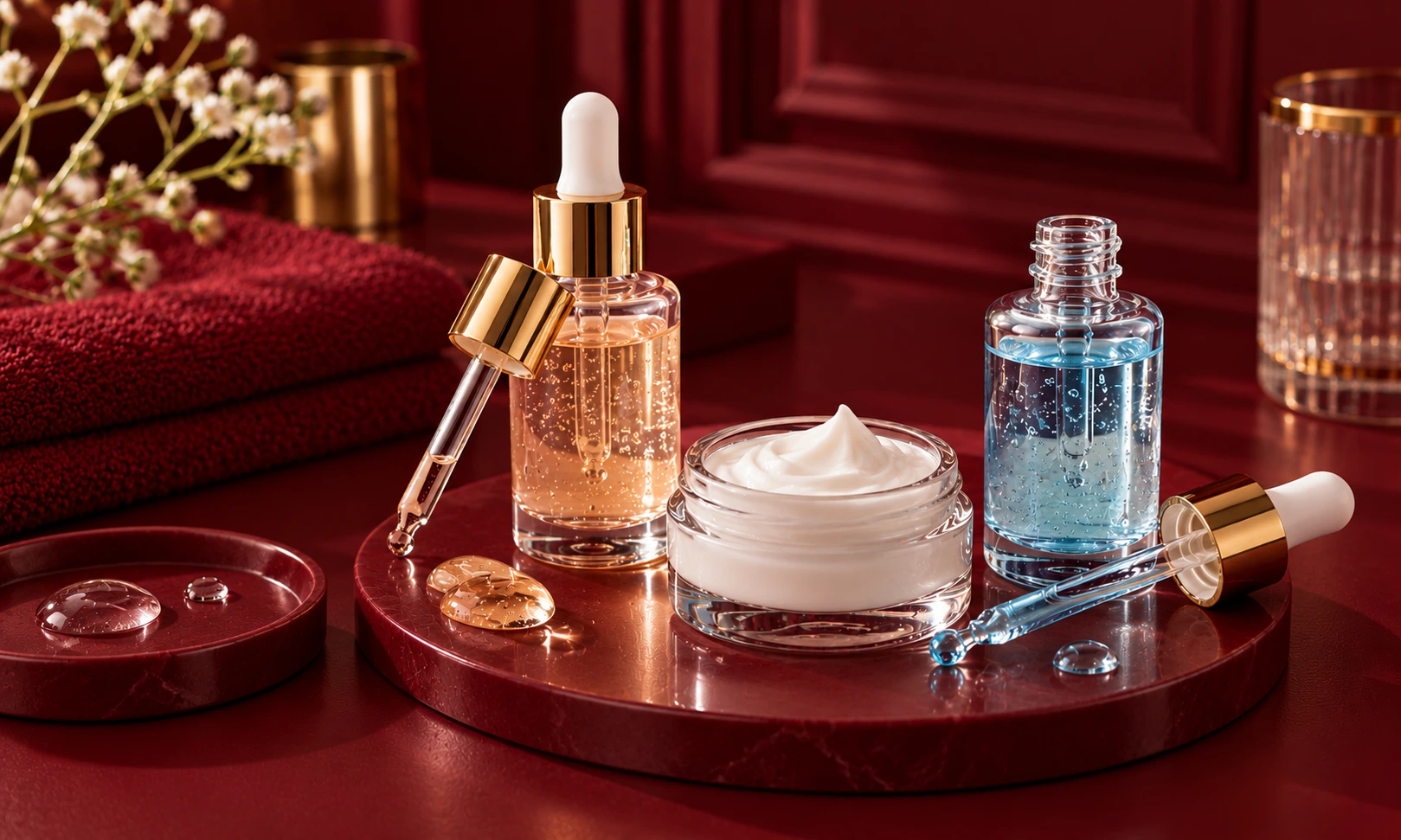
Yes, and honestly you should. You do not have to pick a side in the glycerin vs hyaluronic acid debate, because the two work better as a team than either does alone.
Layer them like this:
- Start with clean, slightly damp skin.
- Press in your hyaluronic acid serum first, so it pulls water inward.
- Seal it with a glycerin moisturizer to hold everything down.
- Add an occlusive at night if your skin runs especially dry.
Picture a moisture sandwich. The water-grabbers go on first, and a richer layer caps them off. It is the same thinking behind slugging, where a final occlusive traps hydration while you sleep, which you can walk through in our slugging skin care guide. Do it right and you get the deep pull of glycerin plus the surface bounce of hyaluronic acid in one routine.
How to Choose the Best Hydrating Serum 2026
Finding the best hydrating serum 2026 comes down to a handful of label checks. The smartest formulas quietly end the glycerin vs hyaluronic acid argument by using both at once.
| Look for | Why it matters |
|---|---|
| Glycerin in the top 3 ingredients | Signals a real dose, near 5% or more |
| Multi-weight hyaluronic acid | Surface plus deeper hydration |
| A barrier lipid (ceramide, squalane) | Seals the humectant water in |
| No pure or undiluted glycerin | Can feel tacky or dry skin in harsh air |
A few rules to shop by:
- Look for glycerin near the top of the ingredient list, not buried at the very bottom.
- Choose a hyaluronic acid that names more than one molecular weight.
- Make sure a lipid such as ceramide or squalane rides along to seal it in.
- Skip pure, undiluted glycerin, since it can feel tacky and even dry skin out in harsh air.
The trend is clearly moving toward smart blends instead of single-hero serums. The strongest 2026 picks marry both humectants with a barrier lipid that locks them in. Brands like CeraVe and La Roche-Posay build their bestsellers this way, and you can see how they stack up in our La Roche-Posay vs CeraVe breakdown.
Conclusion
The glycerin vs hyaluronic acid debate ends on a friendly note. Glycerin sinks in and hydrates through the whole day. Hyaluronic acid plumps the surface and softens lines. Neither one wins alone, and your skin gets the most when the two work shoulder to shoulder.
Pick by your skin type, layer in the right order, and seal with a moisturizer every time. That really is the whole game. We built this guide at DaithPiercing to give you clarity before you spend a cent, so explore our Skin hub and keep building with confidence.
Frequently Asked Questions
Is glycerin or hyaluronic acid better for dry skin?
Glycerin, in most cases. It sinks in and props up your barrier in any climate. Pair it with hyaluronic acid for the best of both.
Can I use glycerin and hyaluronic acid at the same time?
Yes. Apply hyaluronic acid on damp skin first, then seal with a glycerin moisturizer. They cover different layers.
Does glycerin contain hyaluronic acid?
No. They are two separate ingredients. Glycerin is a small sugar alcohol, and hyaluronic acid is a large sugar molecule.
Which goes first, hyaluronic acid or glycerin?
Hyaluronic acid first, on damp skin. Glycerin goes on top to lock it in.
Is glycerin safe for oily and acne-prone skin?
Yes. Glycerin is non-comedogenic, so it will not clog pores. Just pick lighter formulas if your skin feels greasy.