
What are peptides in skincare? Peptides in skincare are short chains of amino acids that work as messengers, telling your skin cells to produce collagen and elastin. They firm the skin, soften fine lines, reinforce the barrier, and hold in moisture. Research supports their use, yet they act slowly, and they deliver the most when paired with proven ingredients like sunscreen and retinoids.
Peptides in skincare are short chains of amino acids that signal your skin to build collagen, firm up, and repair itself faster. The science behind them runs deep, but the result on your face is refreshingly simple. Here at daithpiercing, we held the big marketing promises up against actual dermatology research, and what we found is more useful than what most brands will admit.
Walk down any skincare aisle in 2026 and peptides are everywhere. One camp sells them as a fountain of youth. Another camp writes them off as expensive water. The reality sits between those two extremes, which is the only honest place to start.
Key Takeaways
- Peptides are amino acid chains that tell your skin to make collagen and elastin.
- Four types exist: signal, carrier, enzyme-inhibitor, and neurotransmitter-inhibitor.
- Clinical studies report 15 to 30 percent wrinkle reduction, though results take 8 to 12 weeks.
- Peptides pair well with hyaluronic acid and niacinamide, and they clash with vitamin C.
- Peptides support a good routine, and they will never replace sunscreen or retinol.
What Are Peptides in Skincare?
Peptides in skincare begin with amino acids, the raw material your body uses to assemble protein. Link a few amino acids together and a peptide forms. Link many peptides together and you get a full protein, such as collagen or elastin.
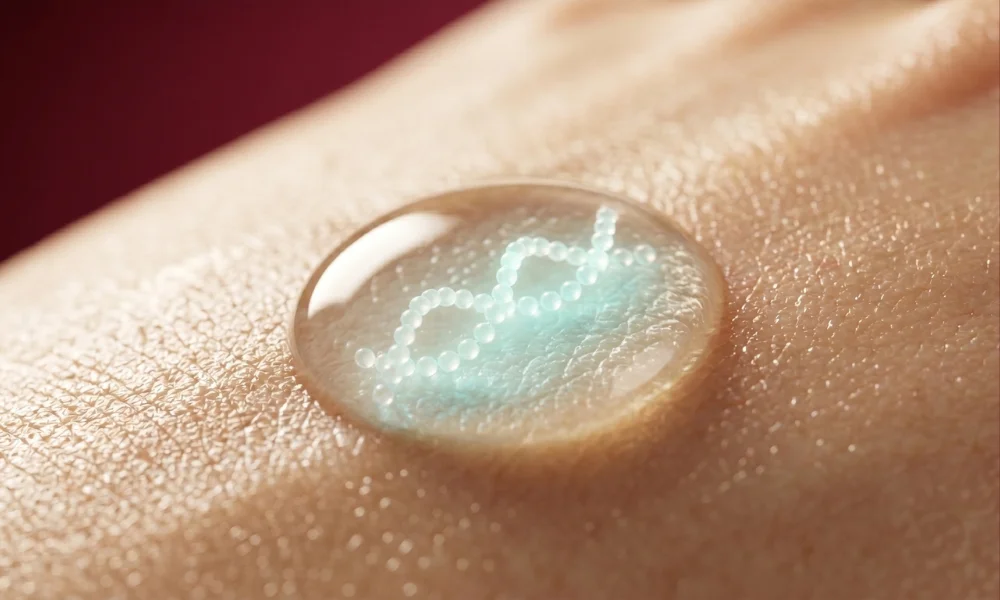
Picture a set of building blocks. A single block is an amino acid. A short stack is a peptide. The finished castle is the protein. That mental image earns its keep, because collagen and elastin are what give your skin its firmness and snap.
Your body already makes peptides on its own. As collagen breaks down with age, it sheds tiny fragments called matrikines. Those fragments ring an alarm, signaling your skin to start repairs. Topical peptides imitate that exact signal. They convince your skin that damage has occurred, and your skin answers by producing fresh collagen. Every serum and cream in this category is built on that one clever trick.
What Do Peptides Do for Skin?
Put plainly, what do peptides do for skin? They cover four main jobs:
- Tell your cells to produce more collagen and elastin
- Reinforce and protect the skin barrier
- Trap hydration for a plumper, smoother look
- Quiet redness and ease irritation
One straight answer belongs here too. Peptides help, but they do not work miracles. They steer your skin in a better direction, and the change builds gradually rather than overnight. Keep that expectation in mind, and everything ahead makes more sense.
The 4 Types of Peptides in Skincare
Peptides are not interchangeable. The peptides in skincare printed on product labels split into four distinct families, and each one chases a different goal. Once you can tell them apart, an ingredient list stops looking like a foreign language.
| Type | How it works | Named examples | Best for |
|---|---|---|---|
| Signal | Tells skin to make collagen and elastin | Matrixyl 3000, Matrixyl Synthe’6 | Firmness, fine lines |
| Carrier | Delivers trace minerals for repair | GHK-Cu (copper) | Repair, elasticity |
| Enzyme-inhibitor | Slows collagen breakdown | Soy and rice peptides | Prevention, protection |
| Neurotransmitter-inhibitor | Relaxes expression muscles | Argireline, SNAP-8 | Dynamic wrinkles |
Signal Peptides for Skin: The Collagen Builders
The signal peptides skin formulas lean on are the engine of the whole group. Matrixyl is the best researched of the bunch, and it works by nudging your fibroblasts, the cells responsible for making collagen. You apply it, and your skin treats it as an order to rebuild. Across a few weeks, that translates into firmer skin and softer lines. Signal peptides also skip the sting and the flaking, so nearly every skin type tolerates them, sensitive faces included.
Copper Peptides Benefits and How They Work
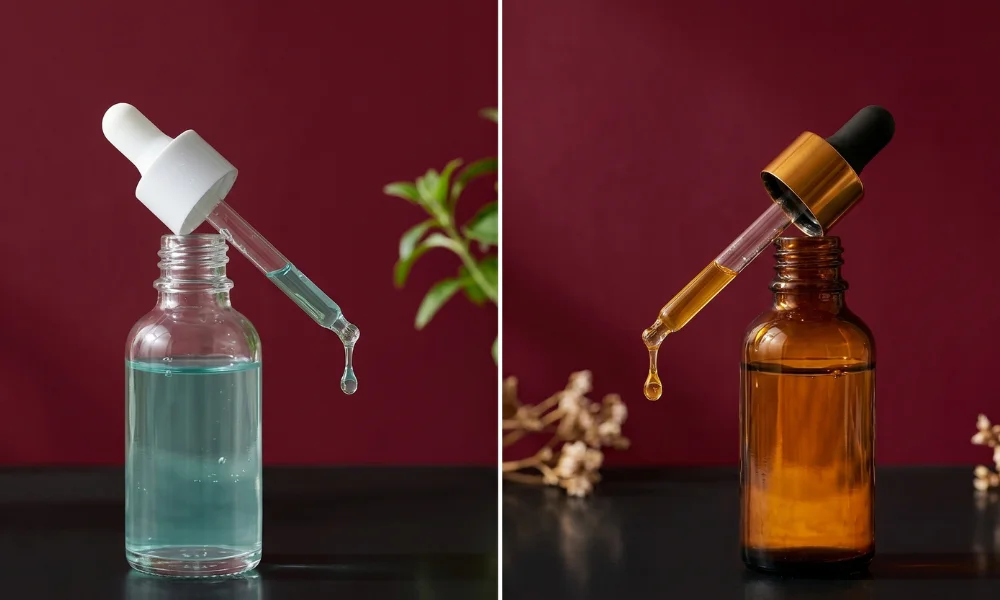
The copper peptides benefits reach further than collagen alone. GHK-Cu, the headline copper peptide, ties a copper ion to a short three-amino-acid chain. It lifts collagen, neutralizes free radicals, and quickens skin repair. That repair talent makes it a go-to for anyone chasing resilience and recovery. You can usually catch it with your eyes as well, since GHK-Cu lends a serum a soft blue tint. A blue bottle is often copper peptides at work.
Do Peptides in Skincare Really Work? The 2026 Evidence
This is the spot where most articles get fuzzy. They mention that studies exist, then drift onward. We will take the harder road. Genuine clinical data on peptides in skincare is out there, and the figures paint a practical picture.
| Peptide | Concentration | Measured result | Timeframe |
|---|---|---|---|
| Argireline (Acetyl Hexapeptide-8) | ~10% | Up to 30% wrinkle-depth reduction, vs ~10% for plain cream | 4 weeks |
| Copper peptides (GHK-Cu) | 2 to 5% | 15 to 23% wrinkle-depth reduction | 12 weeks |
| Matrixyl 3000 | Varies | Reduced deep-wrinkle area, better firmness | 8 to 12 weeks |
| Palmitoyl Pentapeptide-4 | Varies | Smoother texture, fewer fine lines | Over months |
Those results hold up, yet read them without rose-tinted glasses. Argireline outperformed a plain cream by a wide gap in just four weeks, which is genuinely strong. Even so, peptides are helpful rather than heroic. Retinoids and vitamin C still carry heavier anti-aging evidence. Treat peptides in skincare as a dependable supporting actor, and not the headliner.
Do Peptides in Skincare Penetrate the Skin?
Almost no brand tackles this question, and it settles the entire debate. For peptides in skincare to accomplish anything, they have to cross the stratum corneum, the tough outer wall of your skin. Dermatologists lean on the 500 Dalton rule to judge this. Anything heavier than 500 Daltons has a hard time getting through. GHK-Cu sits near 340 Daltons, so it passes with ease.
Larger peptides need help, which is why chemists attach a palmitoyl tag or tuck them inside liposomes. Formulation is not a footnote here. It decides whether the product does anything at all.
Peptides vs Retinol: Which Should You Use?
The peptides vs retinol question comes up all the time, and the honest answer tends to surprise people. Weighing peptides in skincare against retinol is not really a contest, because the two solve different problems through different mechanisms.
| Factor | Peptides | Retinol |
|---|---|---|
| How it works | Signals collagen, gentle | Speeds cell turnover, potent |
| Evidence | Good and growing | Gold standard |
| Irritation risk | Low | Higher, can peel or purge |
| Best for | Sensitive skin, barrier support | Aggressive anti-aging |
| Combine them? | Yes, peptides in the morning | Yes, retinol at night |
Retinol is the heavy hitter. It renews skin quickly, yet it can sting, peel, and push your skin through a purge, so not every face puts up with it. Peptides take the patient route. They build collagen without the fallout, and they help mend the barrier that aggressive retinol tends to wear thin.
The wisest play is to run both. Smooth a peptide serum on in the morning under sunscreen, then keep retinol for the evening. Want to guard your barrier while you do it? Our guide on how to repair your skin barrier slots right into this plan. Side by side, peptides and retinol cover far more ground than either one manages solo.
How to Use Peptides in Your Routine
Figuring out how to use peptides in routine order takes very little effort once the sequence clicks. Peptides in skincare cooperate with most ingredients, so they fold into a basic regimen without fuss. This is the order that works:
- Cleanse with a gentle, fragrance-free wash
- Press your peptide serum onto clean skin
- Seal it in with a moisturizer
- Top it off with broad-spectrum SPF every morning
Timing stays flexible. Morning, night, or twice a day all suit peptides fine. The part that trips people up is knowing what to combine and what to keep separate. Match peptides with hydrating, barrier-loving ingredients without a second thought. Keep them away from strong acids in the same sitting, since a low pH degrades peptides and wastes the product.
| Pair freely with | Keep in a separate routine |
|---|---|
| Hyaluronic acid | Vitamin C (L-ascorbic acid) |
| Niacinamide | Direct acids (AHA and BHA) |
| Ceramides and SPF | Strong low-pH actives |
Patience is the final ingredient. Peptides want 8 to 12 weeks of steady use before real change shows, so resist quitting at week two. And patch test anything new before it goes on your face.
Best Peptide Serum vs Peptide Moisturizer: What to Choose
Serum or cream, which one earns the spot? The best peptide serum packs a higher, more active dose and sinks in deeper, which makes it ideal for focused treatment. A peptide moisturizer suits everyday maintenance, since it layers hydration and barrier support over the peptide signal.
Memorizing brand names is not necessary. Three label checks tell you most of what you need:
- Named peptides, like Matrixyl or GHK-Cu, instead of a vague “peptide blend”
- A spot near the top of the ingredient list
- Helpful partners such as hyaluronic acid or niacinamide
Nail those three, and the product is worth paying for.
Peptides for Anti Aging 2026: What Changed
The conversation around peptides for anti aging 2026 has outgrown plain collagen cream. The science sharpened, and the latest crop of peptides in skincare aims for precision instead of guesswork. A few shifts stand out.
For one, next-generation and biomimetic peptides now mirror your body’s own growth signals far more closely. They zero in on specific repair pathways rather than broadcasting one general message. Then there is collagen banking, an approach where peptides shield the fresh collagen you make, and not only the older collagen you already carry. The point is to stockpile youth for the years ahead.
Formulators started teaming peptides with bigger names too. You will spot them stacked beside exosomes and PDRN, two regenerative ingredients steering the 2026 dialogue. Curious about that branch of the science? Our deep dive on exosomes for skin lays it out.
Even the vocabulary moved. The industry swapped anti-aging for skin longevity, and that small change says a lot. It signals long-term skin health over a fast cosmetic patch. Peptides in skincare now live inside a smarter, repair-first mindset that treats your skin as something worth maintaining for decades.
Final Thoughts
The honest verdict on peptides in skincare comes down to this. They are real, gentle, and supported by solid research, yet they remain supporting players rather than miracle cures. They build collagen quietly, strengthen your barrier, and perform at their best next to sunscreen and retinol.
At DaithPiercing, we strip away the marketing gloss so your money goes where it counts. Pick products with named peptides, give them a full 8 to 12 weeks, and treat them as one part of a larger routine. Ready to keep going? Our guides on skin barrier repair and exosomes for skin make the natural next stop.
Peptides in skincare will not turn back the clock overnight. Used with a little patience, though, they keep your skin firmer, healthier, and stronger for the long haul.
Frequently Asked Questions
Can you use peptides with retinol?
Yes, and the pairing works beautifully. Apply your peptide serum in the morning under sunscreen, then save retinol for night. That spacing keeps the gentle collagen support and the strong turnover boost from interfering with each other. Peptides also help rebuild the barrier that retinol can irritate, so the two genuinely balance one another.
Can you use peptides with vitamin C?
You can use both, just not in the same moment. Vitamin C runs at a low pH, and that acidity can break peptides apart before they get to work. Space them out instead. Use vitamin C in the morning and peptides at night, or alternate days. Each ingredient then delivers its full benefit.
How long do peptides take to show results?
Count on 8 to 12 weeks of daily use. Peptides build collagen at a slow pace, so the improvement arrives gradually and subtly rather than overnight. The absence of stinging or peeling tricks some people into assuming nothing is happening. Stay consistent, and the firmness eventually shows.
Are peptides safe for sensitive skin and during pregnancy?
Peptides rank among the gentlest actives around, and most sensitive skin types handle them comfortably. They rarely provoke irritation. Still, if you are pregnant, clear any product with your doctor first, since individual needs differ. A patch test never hurts either.
Should you apply peptides in the morning or at night?
Both work, so choose whatever fits your day. Peptides stay stable around the clock, and plenty of people apply them twice daily. The rule that matters far more is consistency. Daily use beats perfect timing every single time.