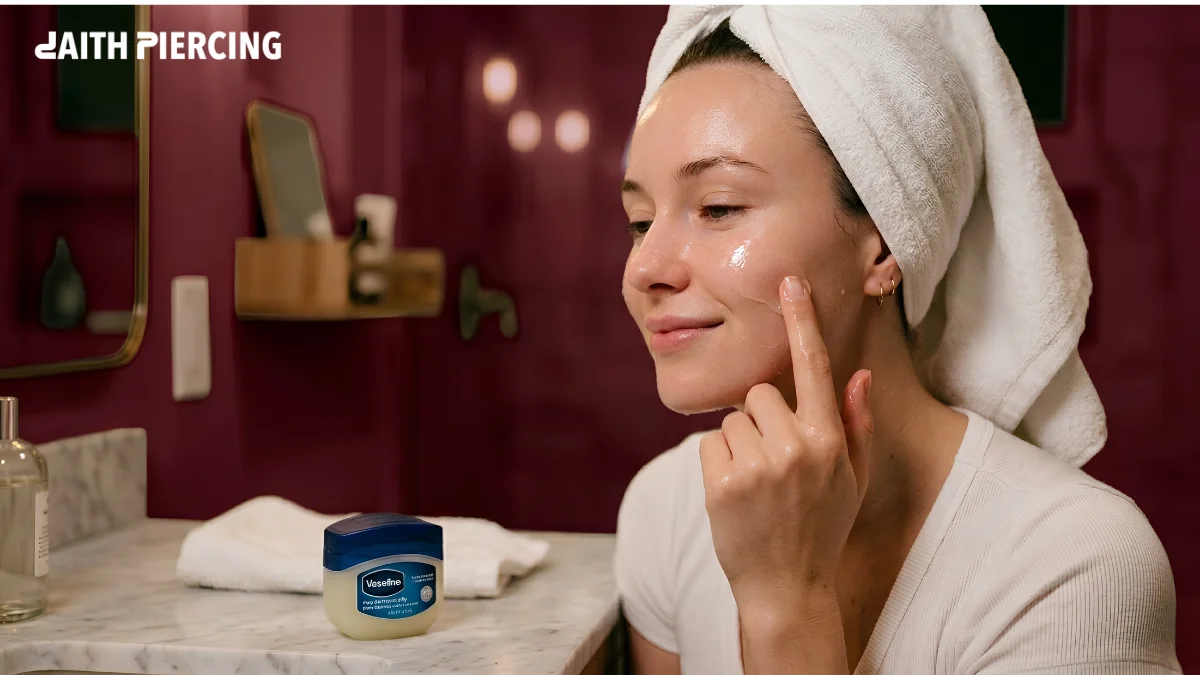
Slugging skin care is a simple nighttime technique where you apply a thin layer of petroleum jelly (like Vaseline) as the last step after serums and moisturizer. It seals in moisture, cuts water loss, and supports skin barrier repair best for dry, dehydrated, or sensitive skin.
How to slug your face: Cleanse, hydrate, moisturize, then add a pea-sized occlusive. Do a slugging routine at night 1–3 times weekly. It can cause breakouts on oily or acne-prone skin, so spot treatment is safer for those types. Many notice softer, plumper skin in slugging before and after photos.
You know that moment when you see someone with incredibly smooth and dewy skin in a late-night scroll. The secret many share these days comes down to slugging skin care. This approach started in actual dermatology offices long before it blew up online. At DaithPiercing we always focus on real advice that works for everyday people who care about their skin and their piercings. Slugging fits perfectly into practical routines, especially when your skin feels tight or stressed.
What Is Slugging Skin Care?
Slugging skin care means you end your nighttime routine by applying a thin layer of an occlusive product. Most reach for something like petroleum jelly. The name comes from the glossy, slippery finish it leaves on your face.
Doctors recommended this method for eczema and very dry skin many years ago. Families in Black communities practiced similar sealing techniques for generations to fight harsh weather. Online communities picked it up around 2014, and now social platforms show it everywhere under the glass skin trend.
The idea stays straightforward. You put on your serums and moisturizer first. Then you seal everything with that occlusive layer. This step reduces water loss from your skin overnight in a big way. Research shows petrolatum blocks up to 99 percent of that evaporation so your skin can actually repair itself while you rest.
How Does Slugging Work? The Science Behind It
Skin constantly loses moisture through a process called transepidermal water loss. Cold air, strong cleansers, and even active ingredients speed this up and weaken your protective barrier. Slugging adds a physical shield on top of your other products.
Petrolatum stays mostly on the surface. It holds the good ingredients you applied earlier right where your skin needs them. Dermatologists at places like Cleveland Clinic note this helps repair damage faster, especially during dry winter months when heating systems pull moisture from the air.
People who stick with it often see their skin look plumper within a few days if dryness was the main issue. Slugging does not solve every concern like acne or dark spots, but it strengthens the foundation so the rest of your routine performs better.
Key Benefits of Slugging Skin Care
Several clear improvements appear when you practice slugging skin care the right way and match it to your skin needs.
- Your skin feels noticeably softer and looks more hydrated each morning because it held onto moisture all night.
- The barrier grows stronger over several weeks, which means less redness and flaking even when you use other active products.
- It soothes skin after minor procedures or exposure to cold, dry conditions that many Americans face in winter.
- The cost stays very low since one good jar lasts for months of use.
Many people share slugging before and after photos that show smoother texture and fewer dry lines after two to four weeks of careful application. These changes come from actual barrier recovery instead of just surface-level shine. In drier parts of the United States, the difference feels especially meaningful during colder months.
Is Slugging Good for Oily Skin? Slugging for Acne Prone Skin
This remains one of the most common questions, and for good reason. Is slugging good for oily skin? Full face application often creates problems for oily or acne prone skin. The thick seal can trap existing oil and bacteria, which leads to more congestion, whiteheads, or small bumps known as milia.
Dermatologists usually recommend spot treatment instead for these skin types. You apply the occlusive only on drier patches like cheeks or around the eyes while you leave the T-zone lighter. Even then, introduce it slowly and monitor closely for changes. If your skin already produces plenty of oil, lighter gel moisturizers combined with niacinamide often deliver better daily results than regular slugging skin care.
Slugging with Vaseline: Best Practices and Alternatives
Slugging with Vaseline stands out as the reliable starting point because it stays pure, costs very little, and carries decades of proven safety data. Many people also reach for CeraVe Healing Ointment when they want built-in ceramides or Aquaphor for its gentle soothing properties.
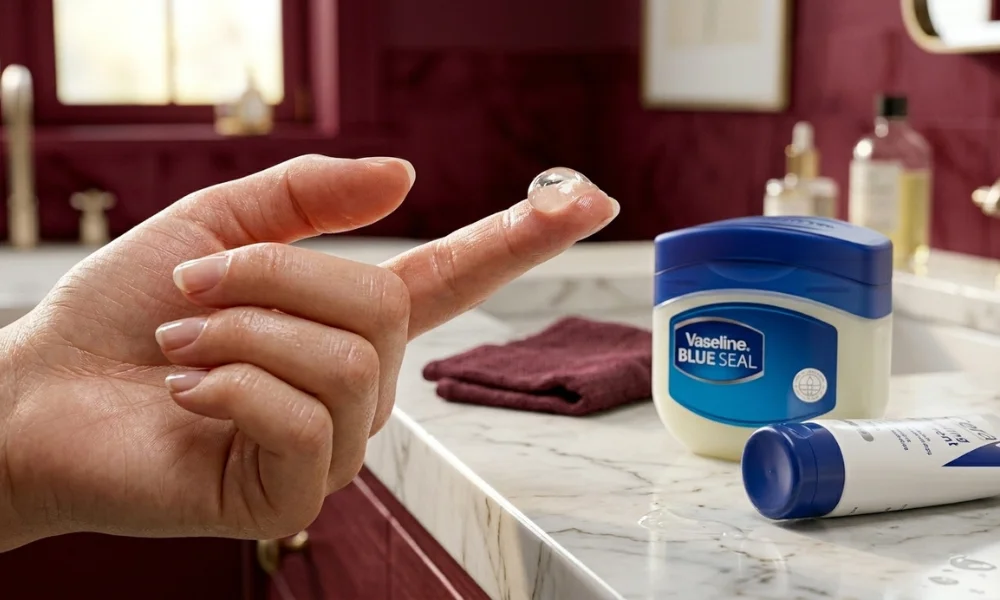
In 2026, those who prefer cleaner ingredient lists experiment with plant-based balms that contain squalane, yet none seal moisture quite as effectively as traditional petrolatum options. Always test any new product on a small patch of skin first to avoid surprises.
How to Slug Your Face Safely with Vaseline: Take only a pea-sized amount each time. Warm it between clean fingers so it spreads evenly in a thin layer. Apply this as the very last step after everything else has absorbed fully into the skin.
Complete Slugging Routine at Night: Step-by-Step Guide
Build your slugging routine at night on clean skin and limit sessions to one to three nights per week at the beginning so you can observe how your face responds over time.
- Cleanse using a gentle, fragrance-free product and lukewarm water only.
- Apply a hydrating serum that contains hyaluronic acid or similar ingredients.
- Follow with your regular ceramide-rich moisturizer in a thin layer.
- Finish with the occlusive product to seal everything.
- Sleep on a silk or satin pillowcase to minimize transfer and keep your skin comfortable.

Avoid mixing this with strong retinoids or acids on the same night because those combinations increase irritation risk quickly. Start slow, stay consistent, and adjust based on seasons and your location.
Ideal Nighttime Slugging Routine
| Step | Product Type | Tips | Best For |
|---|---|---|---|
| Cleanse | Gentle, non-foaming | Use lukewarm water only | All skin types |
| Hydrate | HA serum or barrier serum | Wait 30 to 60 seconds between layers | Dry or dehydrated |
| Moisturize | Ceramide-rich cream | Keep the layer thin | Sensitive or compromised |
| Slug | Vaseline or Healing Ointment | Warm between fingers | Dry areas only if oily |
| Morning | Gentle cleanse plus sunscreen | Remove all residue completely | Everyone |
Who Should Try Slugging and Who Should Avoid It
Deciding who should try slugging skin care and who should avoid it depends mainly on your skin type and climate. Here is a clear breakdown.
Who Should Try Slugging Skin Care
Dry and dehydrated skin responds especially well to this skin care.
- People with mature or sensitive skin often notice softer texture and less flaking after regular use.
- Those recovering from procedures like peels or laser treatments benefit from the extra protection.
- Anyone in dry US winters or low-humidity areas sees stronger barrier repair and morning glow.
Who Should Avoid Slugging Skin Care
Oily or acne-prone skin needs caution with it:
- Full-face application can trap oil and trigger breakouts or milia.
- People in humid or warm climates usually find it too heavy.
- Those using strong retinoids or acids should skip it on active nights to prevent irritation.
Slugging Skin Care Before and After: What to Expect
The first week of slugging skin care usually brings immediate softness and a healthy-looking glow. After four weeks of steady use, many people notice fewer flakes, calmer redness, and easier makeup application on most days.
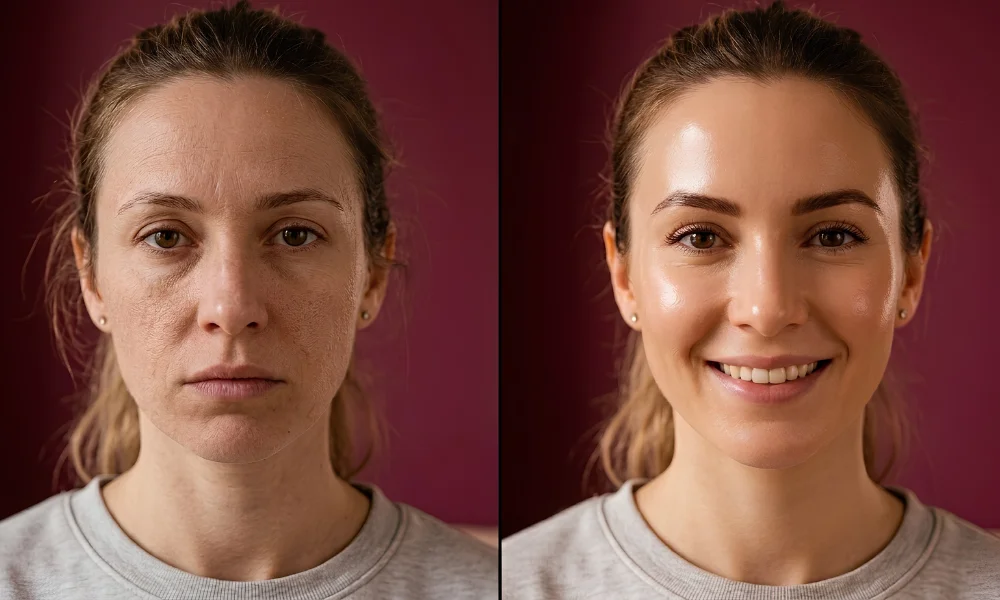
Slugging Before and After Comparison
| Skin Metric | Without Slugging | With Consistent Slugging (2-4 weeks) | Tips |
|---|---|---|---|
| Dryness and Flaking | Shows clearly on cheeks | Reduces significantly | Pair with a good barrier cream |
| Plumpness and Glow | Looks flat and dull | Shows visible dewiness | Stick to nighttime use |
| Barrier Strength | Irritates easily | Stays calmer with less redness | Ease up on actives at first |
| Breakout Risk for Oily Skin | Stays at normal levels | Increases if used all over face | Use spot treatment only |
Your local climate and how consistently you follow the skin slugging method create big differences in outcomes. Drier regions across the United States show the strongest positive changes during winter months.
Potential Risks, Side Effects and How to Minimize Them
Overdoing the layers or choosing the wrong skin type causes most issues with slugging skin care. You might wake up with new breakouts, milia, or noticeable residue on your pillow.
Keep risks low by starting on small areas only, using truly thin layers, and cleansing thoroughly each morning. Never layer the occlusive over potent acids or retinoids. Stop immediately and give your skin time to settle if you notice increased redness or discomfort. Real results come from listening to your skin rather than pushing through problems.
Slugging vs. Other Skincare Trends
| Method | How It Works | Best For | Drawbacks |
|---|---|---|---|
| Slugging | Seals previous layers with occlusive | Dry skin and barrier repair | Can feel heavy or greasy |
| Skin Flooding | Layers several watery products | Quick dehydration relief | Effects fade faster |
| Regular Moisturizing | Simple daily cream application | Everyday skin maintenance | Less powerful overnight repair |
Slugging skin care works especially well alongside the skin barrier advice we share in other detailed guides here at daithpiercing. The combination gives you stronger, longer-lasting improvements than any single trend alone.
Conclusion
At daithpiercing we stay focused on useful information that helps you care for your skin and piercings in ways that actually fit real life. Give a simple slugging routine at night a careful try on one small area first. Notice how your skin feels the next day and adjust from there. Come back and check our other guides on barrier repair or share your own slugging before and after experiences below. Taking these thoughtful steps adds up to healthier, more comfortable skin over time.
Frequently Asked Questions
What is slugging skin?
What is slugging skin refers to finishing your evening routine with a thin occlusive layer like petroleum jelly to lock in moisture and help your skin barrier recover overnight.
How to slug your face?
How to slug your face starts with gentle cleansing, followed by hydrating serums and moisturizer, then a pea-sized amount of occlusive on top. Perform this at night and remove everything gently in the morning.
Is slugging good for oily skin?
Oily skin usually does not respond well to full face slugging skin care because it traps oil and raises breakout chances. Spot treatment on drier patches works better for most people.
What is the skin slugging method and does it work?
The skin slugging method layers hydrating products then seals them with an occlusive. It works very well for dry and dehydrated skin by reducing water loss and supporting repair, according to multiple dermatologists and studies.
How often should you follow a slugging routine at night?
Slugging routine at night frequency depends on your skin. Begin with one to three nights per week. Very dry skin in colder months may handle more regular use, but most people see good results without daily application.