The best SPF moisturizer for oily skin is a lightweight, oil-free, non-comedogenic formula with broad-spectrum SPF 30 or higher and a soft matte finish, like EltaMD UV Clear SPF 46 for acne-prone skin or CeraVe AM SPF 30 for an everyday drugstore pick.
Oily skin and sun protection used to feel like a fight. You wanted to guard your skin, but most SPF left you slick and shiny by lunch. Here at daithpiercing, we held the marketing promises up against real wear and the research. This guide strips away the gloss so your money and your face both win.
We will keep it plain. We will name what works, what does not, and who each pick is for.
Key Takeaways
- Look for three words on the label: oil-free, non-comedogenic, and broad-spectrum.
- SPF 30 is the floor for daily wear. SPF 50 gives more buffer for long days outside.
- A matte or dry touch finish controls shine far better than a dewy one.
- Niacinamide, silica, and zinc oxide are oily-skin friendly. Heavy oils and waxes are not.
- An SPF moisturizer counts only if you apply enough. Most people use too little.
- For a beach or pool day, reach for a dedicated sunscreen, not a light SPF moisturizer.
What Makes a Good SPF Moisturizer for Oily Skin?
A good SPF moisturizer for oily skin hydrates without grease, blocks UVA and UVB rays, and dries down to a finish that fights shine. It should feel like nothing and disappear under makeup.
Oily skin still needs water. Dermatologists point out that skin can be oily and dehydrated at the same time. When you strip oil away, your skin often makes more to cope. So the goal is balance, not war.
The right formula uses humectants like hyaluronic acid and glycerin to pull in water. Then it adds ingredients that calm oil and protect the barrier. It skips thick butters and heavy plant oils that sit on top and clog pores.
Ingredients to Look For (and Skip) in Best SPF Moisturizer for Oily Skin
Reach for these:
- Niacinamide: calms redness and helps regulate oil.
- Zinc oxide: mineral UV filter with a naturally matte feel.
- Silica: soaks up surface shine.
- Hyaluronic acid and glycerin: light water-based hydration.
- Ceramides: support the skin barrier so it does not overreact.
Be careful with these on very oily skin:
- Coconut oil and cocoa butter, which can clog pores
- Heavy occlusives like thick petrolatum layers
- Strong fragrance, which can irritate acne-prone skin
Mineral or Chemical SPF: Which Is Better for Oily Skin?
Neither one wins for every reader. Mineral filters like zinc oxide tend to feel matte and suit sensitive, reactive skin. Chemical filters tend to feel lighter and blend with no white cast, which many oily-skin users prefer.
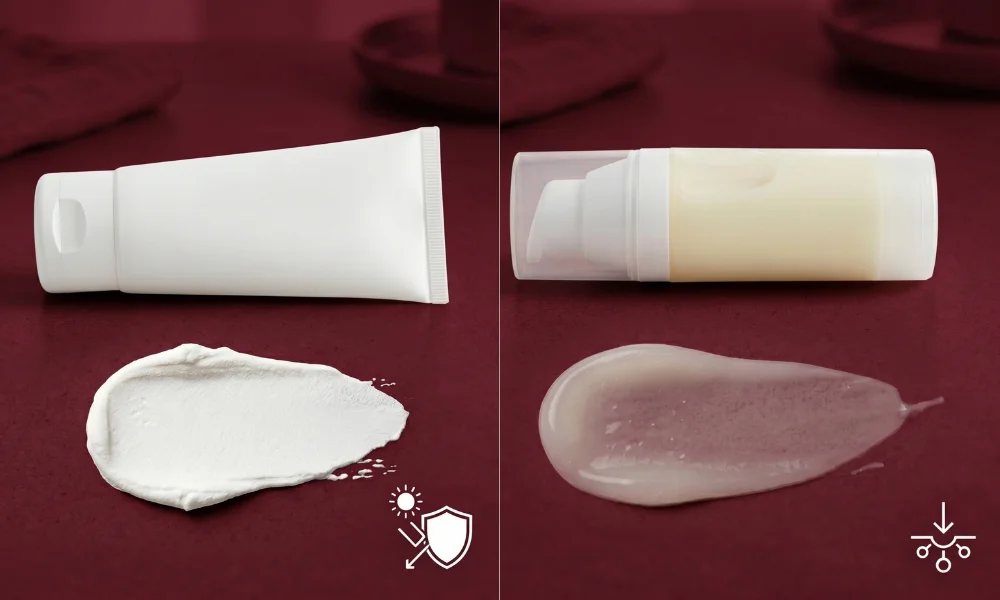
Mineral SPF sits on top of the skin and reflects light. It can leave a slight cast on deeper skin tones, yet newer tinted versions fix that well. It is a smart pick if you break out easily or get red fast.
Chemical SPF absorbs into the upper skin and turns UV into heat that releases. It usually feels weightless and works well under makeup. Some people find certain filters sting near the eyes, so patch test first.
Many 2026 favorites are hybrids. They mix a little zinc with chemical filters to get matte feel and an invisible finish at once.
The DaithPiercing F.A.M.E. Test (Our Original Fit Method)
Lists tell you what is popular. They do not tell you what fits your face. So we built a simple home test. Run any SPF moisturizer through F.A.M.E. for two weeks before you commit.
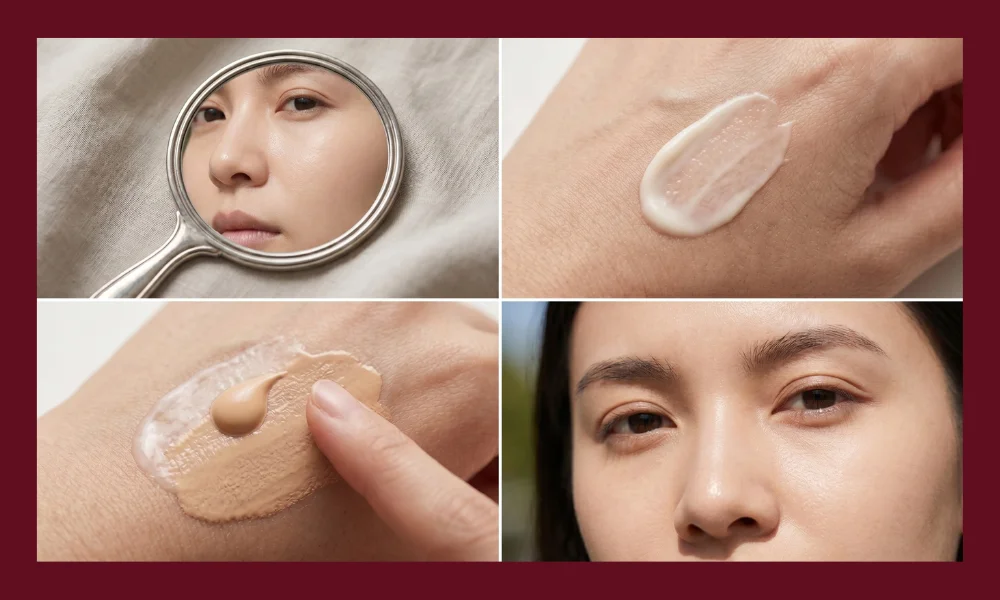
- F is for Finish. One hour after applying, check a mirror in daylight. Matte or balanced is a pass. Greasy sheen is a fail.
- A is for Absorption. Time how fast it sinks in. Under 60 seconds with no sticky film is ideal for oily skin.
- M is for Makeup friendliness. Apply your base on top. If it pills, balls up, or slides, that is a red flag.
- E is for Endurance. Check your T-zone at midday. A little shine is normal. A full slick by noon means the formula is too rich for you.
Score each letter from 1 to 5. A total of 16 or higher is a keeper. Anything under 12 belongs in the return pile. This test saves money and skin, and it beats guessing from a label.
Best SPF Moisturizers for Oily Skin: Top Picks for 2026
Here are our tested-style picks, sorted so you can choose by goal and budget. Prices are approximate US retail and shift over time.
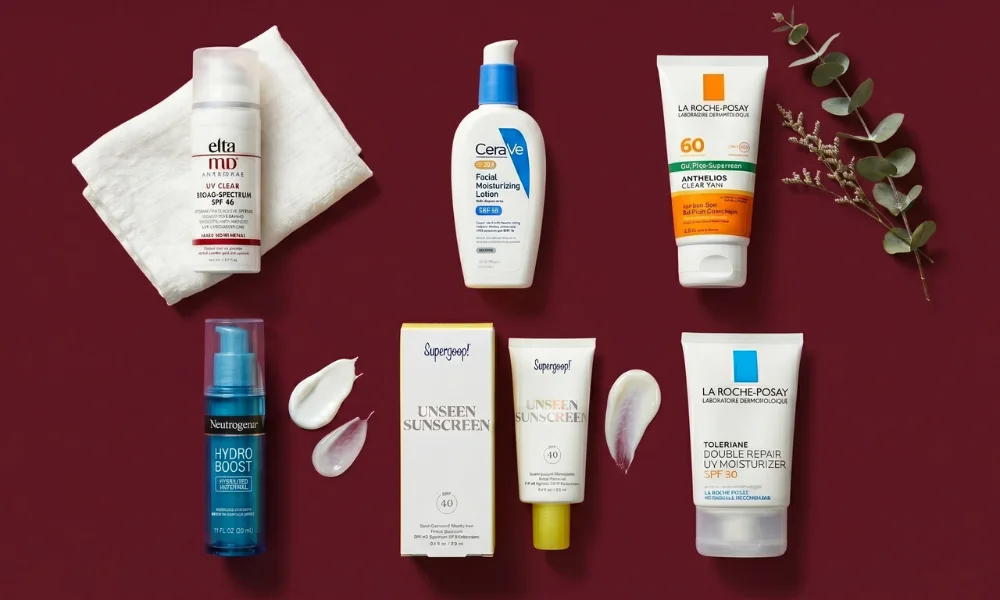
Best Overall for Acne-Prone Oily Skin: EltaMD UV Clear SPF 46
Oil-free, non-comedogenic, and packed with niacinamide, this is the formula dermatologists name again and again. It feels light, calms redness, and rarely triggers breakouts. The finish is soft, not heavily matte, so very oily readers may set their T-zone with powder. Around 43 dollars.
Best Drugstore SPF Moisturizer: CeraVe AM Facial Moisturizing Lotion SPF 30
This is the true two-in-one. You get ceramides, niacinamide, and hyaluronic acid plus broad-spectrum SPF 30 at a drugstore price. It hydrates and protects in one step. Some users notice slight pilling under heavy makeup, so apply a thin layer and let it set. Around 15 to 18 dollars.
Best Matte Finish: La Roche-Posay Anthelios Clear Skin Oil-Free SPF 60
Built for oily and acne-prone skin, this one dries to a real matte touch and helps hold back shine. The high SPF gives extra buffer on long days. The finish can read powdery on dry patches, so it suits the oilier crowd best. Around 30 dludollars.
Best Lightweight Gel: Neutrogena Hydro Boost Water Gel SPF 50
A water-gel texture that sinks in fast and feels close to weightless. Hyaluronic acid hydrates without grease, and the high SPF is a plus. It leans slightly dewy, so pair it with a mattifying primer if you shine fast. Around 20 dollars.
Best Under Makeup: Supergoop! Unseen Sunscreen SPF 40
This one feels like a primer. It goes on clear, grips makeup, and blurs pores with an oil-free, weightless feel. It is pricier and runs small, yet it is a favorite for people who hate sunscreen. Around 38 dollars.
Best Barrier Support: La Roche-Posay Toleriane Double Repair UV SPF 30
A daily moisturizer with niacinamide, ceramides, and SPF 30. It calms and hydrates while it protects, which suits oily skin that still feels stressed or sensitive. The finish is balanced, not heavily matte. Around 30 dollars.
Best SPF Moisturizers for Oily Skin
| Product | SPF | Filter Type | Finish | Best For | Approx. Price |
|---|---|---|---|---|---|
| EltaMD UV Clear | 46 | Hybrid (zinc + chemical) | Soft, near-matte | Acne-prone oily skin | $43 |
| CeraVe AM SPF 30 | 30 | Chemical | Balanced | Everyday drugstore | $15 to $18 |
| La Roche-Posay Anthelios Clear Skin | 60 | Chemical | Matte, dry touch | Very oily, shine control | $30 |
| Neutrogena Hydro Boost SPF 50 | 50 | Chemical | Light, slightly dewy | Lightweight hydration | $20 |
| Supergoop! Unseen | 40 | Chemical | Clear, blurring | Wear under makeup | $38 |
| LRP Toleriane Double Repair UV | 30 | Hybrid | Balanced | Barrier support | $30 |
How to Apply Best SPF Moisturizer for Oily Skin the Right Way
The biggest mistake is not the product. It is the amount. An SPF moisturizer only gives its labeled protection when you apply a true sunscreen dose, and most people use far too little.
Follow these steps:
- Cleanse with a gentle, non-stripping wash. Pat dry.
- Apply any treatment serum first and let it absorb.
- Use the two-finger rule. Squeeze SPF along your index and middle fingers, then spread it over your full face and neck.
- Let it set for one to two minutes before makeup.
- Reapply during long days outside, especially after sweat. A SPF powder or mist makes touch-ups easy over makeup.
Benefits and Limitations of Best SPF Moisturizer for Oily Skin
Benefits:
- One step instead of two saves time and money.
- Lighter feel means you actually wear it, and worn SPF beats skipped SPF.
- Many formulas add skincare actives like niacinamide.
Limitations:
- You may apply too little to hit the labeled SPF.
- Light SPF moisturizers are not built for swimming or a full beach day.
- Reapplying over makeup is harder than with a plain sunscreen.
So treat an SPF moisturizer as your daily indoor-and-errands shield. For long sun exposure, switch to a dedicated, water-resistant sunscreen.
Common Mistakes and Best Practices
- Mistake: Skipping moisturizer because skin feels oily. Oily skin still needs water.
- Mistake: Over-cleansing to kill shine. Stripping triggers a rebound and more oil.
- Mistake: Using a pea-size amount. That is moisturizer dosing, not SPF dosing.
- Best practice: Choose oil-free and non-comedogenic, then run the F.A.M.E. test.
- Best practice: Set the T-zone with a light SPF powder if you shine by noon.
Expert Tips
Dermatologists who treat oily and acne-prone skin tend to agree on a few points. Pick gel or fluid textures over thick creams. Look for niacinamide and zinc to calm and mattify. And do not chase a powdery, super-dry finish, since that can leave dehydrated skin underneath.
One practical tip we like: store your SPF moisturizer by your toothbrush. You will not forget the step if you see it every morning.
If you have active acne, rosacea, or a reaction to a new product, see a board-certified dermatologist. A pro can match filters and actives to your skin and rule out a true allergy.
Trends and Future Outlook: 2026 to 2028
The category is moving fast. Hybrid filters that blend a touch of zinc with light chemical filters are taking over, since they give matte feel with no white cast. Tinted SPF with iron oxides is growing too, because it adds visible-light protection that helps with dark spots.
Expect more skin-tint plus SPF plus treatment hybrids through 2027. Brands are also leaning into barrier-friendly formulas, so future oily-skin SPF will likely calm skin while it mattifies. Refillable and fragrance-free options should keep rising as well.
Final Thoughts: Which One Should You Pick?
The best SPF moisturizer for oily skin is the one you will reach for every single day, with an oil-free, non-comedogenic, broad-spectrum formula and a finish that holds back shine.
If you break out, start with EltaMD UV Clear. If you want value, CeraVe AM SPF 30 is hard to beat. For the most matte wear, try La Roche-Posay Anthelios Clear Skin. Run your choice through our F.A.M.E. test for two weeks, then trust your own face.
Here at Daith Piercing, our promise is clarity before you commit. Protect your skin, skip the grease, and spend your money where it counts.
Frequently Asked Questions
Is an SPF moisturizer enough for oily skin?
For daily indoor life and short errands, yes, if you apply a full two-finger dose. For long hours outside, swimming, or sweating, it is not enough. Switch to a dedicated, water-resistant sunscreen and reapply every two hours in strong sun.
What SPF is best for oily, acne-prone skin?
Aim for broad-spectrum SPF 30 as your daily floor. SPF 50 gives more buffer for longer days. Pick oil-free, non-comedogenic formulas with niacinamide or zinc oxide. These help calm breakouts and control shine while they protect.
Do SPF moisturizers cause breakouts?
They can if they contain pore-clogging oils or heavy waxes. To lower the risk, choose products labeled non-comedogenic and oil-free. Patch test on your jaw for a few days first. If you still break out, switch to a lighter gel or mineral formula.
Can I skip sunscreen if my moisturizer has SPF?
For everyday low-sun days, a well-applied SPF moisturizer can stand in. But most people apply too little to hit the label. On high-sun days, do not rely on it alone. Use a proper sunscreen so your skin gets the protection it needs.
Is mineral or chemical SPF better for oily skin?
Both can work well. Mineral SPF with zinc oxide feels matte and suits sensitive, reactive skin. Chemical SPF feels lighter and blends invisibly, which many oily-skin users prefer. Hybrids give matte feel with no white cast, so they are a strong middle path.