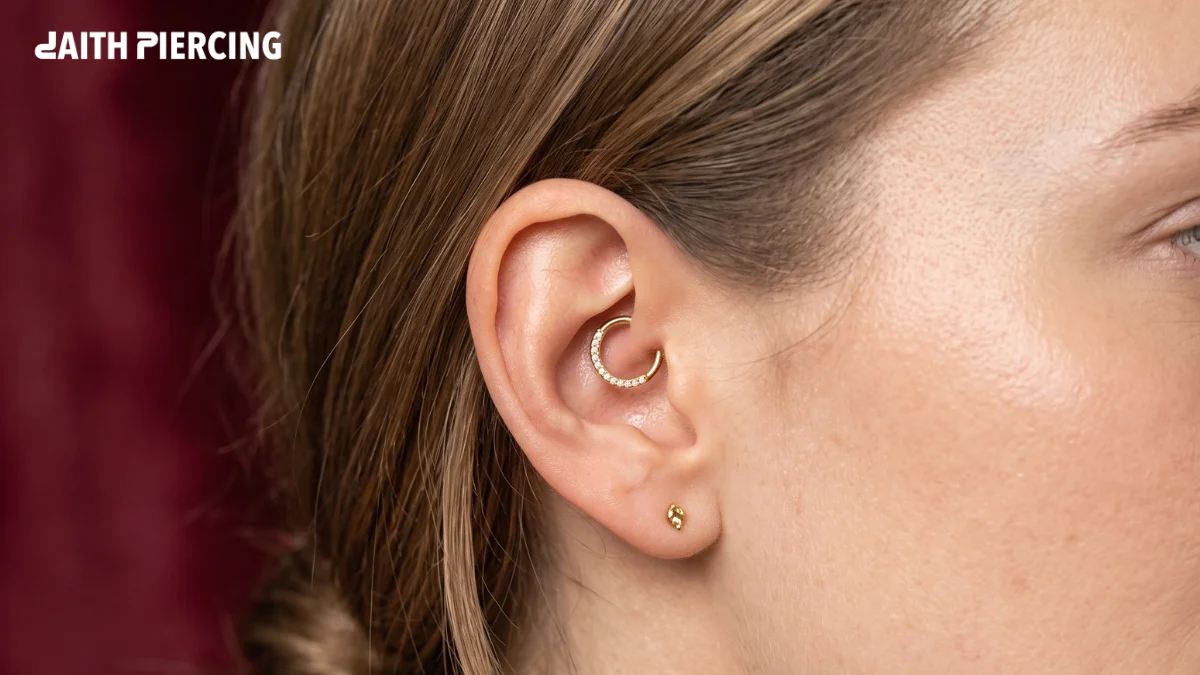
A daith piercing infection happens when bacteria get trapped in the deep cartilage fold of your ear. You can usually spot it by seeing thick, yellow or green discharge, feeling intense throbbing pain, or noticing the skin around the ring getting hot and bright red. If you see these signs, don’t try to fix it with home remedies. See a doctor right away. They will decide if you need antibiotics or if the jewelry should come out. Always keep the area clean with sterile saline and avoid touching it.
A daith piercing infection requires proper attention because this cartilage-based puncture heals slowly and lacks robust blood flow. While most complications arise from simple irritation, you must distinguish between normal recovery and genuine bacterial threats. Proper hygiene remains your best defense against long-term damage. For expert guidance on maintaining your piercing safely, visit DaithPiercing.
Key Takeaways
-
Distinguish between standard crusty lymph fluid and thick, yellow or green pus to identify potential infections early.
-
Avoid harsh DIY remedies like tea tree oil or aspirin pastes, as these often irritate delicate cartilage and delay the healing process.
-
Prioritize professional medical assessment if you notice spreading redness, intense throbbing, or fever, as these indicate a serious systemic infection.
How can you tell if your daith piercing is infected?
Look for symptoms that worsen over time rather than improve. A true infection presents with a foul smell, yellow or green pus, and heat radiating from the tissue. Irritation usually feels itchy and looks dry, but infection feels hot and hurts to touch.
When should you see a doctor?
See a doctor if your ear feels hot to the touch, you run a fever, or the redness spreads across your ear. Do not wait if you see heavy discharge or feel throbbing pain.
Daith Piercing Infection at a Glance
| Topic | Quick Answer |
| Healing Time | 6 to 12 months on average. |
| Infection Risk | Moderate due to cartilage location. |
| Mild Symptoms | Clear crust, light pink tone, minor soreness. |
| Severe Symptoms | Green/yellow pus, fever, spreading redness. |
| Home Care | Sterile saline wash, leave it alone, avoid pressure. |
| Medical Treatment | Topical or oral antibiotics prescribed by a doctor. |
| Emergency Signs | Fever, chills, swelling that traps the jewelry. |
What Is a Daith Piercing Infection?
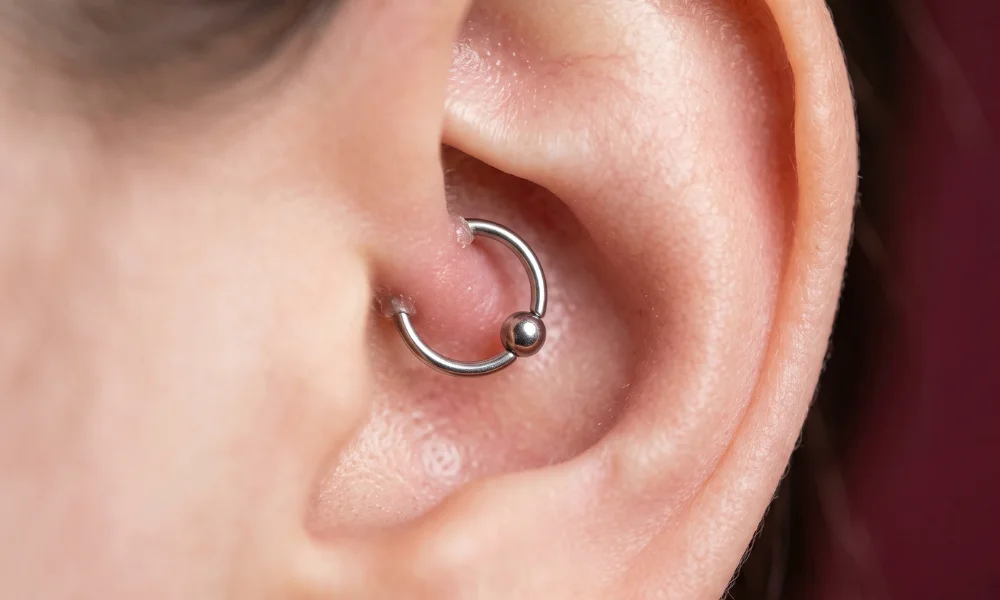
A daith piercing infection happens when tiny germs, or bacteria, get inside the hole in your ear. Think of your ear like a tiny, hidden pocket. Because a daith piercing goes through the thick, stiff part of your ear called cartilage, it does not heal as fast as the soft part of your earlobe. It is a bit like a slow-growing plant that needs extra care and time to settle in. If germs sneak into that pocket, they can make your ear very unhappy.
Why cartilage piercings have a higher infection risk
Think of your earlobe like a soft sponge that gets plenty of blood flow to help it heal quickly. But the stiff part of your ear the cartilage is different. It has much less blood flow, so it cannot send many body soldiers to fight off germs. Since it takes a long time to heal, those germs have a longer time to try and move in.
How bacteria enter a healing daith piercing
Germs are everywhere, but they usually stay on the surface of your skin where they cannot do much harm. They enter your piercing when they get a ride inside the hole. This happens if you touch the piercing with dirty fingers, use jewelry that is not clean, or get things like shampoo or sweat stuck in the area. Once they get inside, they start to grow and cause trouble.
Common causes of daith piercing infection
-
Poor hygiene: If you forget to clean your piercing, dust and germs build up.
-
Touching with dirty hands: Your fingers carry germs from everything you touch during the day.
-
Sleeping pressure: Pushing your ear against a hard pillow all night squeezes the piercing and stops it from getting fresh air.
-
Low-quality jewelry: Some metal jewelry is made of cheap materials that can make your skin break out in an angry rash.
-
Early jewelry changes: If you try to swap your ring too soon, you rip the healing skin inside and create a doorway for germs.
-
Swimming pools: Public pools have chemicals and bacteria that do not belong in a fresh, open wound.
-
Headphones & earbuds: These sit right on top of your piercing and are often covered in invisible germs.
-
Hair products: If shampoo or hairspray drips onto your piercing, it acts like glue and traps dirt inside.
Early Daith Piercing Infection Symptoms You Should Never Ignore
It is normal for your ear to feel a little bit tender or sore when you first get it pierced. This is just your body starting to heal. But watch out for pain that feels like a throbbing beat, or pain that makes you want to cry. If the pain gets worse every day instead of feeling better, it is not just normal soreness.
Heat, redness, swelling, and tenderness
If you gently touch the skin around your ear, it should feel like the rest of your body. If it feels hot—like it has a fever that is a big warning sign. Also, look at the color. A little pink is okay, but bright red skin that spreads out means your body is fighting hard. If the swelling gets so big that the ring feels like it is being squeezed, you need to be careful.
Drainage, odor, and bleeding
Sometimes your piercing will leak a little bit of clear, watery stuff. This is normal and is just part of the healing fluid. But if you see thick, yellow, or green goo that looks like pus, it means you have a daith piercing infection. It might even have a gross, yucky smell. If you also see blood mixed in, your body is really telling you that something is wrong.
Fever and spreading infection
A bad daith piercing infection does not just stay in your ear. Sometimes, your whole body gets involved. If you start to feel like you have a fever, or if you feel shaky and cold, that is a sign the daith piercing infection is trying to spread. You should tell an adult or a doctor right away so they can help you feel better and stop the germs from traveling.
What Does an Infected Daith Piercing Look Like?
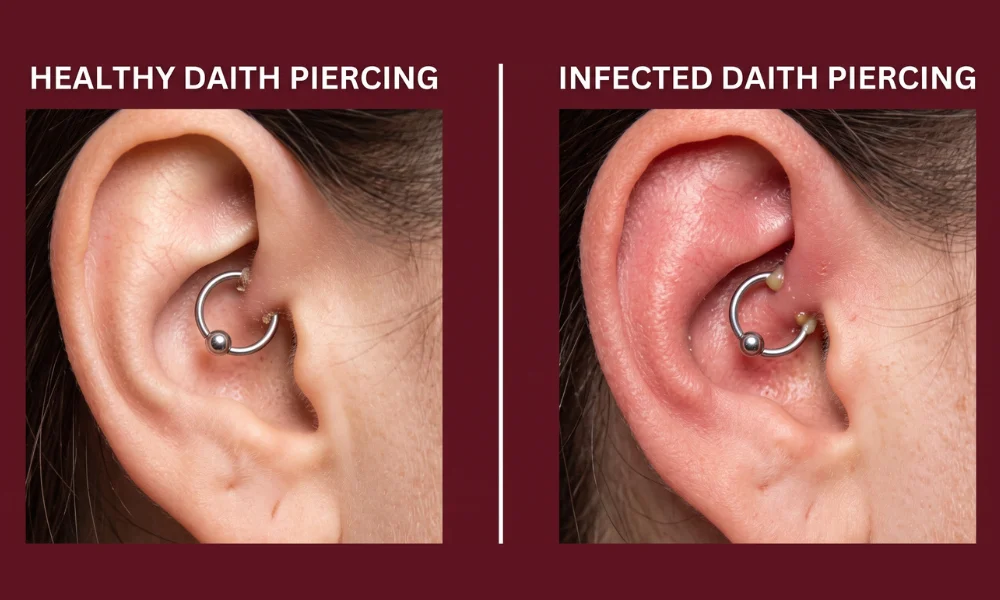
When you look in the mirror, it is natural to feel worried if your ear looks a bit different. So, what does an infected daith piercing look like? It often changes from a simple, sore spot into something that looks angry, swollen, and very red. Knowing how to spot these changes early can help you catch a problem before it gets too serious.
Visual signs of a mild infection
At the start, a mild infection might look like a small patch of redness around the jewelry. The skin might look a bit shiny, and you could see a tiny bit of cloudy fluid that is not quite clear. It might not look terrible yet, but it is a sign that your body is having a hard time.
What healthy healing actually looks like
Healthy healing is much calmer. You should see light, clear, or pale yellow crust forming on the jewelry. The redness should slowly fade over the weeks, not get worse. The ear might be a little tender if you bump it, but it should never feel hot, throb, or leak thick, smelly pus.
Healthy Healing vs Infection vs Emergency Symptoms
| Feature | Normal Healing | Mild Infection | Severe Infection |
| Color | Light pink to skin tone | Red and warm | Bright, dark red or purple |
| Fluid | Clear or white crust | Cloudy or yellow fluid | Thick yellow or green pus |
| Pain | Low; hurts only if touched | Throbbing or constant | Sharp, intense pain |
| Action | Keep cleaning, leave alone | Visit a professional | Go to a doctor right away |
Infected Daith Piercing vs Irritation Bump
Learning to tell the difference between a simple irritation bump and a true infection will save you from unnecessary stress.
-
What is an irritation bump? It is a small, raised spot caused by physical stress, like sleeping on your ear, bumping it, or wearing heavy jewelry. Your skin creates this as a protective blister.
-
Why they get confused: Both look like red bumps. The difference is that irritation comes from what you did to the ear, while infection comes from germs that got in.
-
Color: Irritation bumps are usually skin-colored or soft pink. Infections look angry bright red, deep pink, or even purple.
-
Pain: Irritation bumps are tender only when touched. Infections often throb with a pulse and cause intense, constant pain.
-
Drainage: Irritation might show a little clear fluid. Infection produces thick, goopy, yellow or green pus that may smell bad.
-
Antibiotics: Antibiotics only treat bacterial infections. If you have an irritation bump, you simply need to remove the source of the stress so your ear can heal.
Infected Daith Piercing vs Irritation Bump
| Feature | Infection | Irritation Bump |
| Pain | Throbbing, constant | Tender only when touched |
| Redness | Spreading, bright red | Localized around the bump |
| Swelling | Firm, hot, and large | Small and puffy |
| Discharge | Thick yellow or green pus | Clear or light crust |
| Heat | Feels hot to touch | Normal skin temperature |
| Treatment | Antibiotics from a doctor | Fix the cause of irritation |
Understanding Daith Piercing Swelling and Redness
Why your ear feels puffy and how to tell if the color change is just part of the healing or a sign of trouble.
-
Swelling during the first week: Initial puffiness and soreness are normal as your body begins the repair process. The area may feel tight, but the pain should be manageable.
-
Swelling after several weeks: Persistent or increasing puffiness after a month indicates irritation, often caused by sleeping on the ear, frequent touching, or jewelry pressure.
-
When redness becomes abnormal: While a light pink tone is common, bright, spreading redness is a sign of infection or severe irritation that requires professional attention.
-
How sleeping position affects swelling: Sleeping on your piercing traps heat and creates constant pressure, which significantly delays healing and increases swelling.
-
Jewelry pressure vs infection: Heavy or incorrectly sized jewelry can physically press against the cartilage, causing swelling that mimics an infection.
Daith Piercing Infection Yellow Discharge: Is It Normal?
Understanding the difference between healthy healing fluid and dangerous pus is the key to keeping your ear safe.
-
White lymph fluid vs yellow pus: Clear or white fluid is normal healing lymph. However, thick, yellow fluid is pus, which means your body is fighting off bacteria.
-
Green discharge: Green pus is a serious warning sign of a major bacterial infection. Do not wait for it to clear up; seek help.
-
Bloody drainage: While a little blood is normal right after piercing, bleeding weeks later means the tissue is damaged or sick.
-
Bad odor: A healthy piercing has no smell. A yucky, strong odor is a clear sign that bacteria are growing in your ear.
-
When to see a doctor: If the discharge is thick, yellow, or green and smells bad, see a doctor right away. Do not try to treat this at home.
How to Treat a Daith Piercing Infection
If you suspect an infection, follow these careful steps to clean the area and prevent further damage to your delicate ear tissue.
1. First steps at home
Taking quick action to keep the area clean and undisturbed is the best way to stop an infection from spreading. If you suspect an infection, the first thing you should do is stop touching it. Wash your hands well before you get anywhere near your ear. Keep your hair away from the area so it does not trap dirt or germs.
2. Sterile saline cleaning
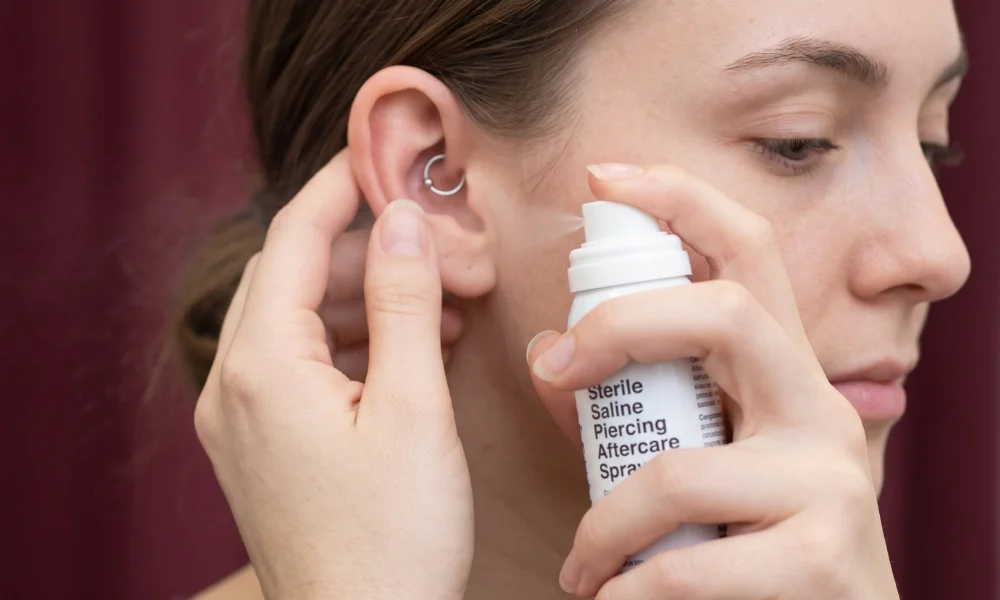
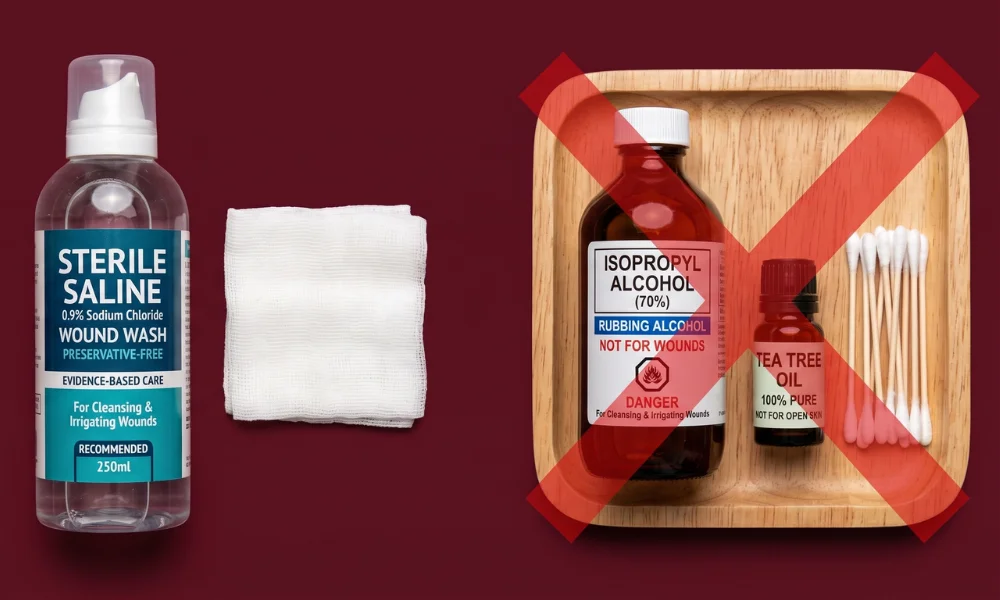
Using the right cleaning product is essential because it safely removes bacteria without hurting your healing skin. Use a sterile saline wound wash. It is the only thing you should use to clean the area. Spray it gently on the piercing twice a day. Do not rub the area, and do not try to move the ring to get the saline inside.
3. Warm compresses
This gentle method helps soothe the area and naturally lifts away crusting that might otherwise block the wound. A clean, warm cloth can help soothe the pain. Soak a clean piece of gauze in warm saline and gently hold it near the piercing. This can help clear away crusts, but be very gentle.
4. Pain relief
Managing your discomfort helps you stay relaxed and prevents you from accidentally touching or bumping your ear. If the throbbing hurts, you can take a simple pain reliever that you get from the store, like ibuprofen. It helps with the pain and also helps lower the swelling.
5. Protecting the piercing while it heals
Reducing physical stress on the ear is one of the most effective ways to help your body focus its energy on healing. Try to sleep on your other side or use a travel pillow with a hole for your ear. This stops you from putting pressure on the piercing while you sleep.
Piercing Infection Home Remedies vs Antibiotics
When comparing piercing infection home remedies vs antibiotics, always remember that real medical help is the only way to treat a true infection.
Which home remedies are actually supported by evidence?
The only safe remedy is sterile saline. Your body knows how to heal itself if you keep it clean and leave it alone.
Which remedies should never be used?
-
Alcohol: It is too harsh and dries out the skin, which stops the healing.
-
Hydrogen peroxide: It kills the good cells your body needs to fix the wound.
-
Tea tree oil: It is way too strong for sensitive cartilage and causes chemical burns.
-
Aspirin paste: This can burn your skin and irritate the piercing.
-
Toothpaste: It has ingredients that will irritate the hole and trap germs inside.
-
Essential oils: These are not meant for open wounds and will cause a reaction.
When oral antibiotics become necessary
If the infection is deep or if you have a fever, you need oral antibiotics from a doctor. Home cleaning will not kill bacteria that are living deep inside your cartilage.
Why removing jewelry too early can make infection worse
If you take the ring out while the infection is active, the hole can close up over the germs. This traps the bacteria inside your skin and can cause an abscess, which is a much bigger problem. Talk to a doctor before you take your jewelry out.
Home Remedies vs Medical Treatments
This table helps you see why professional medical treatments are far superior to unproven home fixes.
| Treatment | Safe | Recommended | Medical Evidence |
| Sterile saline | Yes | Yes | High |
| Warm compress | Yes | Yes | Moderate |
| Antibiotics | Yes | Yes | Very High |
| Tea tree oil | No | No | None |
| Alcohol | No | No | None |
| Hydrogen peroxide | No | No | None |
How to Treat a Crusty Daith Piercing Without Slowing Healing
Learning the right way to manage buildup is vital because aggressive cleaning often causes more harm than the crust itself.
Why crust forms
Crust is just a mix of dead skin cells and dried lymph fluid. Your body makes this fluid to help repair the wound. While it might look messy, it is a normal part of your ear trying to heal. It is not an infection on its own; it is simply a byproduct of your body working hard to rebuild tissue.
Safe cleaning steps
The best way to clean your ear is with a sterile saline wound wash. Spray the saline onto the piercing once or twice a day. After you spray it, gently pat the area dry with a clean piece of non-woven gauze. Do not scrub or twist the jewelry. The saline will soften the crust, and it will eventually fall away while you shower.
What never to pick or scrape
Never try to pick, scrape, or peel the crust off with your fingernails or tweezers. If you pick at it, you create tiny tears in your skin. These tears allow new bacteria to get inside, which can lead to a real infection. Always let the crust come off naturally when it is ready.
How often should crust be cleaned?
You should clean your piercing no more than two times a day. If you clean it too often, you will dry out the skin and make it produce even more crust. Gentle, regular care is much better than over-cleaning.
Should You Remove the Jewelry During a Daith Piercing Infection?
This is a critical decision that should almost always involve a professional, as taking the wrong path can lead to permanent scarring or abscesses.
What medical experts recommend
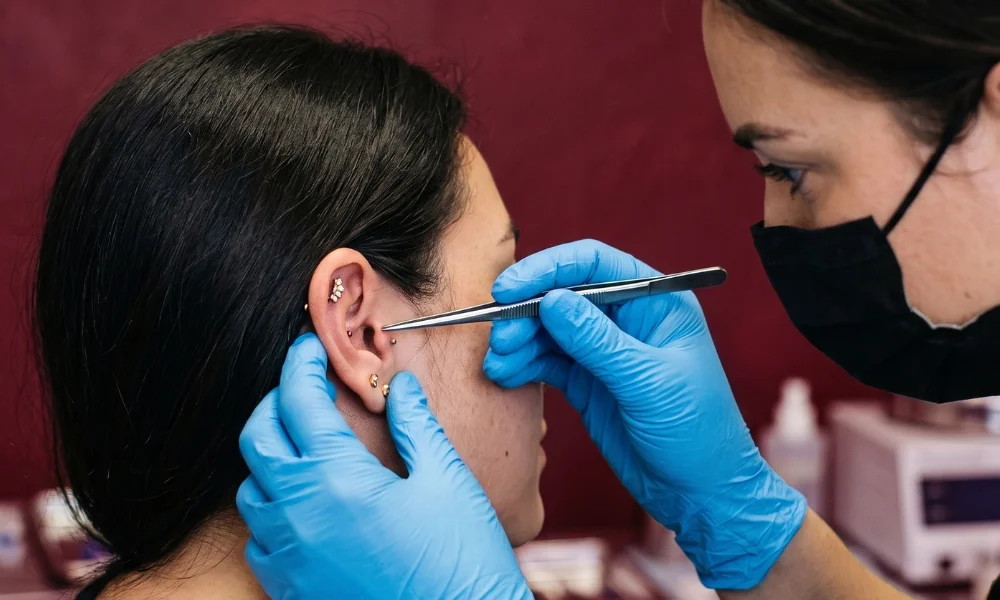
Most medical professionals and expert piercers advise that you leave the jewelry in place if the piercing is infected. Removing the ring can trap the bacteria inside your skin and cause the hole to close up too quickly. This often turns a surface infection into a deep, painful abscess that is much harder to treat.
When jewelry should stay in place
If you have a mild infection, keeping the jewelry in allows the infection to drain out of the hole. This drainage prevents the bacteria from building up deep under your skin. Your doctor will likely want you to keep the ring in while you take antibiotics so that the piercing can continue to heal.
When removal becomes necessary
A doctor might decide to remove the jewelry if the infection is extremely severe or if the metal itself is causing a bad allergic reaction. They might also remove it if the swelling is so intense that the ring is cutting into your ear. Always have a professional handle this, as they have the tools to do it safely.
Risks of removing jewelry too early
If you remove the jewelry yourself while an infection is active, the skin will often heal over the top of the hole. This seals the germs inside your ear tissue. This leads to a painful pocket of pus known as an abscess, which may require surgery to fix. Never remove the jewelry without talking to a doctor first.
When Should You See a Doctor for a Daith Piercing Infection?.
You should see a doctor immediately if you notice warning signs such as a high fever, chills, or redness that spreads across your ear or down your neck. A daith piercing infection that causes intense, throbbing pain, deep swelling, or a hot-to-the-touch sensation requires urgent care, as it could indicate a serious cartilage infection or an abscess. Do not wait to see if these symptoms improve; professional intervention is necessary to prevent permanent scarring or damage to your ear tissue.
Symptoms That Need Immediate Medical Care
This guide helps you determine when to seek professional help versus when to simply monitor your progress.
Conclusion
Early identification of a daith piercing infection is vital for protecting your ear health. Always distinguish between normal irritation and genuine infection to avoid unnecessary stress. Rely on evidence-based aftercare rather than online myths, and seek medical help if symptoms worsen. For reliable piercing guidance, visit DaithPiercing for expert advice.
Frequently Asked Questions
How long does a daith piercing infection last?
A daith piercing infection usually clears up in one to two weeks if you get proper antibiotic treatment from a doctor. If you ignore the signs or rely on unsafe home remedies, the painful cartilage infection can drag on for months and cause permanent damage.
Can an infected daith piercing heal on its own?
No, a true daith piercing infection will not go away on its own because ear cartilage has very poor blood flow. You will need professional medical treatment rather than simple piercing infection home remedies vs antibiotics to safely kill the bacteria.
Should I remove my daith piercing if it’s infected?
You should leave the jewelry in place so the wound can drain properly. Taking the ring out during an active daith piercing infection can trap the bacteria inside your skin and lead to a very painful abscess.
Is yellow discharge always a sign of infection?
Seeing daith piercing infection yellow discharge or green pus almost always means bacteria are present. Normal healing fluid, called lymph, is clear or white and dries into a crust, which is very different from thick, smelly pus.
Can I use antibiotic ointment?
You should never put thick over-the-counter antibiotic ointments on your ear because they block fresh air from reaching the wound. To treat a crusty daith piercing safely, stick to sterile saline or use oral medications prescribed by your doctor.
Can I shower with an infected daith piercing?
Yes, you can shower, and letting clean water gently flow over your ear is a great way to soften crusty buildup. Just make sure to avoid getting harsh hair products on the wound and gently pat the area dry with clean gauze afterward.
Can headphones make an infection worse?
Yes, wearing earbuds or headphones will absolutely make your daith piercing swelling and redness much worse. They press tightly against the inner ear cartilage and introduce dangerous, invisible germs directly into the healing puncture.
How do I know if my piercing is healing normally?
You can tell your ear is healing well when you only see clear fluid or light crust instead of an infected daith piercing vs irritation bump. Normal healing should never cause a bad odor, spreading redness, or constant throbbing pain.