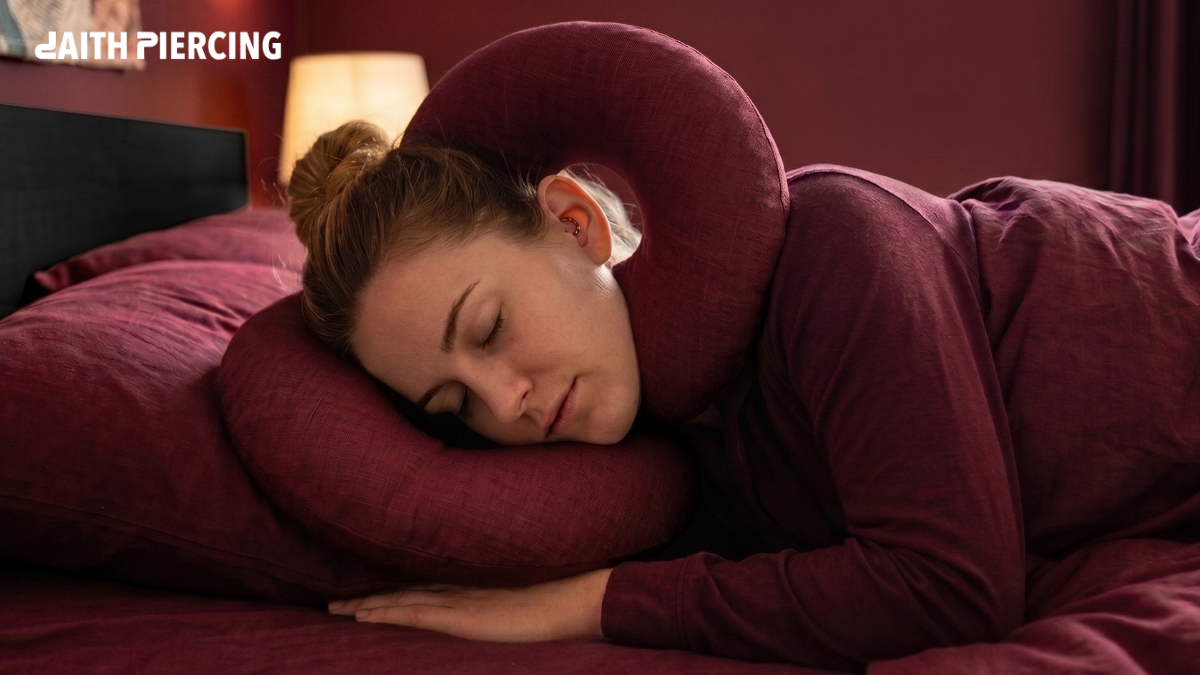
Sleeping with daith piercing setups is safest on your back or on the unpierced side, using a donut-shaped travel pillow with a center hole. Avoid direct pressure for 6–9 months while cartilage heals, and change pillowcases every 2–3 days to prevent infection.
Sleeping with daith piercing jewelry can turn a simple night’s rest into a painful challenge if you roll onto fresh cartilage. At DaithPiercing.io, we have broken down exactly how to protect your ear, which pillows actually work, and how long the discomfort lasts, so healing does not cost you sleep.
Key Takeaways
-
A donut pillow piercing design is the fastest fix for side sleeper pain.
-
Daith piercing sleep pain typically peaks in weeks 1–3, then fades by week 8.
-
Back sleeping or a travel pillow for ear piercing prevents 90% of irritation bumps.
-
Fresh pillowcases every 2–3 days cut infection risk during healing.
Why Sleeping With a Daith Piercing Feels Different at First
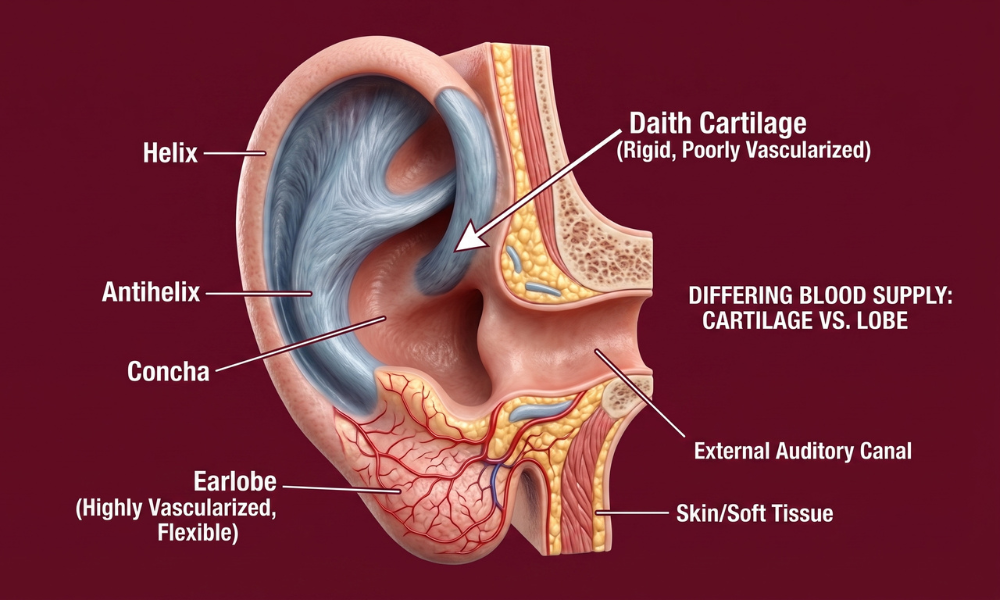
Ear cartilage lacks the direct blood supply present in soft earlobes. Blood vessels course through the surrounding tissue instead, which slows down tissue repair. Daith piercings sit deep inside the innermost fold of cartilage. Pressure compresses this delicate fold, traps heat, and restricts fluid movement.
When you lie down, gravity increases blood pressure inside your head. Fresh nerve pathways in the ear fire signals constantly under direct force. The ring or curved barbell twists inside the wound, scraping against raw tissue. You will feel a deep, pulsing ache rather than a mild sting.
Side sleeping crushes the tissue between your skull and the mattress. This force bends the piercing canal out of alignment. Swelling builds up rapidly overnight because lymphatic fluid cannot drain smoothly.
What Causes Daith Piercing Sleep Pain in the First Few Weeks
-
Tissue compression: Weight forces the jewelry into swollen ear tissue during sleeping with daith piercing setups.
-
Fluid pooling: Lying flat increases localized pressure and traps lymphatic fluid around the ear.
-
Fabric friction: Pillow fibers catch on metal ends, twisting the healing canal.
-
Cartilage stiffness: Firm inner ear cartilage resists impact and swells intensely.
How to Sleep After Daith Piercing: A Night-by-Night Timeline
Cartilage healing demands patience. Knowing what to expect each night helps you adjust your setup before pain interrupts your sleep.
Week 1–2 (Most Painful Phase)
The first 14 days bring sharp, thumping pain, intense redness, and noticeable localized swelling. Your ear will feel hot to the touch. Even light friction from a soft standard pillow causes throbbing. You must avoid lying on the pierced ear completely. Use a central hole pillow or stay strictly on your back while sleeping with daith piercing studs or rings.
Week 3–8 (Transition Phase)
Swelling decreases, but internal tissue remains fragile. Pain becomes a dull ache that surfaces mostly during direct contact. You might feel tempted to resume normal sleep positions, but side sleeping directly on the ear will trigger migration, angle shifting, or fluid bumps. Keep using protective ear cushions every single night when sleeping with daith piercing jewelry.
| Healing Stage | Sleep Difficulty | Recommended Pillow | Position |
| Week 1–2 | High (Throbbing pain, heavy swelling) | Donut Pillow / Piercing Pillow | Back sleeping or off-side sleeping |
| Week 3–8 | Moderate (Dull ache on contact) | Travel Pillow / Foam Piercing Hole Pillow | Modified side sleeping with ear hole |
| Month 3+ | Low (Sensitivities during pressure) | Standard Firm Pillow or Ear Hole Cushion | Back sleeping or protected side sleeping |
Best Sleep Positions for a Daith Piercing
Back sleeping is the safest posture for any new ear piercing. Lying on your back keeps your ears floating freely, with zero mattress contact. Weight spreads evenly across your spine and head, allowing lymphatic fluids to drain smoothly without building ear pressure.
Side Sleeping Piercing Adjustments If You Can’t Sleep on Your Back
Strict side sleepers must modify their setup to avoid cartilage damage. Sleeping with daith piercing rings requires creative positioning if you cannot lay flat on your back.
-
Place a firm body pillow tightly against your back to prevent flipping over during sleep.
-
Tuck a long bolster behind your knees to stabilize your body position overnight.
-
Position your ear squarely over the empty hole of a donut cushion.
-
Rest your cheek and forehead on the padded edges so the piercing rests in mid-air.
| Sleep Position | Pros | Cons | Best For |
| Back Sleeping | Zero ear contact, reduced swelling, fast healing | Hard for habitual side sleepers to stay asleep | First 4 weeks of healing |
| Modified Side Sleeping | Comfortable, lets side sleepers rest easy | Ear can slip off the hole if you toss and turn | Weeks 2 through 8+ |
| Stomach Sleeping | Low back pressure | Forces neck twist, flattens ear against mattress | Avoid completely |
Best Pillow for Daith Piercing: Complete Buying Guide
Finding the best pillow for daith piercing protection makes the difference between deep sleep and constant night waking. Sleeping with daith piercing equipment requires targeted support to keep pressure off your outer ear.
Donut Pillow Piercing Design vs. Standard Memory Foam
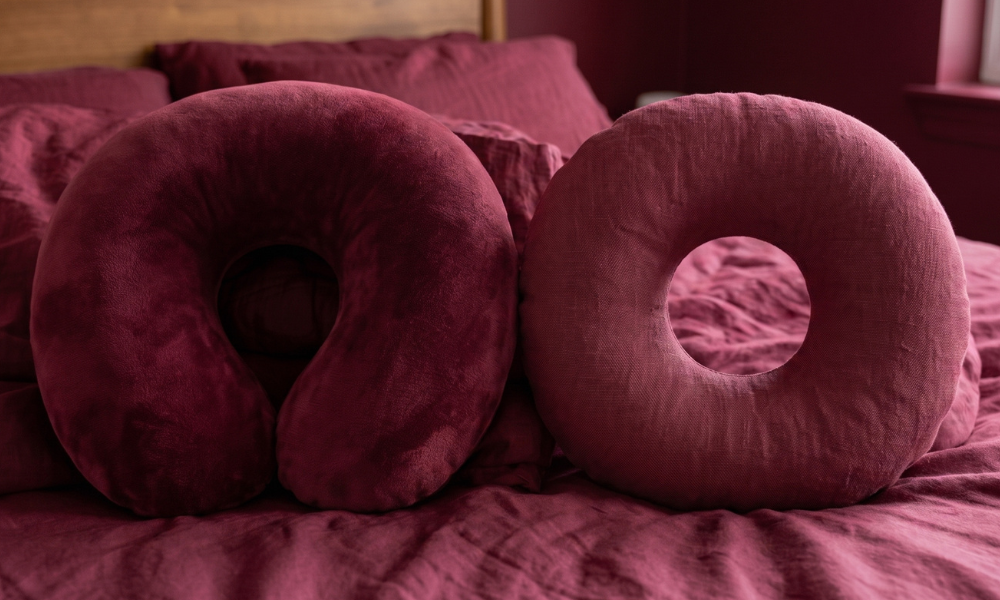
Standard memory foam molds to your head, but it presses flat against your outer ear, pushing the daith ring sideways. A specialized donut pillow piercing cushion features a dedicated opening in the center. The foam supports your jaw, cheek, and skull, while your ear rests in empty space, making sleeping with daith piercing options pain-free.
What to Look for: Hole Size, Fill Type, Washability, Adjustability
Look for an ear hole measuring at least 3 inches across so your ear rim does not touch the edges. Choose shredded memory foam or buckwheat hulls, so you can adjust the height. Pick a cushion with a removable, washable cotton cover to eliminate bacteria. Proper gear takes the struggle out of sleeping with daith piercing jewelry.
| Pillow Type | Material | Adjustable Fill | Best For | Price Range |
| Donut Piercing Pillow | Shredded Memory Foam | Yes | Daily home use, side sleepers | $25 – $40 |
| Ear-Hole Medical Pillow | Firm Polyfill | No | Strict alignment, back support | $30 – $50 |
| Inflatable Ear Cushion | Vinyl / Velvet Cover | Yes (Air pressure) | Budget options, quick travel | $10 – $20 |
Travel Pillow for Ear Piercing: Sleeping Away From Home
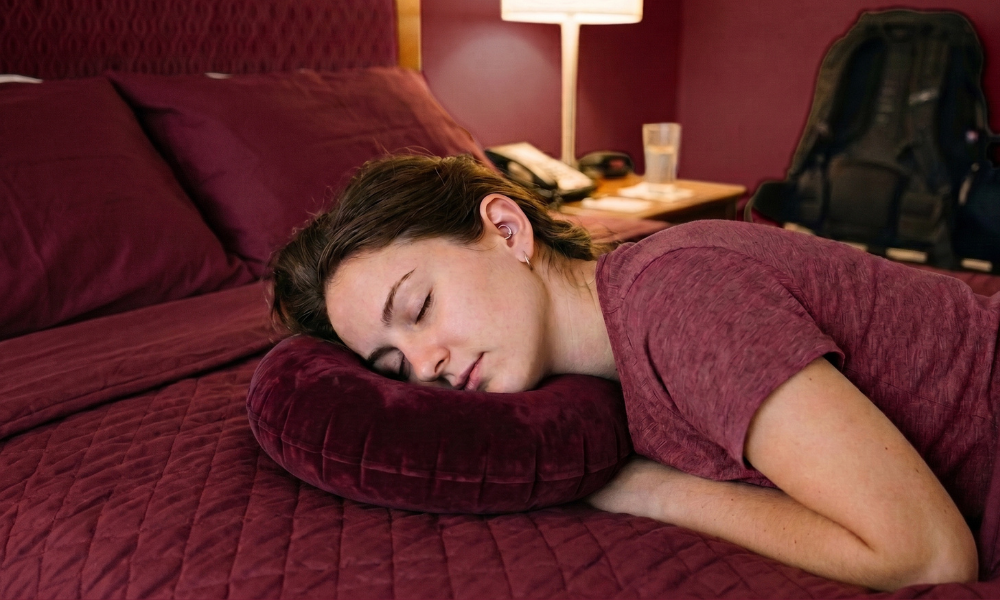
Sleeping on hotel beds or during long flights creates extra hazards for fresh cartilage. Standard hotel pillows are often too soft, wrapping around your head and crushing your ear. Sleeping with daith piercing setups while traveling requires proper preparation.
Carry a dedicated travel pillow for ear piercing in your carry-on luggage. Inflatable donut models pack flat and expand in seconds. U-shaped travel neck pillows also work well in hotel beds. Lay the U-shape flat on your mattress, place your face on the side arm, and let your ear float in the open center curve. This trick keeps sleeping with daith piercing metal simple on the road.
Step-by-Step: Setting Up Your Bed for Daith Piercing Sleep Tonight
Follow this simple checklist every evening before bed to keep your ear safe while sleeping with daith piercing jewelry:
-
Put a fresh, clean cotton pillowcase on your cushion to block bacteria.
-
Mist your piercing with sterile 0.9% saline spray, then pat it dry with clean paper towels.
-
Center your donut pillow on the mattress, aligning the ear hole with your resting posture.
-
Wedge a body pillow against your back so you do not roll over while sleeping with daith piercing hardware.
-
Set a soft morning alarm, then check your ear position immediately when you wake up.
Common Mistakes That Worsen Daith Piercing Sleep Pain
-
Wearing Earbuds to Bed: Hard plastic earbuds push against internal cartilage, trapping bacteria and tearing fresh tissue.
-
Using Dirty Pillowcases: Hair oils, dead skin cells, and dust mites transfer quickly into open wounds, triggering infections during sleeping with daith piercing hardware.
-
Sleeping on Your Stomach: Facing down turns your head sideways, pinning your ear against the mattress surface.
-
Changing Jewelry Too Early: Taking rings out before 6 months tears internal scab tissue, renewing acute sleep pain while sleeping with daith piercing metal.
When Daith Piercing Sleep Pain Signals a Real Problem
Some soreness is normal, but severe pain indicates complications. Normal post-piercing pain feels like a dull ache that weakens daily. Contact a professional piercer or doctor if you notice spreading red streaks, persistent heat, severe throbbing that keeps you awake after two weeks, or thick green discharge with a bad odor during sleeping with daith piercing setups.
Conclusion
Sleeping with a daith piercing gets easier once you match the right pillow, position, and timeline to your healing stage. Follow this guide from DaithPiercing.io, protect your ear for the first two months, and full nights of comfortable sleep will return sooner than you think. Sleeping with daith piercing hardware does not have to ruin your sleep quality when you protect your ear every night.
Frequently Asked Questions
How long does daith piercing sleep pain last?
Acute sleep pain lasts 1 to 3 weeks. Deep cartilage sensitivity persists for 2 to 3 months, requiring protective pillows until tissue fully hardens.
Can I sleep on my side with a new daith piercing?
You can sleep on your side only if you use a donut pillow or ear-hole cushion. Sleeping directly on a flat mattress causes swelling and irritation bumps while sleeping with daith piercing rings.
What is the best pillow for daith piercing donut or memory foam?
A donut pillow is best because the center hole eliminates pressure. Standard memory foam presses directly against the cartilage, causing severe overnight pain during sleeping with daith piercing jewelry.
Is a travel pillow good for ear piercing at night?
Yes, a U-shaped travel pillow works well. Rest your head on the padded arm so your ear floats freely in the center gap while sleeping with daith piercing studs.
Can sleeping wrong ruin a daith piercing?
Yes, sleeping wrong flattens cartilage, causes crooked healing angles, forms permanent irritation bumps, and forces jewelry migration when sleeping with daith piercing items.
How do I know if my daith piercing infection is from sleeping on it?
Bed-related infections show sudden swelling, throbbing pain, yellow-green pus, and dark redness after friction or rolling onto dirty pillowcases while sleeping with daith piercing setups.