Dry lips are one of those small problems that can become annoying fast. Your lips feel tight, rough, flaky, or even split when you smile. And when you keep applying balm but still feel dry an hour later, it is fair to wonder what you are doing wrong.
The best lip balm for dry lips is usually one that reduces moisture loss and protects the lip barrier, rather than one that only feels cool or glossy. Dermatologists commonly recommend simple, non-irritating formulas containing ingredients such as petrolatum, mineral oil, dimethicone, ceramides, shea butter, or castor oil. For badly cracked lips, a thick ointment can work better than a light waxy stick.
Key Takeaways
- The best lip balm for dry lips should protect against moisture loss and avoid unnecessary irritation.
- Petrolatum is especially useful for cracked lips because it forms a protective barrier.
- Ceramides, dimethicone, shea butter, mineral oil, and castor oil can also support comfortable lip care.
- Fragrance, menthol, camphor, eucalyptus, and strong flavors may irritate already-chapped lips.
- Use SPF lip balm outdoors, including during winter.
- Apply balm regularly and before bed instead of waiting until lips become painful.
- Persistent cracking, bleeding, swelling, or pain deserves professional attention.
What Is the Best Lip Balm for Dry Lips?
There is no single formula that is perfect for everyone. For everyday dryness, a fragrance-free moisturizing lip balm with barrier-supporting ingredients is a sensible place to start. If your lips are peeling or cracked, a thicker petrolatum-based ointment may give you longer-lasting protection.
The American Academy of Dermatology also makes one thing clear: burning, stinging, or tingling is not proof that a balm is working. If a product makes already-dry lips uncomfortable, it may be irritating them instead. The AAD recommends avoiding common irritants such as fragrance, menthol, camphor, eucalyptus, and certain flavoring agents when lips are chapped.
That changes how you should shop. Instead of asking which balm is most popular, ask what your lips actually need.
Which Ingredients Should You Look For?
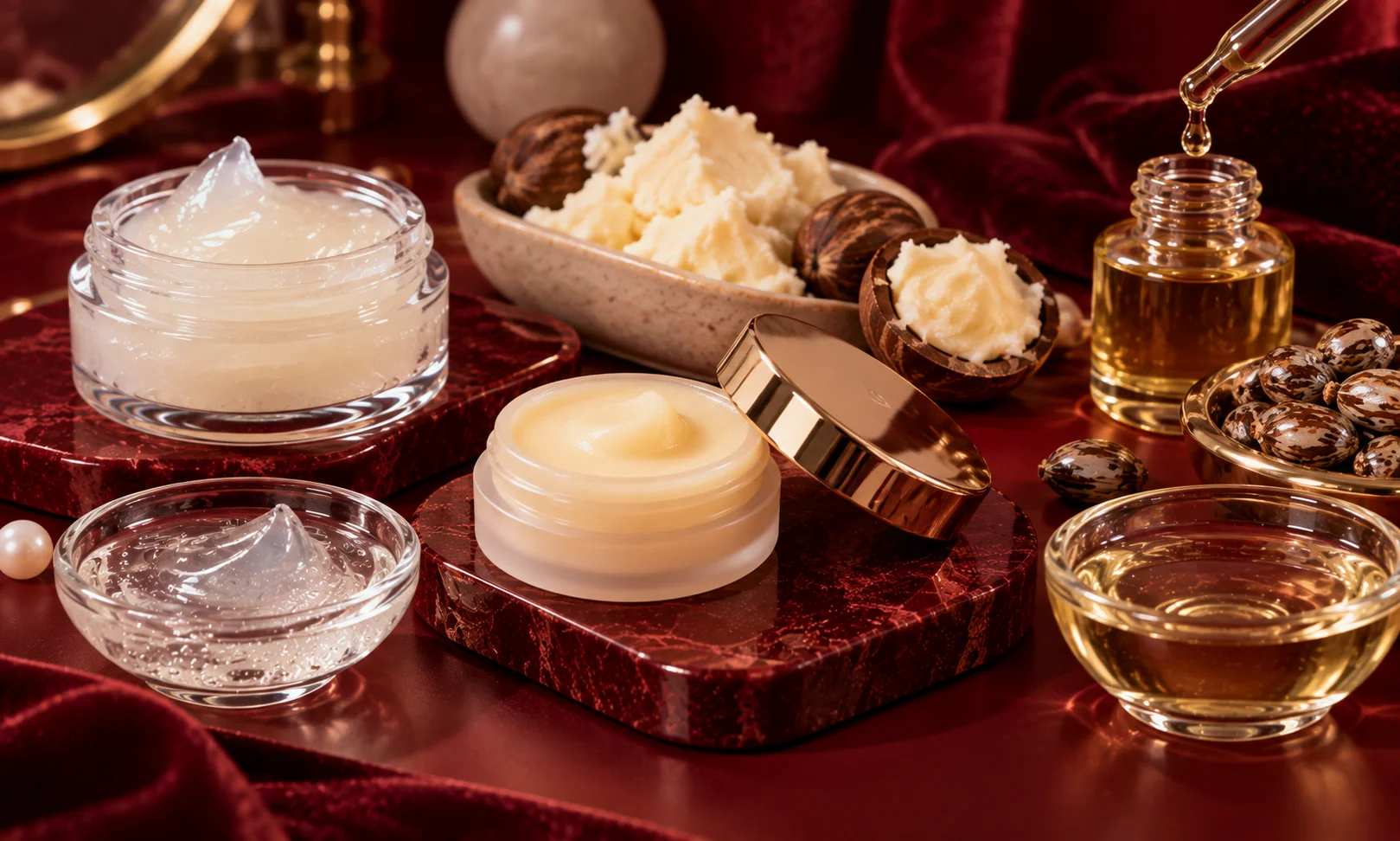
A good lip product often works through a combination of hydration, softening, and protection. You do not need to memorize ingredient lists.
Petrolatum for Cracked Lips
Petrolatum, also called petroleum jelly, is an occlusive. In plain English, it forms a protective layer that slows water from escaping. That is why it is especially useful when lips are cracked, rough, or exposed to cold, dry air.
A thick petrolatum ointment can also be a practical overnight lip balm because it stays on the lips longer than many lightweight formulas. The AAD specifically recommends white petroleum jelly for very dry, cracked lips because ointments can seal in water longer than waxes or oils.
Ceramides and Dimethicone for Barrier Support
Ceramides are lipids that help support the skin barrier, while dimethicone forms a protective layer and helps reduce water loss. These ingredients can be useful when your lips feel dry and sensitive rather than simply needing a quick layer of shine.
Shea Butter, Castor Oil, and Mineral Oil
Shea butter and castor oil can soften dry lips and improve how a balm feels. Mineral oil is another established moisturizing ingredient that helps reduce water loss. These are often useful in a hydrating lip balm designed for regular daytime use.
What About Hyaluronic Acid?
Hyaluronic acid is a humectant, meaning it helps attract and hold water. It can be useful in lip products, but for severely cracked lips, hydration alone is not the whole story. You also want an occlusive layer that helps keep that moisture from escaping.
What Should You Avoid When Your Lips Are Chapped?
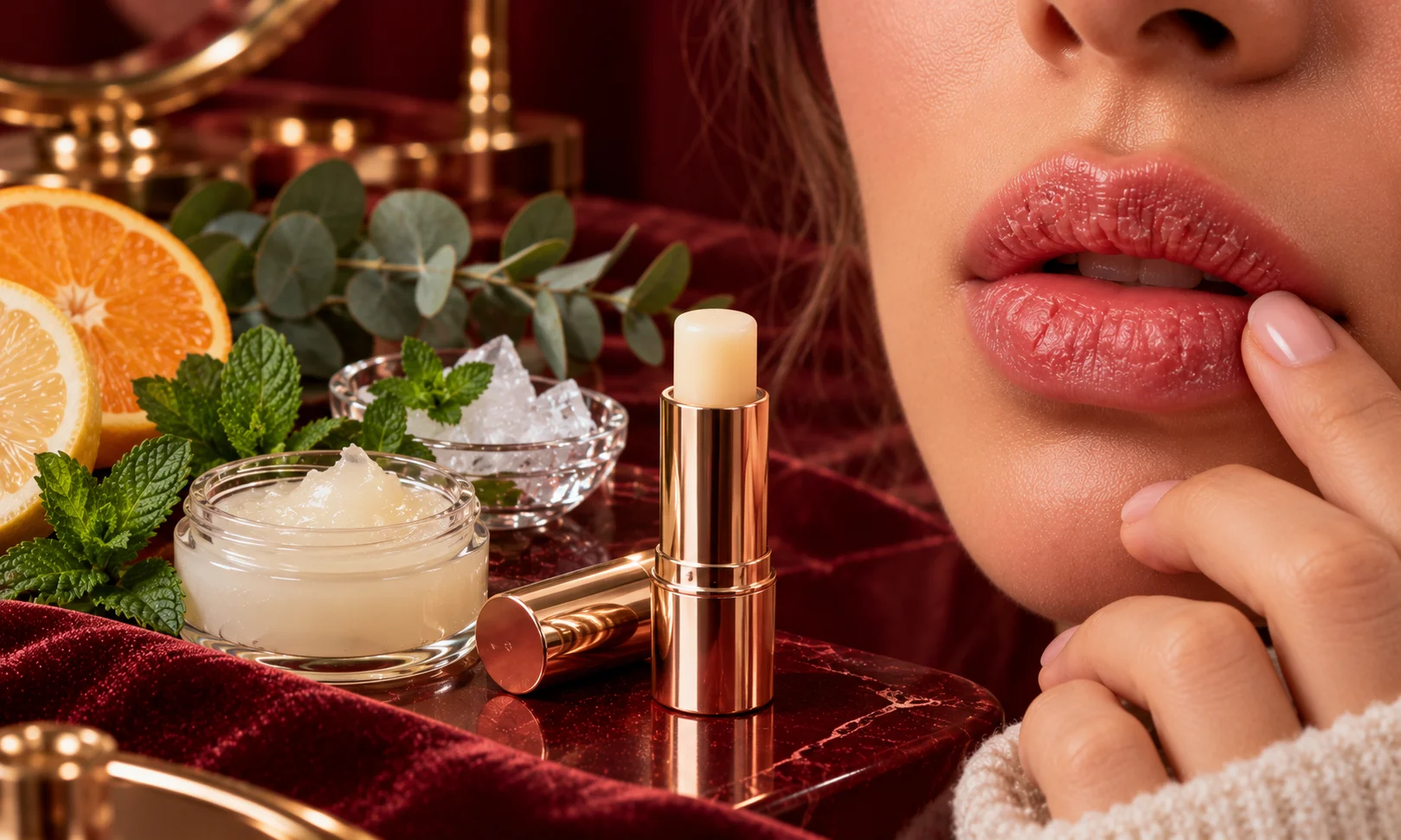
When lips are already irritated, keeping the formula simple usually makes sense. Fragrance and strong flavors may make a balm more enjoyable to use, but they can bother sensitive, cracked lips.
The AAD specifically advises avoiding ingredients such as menthol, camphor, eucalyptus, fragrance, cinnamon, citrus, mint, peppermint flavoring, phenol, salicylic acid, and some chemical sunscreen ingredients while chapped lips are healing.
Lanolin deserves a little nuance. It can be moisturizing and appears in many lip products, but the AAD lists it among ingredients that may irritate some chapped lips. So if a lanolin-containing product works comfortably for you, that is different from assuming it will suit everyone.
If your balm burns or stings, stop using it and try a gentler formula.
Which Lip Balm Works Best for Different Needs?
| Your situation | What to look for |
|---|---|
| Mild everyday dryness | Fragrance-free moisturizing lip balm |
| Very dry or cracked lips | Thick petrolatum-based ointment |
| Sensitive lips | Simple, fragrance-free and hypoallergenic formula |
| Dry lips outdoors | SPF lip balm, ideally SPF 30 or higher |
| Overnight repair | Thick ointment or overnight lip balm |
| Winter dryness | Occlusive balm with petrolatum or similar barrier ingredients |
For example, Aquaphor Healing Ointment and Vaseline-type petroleum jelly products are widely used for moisture sealing, while products containing ceramides can offer a different approach to barrier support. Recent 2026 product testing from NBC Select also highlighted petrolatum-based options among products evaluated for dry and chapped lips.
The point is not that one brand magically fixes every pair of lips. Formula, comfort, irritation risk, and how often you reapply all matter.
How Should You Use Lip Balm for Better Results?
A good balm cannot do much if you only use it once your lips are painfully cracked. Apply a non-irritating product several times during the day and before bed when your lips are dry.
After eating or drinking, reapply if the product has worn away. If you spend time outside, use SPF lip balm and follow its reapplication directions. The AAD recommends SPF 30 or higher for dry, chapped lips.
Try not to lick, bite, or peel your lips. Licking can feel helpful for a few seconds, but saliva evaporates quickly and can leave the lips drier and more irritated.
If your room is very dry, a humidifier may also help. Drinking enough fluids supports normal hydration too.
What Is the Best Lip Balm for Winter?
Winter is hard on lips because cold air and lower humidity can increase moisture loss. Wind makes the problem worse, and indoor heating can leave the air dry too.
For winter, look for a balm that creates a durable barrier rather than one that disappears quickly. Petrolatum, mineral oil, dimethicone, and similar occlusive ingredients can help protect the lips from moisture loss.
A simple routine works well: apply balm before going outside, reapply when needed, and use a thicker ointment at night. If your lips are exposed to strong sunlight, winter does not mean you can skip SPF.
When Should You See a Doctor?
Most ordinary dry lips improve with basic care. But persistent cracking is not always just a moisturizer problem.
See a healthcare professional if your lips keep cracking despite consistent care, if bleeding is frequent, or if there is significant swelling or pain. Conditions such as cheilitis can have different causes.
How Do You Pick the Right Balm Without Overthinking It?
Start with the condition of your lips, not the packaging.
If they are mildly dry, choose a comfortable fragrance-free moisturizing lip balm. If they are cracked or peeling, move toward a thicker ointment. If you are outdoors often, add SPF protection. If your lips are sensitive, keep the ingredient list simple.
For readers of daithpiercing, the same simple beauty rule applies: a pretty package does not automatically mean a better formula. Read the ingredients first for everyday lip care.
Sources Note
This article uses current guidance from the American Academy of Dermatology, Cleveland Clinic, and the U.S. Food and Drug Administration, plus 2026 product research. Product examples are for context, not endorsements. Check current labels because formulas can change.
FAQs
What is the best lip balm for very dry lips?
A thick, fragrance-free ointment containing petrolatum is a strong option for very dry or cracked lips. It creates a barrier that helps reduce moisture loss and can stay on longer than a lightweight stick.
Is petroleum jelly good for chapped lips?
Yes. Petroleum jelly is an occlusive, so it helps seal moisture into the skin. The AAD recommends white petroleum jelly for very dry, cracked lips.
How often should I apply lip balm?
Apply it whenever your lips feel dry and reapply after eating or drinking when needed. Before bed is also useful, especially if your lips are severely dry.
Should I use SPF lip balm every day?
Use SPF lip balm when your lips will be exposed to the sun. Dermatologists recommend SPF 30 or higher for protecting dry, chapped lips outdoors.
Why do my lips stay dry after using lip balm?
The formula may contain an irritant, or you may be licking or peeling your lips. Dry air, sun, wind, and some underlying skin conditions can also contribute. Try a simple fragrance-free formula and seek medical advice if the problem persists.
Is an overnight lip balm better than regular lip balm?
Not necessarily. A dedicated overnight product can be convenient, but a plain, thick, fragrance-free ointment can provide the same basic moisture-sealing function while you sleep.
Disclaimer
This article is for general educational and informational purposes and is not a substitute for medical advice. If dry, cracked, painful, or bleeding lips persist or worsen, speak with a qualified healthcare professional.