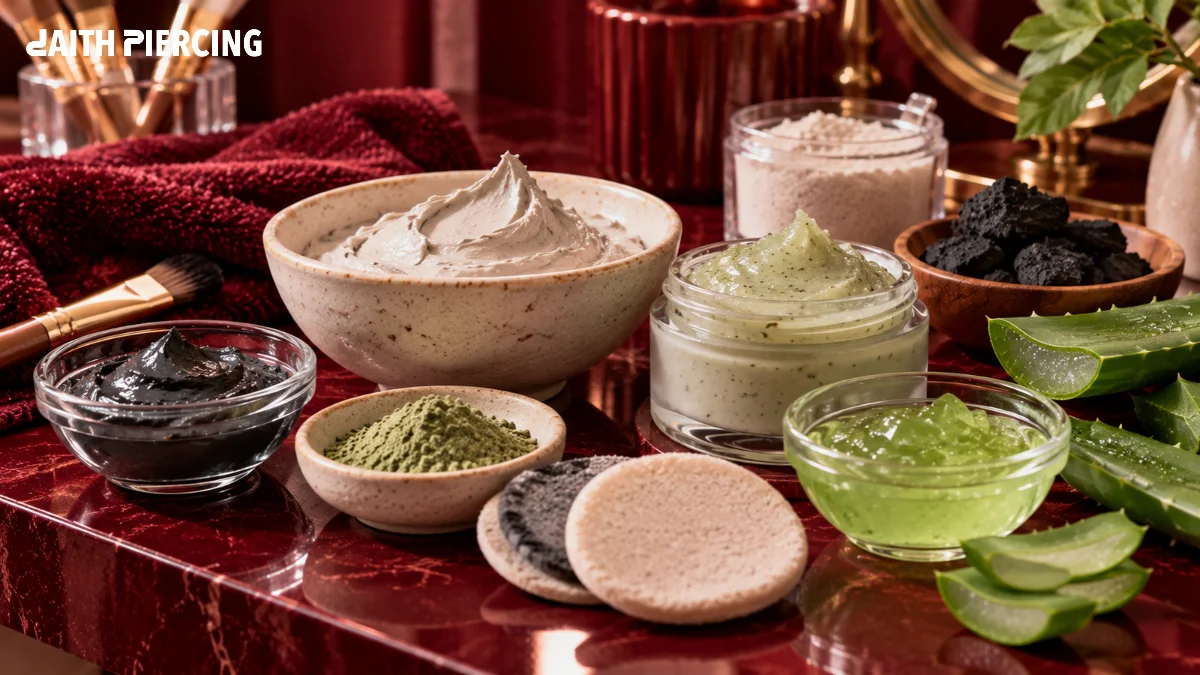
If your skin keeps looking oily, bumpy, or full of blackheads, a face mask can feel like an easy reset. But the best face masks for acne are not simply the ones that leave your skin feeling tight and super clean. For acne-prone skin, the better choice is a mask that helps manage oil, loosen clogged pores, or calm irritation without damaging the skin barrier.
For many people, clay, salicylic acid, niacinamide, and gentle hydrating ingredients make the most sense. The right formula depends on what your skin is actually dealing with. A pore cleansing mask can be useful for excess oil and congestion, while a soothing mask may be a better choice when acne treatments have already left your skin dry.
This guide from daithpiercing breaks down what to look for, how these masks work, and how to use them without turning a simple skincare step into another source of irritation.
Key Takeaways
- The best face masks for acne depend on your skin concern, not just the word “acne” on the label.
- Clay can help absorb excess oil, while salicylic acid can help unclog pores.
- Overusing masks can cause dryness and irritation, which may make acne harder to manage.
- Choose oil-free or non-comedogenic products when possible.
- Deep, painful, or persistent acne may need professional care.
What Are the Best Face Masks for Acne?
The best face masks for acne usually contain ingredients that help control excess oil, unclog pores, or calm the skin. Clay masks made with kaolin or bentonite can absorb oil, while salicylic acid can exfoliate inside clogged pores. Niacinamide may help with oily skin, and lightweight ingredients such as aloe or hyaluronic acid can add hydration without making the skin feel greasy.
The American Academy of Dermatology lists clay, salicylic acid, niacinamide, AHAs, and lightweight moisturizing ingredients among useful options for oily or acne-prone skin.
How Do Face Masks Help Acne-Prone Skin?
Think of a mask as a supporting player rather than the whole team. Acne can involve excess oil, clogged pores, bacteria, and inflammation, so one product cannot always address every part of the problem.
A clay mask for acne can temporarily absorb excess oil from the skin’s surface. This can make the face feel less greasy and may make pores look cleaner. Kaolin and bentonite are common clay ingredients used for this purpose.
A salicylic acid mask works differently. Salicylic acid is a beta hydroxy acid, or BHA. It helps exfoliate the skin and unclog pores, which is especially useful when blackheads and whiteheads are the main concern. Dermatology guidance recognizes salicylic acid as an acne ingredient that can open clogged pores.
Hydrating ingredients matter too. If an acne mask leaves your skin extremely dry, your routine may become harder to tolerate. Aloe, glycerin, or hyaluronic acid can help add moisture while keeping the formula relatively light.
Which Ingredients Should You Look For?
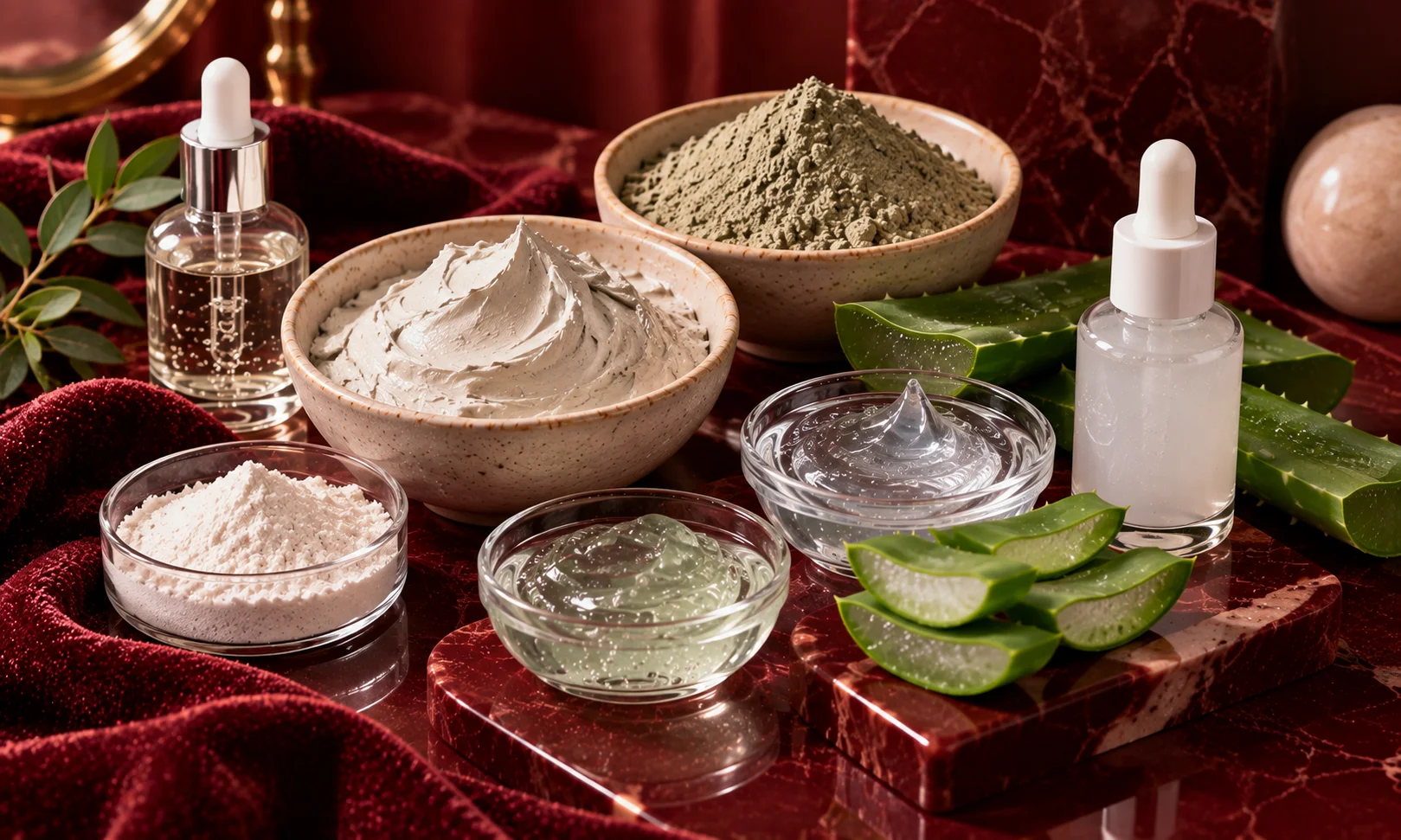
Not every acne mask needs every active ingredient. In fact, piling several strong ingredients into one routine can make irritation more likely.
Clay for Excess Oil
Kaolin and bentonite are popular choices for oily skin. They absorb oil and can leave the skin feeling fresher after rinsing. A clay mask can be useful when your main issue is shine, greasy skin, or surface congestion.
Salicylic Acid for Clogged Pores
If blackheads, whiteheads, or rough congestion are your main concern, salicylic acid is worth looking for. Because it can help unclog pores, it fits well in a face mask for clogged pores.
It is still an exfoliating active, though. If you already use a salicylic acid cleanser, retinoid, or other exfoliating product, using several strong steps together may irritate your skin.
Niacinamide for Oily Skin
Niacinamide is a form of vitamin B3 commonly used in skincare. It can be a useful choice when you want something that feels less aggressive than a strong exfoliating mask.
Soothing and Hydrating Ingredients
Acne-prone skin still needs moisture. Look for simple ingredients such as aloe, glycerin, hyaluronic acid, or colloidal oatmeal when your skin feels dry or irritated. A mask does not have to leave your face tight to be effective.
What Type of Mask Fits Your Skin?
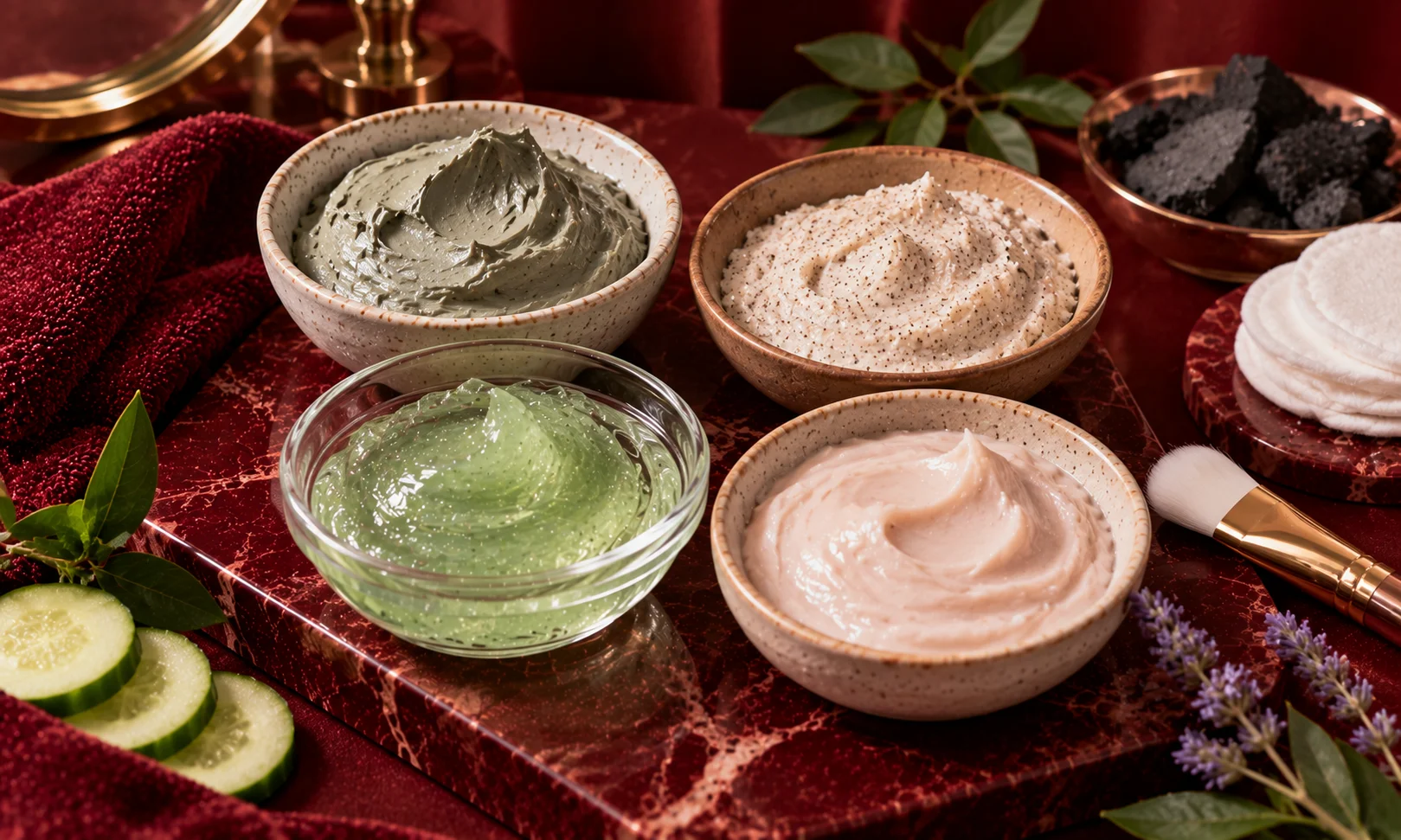
Choosing by skin concern is usually easier than choosing by marketing claims.
| Skin concern | Mask type to consider | What it may help with |
|---|---|---|
| Oily skin | Clay mask | Excess surface oil and shine |
| Blackheads | Salicylic acid mask | Clogged pores |
| Whiteheads | Salicylic acid mask | Pore congestion |
| Oily and sensitive skin | Gentle clay or niacinamide mask | Oil without excessive drying |
| Dry, irritated acne-prone skin | Hydrating, soothing mask | Comfort and moisture |
| Mixed skin | Targeted mask | Different needs in different areas |
How Often Should You Use an Acne Mask?
Start with the product’s directions and pay attention to how your skin responds.
If you are using a clay or exfoliating mask, using it too frequently can leave your skin dry and irritated. The AAD recommends avoiding harsh scrubbing and choosing gentle skincare for acne-prone skin because irritation can make breakouts look worse.
How Should You Use a Face Mask for Acne?
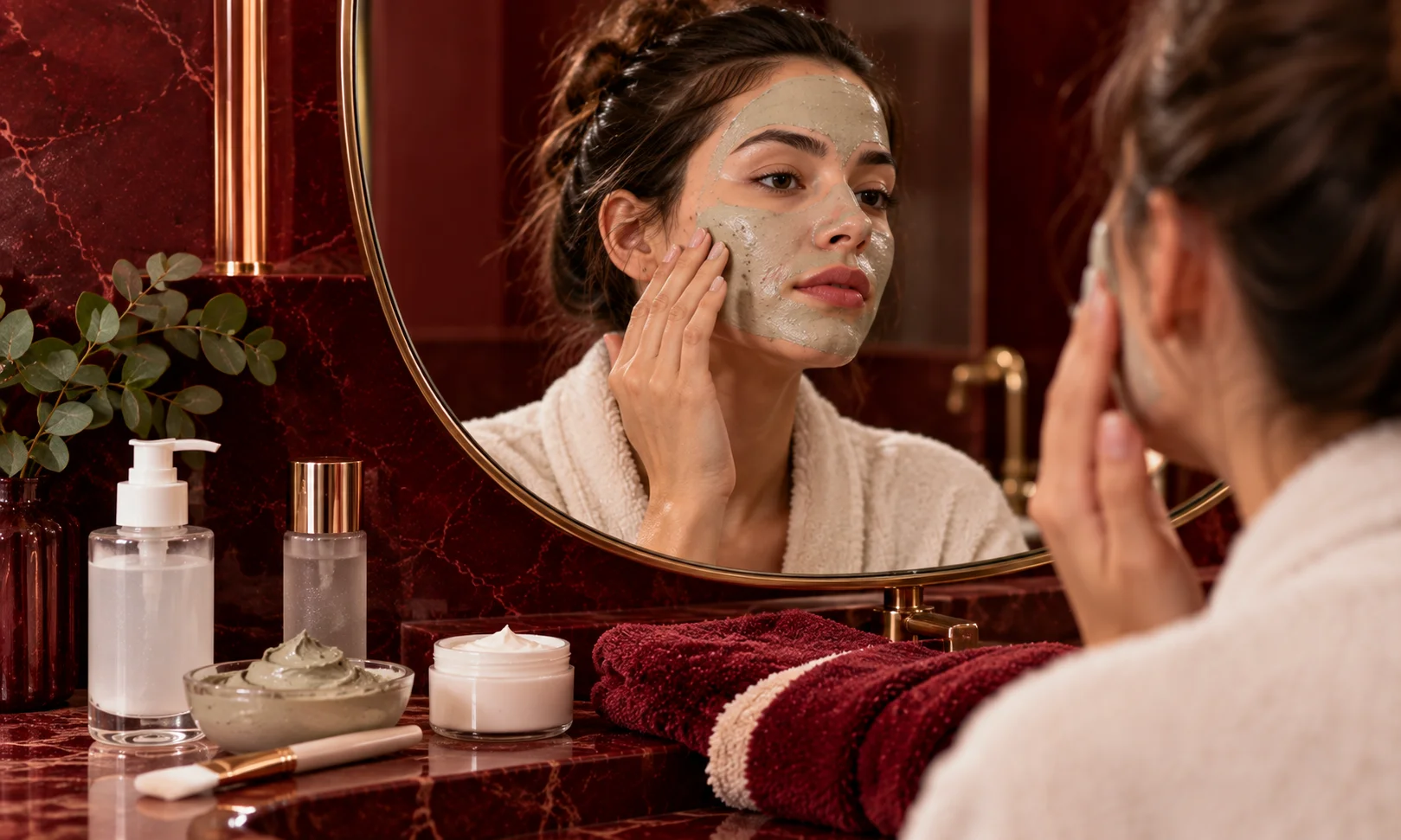
Start with clean skin and apply the mask as directed on the packaging. Avoid rubbing it aggressively into active breakouts. If the product contains an exfoliating ingredient, follow its recommended contact time rather than leaving it on longer because you think it will work better.
Rinse gently with lukewarm water and pat your face dry. Follow with a light, non-comedogenic moisturizer.
Non-comedogenic means the product is designed not to clog pores. The AAD recommends looking for oil-free or non-comedogenic skincare when you are prone to acne.
What Should You Avoid?
The biggest mistake is assuming acne needs to be attacked as hard as possible. Scrubbing, over-washing, and constantly drying the skin can backfire.
Avoid harsh physical scrubs, especially if your acne is inflamed. Be cautious with heavily fragranced formulas if your skin is sensitive. Do not stack several exfoliating masks and acne treatments on the same day unless your dermatologist has told you to do so.
Can a Face Mask Treat Acne on Its Own?
Usually, no. A mask can support a skincare routine, but it should not replace an evidence-based acne treatment when you need one.
If you have deep, painful cysts or nodules, significant scarring, or acne that is not improving with suitable over-the-counter care, a dermatologist can help you choose treatment based on the type and severity of your acne.
Best Face Mask Routine for Clogged Pores
If clogged pores are your main issue, keep the rest of your routine simple. Cleanse gently, use your chosen pore-focused mask according to its instructions, moisturize, and wear sunscreen during the day.
A salicylic acid product may be more useful for persistent blackheads than repeatedly using a drying clay mask. You can also use a clay mask when oil is the bigger problem and keep exfoliation on a separate schedule.
A good mask should fit into the routine you already have, not force you to rebuild everything around it. If your cleanser, moisturizer, sunscreen, and acne treatment are already working, the mask should simply fill a small gap.
For oily skin, the biggest temptation is to keep removing oil. A balanced routine is usually easier to stick with and gives acne treatments a better chance of being tolerated. That small change can make the whole routine feel much easier to follow.
Patch testing is also a sensible step when you are trying a new product. Apply a small amount as directed in an inconspicuous area and watch for irritation before putting it across your whole face.
One more practical point: do not judge a mask by the first five minutes after rinsing. A smooth, tight feeling can be temporary. What matters more is how your skin looks and feels later that day and over repeated, sensible use.
Source Note
This article is based on current guidance from the American Academy of Dermatology, NHS, and U.S. Food and Drug Administration information on acne, skincare ingredients, and exfoliating acids. Product formulas vary, so ingredient lists and usage directions should always be checked before use.
Frequently Asked Questions
What is the best face mask for clogged pores?
A mask containing salicylic acid can be a practical option because salicylic acid helps exfoliate and unclog pores. Clay can also help when excess oil is contributing to congestion.
Do face masks remove blackheads permanently?
No. A mask may temporarily improve oiliness and congestion, but blackheads can return because pores naturally produce oil and collect dead skin cells. Consistent acne care is more useful for long-term control.
When should I see a dermatologist for acne?
Consider professional advice if you have deep or painful breakouts, scarring, widespread acne, or acne that is not improving with appropriate over-the-counter care. A dermatologist can identify the type of acne and recommend treatment.
Disclaimer
This article is for general educational and skincare information only. Acne can vary widely from person to person, and severe or persistent breakouts may need professional evaluation. Stop using a product if it causes significant irritation and seek advice from a qualified healthcare professional when needed.