Choosing the Best Sunscreen for Face sounds simple until you see shelves full of SPF numbers, gels, creams, sticks, mineral formulas, and products promising a perfect matte finish. For most everyday use, look for broad-spectrum protection with SPF 30 or higher, and choose a texture you’ll actually enjoy wearing. If you’ll be outside for longer periods, water resistance becomes especially useful. The American Academy of Dermatology recommends broad-spectrum, water-resistant SPF 30 or higher.
Key Takeaways
- Choose broad-spectrum sunscreen with SPF 30 or higher for everyday protection.
- Use SPF 50 or higher and water-resistant protection for longer outdoor activities.
- Sensitive skin may do better with fragrance-free mineral formulas containing zinc oxide or titanium dioxide.
- Oily skin can look for lightweight textures and “non-comedogenic” labeling.
- Apply enough sunscreen and reapply after swimming, sweating, or extended outdoor exposure.
- Sunscreen works best with shade and protective clothing.
For readers of daithpiercing, the simplest way to think about sunscreen is this: don’t chase the fanciest bottle. Find a broad-spectrum SPF 30 or higher that feels good on your skin and fits your normal day. When sunscreen becomes an easy habit instead of another chore, you’re much more likely to keep using it.
What is the Best Sunscreen for Face for Daily Use?
The best sunscreen for face is one that gives reliable UVA and UVB skin protection, suits your skin, and feels comfortable enough to use consistently. A sunscreen labeled broad-spectrum protects against both UVA and UVB rays. SPF mainly tells you about protection from UVB, the rays strongly linked with sunburn, while UVA also contributes to premature skin aging and skin damage.
For a normal day of commuting, walking, working, or running errands, SPF 30 or higher is a practical starting point. If you’re spending hours outdoors, swimming, exercising, or working in direct sun, an SPF 50 or higher, water-resistant formula can make more sense. The Skin Cancer Foundation gives similar guidance for daily and extended outdoor exposure.
That’s the part many people miss: the “best” formula on paper isn’t useful if you apply too little, skip it often, or stop using it because it feels greasy.
Why Does Daily Face Sunscreen Matter?
Sun exposure adds up. Short walks, driving, outdoor lunches, and other everyday exposure all contribute to your total UV exposure. Regular sunscreen use can help reduce sunburn, premature skin aging, and the risk of skin cancer.
Sunscreen also matters if your goal is keeping your skin looking even. UV exposure can contribute to dark spots and other visible changes over time. AAD notes that tinted sunscreen containing iron oxide can offer additional protection against visible light, which may be useful for people concerned about hyperpigmentation.
Sunscreen isn’t a magic shield, though. Shade, protective clothing, a hat, and UV-protective sunglasses still matter, especially when the sun is strong.
What Should You Look for in an SPF for Face?
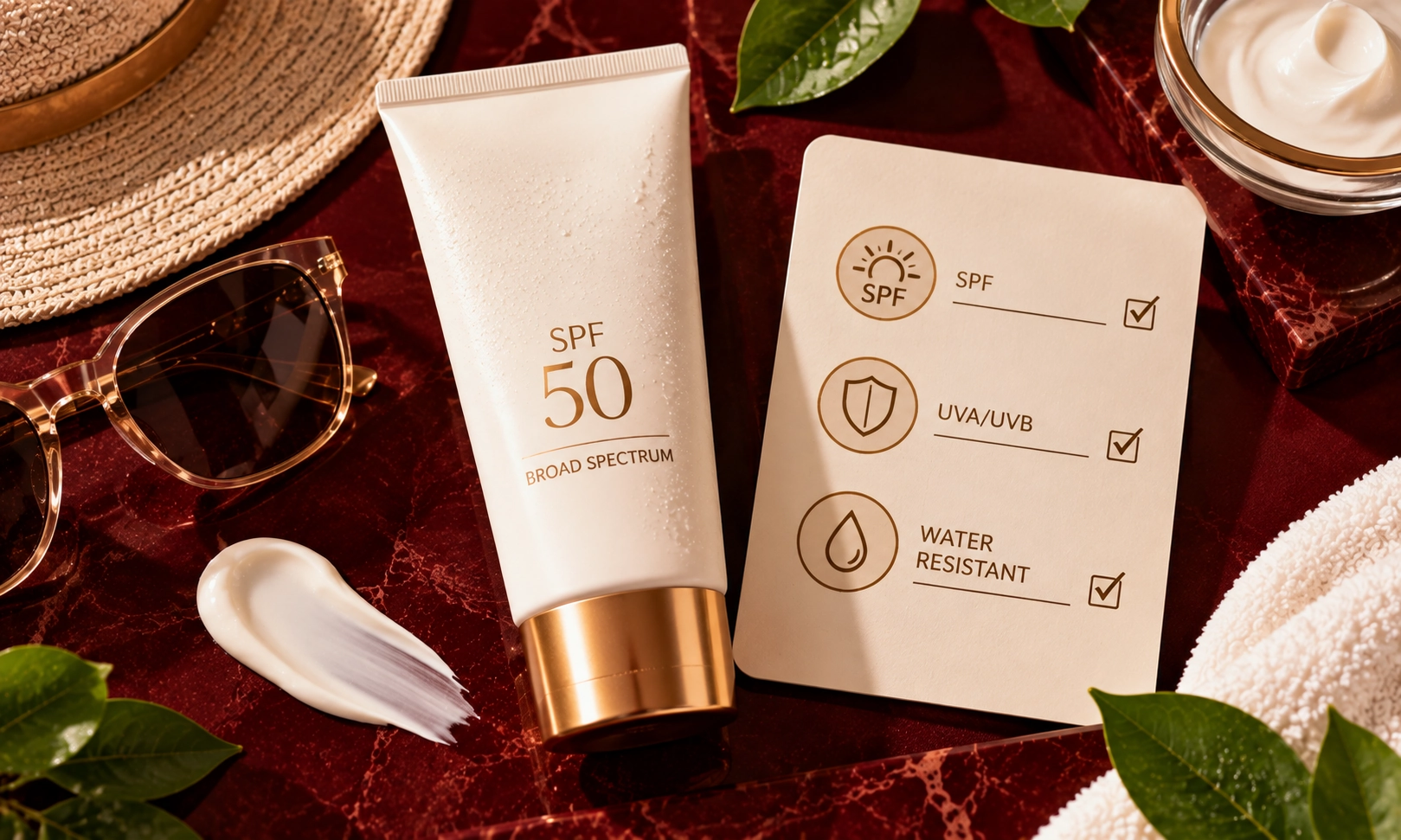 Before getting distracted by extra skincare ingredients, check the basics on the label.
| What to check | Why it matters |
|---|---|
| SPF 30 or higher | Strong everyday UVB protection |
| Broad spectrum | Covers both UVA and UVB radiation |
| Water resistant | Useful for sweating, swimming, or outdoor activity |
| Skin-friendly texture | Makes daily use easier |
| Suitable for your skin type | Helps avoid dryness, shine, or irritation |
A higher SPF doesn’t mean you can stay outside all day without reapplying. No sunscreen blocks 100% of UVB radiation, and protection decreases when sunscreen wears away through time, sweating, swimming, or rubbing.
Which Sunscreen Is Better for Sensitive Skin?
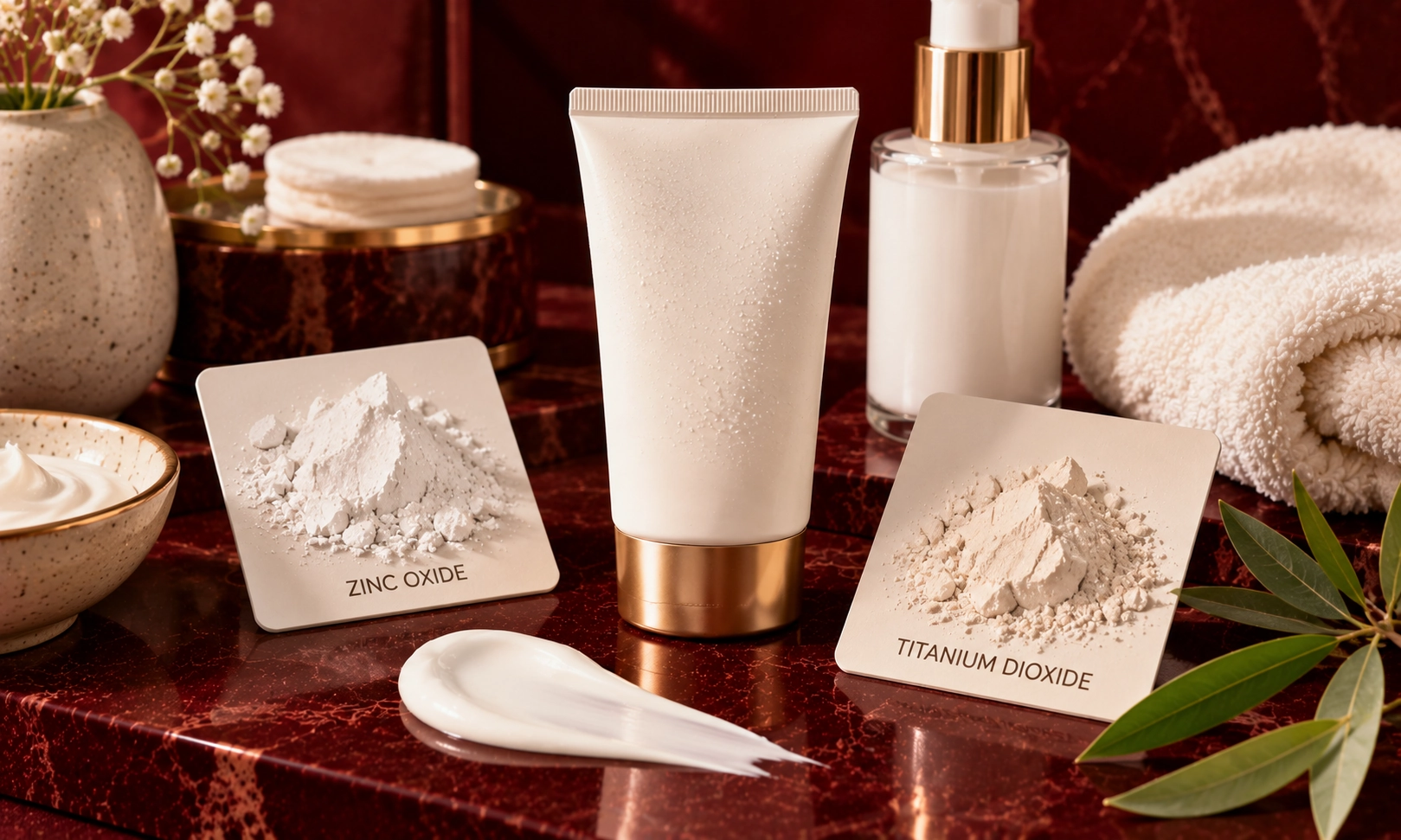
If your skin easily stings, burns, or becomes red after skincare products, keep the formula simple. The AAD suggests that people with sensitive skin consider sunscreens labeled for sensitive skin and avoid fragrance and certain ingredients that may irritate them.
Mineral sunscreen can be a useful option here. Mineral formulas use zinc oxide, titanium dioxide, or both as active ingredients. AAD specifically recommends mineral sunscreen for people with sensitive skin or those whose skin stings when sunscreen is applied.
That doesn’t mean every mineral sunscreen will feel perfect. Some leave a visible white cast, especially on deeper skin tones. A tinted formula can help with that. The best choice is the one that gives the protection you need without making your skin uncomfortable.
What About Oily or Acne-Prone Skin?
If your face gets shiny quickly, a heavy sunscreen can make your morning routine feel unpleasant. Look for lighter gels, fluids, lotions, or other non-greasy facial sunscreen textures.
For acne-prone or oily skin, the AAD recommends looking for “non-comedogenic” or “won’t clog pores” on the label. These terms can help narrow your choices, although individual skin can still react differently to the same formula.
A simple routine often works better than piling on several products. Cleanse, moisturize if needed, then apply sunscreen as the final step of your morning skincare routine.
How Much Sunscreen Should You Put on Your Face?
Application matters as much as the label. Even a well-formulated sunscreen cannot give its labeled protection if you barely use any.
For the face and neck, a commonly used practical approach is about two finger lengths of sunscreen, although exact amounts can vary with product texture and how much skin you cover. The important thing is to apply a generous, even layer over exposed skin rather than spreading a very thin film.
Put sunscreen on before going outdoors. The AAD advises applying it about 15 minutes before sun exposure so it has time to form an effective protective layer.
Don’t forget easy-to-miss areas such as the ears, hairline, neck, and edges of the face.
When Should You Reapply Sunscreen?
For normal daily life, reapplication depends on your exposure. If you’re outdoors, dermatologists recommend reapplying about every two hours. You should also reapply after swimming or sweating, following the water-resistance instructions on the product.
Water-resistant doesn’t mean waterproof. FDA guidance says water-resistance claims generally indicate protection for either 40 or 80 minutes while swimming or sweating. After that, more sunscreen is needed.
If you spend most of your day indoors and only have brief outdoor exposure, your routine may look different from someone working outside all afternoon. Think about your actual exposure instead of treating every day exactly the same.
Mineral vs. Chemical Sunscreen: Which One Should You Choose?
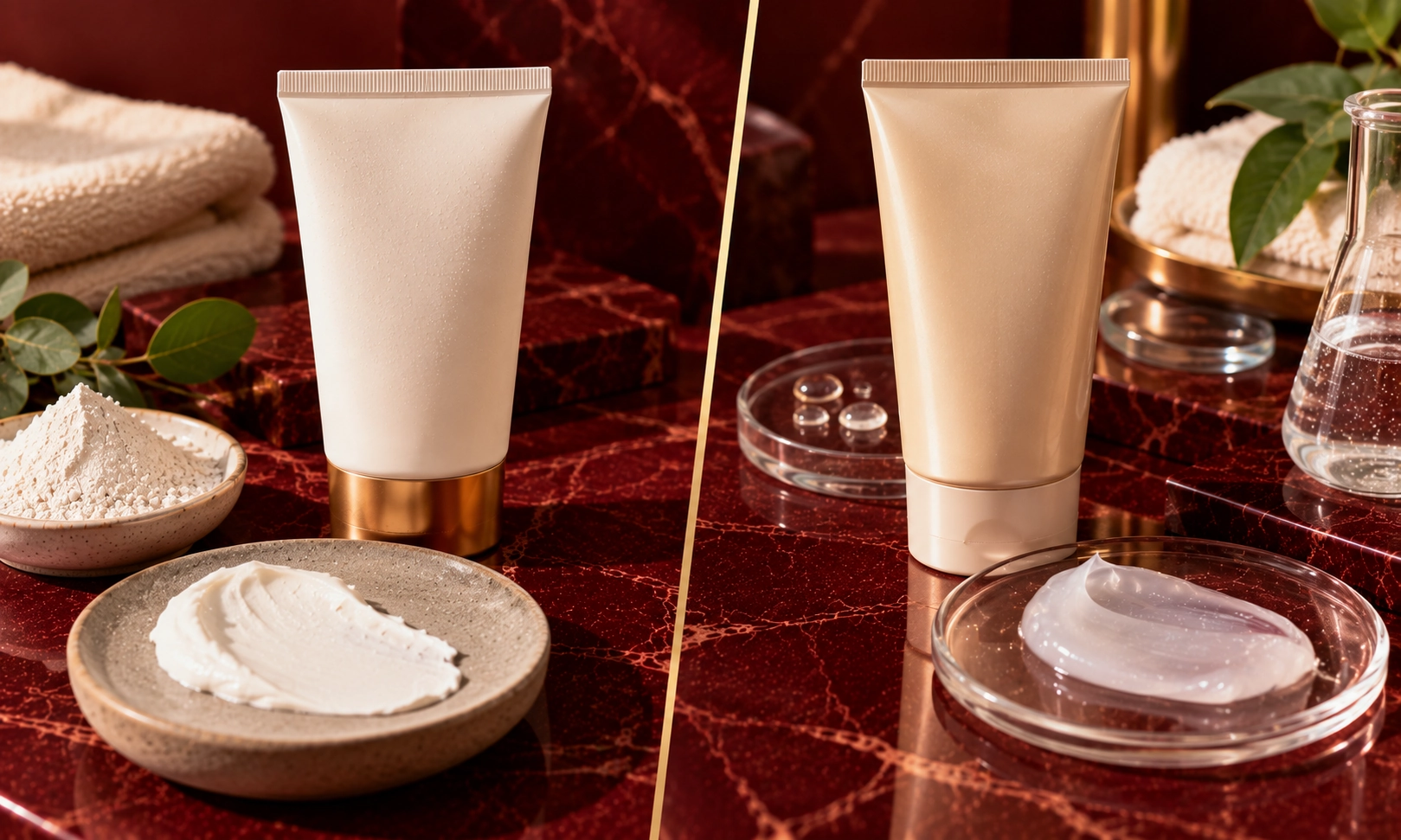
This debate can become much more complicated than it needs to be.
Mineral sunscreens use active ingredients such as zinc oxide or titanium dioxide. Chemical sunscreens use other UV-filtering active ingredients. Hybrid formulas can combine different types.
Both can provide effective protection when the finished product is broad spectrum, has an appropriate SPF, and is used correctly. The right option often comes down to skin sensitivity, finish, comfort, white cast, and personal preference.
If your skin reacts easily, mineral sunscreen may be worth trying first. If you dislike the feel or appearance of mineral products, another broad-spectrum formula may be easier to use consistently.
Sources Note
This guide is based on current guidance from the American Academy of Dermatology, U.S. Food and Drug Administration, Skin Cancer Foundation, and NHS. These sources cover SPF, broad-spectrum protection, application, water resistance, and skin-type considerations. Product formulas and regulations can change, so check the current label and follow the manufacturer’s directions.
Frequently Asked Questions
Is SPF 30 enough for everyday face protection?
For many everyday situations, SPF 30 or higher is a reasonable starting point. For prolonged outdoor exposure, dermatology and skin-cancer organizations commonly recommend SPF 50 or higher and a water-resistant product.
Is SPF 50 much better than SPF 30?
SPF 50 provides more UVB protection than SPF 30, but neither blocks all UVB radiation. SPF 50 still needs correct application and reapplication.
Can I wear sunscreen every day?
Yes. Daily sunscreen use is recommended as part of regular sun protection. Use it on exposed skin and combine it with shade and protective clothing when appropriate.
What is the best sunscreen for sensitive skin?
There isn’t one formula that works for everyone. AAD guidance suggests sensitive-skin users look for products made for sensitive skin and consider mineral sunscreens containing zinc oxide or titanium dioxide, especially when sunscreen causes stinging.
Can sunscreen help with dark spots?
Sunscreen can help reduce ongoing UV exposure that contributes to pigmentation. Tinted sunscreen containing iron oxide may also protect against visible light, which can matter for hyperpigmentation.
Should sunscreen go before or after moisturizer?
Usually, apply moisturizer first, then sunscreen as the final skincare step in the morning. If your sunscreen is moisturizing enough, you may not need a separate moisturizer.
Disclaimer
This article is for general educational and skincare information only. It is not medical advice. If you have a persistent skin reaction, unusual pigmentation, or another skin concern, speak with a qualified dermatologist or healthcare professional.