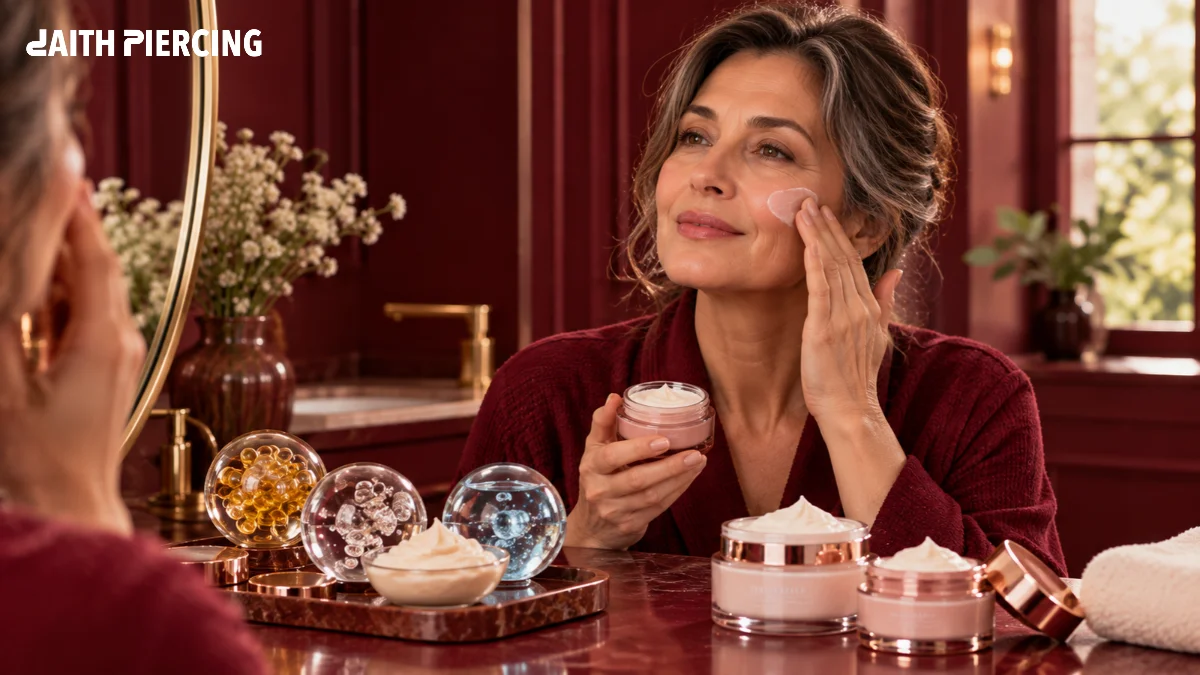
As skin gets older, the moisturizer that once felt perfect can suddenly seem too light, too greasy, or just not enough. Mature skin often loses some ability to hold moisture, so the goal is less about finding a miracle anti-aging cream and more about choosing a formula that supports the skin barrier, feels comfortable, and fits your skin type.
If you’re choosing a moisturizer for mature skin, start with a cream or richer lotion if your skin feels dry. Look for ingredients such as ceramides, glycerin, hyaluronic acid, petrolatum, or shea butter. If your skin is sensitive, fragrance-free is usually a safer starting point. Moisturizer can make fine lines look less noticeable by keeping skin hydrated, but it cannot erase wrinkles.
Key Takeaways
- Choose texture according to dryness, not age alone.
- Creams and ointments generally provide more moisture than lighter lotions.
- Ceramides, glycerin, and hyaluronic acid can support hydration.
- Fragrance-free formulas are a good option for dry or sensitive skin.
- Moisturizer can soften the appearance of fine lines but cannot erase wrinkles.
- Daily broad-spectrum SPF 30 or higher helps protect against UV-related skin aging.
- Add active anti-aging ingredients slowly if your skin can tolerate them.
- Persistent cracking, bleeding, pain, or irritation deserves medical advice.
Why does mature skin need more moisture?
Skin changes naturally with age. The outer layer becomes thinner and the skin can produce less oil, which can leave it feeling dry, rough, or tight. Hormonal changes can also affect dryness. Years of sun exposure matter too, because ultraviolet radiation contributes to wrinkles, texture changes, and other visible signs of skin aging.
That’s why mature skin hydration is not simply about making your face feel soft for an hour. A good moisturizer helps reduce water loss and supports the outer skin barrier. The barrier is basically the skin’s protective surface. When it works well, it helps keep moisture in and irritants out.
What should you look for in a moisturizer for mature skin?
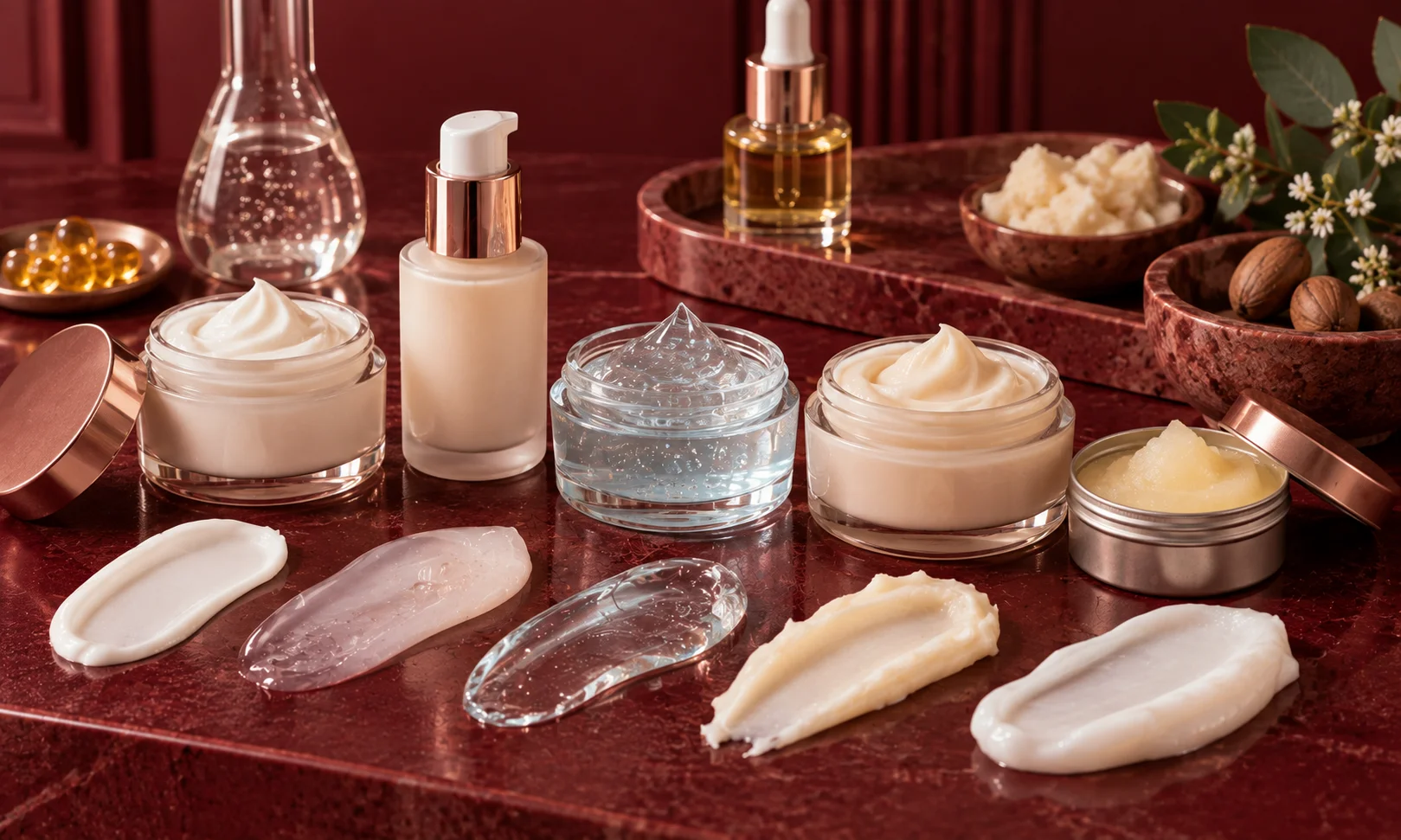
There isn’t one perfect ingredient or texture for everyone. Your skin type and the amount of dryness you have should guide the choice.
For many people with mature and dry skin, creams are a useful middle ground. They usually contain more oil than lotions and can help hold moisture in for longer. If your skin is extremely dry, an ointment may provide even more protection, although it can feel heavier.
If your skin is combination or oily, you don’t automatically need a thick cream. A lighter lotion or gel-cream may feel better, especially around the forehead and nose.
Which ingredients actually help?
Ceramides are worth knowing about. They are lipids naturally found in the skin and help support the skin barrier. Moisturizers containing ceramides can be useful when mature skin feels dry or easily irritated.
Hyaluronic acid is another common ingredient. In simple terms, it helps attract and hold water, which can make skin feel more hydrated and temporarily make fine lines look softer.
Glycerin is a humectant. That means it helps draw water toward the outer layers of the skin. It is widely used in moisturizers because it can improve hydration without necessarily making the formula feel heavy.
Petrolatum, mineral oil, dimethicone, and shea butter work differently. They can help reduce water loss and soften the skin. You don’t need all of them in one product. What matters is whether the formula gives your skin the comfort and hydration it needs.
How should you choose based on your skin type?
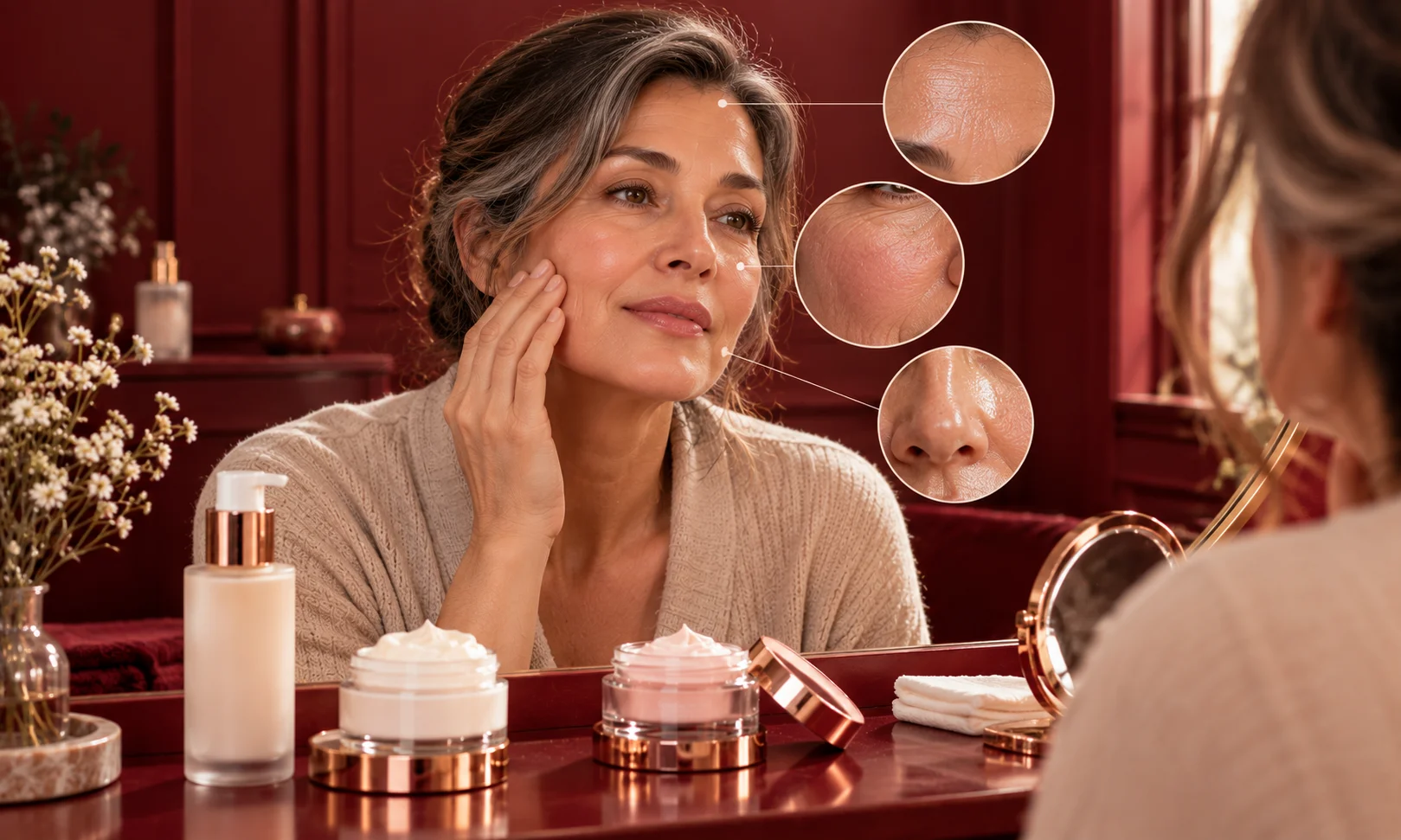
If your skin feels tight after washing, flakes easily, or looks rough, choose a richer cream. Applying it while the skin is still slightly damp can help lock in moisture.
If your skin is oily but still feels dehydrated, look for a lighter moisturizer with humectants such as glycerin or hyaluronic acid. You may not need a thick layer across your whole face.
If your skin is sensitive, keep the ingredient list simple. A fragrance-free moisturizer is a sensible choice because fragrance can irritate dry or sensitive skin. Don’t assume that “natural” automatically means gentle. Plant extracts and essential oils can still bother sensitive skin.
If you have combination skin, adjust the amount by area. Use more on dry cheeks and less around oily areas. Skincare does not have to be an all-or-nothing routine.
Can moisturizer help with fine lines?
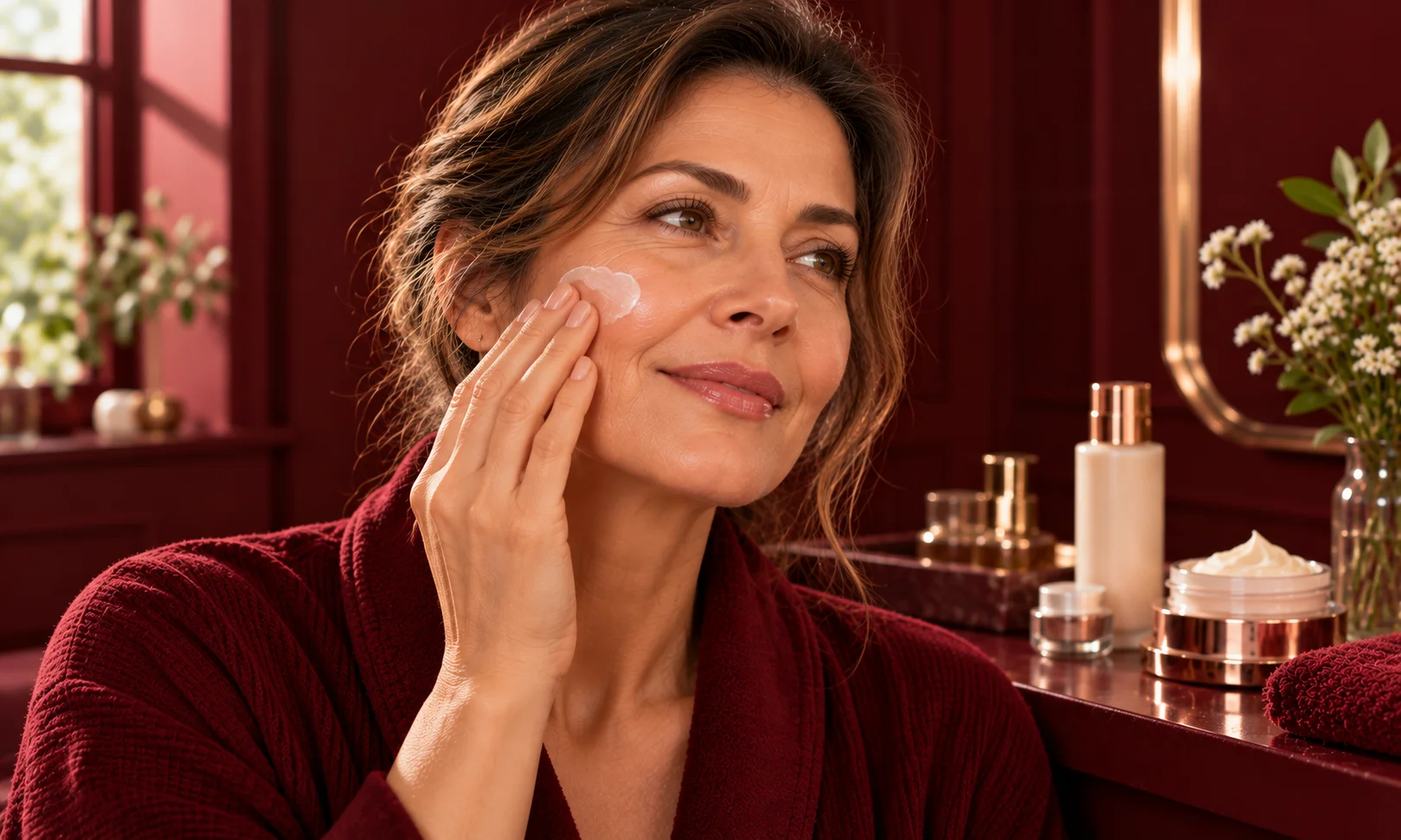
Yes, but there is an important difference between improving the look of fine lines and removing them.
When the outer layer of skin is well hydrated, it can look smoother and more plump. That can make fine lines less noticeable for a while. This is one reason moisturizer for fine lines can be useful even when it does not contain a strong anti-aging active.
But a moisturizer should not be treated like a wrinkle eraser. The FDA says moisturizing products can make wrinkles look less noticeable through moisturization, while stronger claims about changing the structure or function of skin may fall into drug territory.
If wrinkles are your main concern, daily sun protection matters just as much as the moisturizer you choose. Ultraviolet exposure contributes to premature skin aging, so broad-spectrum sunscreen with SPF 30 or higher is an important part of a mature-skin routine.
How do you use a moisturizer for aging skin?
A really simple routine often works better than a crowded shelf. Start by cleansing gently. Avoid very hot water and harsh scrubbing, especially if your skin already feels dry. After cleansing, pat your skin rather than rubbing it aggressively.
Then apply moisturizer while the skin is slightly damp. Spread a comfortable layer over the face and neck, paying extra attention to areas that feel dry.
Use moisturizer consistently rather than only when your skin becomes uncomfortable. If your skin is very dry, dermatologists may recommend applying it more than once a day.
In the morning, follow with broad-spectrum sunscreen. The American Academy of Dermatology recommends SPF 30 or higher as part of daily sun protection.
Should you avoid fragrance?
For mature skin that is dry or sensitive, fragrance-free is generally the better starting point. Fragrance can cause irritation in some people, and irritation is the last thing already-dry skin needs.
There is also a small wording trap worth knowing. “Unscented” does not always mean fragrance-free. If your skin reacts easily, look specifically for “fragrance-free” on the label.
A simple way to compare your options
| What your skin needs | What to look for |
|---|---|
| Dry or tight skin | Cream or ointment |
| Sensitive skin | Fragrance-free formula |
| Dehydrated skin | Glycerin or hyaluronic acid |
| Weak-feeling skin barrier | Ceramides and richer emollients |
| Oily or combination skin | Lightweight lotion or gel-cream |
| Fine lines | Hydration plus daily sun protection |
The table is only a starting point. Skin can change with weather, hormones, medication, and other factors, so the same texture may not work equally well all year.
How can you build a simple mature-skin routine?
You really don’t need ten steps. A practical routine can be cleanser, moisturizer, and sunscreen in the morning. At night, use a gentle cleanser followed by moisturizer.
If you later decide to add an anti-aging active, add it slowly rather than rebuilding the entire routine at once. This keeps things easier to track and makes troubleshooting simpler.
What Does the Evidence Say About Mature Skin Care?
This guide is based on current skincare guidance from recognized medical and government sources, including the American Academy of Dermatology (AAD), the National Institute on Aging (NIA), and the U.S. Food and Drug Administration (FDA). Their guidance supports the practical points covered here, including using moisturizers to reduce dryness, choosing products according to skin needs, protecting skin from ultraviolet exposure, and being realistic about what moisturizers can do for fine lines. Where skincare results can vary from person to person, the article avoids promising a specific outcome.
FAQs
Is a cream better than a lotion for mature skin?
Not always. Creams are usually richer and can be more useful when mature skin is dry. If your skin is oily or combination, a lighter lotion or gel-cream may feel more comfortable.
What is the best ingredient for mature skin hydration?
There is no single best ingredient for everyone. Ceramides, glycerin, and hyaluronic acid are useful options, while petrolatum and dimethicone can help reduce water loss. The overall formula matters more than one ingredient.
Can moisturizer get rid of fine lines?
Moisturizer can make fine lines look softer by improving hydration and making the skin appear smoother. It does not permanently remove wrinkles.
Should mature skin use fragrance-free moisturizer?
If your skin is dry or sensitive, fragrance-free is a sensible choice. Fragrance can irritate some people, so avoiding it may make the routine easier to tolerate.
How often should mature skin be moisturized?
At least once daily is a useful starting point. Very dry skin may benefit from moisturizing more often, including after washing while the skin is still slightly damp.
When should I see a dermatologist?
See a dermatologist if your skin stays very dry despite regular moisturizing, or if you develop significant itching, cracking, bleeding, pain, or a persistent rash. Excessively dry skin can sometimes need specific treatment.
Disclaimer:
This article is for general educational information and does not replace personal medical advice. Skin needs vary, and persistent irritation or skin conditions should be discussed with a qualified dermatologist.