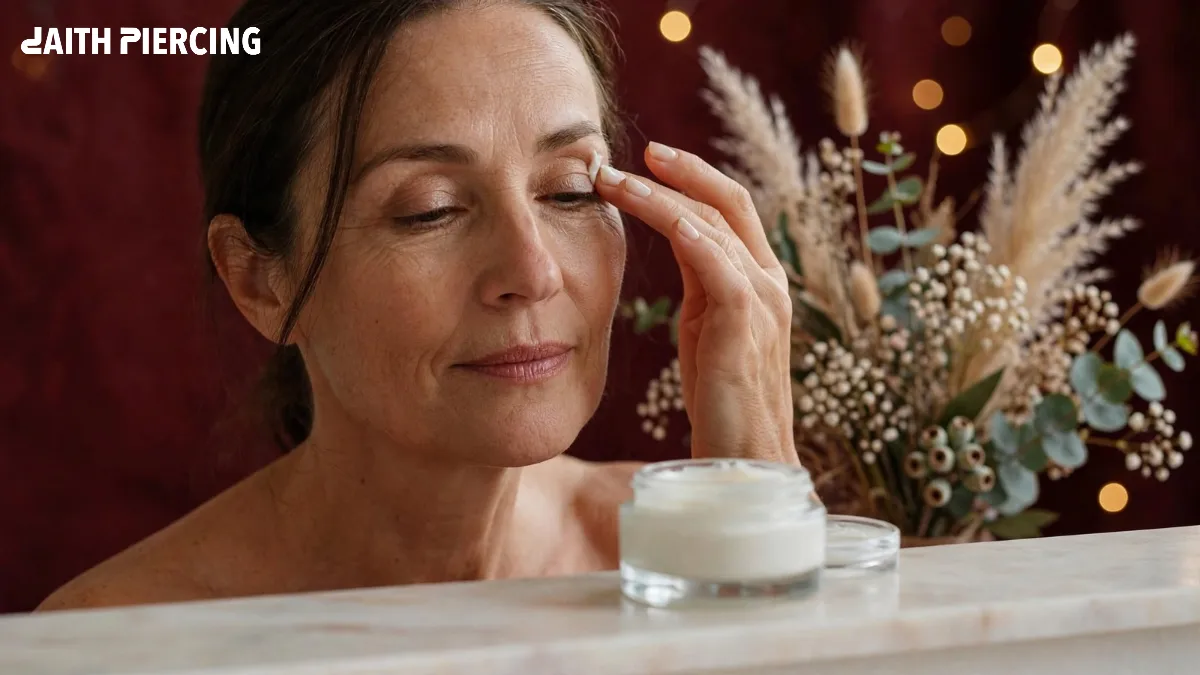
Seeing a few lines around your eyes can feel strange, especially when they seem to appear overnight. But fine lines are a normal part of skin aging. The skin around the eyes is thin, moves constantly when you smile or squint, and can lose moisture over time.
So, can an eye cream for wrinkles actually help? Yes, but the realistic answer is a little less dramatic than beauty ads sometimes suggest. A well-formulated eye cream can hydrate the skin, temporarily make fine lines look softer, and, depending on its ingredients, support longer-term improvement in the appearance of wrinkles.
For readers of Daithpiercing, the useful part is knowing what to look for instead of buying a product just because the label says “anti-aging.”
Key Takeaways
- An eye cream for wrinkles can hydrate the skin and make fine lines look softer.
- Retinol is a commonly used ingredient for fine lines, but it can irritate sensitive skin.
- Hyaluronic acid and ceramides mainly support hydration and the skin barrier.
- Peptides and antioxidants may support smoother-looking skin.
- Daily broad-spectrum sunscreen is important because UV exposure contributes to visible skin aging.
- Consistent use matters more than using a large amount of product.
Why Do Fine Lines Show Up Around the Eyes?
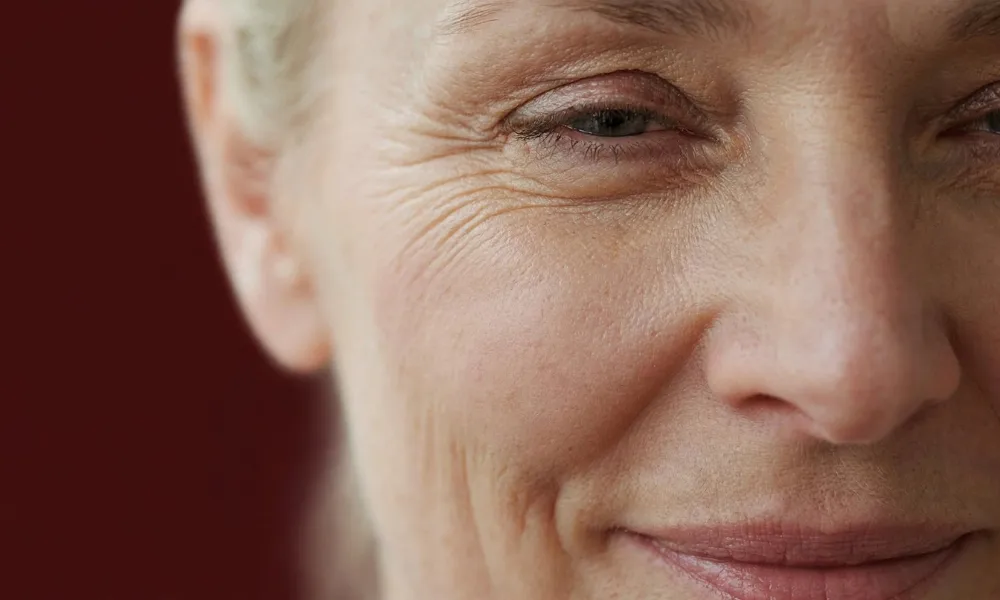
The eye area is delicate, moves constantly with facial expressions, and is exposed to UV radiation. As skin ages, changes in collagen and moisture can make lines more visible.
Dryness can also make small lines stand out. This is why an eye cream for fine lines may create a quick visual improvement without permanently changing the wrinkle.
How Does an Eye Cream for Wrinkles Work?
Think of an eye cream as a targeted skincare product. Its effect depends on the formula.
Hydration Can Make Lines Look Softer
Moisturizing ingredients such as hyaluronic acid and ceramides help support the skin barrier and reduce dryness. When skin is better hydrated, it can look smoother and more plump, which may make fine lines less noticeable.
Retinol Can Support Smoother-Looking Skin
Retinol is a form of vitamin A used for fine lines and wrinkles. It supports skin renewal and processes involved in collagen.
Mayo Clinic notes that retinoid treatments can reduce fine wrinkles, but improvement can take weeks or months. Prescription retinoids are stronger than many over-the-counter retinol products.
The eye area can be sensitive, and retinol may cause dryness, burning, redness, or irritation. Start slowly and follow the product directions.
Peptides Have a Different Role
Peptides are short chains of amino acids used in many skincare formulas. Some products use them to support firmer-looking, smoother skin.
Peptides are not the same as retinoids, and evidence varies by formula. Consider them when firmness and texture are your main concerns.
Which Ingredients Should You Look For?
 F
You do not need a shelf full of eye products. A few ingredient categories are worth understanding.
| Ingredient | What it can help with |
|---|---|
| Retinol | Fine lines and overall skin texture |
| Hyaluronic acid | Hydration and temporarily plumper-looking skin |
| Ceramides | Supporting the skin barrier and reducing dryness |
| Peptides | Smoother and firmer-looking skin |
| Vitamin C | Antioxidant support and uneven tone |
| Niacinamide | Barrier support and skin tone |
Cleveland Clinic specifically lists retinol, peptides, antioxidants, hyaluronic acid, and ceramides among ingredients worth considering for common eye-area concerns.
Choose a formula based on your main concern and skin sensitivity.
Is Eye Cream for Mature Skin Really Different?
Not always. Mature skin does not need one universal ingredient for everyone.
If skin becomes drier with age, a richer moisturizer may feel more comfortable. Barrier-supporting ingredients can help when dryness makes under eye wrinkles more obvious.
For wrinkles, consider a retinol product. For dryness, a simple moisturizer may be enough.
Keep expectations realistic. An eye cream cannot produce the same result as an in-office procedure.
How Should You Apply Eye Cream?

More product does not mean better results. The skin around the eyes only needs a small amount.
After cleansing, apply the product according to its directions. Use a gentle touch rather than rubbing or pulling the skin. If your formula contains retinol, follow its specific instructions and introduce it gradually if recommended.
During the day, use broad-spectrum sunscreen with SPF 30 or higher. Mayo Clinic recommends daily sun protection as part of wrinkle prevention.
Keep skincare out of the actual eye. Irritation in this area can be especially uncomfortable.
Can Eye Cream Remove Under Eye Wrinkles?
Usually, no. The better way to think about an eye cream for wrinkles is that it may reduce the appearance of fine lines rather than remove them completely.
Hydrating formulas can make dry lines look softer. Retinol may help improve the look of fine wrinkles over time. Antioxidants can support protection from environmental damage, while sunscreen helps reduce ongoing UV exposure.
Deep wrinkles or significant laxity may need professional treatment for a larger change. Mayo Clinic lists prescription retinoids and procedures such as chemical peels, laser resurfacing, fillers, and botulinum toxin, each with risks and limitations.
What Should You Avoid Around the Eye Area?
The eye area is not the place to experiment aggressively. Avoid using products that are not intended for the eye area. If a product causes burning, redness, swelling, or other irritation, stop using it. The FDA advises stopping an eye cosmetic that causes irritation and seeking medical advice if the irritation continues.
Keep applicators clean, do not share eye cosmetics, and follow storage instructions.
If you have very sensitive skin or an eye condition, a dermatologist can help you choose a routine.
A Simple Routine for Fine Lines
A simple routine is enough.
Morning: cleanse gently, moisturize if needed, and use broad-spectrum SPF 30 or higher.
Evening: cleanse, apply your eye cream according to its instructions, and use moisturizer if your skin needs extra hydration.
If you choose retinol, introduce it carefully and watch for irritation.
Changing products every few days can make results hard to judge. Consistency matters.
What Does the Evidence Actually Tell Us?
Moisturizers can temporarily make wrinkles look less noticeable through hydration, while retinoid-based treatments have stronger evidence for improving fine wrinkles over time.
Over-the-counter wrinkle products are not all equally studied. Results depend on the ingredient, formulation, use, and individual skin.
That is why ingredient lists and realistic claims matter more than dramatic before-and-after promises.
Source Transparency
This article separates established guidance from product marketing claims. Wrinkle, retinoid, sun-protection, and eye-cosmetic information was checked against Mayo Clinic, Cleveland Clinic, and the U.S. Food and Drug Administration.
No individual product is endorsed. Check the label before use.
Frequently Asked Questions
Does eye cream really work for wrinkles?
It can help, especially with dryness and the appearance of fine lines. Products containing ingredients such as retinol may provide more gradual improvement, while moisturizers can make lines look temporarily softer.
What is the best eye cream for fine lines?
There is no single best formula for everyone. Look for ingredients that match your concern, such as retinol for fine lines or hyaluronic acid and ceramides for dryness. Skin sensitivity should also guide your choice.
Can I use retinol around my eyes?
Some products are specifically formulated for the eye area and contain retinol. Follow the product directions carefully because retinol can irritate. If you are pregnant, ask a healthcare professional before using retinoid products; Mayo Clinic advises avoiding retinoids during pregnancy.
When should I start using eye cream for mature skin?
There is no fixed age when everyone needs eye cream. You can choose one when dryness, fine lines, or other eye-area concerns become noticeable. A simple moisturizer and daily sun protection are useful parts of skin care at any age.
Can moisturizer replace eye cream?
Sometimes. A facial moisturizer that is suitable for the eye area may provide enough hydration. A dedicated eye cream becomes more useful when you want a formula designed around a specific concern or texture.
How long does eye cream take to show results?
Hydration can make skin look smoother fairly quickly, but changes related to active ingredients such as retinoids usually take longer. Mayo Clinic notes that retinoid-related wrinkle improvement may take weeks or months.
Disclaimer
This article is for general educational purposes and is not a substitute for medical advice. Skincare results vary by skin type, product formula, and individual sensitivity. Stop using a product if it causes significant irritation and speak with a qualified healthcare professional when needed.