If you want the short answer, the best wrinkle creams is not simply the one with the longest ingredient list or highest price. Look for a formula that matches your skin, contains a useful active ingredient, and is gentle enough to use consistently. Retinoids have strong evidence for photoaged skin, while moisturizers can make fine lines look softer by adding water to the outer skin layer. Realistic expectations make products easier to judge.
Key Takeaways
- Retinoids have strong evidence for topical wrinkle treatment, especially prescription tretinoin.
- Moisturizer can temporarily make fine lines look softer by improving hydration.
- Mature skin often benefits from barrier-support ingredients such as ceramides and glycerin.
- Start one active product at a time and give it several weeks before judging results.
- Daily broad-spectrum SPF 30 or higher is basic for a wrinkle-focused routine.
- More expensive does not automatically mean more effective.
What makes a wrinkle cream worth using?
A good wrinkle cream should do at least one useful thing well, such as improving fine lines, supporting the skin barrier, reducing dryness, or providing an active ingredient with evidence behind it.
Retinoids are vitamin A derivatives that help increase skin-cell turnover and support collagen-related changes. Prescription tretinoin has strong clinical evidence for photoaging, while cosmetic retinol is a nonprescription option. A 2025 meta-analysis of randomized trials found that topical tretinoin improved fine and coarse wrinkles caused by photodamage, although irritation was more common with treatment.
Moisturizing ingredients have a different job. Humectants such as hyaluronic acid attract water, while ceramides help support the skin barrier. The result can be smoother, more comfortable skin and temporarily less noticeable fine lines.
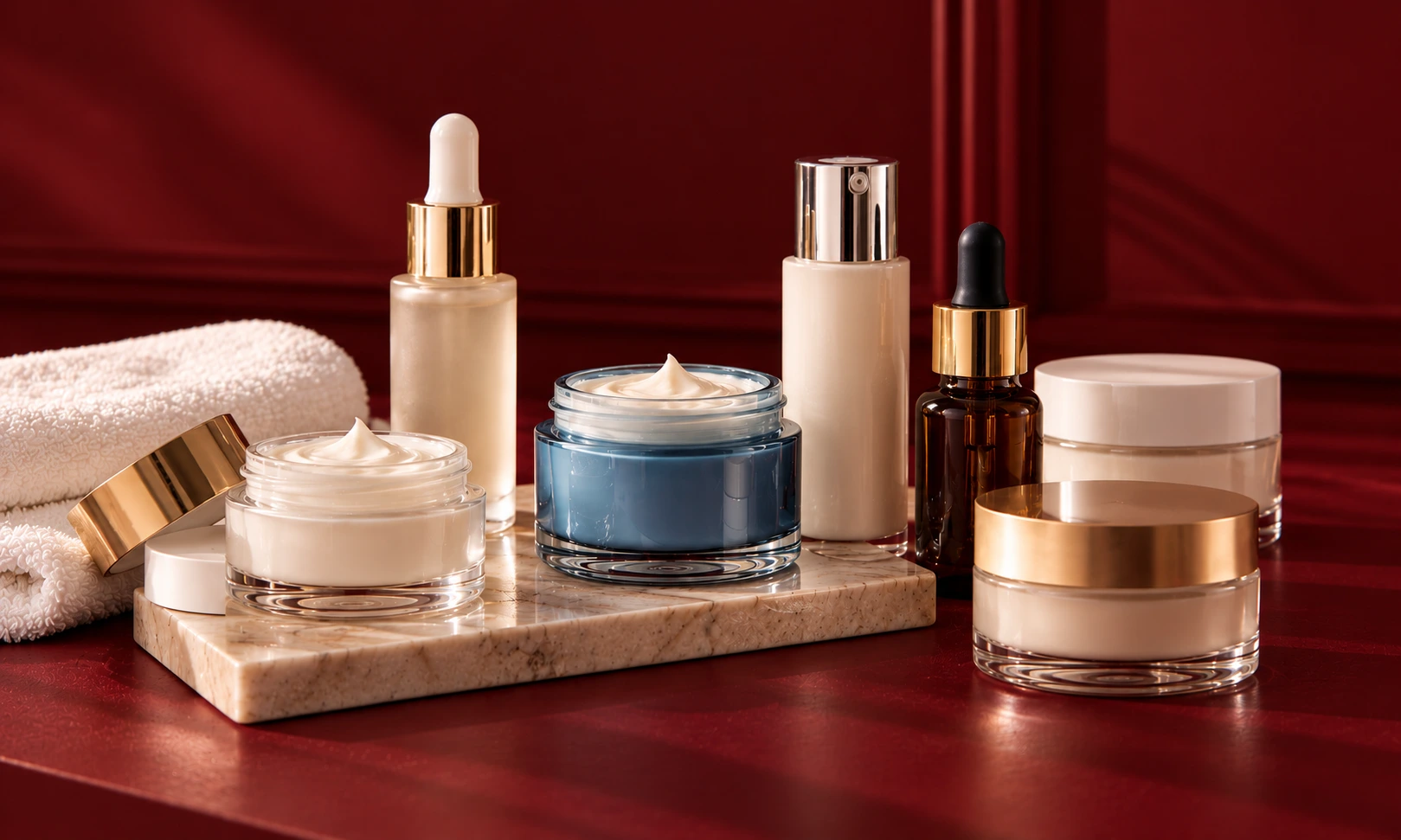
11 wrinkle creams and treatments to know
1. CeraVe Skin Renewing Retinol Serum
This is a useful option if you want retinol alongside barrier-supporting ingredients. CeraVe combines retinol with ingredients such as ceramides and hyaluronic acid, keeping the formula focused on balancing an active with hydration.
2. Olay Regenerist Retinol 24 Night Moisturizer
Olay’s Retinol 24 line combines retinoid-focused skincare with moisturizing ingredients for nighttime use. It is aimed at people who want one evening product rather than several separate steps.
Overuse can still leave skin dry or irritated.
3. Neutrogena Rapid Wrinkle Repair Regenerating Cream
This cream uses retinol in a richer format and is designed for visible signs of aging such as fine lines and uneven texture. The current formula also combines retinol with hyaluronic acid for hydration.
Give it time rather than expecting a dramatic change after a few applications.
4. RoC Retinol Correxion Deep Wrinkle Night Cream
RoC is another established name in retinol skincare. Its night cream is designed around retinol for wrinkles while keeping the format easy to use before bed.
It may suit someone who wants a traditional night cream rather than a lightweight serum. Introduce retinol gradually and use sunscreen during the day.
5. La Roche-Posay Retinol B3 Serum
Although this is a serum rather than a traditional cream, it belongs here because it pairs retinol with niacinamide and a hydrating base.
Niacinamide is a form of vitamin B3 that can support the skin barrier and help with uneven tone. It can suit a simpler active routine.
6. Avène RetrinAL 0.1 Intensive Cream
RetrinAL uses retinal, another vitamin A derivative. Retinal is different from both retinol and prescription tretinoin.
This type of product can appeal to experienced skincare users who want a vitamin A option. Irritation is still possible, so a slow introduction is sensible.
7. Paula’s Choice Clinical 0.3% Retinol + 2% Bakuchiol Treatment
This treatment combines retinol with bakuchiol, a plant-derived ingredient studied for skin-aging concerns and often used in formulas designed around retinol or as a companion to it.
If your skin reacts easily, several actives may not be the best starting point.
8. Kiehl’s Super Multi-Corrective Cream
This is a broader anti-aging moisturizer rather than a retinol-first treatment. It is designed for people who want hydration and a smoother-looking complexion while using a daily cream.
It can fit when dryness makes fine lines look more obvious. A richer moisturizer cannot erase deep wrinkles, but hydrated skin can look fuller and softer.
9. SkinCeuticals Triple Lipid Restore 2:4:2
This richer moisturizer focuses on replenishing skin lipids. Lipids are fats naturally found in the skin barrier, so this type of formula is relevant when mature skin feels dry, tight or easily irritated.
The formula contains ceramides, cholesterol and fatty acids and is designed to support the skin barrier.
10. The Ordinary Granactive Retinoid 2% Emulsion
This lightweight emulsion uses a retinoid technology different from standard retinol. It can appeal to people who want to explore vitamin A skincare without moving straight to prescription treatment.
Do not compare retinoid percentages as if they were identical. Different retinoids and delivery systems are not directly comparable, so a bigger number does not automatically mean a stronger or better product.
11. CeraVe Skin Renewing Night Cream
If your biggest problem is dryness rather than deep wrinkles, a straightforward night moisturizer may be more useful than jumping into a strong active.
It uses ceramides and hyaluronic acid and can suit mature skin that feels dry or tight.
Which ingredients should you look for?
When shopping for an anti-aging face cream, start with the concern rather than the marketing label.
For fine lines and wrinkles, retinol or another retinoid is worth investigating. For dryness, look for ceramides, glycerin and hyaluronic acid. Peptides also appear in many formulas, although their evidence is not as strong or consistent as prescription retinoids.
Vitamin C may help with oxidative stress and uneven tone, but it is better viewed as one part of a complete routine.
How should you use a wrinkle cream?
 Keep the routine simple. In the morning, cleanse gently if needed, moisturize and finish with broad-spectrum SPF 30 or higher sunscreen. Sun protection matters because ultraviolet exposure contributes to premature skin aging and wrinkles. The American Academy of Dermatology recommends broad-spectrum SPF 30 or higher for protecting skin from premature aging.
At night, cleanse, apply your chosen treatment as directed, and use moisturizer. If you are starting retinol, begin a few nights per week rather than applying it aggressively every night.
Test new products before using them widely. If a product burns or causes significant irritation, stop and reassess. Dermatologists also recommend introducing anti-aging products gradually because irritation can make aging signs look more noticeable.
Can wrinkle cream really make skin look younger?
Yes, but the change is usually gradual and limited by what a topical product can do. Moisturizers can make fine lines look less noticeable because hydrated skin appears fuller. Retinoids can produce deeper changes over time, particularly for photoaging, but they cannot recreate lost facial volume or lift significantly sagging skin.
A cream can improve texture and lines, but it cannot reverse every part of aging.
Source note
This guide was prepared for DaithPiercing using dermatology guidance and published clinical evidence rather than brand promises alone. Product descriptions are based on commonly stated formulations and intended uses, while treatment information is grounded in dermatology and medical literature.
The American Academy of Dermatology recommends daily sun protection, moisturizer, careful product introduction and realistic expectations for anti-aging skincare. The National Institute on Aging also emphasizes sunscreen, moisturizing and healthy skin habits as skin changes with age.
Viltnemnda is included only as a website reference, not as a source for skincare claims. Check current labels because formulas can change.
Frequently Asked Questions
What is the best wrinkle cream for mature skin?
There is no single cream for everyone. For visible wrinkles, a retinoid-based product is worth considering, while mature skin that is mainly dry may benefit more from a rich moisturizer with barrier-support ingredients.
Is retinol better than a regular moisturizer?
They do different jobs. Retinol targets skin-aging processes, while moisturizer mainly improves hydration and supports the skin barrier. Many people can use both in the same routine.
How long does wrinkle cream take to work?
Moisturizers can make skin look smoother fairly quickly, but active anti-aging products usually need weeks or months of consistent use. The American Academy of Dermatology says many products take at least six weeks, and sometimes up to three months, to show results.
Can I use retinol every night?
Not necessarily at first. Starting a few nights per week can help your skin adjust. Increase frequency only if your skin tolerates it and the product instructions allow it.
Do I still need sunscreen if I use an anti-aging cream?
Yes. Sunscreen protects against UV exposure that contributes to premature skin aging. A wrinkle cream should not replace daily sun protection.
Can wrinkle cream remove deep wrinkles?
Creams can improve the appearance of fine lines and texture, but deep wrinkles and significant sagging may need professional treatment for a more noticeable change. A dermatologist can explain suitable options.
Disclaimer
This article is for general educational and informational purposes. Skincare results vary by skin type, product formula and consistent use. If you have a skin condition, severe irritation or concerns about using retinoids, speak with a qualified dermatologist.