Sleep Mask vs Night Cream: If you’ve ever stood in front of your skincare shelf wondering whether a sleeping mask is just a fancy night cream, you’re not alone. The names sound similar, and both are meant to stay on your skin while you sleep.
The short answer is that they overlap, but they aren’t the same. A night cream is usually part of a regular skincare routine and is mainly designed to moisturize, support the skin barrier, and sometimes deliver ingredients for a specific concern. An overnight face mask is usually made as a more targeted, often richer treatment that you leave on overnight.
Key Takeaways
- A night cream is usually for regular nighttime moisturizing.
- A sleeping mask is generally a more targeted leave-on treatment.
- An overnight face mask can help dry skin, but it isn’t automatically better than a moisturizer.
- Ingredients matter more than the product name.
- Avoid piling strong active ingredients together.
- Sensitive skin usually does better with simple formulas.
- You don’t need both products unless your skin benefits from both.
What is the difference between a sleep mask and a night cream?
The easiest way to think about the sleep mask vs night cream question is this: a night cream is usually your everyday moisturizer for bedtime, while a sleeping mask is more like an extra treatment step.
Night creams are commonly thicker than daytime moisturizers because they are made to hydrate and support the skin while you sleep. Some formulas also contain ingredients such as retinol or hyaluronic acid, depending on their purpose.
Sleeping masks, also called overnight masks, are designed to sit on the skin for a longer period. Facial masks can help moisturize and support the skin barrier, and keeping the product on the skin gives its ingredients more time to work. The American Academy of Dermatology says masks are additions to a skincare routine, not replacements for basic cleansing, moisturizing, and sun protection.
How does a night cream work?
A night cream usually has one simple job: keep your skin moisturized while you sleep. Your skin naturally loses water, and a good moisturizer helps reduce that water loss while supporting the outer skin barrier. Some night creams also contain ingredients aimed at fine lines, uneven tone, texture, or dryness.
Some night creams contain stronger active ingredients, too. Retinol can help with fine lines and uneven pigmentation, but it may irritate skin if introduced too quickly.
What is an overnight face mask?
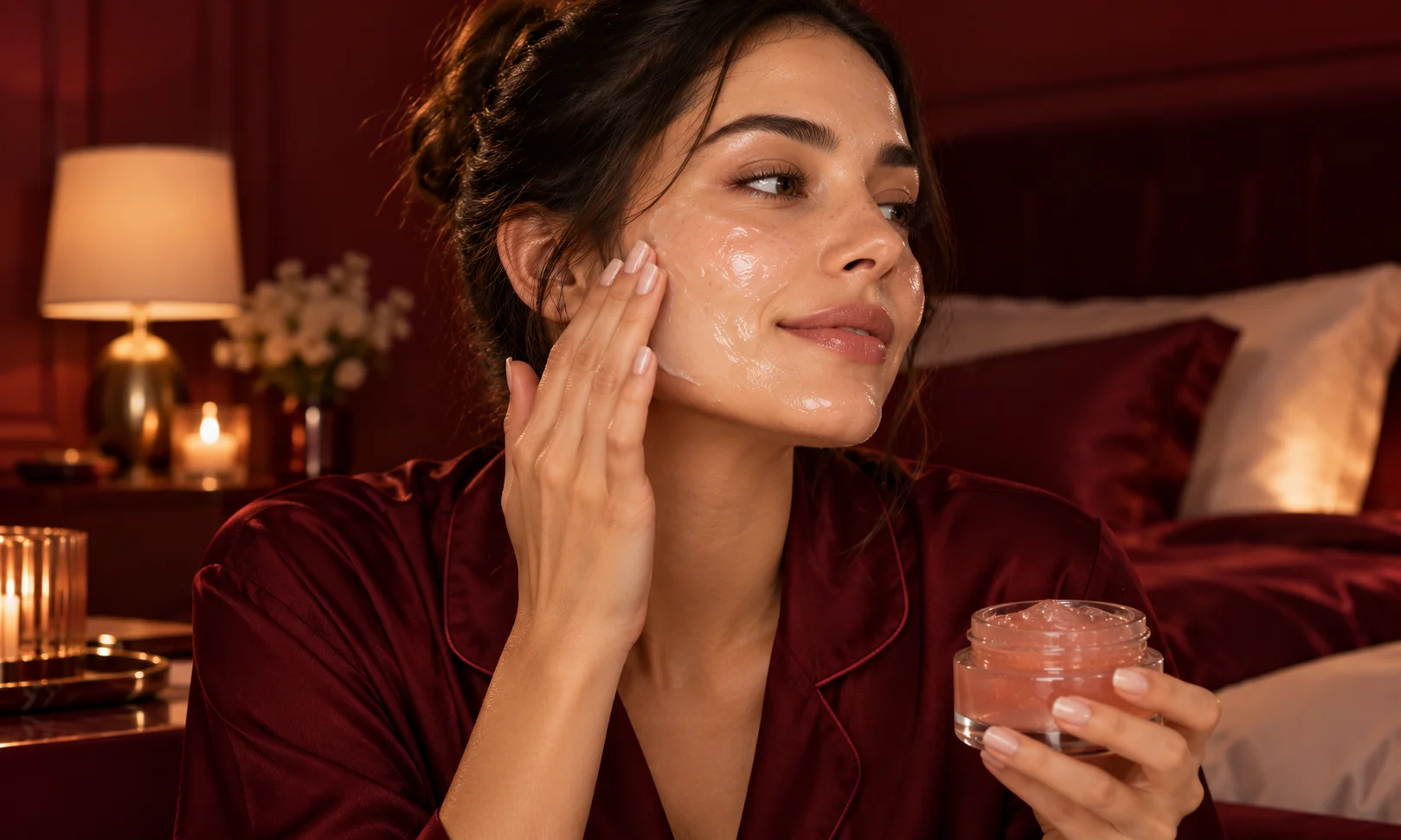
An overnight face mask is a leave-on facial mask that stays on your skin while you sleep.
Unlike traditional masks that you wash off after a few minutes, an overnight formula remains in place for much longer. Many are focused on hydration and giving dry or tired-looking skin a more comfortable, moisturized feel by morning.
Dermatologists say facial masks can be useful for hydration and other targeted concerns, but the results depend on the ingredients. They also warn that irritating formulas or using masks too often can lead to dryness, irritation, or breakouts.
Sleep mask vs night cream: which one is better?
There isn’t one universal winner.
If your main goal is everyday hydration, a well-formulated night cream may be all you need. If your skin feels especially dry and you want an occasional extra layer of moisture, an overnight face mask can be useful.
Think of it like this: your night cream is the regular meal, while a sleeping mask is the extra side you add when your skin needs something more.
What should you look for in a night cream?
The right night cream depends on your skin rather than the word “night” on the package.
For dry skin
Look for moisturizing ingredients such as hyaluronic acid, glycerin, or ceramides. A richer cream can feel more comfortable when your skin is dry or tight.
Ceramides are lipids that help support the skin barrier. They can be useful when skin feels rough, dry, or easily irritated.
For oily or acne-prone skin
A heavy cream isn’t automatically wrong, but you may prefer a lighter texture. Look for products labeled non-comedogenic when possible, especially if clogged pores are a concern.
For sensitive skin
Keep things simple. Fragrance and essential oils can irritate some people, and the American Academy of Dermatology recommends being careful with potentially irritating ingredients in facial masks.
If a product burns, stings, or makes your skin unusually red, don’t assume that means it is working.
When does a sleeping mask make more sense?
A sleeping mask can be handy when your skin needs a little extra hydration.
You might reach for one after dry weather, when your skin feels tight after cleansing, or when your normal moisturizer doesn’t feel quite enough.
The AAD recommends avoiding unnecessary overlap between masks and other active products because using similar exfoliating ingredients too often can increase irritation.
Can you use a sleep mask and night cream together?
Yes, but you don’t necessarily need to.
If you use both, the sleeping mask will often be the final layer. Check the instructions for your products and avoid stacking strong actives carelessly.
Is an overnight face mask good for dry skin?
It can be, especially when the formula focuses on hydration and barrier support.
Dry skin often benefits from products that help hold water in the outer layer of the skin. Moisturizers can reduce water loss and improve hydration, which is why regular moisturizing remains a basic part of good skincare.
Research also supports the value of moisturization. One clinical study found that moisturizer use improved hydration and helped reduce signs of barrier disruption in skin exposed to prolonged medical mask wearing.
That study was not about sleeping masks specifically, but it supports the broader role of moisturization in maintaining the skin barrier.
What are the common mistakes with sleeping masks?
One big mistake is assuming that leaving a product on longer always makes it work better. It doesn’t. If the label says to use the product a certain number of times per week, follow that direction. The AAD notes that leaving a facial mask on longer than intended or using it too often can irritate.
Another mistake is choosing a mask based only on marketing. The formula matters more. And don’t forget the basics. A sleeping mask doesn’t replace gentle cleansing, daily moisturizing, or sunscreen during the day.
How can you choose between them?
Still stuck between the two? Start with what your skin actually needs.
| Your main need | Better starting point |
|---|---|
| Everyday moisture | Night cream |
| Dry or tight skin | Rich night cream or hydrating sleeping mask |
| Occasional hydration boost | Overnight face mask |
| Sensitive skin | Simple, fragrance-free moisturizer |
| Targeted active treatment | Product with a suitable active ingredient |
| Minimal routine | Night cream |
What does a simple nighttime routine look like?
Start by cleansing your face gently. If you use a treatment product, apply it according to its instructions. Then use your night cream or sleeping mask.
That’s also the approach we prefer at daithpiercing: focus on what the formula is actually doing instead of buying something just because the packaging calls it a “sleep mask.”
FAQs
Is a sleeping mask the same as a night cream?
Not exactly. They can have similar ingredients, but night cream is usually a regular moisturizer while a sleeping mask is more targeted.
Can I use a sleeping mask every night?
It depends on the product. Hydrating formulas may be used more often, while masks with active ingredients may need less frequent use. Follow the directions.
Should I use night cream before a sleeping mask?
If you use both, the sleeping mask will often be the final step. Check the instructions, and remember you may not need both.
Is a sleeping mask better for dry skin?
It can help when it contains hydrating, barrier-supporting ingredients. A good night cream can work just as well, so check the ingredients.
Can sleeping masks cause breakouts?
They can, depending on the formula. Rich products may feel heavy on some acne-prone skin, so consider a non-comedogenic option.
Do I really need a night cream?
No. If your regular moisturizer keeps your skin comfortable and hydrated, it may be enough. A longer routine isn’t automatically better.
Disclaimer
This article is for general skincare education and isn’t a substitute for medical advice. Skin can react differently to the same ingredient, and persistent irritation, severe dryness, or ongoing breakouts should be discussed with a qualified dermatologist.