
Have you ever looked in the mirror and felt that your skin looks a little flatter, drier, or less fresh than it used to? It happens to many people as their skin changes with age. Fine lines become more noticeable, and the natural bounce that once made the skin look smooth can slowly decrease.
This is where a peptide serum may help. Peptides are small chains of amino acids that are used in skincare to support a smoother and healthier-looking complexion. Depending on the formula, a peptide serum may help improve the appearance of fine lines, support hydration, and make skin look plumper.
But there is a difference between making skin look fuller and actually rebuilding the structures beneath it. Understanding that difference helps you choose a product with realistic expectations.
Key Takeaways
- Peptide serums contain small chains of amino acids used in skincare to support skin appearance.
- Some peptides may support processes related to collagen and skin repair, but evidence for topical products remains limited.
- Hydrating ingredients can help skin look plumper and make fine lines less noticeable.
- A peptide serum for mature skin may complement a routine focused on moisture, comfort, and smoother-looking texture.
- Choose a suitable formula, introduce it gradually, and use sunscreen every day.
- Do not expect a serum to remove deep wrinkles or tighten significantly loose skin.
What Is a Peptide Serum?
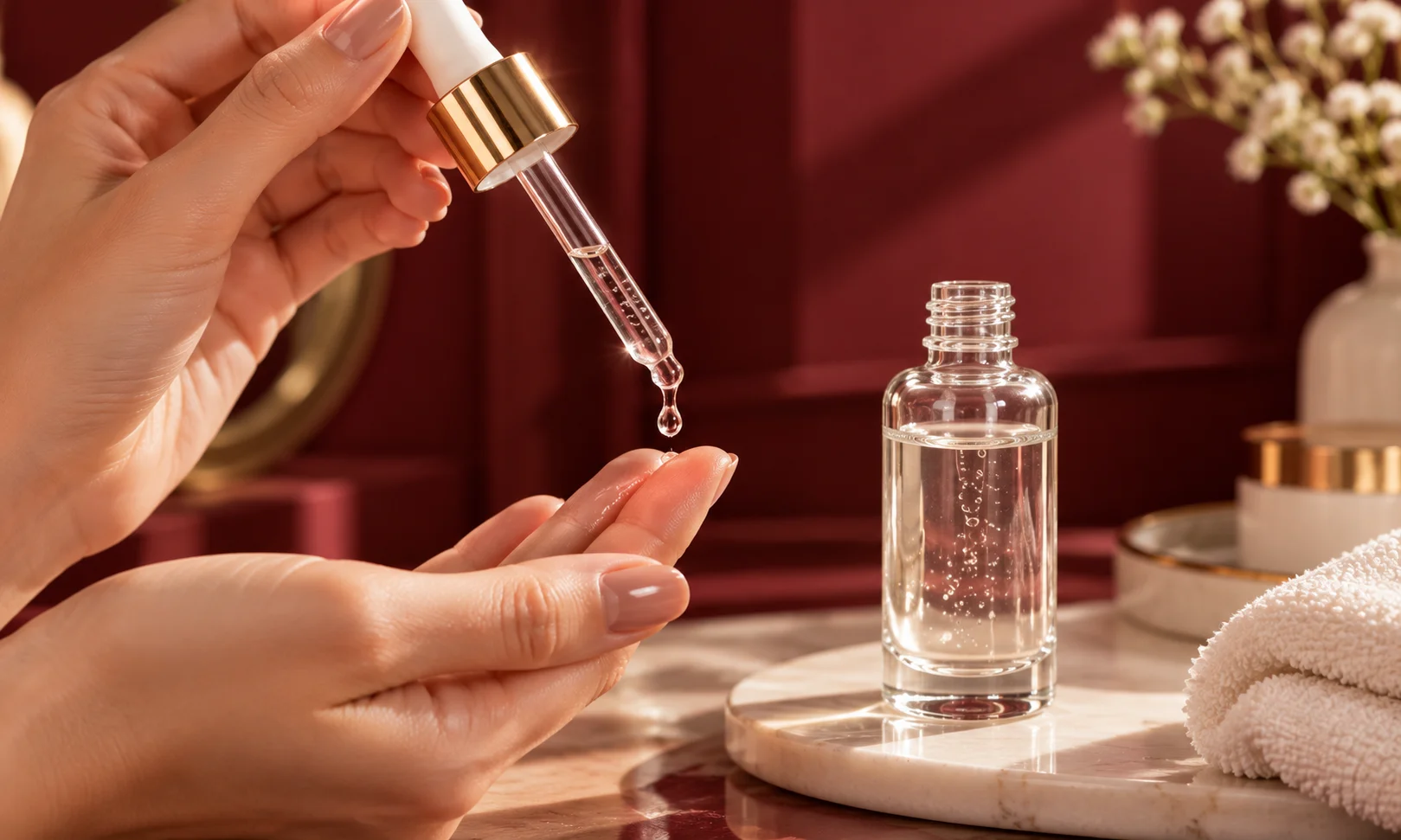
A peptide serum is a skincare product that contains peptides. These small chains of amino acids are building blocks involved in making proteins, including collagen and elastin. Both proteins help give skin its structure and flexibility.
Think of collagen as part of the support that keeps skin looking firm. Elastin helps skin stretch and return to its usual shape. As skin ages, these structures change, which can contribute to fine lines, reduced firmness, and a less elastic appearance.
Peptides are used in skincare because some types may influence processes involved in skin repair and support. However, not every peptide works in the same way, and results depend on the ingredient, its concentration, and how the finished formula is made.
A serum usually has a lightweight texture that spreads easily across the face. It can fit into a simple routine without requiring you to replace your cleanser or moisturizer.
How Do Peptide Serums Work for Plumper-Looking Skin?
The idea behind peptide skincare is fairly simple. Certain peptides may send signals to skin cells or support other processes involved in maintaining the skin’s structure. Others can help carry ingredients such as copper.
These effects are promising, but topical peptides are not a guaranteed way to increase collagen or remove wrinkles. Research on skincare peptides is still developing, and evidence varies between ingredients and formulations.
1. They May Support Collagen-Related Processes
Collagen helps the skin maintain its structure. When its natural support changes with age and sun exposure, lines and a loss of firmness can become more visible.
Some signal peptides are designed to support processes associated with collagen production. With a suitable formula and regular use, they may help improve the appearance of fine lines over time.
The key word is may. Applying peptides to the skin does not automatically mean they reach the right cells in useful amounts. The ingredient’s design and ability to penetrate the skin both matter.
2. They Can Help Skin Look Smoother
Sometimes, skin looks older simply because it is dry. When the surface lacks moisture, small lines can stand out more, especially around the eyes and mouth.
A peptide serum may contain hydrating ingredients that help the skin retain water. This can make the surface look smoother and give fine lines a softer appearance.
The result is often more about improving how the skin looks than making deep wrinkles disappear. Pairing the serum with a good moisturizer can help maintain that hydrated appearance.
3. They May Support a Firmer Appearance
Skin firmness depends on several factors, including collagen, elastin, hydration, and the condition of the skin’s deeper support structures.
Some peptide formulas, particularly those containing copper peptides, are studied for their potential role in skin repair and collagen-related activity. However, evidence from laboratory research does not always translate into noticeable results on a person’s face.
A firming serum containing peptides may be a useful addition to a skincare routine, but it should not be expected to tighten loose skin in the same way as a medical procedure.
What Are the Main Benefits of Peptide Serums?
The biggest reason people try peptide skincare is that they want their skin to look healthier without adding a complicated set of products. A well-formulated serum may offer several useful benefits.
- A plumper appearance: Hydration can make the skin look fuller and help soften the appearance of fine lines.
- Smoother-looking texture: Some peptide formulas may support improvements in the appearance of rough or uneven skin.
- Support for mature skin: Peptides may complement a routine focused on dryness, fine lines, and changes in firmness.
- Lightweight hydration: Many serums layer easily under moisturizers and sunscreen.
- A simple addition to skincare: A serum can be introduced without changing every product you already use.
Results will vary from person to person. The complete formula matters just as much as the peptide listed on the label, so it is worth looking beyond the product’s main marketing claim.
Are Peptide Serums Good for Mature Skin?
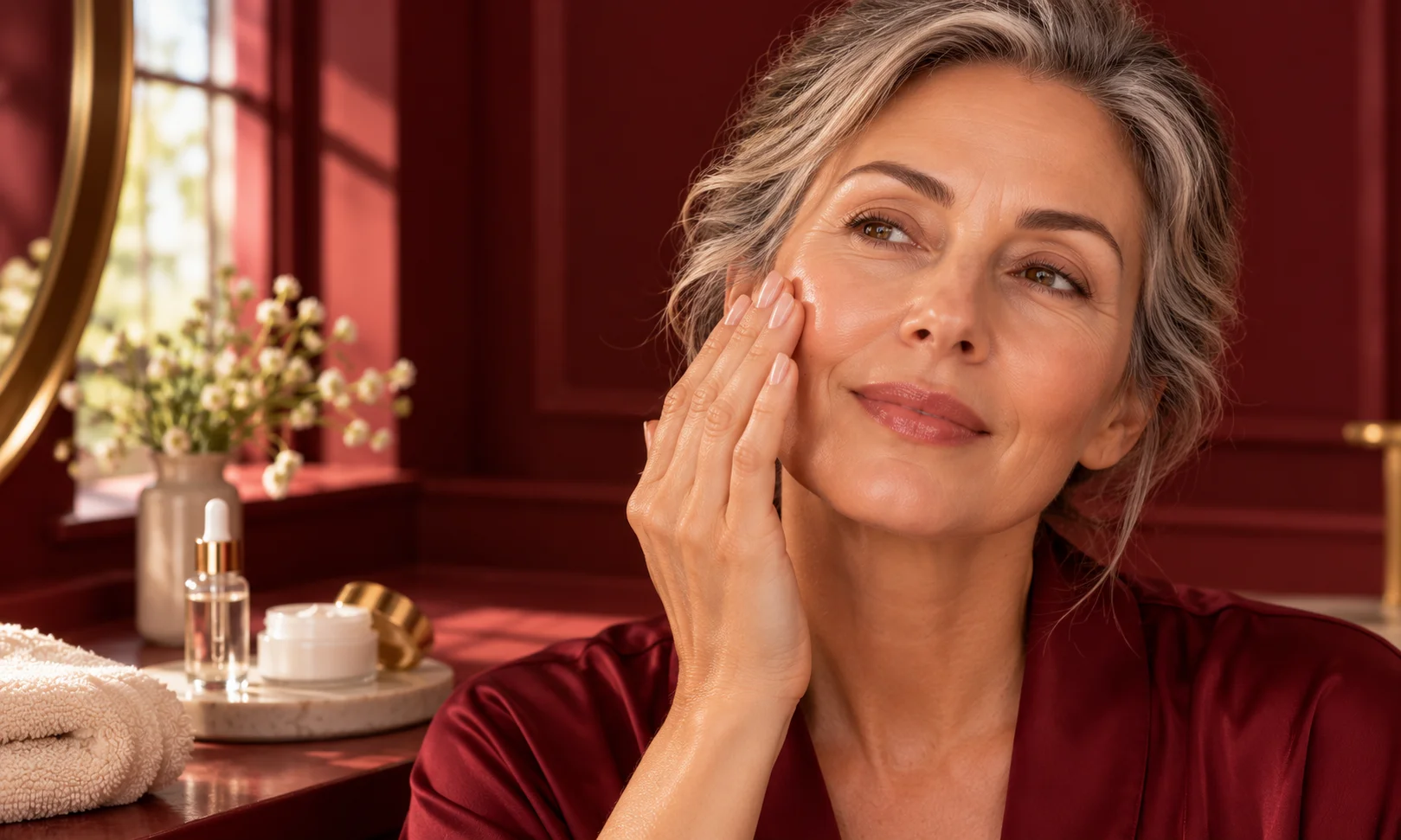
Yes, a peptide serum can be a reasonable option for mature skin, especially if your main concerns are dryness, fine lines, and a loss of smoothness.
As skin ages, it may become drier and more sensitive. A formula that combines peptides with ingredients such as glycerin, hyaluronic acid, or ceramides may help address some of these concerns by supporting hydration and the skin barrier.
This is why a peptide serum for mature skin should be chosen according to the skin’s actual needs. If your skin feels tight after washing, hydration may be the first thing to improve. If uneven texture is your main concern, another ingredient may be more useful.
You do not need to wait until you have deep wrinkles to consider peptides. However, there is also no need to start using several anti-aging products simply because they are popular.
How to Choose the Right Peptide Serum
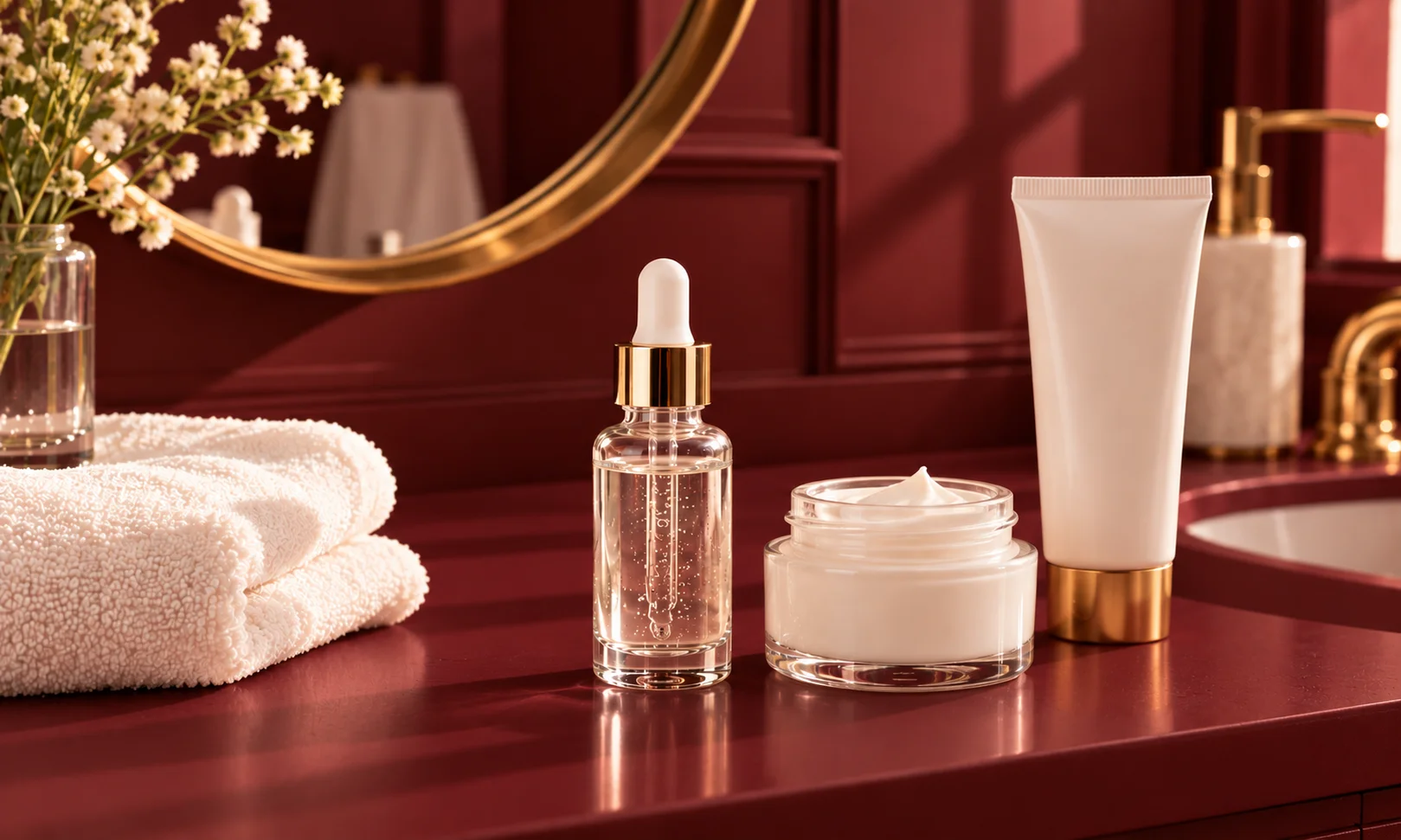
A good skincare purchase starts with the ingredient list and the concerns you want to address. A higher price or a longer list of peptides does not automatically mean better results.
Look for Suitable Peptide Types
Different peptides have different roles in cosmetic formulations. You may see these names on product labels:
- Signal peptides: Studied for their potential to influence processes involved in skin structure and collagen production.
- Copper peptides: Peptides that bind copper and are studied for their potential role in skin repair and skin-supporting processes.
- Carrier peptides: Designed to help deliver certain trace elements, such as copper, within a formulation.
- Neurotransmitter-related peptides: Used in some products to target the appearance of expression lines, although their effects should not be compared with injectable treatments.
These categories can overlap, and the names alone do not tell you how well a product will perform. The finished formula and supporting evidence matter more than impressive packaging.
Check the Other Ingredients
Peptides are only one part of a serum. Supporting ingredients can make a real difference to how comfortable and hydrated your skin feels.
Look for glycerin or hyaluronic acid if dryness is your main concern. Ceramides can help support the skin barrier, while a gentle, fragrance-free formula may be preferable if your skin reacts easily to new products.
You do not need the most expensive serum on the shelf. Choose one that suits your skin type, fits your budget, and comes from a brand that clearly lists its ingredients.
How to Use a Peptide Serum in Your Routine
Using a peptide serum does not need to involve a long morning or evening routine. Consistency and gentle skincare are usually more useful than adding too many products at once.
In the morning:
- Wash your face with a gentle cleanser.
- Apply the peptide serum according to its instructions.
- Follow with a moisturizer to help retain hydration.
- Finish with broad-spectrum sunscreen rated SPF 30 or higher.
In the evening:
- Cleanse your face to remove sunscreen, makeup, and daily buildup.
- Apply the peptide serum to clean skin as directed.
- Use a moisturizer that suits your skin type.
Start with the frequency recommended on the product label. If you have sensitive skin, test a small amount on an inconspicuous area before applying it across your face. Stop using it if you develop persistent redness, itching, or irritation.
Can You Combine Peptides With Other Skincare Ingredients?
Peptides can often fit alongside common skincare ingredients, including moisturizers, hyaluronic acid, and niacinamide. However, compatibility depends on the specific products and their formulations.
If you use retinol or exfoliating acids, introduce products gradually to reduce the chance of irritation. Some copper peptide formulas may have specific compatibility instructions, so check the manufacturer’s guidance rather than assuming every combination will work.
You do not need to use every popular ingredient together. A gentle cleanser, moisturizer, sunscreen, and one targeted serum can be a sensible starting point.
How Long Does a Peptide Serum Take to Work?
There is no single timeline that applies to every peptide serum. You may notice a more hydrated appearance relatively quickly if the formula contains effective moisturizing ingredients. Changes in fine lines or skin texture, if they occur, generally require consistent use over several weeks or longer.
Keep in mind that early improvements in plumpness may come mainly from hydration rather than a measurable increase in collagen. More substantial changes in firmness are harder to achieve with topical skincare alone.
Give a new product a reasonable trial period, follow its directions, and pay attention to how your skin responds. Taking photographs in similar lighting can help you judge changes more fairly than checking the mirror several times a day.
What Are the Limitations of Peptide Serums?
Peptide serums can be useful, but they are not miracle treatments. Research on topical peptides has limitations, including differences in peptide types, product formulations, study methods, and the number of people studied.
A product that works well for one person may do very little for someone else. Peptides also cannot replace sun protection, and they are unlikely to produce dramatic lifting or erase deep wrinkles.
For everyday skin aging, dermatologists recommend starting with sunscreen and moisturizer before building a more complex routine. Retinoids may also help improve fine lines and skin texture, although they can cause irritation and are not suitable for everyone.
At Daithpiercing, the practical approach is to treat peptide skincare as one possible part of a routine, not a shortcut to younger-looking skin. Choose products based on ingredients, realistic claims, and your own skin concerns rather than marketing alone.
Frequently Asked Questions
1. Do peptide serums really make skin look plumper?
They may help skin look plumper, especially when the serum contains hydrating ingredients. Improvements in hydration can soften the appearance of fine lines, although this does not necessarily mean collagen levels have increased.
2. Is peptide serum good for wrinkles?
Peptide serums may help improve the appearance of fine lines, depending on the formula. However, evidence for topical peptides is still limited, and they should not be expected to eliminate deep wrinkles.
3. Can I use peptide serum every day?
Many peptide serums are designed for daily use, sometimes once or twice a day. Follow the instructions on your particular product and reduce use or stop if irritation develops.
4. Is peptide serum suitable for mature skin?
Yes, it can be suitable for mature skin, particularly when dryness and fine lines are concerns. Look for a formula that also supports hydration and suits your skin’s sensitivity.
5. Can I use peptide serum with retinol?
Many people can use peptides and retinol in the same routine, but the exact combination depends on the formulas and your skin’s tolerance. Introduce products gradually and use moisturizer to help manage dryness or irritation.
6. Should I use peptide serum before or after moisturizer?
A common approach is to apply the serum after cleansing and before moisturizer. This allows you to layer a lightweight product first and then use moisturizer to help reduce water loss. Always follow the product’s directions.
Disclaimer
This article is for general educational purposes and is not a substitute for personalized medical advice. Skincare results vary depending on the formula and individual skin needs. If you have persistent irritation, a skin condition, or concerns about an appropriate anti-aging treatment, consult a qualified dermatologist.