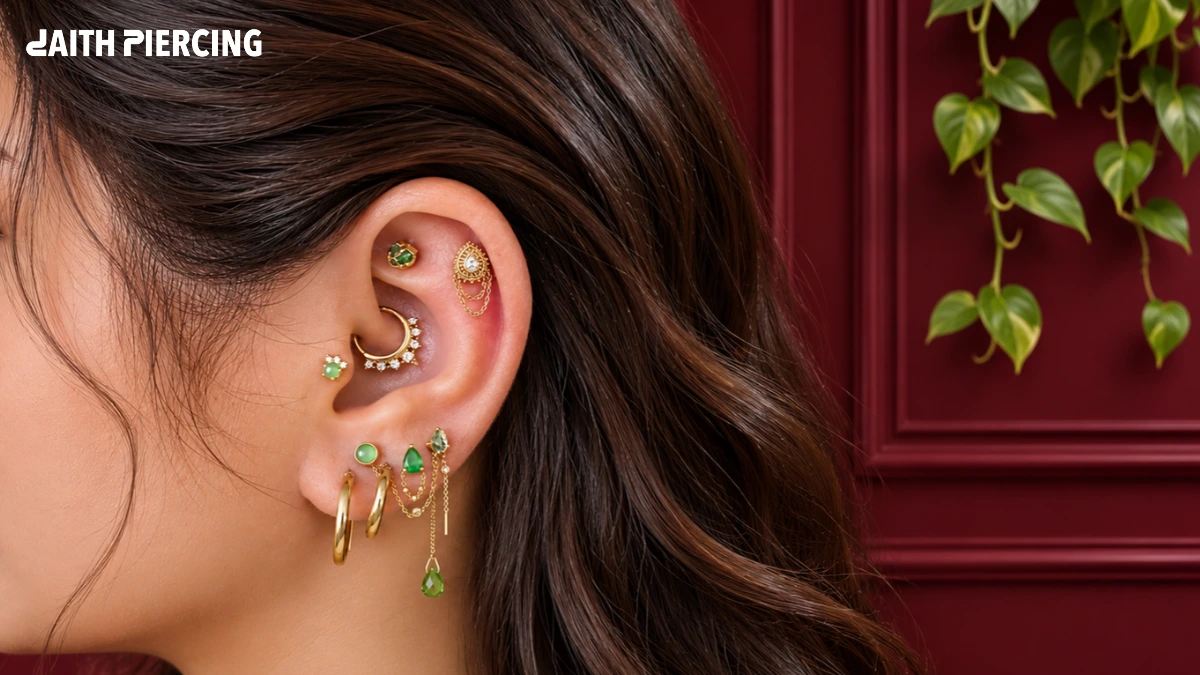
The best BVLA pieces for a curated ear share a personality that no other house in fine body jewelry quite matches: they are made like traditional fine jewelry, then engineered to survive a body.
Where some premium brands lead with fashion and polish, this Los Angeles workshop leads with the bench. Solid gold formed and finished by hand, stones set the way jewelers set them, and a made to order culture that treats every piece as a small commission rather than a product.
Collectors describe the difference the way wine people describe terroir. The metal feels denser. The settings feel older, in the good way.
This list gathers the ten archetypes our editors return to most, chosen by the standards that govern everything on this site: the ten second quality test, the friction map method, and the thousand day rule. As always, these are archetypes rather than catalog numbers, because the line evolves while good design logic endures.
1. The Seamless Gold Hoop
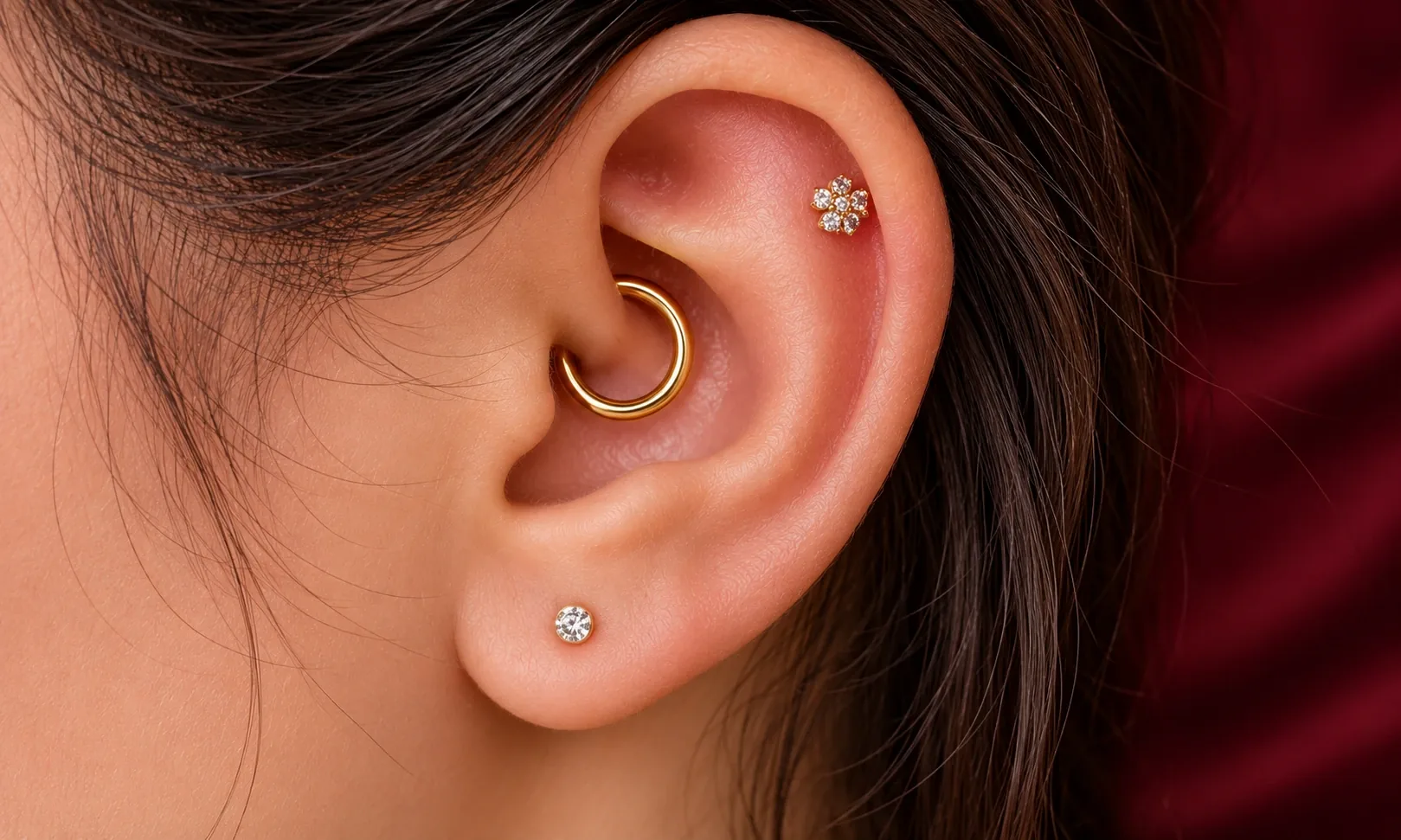
The foundation of the entire house reputation. Hand formed solid gold hoops with seams that pass the fingernail test like a rumor rather than a fact. If you have read our best daith clickers roundup, you know the Invisible Everyday archetype. This is that archetype at its most refined.
Buy the plain version first. It will outlast every trend in your collection and teach your ear what hand finished actually feels like.
2. The Marquise Fan End
The house signature that piercers recommend when a client says I want something that looks like jewelry my grandmother would respect. A fan of marquise cut stones arranged like a small crown. It is the most recognizable design language the workshop produces, and it earns its recognition daily.
Note what it demands: a healed piercing, a professional installation, and an ear plan, because a piece this articulate wants quieter neighbors. Build around it, not over it.
3. The Bezel Set Solitaire
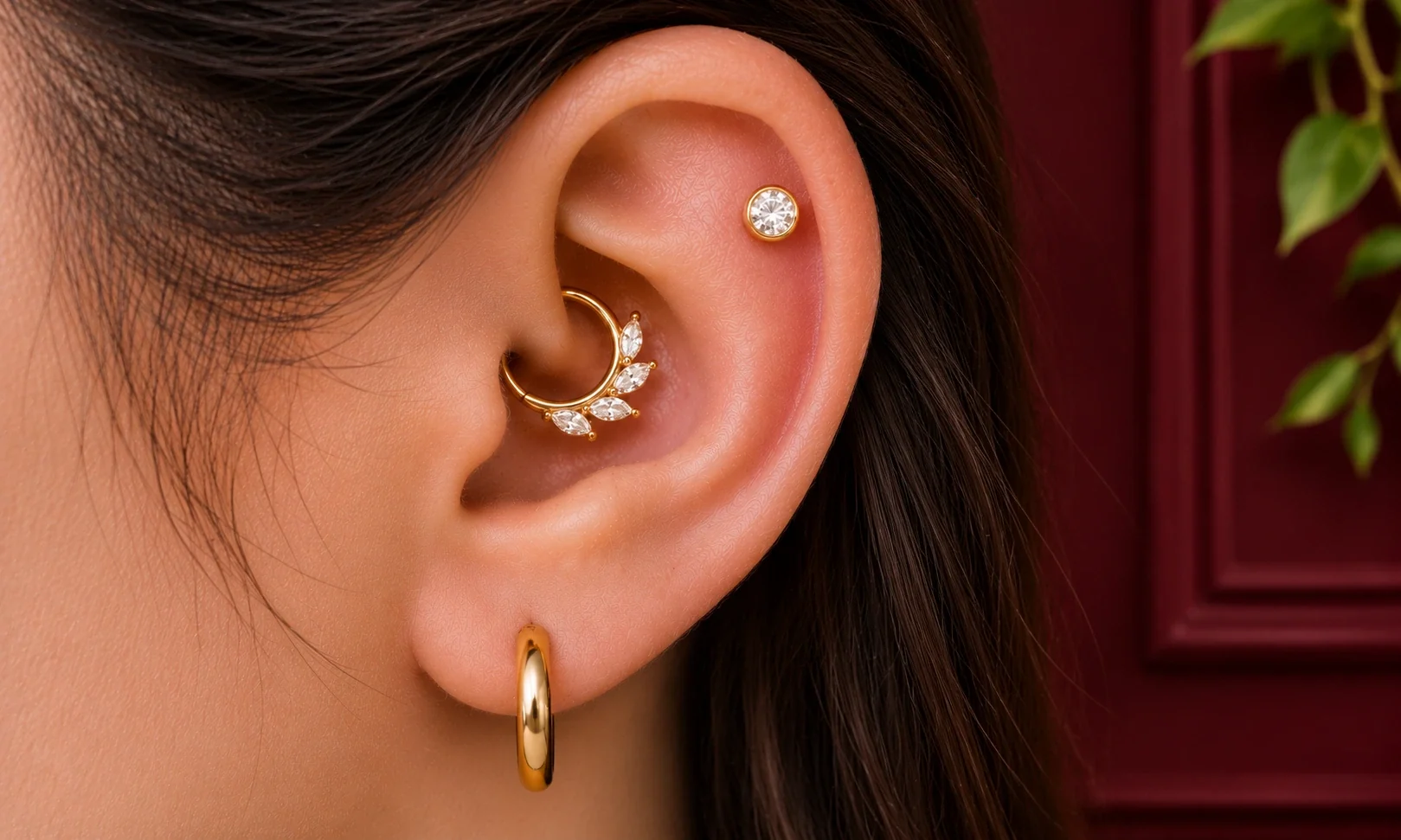
One stone, held low and smooth in a bezel that wraps it completely. No prongs to catch, no height to knock, just light held in gold. For daiths, rooks, and lobes alike, this is the piece that converts people who thought they disliked gemstone body jewelry.
The bezel setting here is the point. It is traditional jewelry technique applied to a curved piece, and it is genuinely harder than it looks, which is part of what the premium buys.
4. The Threadless Labret End
The practical masterpiece of the line. A threadless post that clicks into place with finger pressure alone, wearing smoother than any threaded system and sparing your cartilage years of screw related irritation. Pair the end with a genuine opal, a small diamond, or plain gold.
Collectors own more of these than anything else, usually across several piercings, because the system rewards repetition. Learn it once and your whole ear benefits.
5. The Opal Cluster
Opal set the way this workshop sets it, with the stone’s fire protected and its color allowed to move. The cluster format gives opal a presence that single settings cannot, and against yellow gold the effect is warm and slightly vintage.
Treat it as an occasion leaning piece unless your life is gentle. Opal rewards care with decades of shifting color.
6. The Custom Commission End
The house’s made to order soul expressed as a single object: your stone, your metal, your shape, built from a conversation with a jeweler. This is the Commission archetype from our roundups, executed by a workshop that treats custom work as its default rather than its exception.
Expect a real wait, expect a deposit, and expect the result to become the piece other pieces orbit around. Our article on what makes fine jewelry expensive explains exactly what the waiting buys.
7. The Curved Barbell
For rooks and certain daith anatomies, the curved barbell is the comfort king, and this workshop’s version sets the reference standard. The curve follows the channel, the polish erases friction, and the ends dress it up or down.
If a straight post ever felt like it was arguing with your anatomy, this is the peace treaty.
8. The Diamond Pavé Band
A ring carrying pavé set diamonds with the density and discipline of an engagement band. Worn in a daith or helix, it reads as fine jewelry that happens to live in an ear, which is precisely the point of the house.
Score it on your friction map with honesty: it is an evening piece. Worn where it belongs, few things photograph better.
9. The Gemmed Clicker
The house’s clickers carry the same hand finished engineering as their hoops, with stone settings laid along the visible curve. For a healed daith that wants one piece doing the work of three, this archetype is the answer.
Run the point and seam checks from our buyer’s guides on any clicker candidate, this house included. The brand raises the floor, but your own eyes remain the final inspection.
10. The Heirloom Stud
A single fine stud, sized small and finished to a standard that flatters under a loupe. It is the piece you buy when you want one object that works at every age, every job interview, every photograph for the next thirty years.
Everything this workshop believes is compressed into this stud. If you understand why it costs what it costs, you understand fine body jewelry itself.
Two houses, two philosophies
Readers often ask how this house compares to the most famous name in the category, and the answer is a difference of temperament rather than quality. Our Maria Tash edit profiles the fashion forward polish, the boutiques, the styling consultations. This house is the jeweler’s choice: bench made, made to order, stone driven, patient. Many serious collectors eventually own both, the way a wardrobe holds both a tailored blazer and a perfect vintage find. Neither replaces the other. They answer different hungers.
What to know before you buy
Three things. First, made to order means real lead times, so plan around them, especially for gifts, and remember the certificate route from our holiday gift guide if timing is tight. Second, buy through the workshop or an authorized stockist, because the house’s reputation has attracted copies, and the hinge never lies about provenance. Third, let the piece’s engineering justify the premium, not the name, exactly as our ordering red flags guide teaches for every purchase on this site.
The last thing I will tell you
There is a particular pleasure in wearing something made slowly in a small workshop by people whose names you will never know. It changes your relationship with the object from owning to stewarding. That is the quiet promise behind every pick on this list, and it is why collectors who start here rarely leave. Buy one piece well. Feel the difference in a year. Then decide what the second should be.
Frequently asked questions
Is BVLA jewelry worth the price?
For buyers who value bench made construction, traditional stone setting, and made to order craftsmanship, usually yes. The premium buys hand work and setting quality you can verify with the ten second test. If you primarily want fashion forward styling, compare with our Maria Tash edit before deciding.
Which BVLA piece should I buy first?
The seamless gold hoop or the threadless labret end. Both are daily pieces that introduce the house’s engineering at its most accessible, and both remain useful forever as your collection grows.
How long does BVLA jewelry take to arrive?
Made to order pieces commonly take weeks to a few months depending on complexity and demand. Plan ahead for gifts, or use the gift certificate route so the recipient participates in the timing and the choice.
How do I avoid fake BVLA jewelry?
Buy from the workshop directly or from stockists the brand recognizes, and treat prices far below normal as evidence of a copy. Verify hinge, seam, and setting quality on arrival using the tests throughout this site.
How does BVLA fit into a larger ear plan?
Usually as the stone and heirloom layer: basics first, house pieces where the craftsmanship shows most. The full composition strategy lives in our daith jewelry pillar guide.