Having Daith Piercing Jewelry Stuck can be stressful, especially when the jewelry will not turn, open, or move the way it normally does. It is tempting to grab a tool and force it out, but that can turn a small jewelry problem into a painful piercing injury.
The safest approach depends on why the jewelry is stuck. It may simply be tight, covered with dried discharge, swollen tissue, or difficult to reach because of the location of the daith. In some cases, the jewelry can become embedded in swollen tissue and needs professional or medical help.
This guide from daithpiercing explains what you can safely try at home, when you should stop, and when a professional piercer or healthcare provider should remove the jewelry.
Key Takeaways
- Do not force stuck daith jewelry.
- Wash your hands before touching the piercing.
- Use sterile saline to soften surface buildup.
- Never use pliers, scissors, or sharp objects.
- Do not pull jewelry through swollen or embedded tissue.
- Avoid removing jewelry yourself if an infection may be present.
- Ask a professional piercer to handle difficult jewelry removal.
- Seek medical care for severe swelling, worsening pain, heavy discharge, fever, or embedded jewelry.
- Remember that even healed piercings can shrink quickly after jewelry removal.
Why Does Daith Piercing Jewelry Get Stuck?
There are several reasons your daith jewelry may feel stuck. Sometimes the problem is simple buildup around the jewelry. During healing, a piercing can produce dried lymph and other normal secretions that form crust around the jewelry.
Swelling can also make jewelry feel much tighter than usual. If the jewelry was already a close fit, even a small amount of swelling may make it difficult to move.
Another common issue is the jewelry mechanism itself. Some daith rings have hinged sections, threaded ends, or other closures that can be difficult to see and reach inside the ear.
The jewelry may also be difficult to move because the piercing is irritated. The Association of Professional Piercers advises against forcing jewelry that does not move freely, even in a healed piercing.
First, Do Not Force the Jewelry
The most important rule is simple: do not force stuck daith jewelry. Pulling, twisting aggressively, or repeatedly trying to open the ring can damage the piercing channel. It can cause bleeding, swelling, small tears, or additional irritation.
You should also avoid using household tools such as pliers, scissors, tweezers, or nail tools. These are not designed for piercing jewelry and can introduce bacteria or put too much pressure on delicate cartilage.
Rotating or spinning jewelry is also not recommended as a way to loosen a healing piercing. Modern piercing aftercare guidance recommends leaving the jewelry alone rather than repeatedly moving it.
How to Safely Try Removing Stuck Daith Jewelry
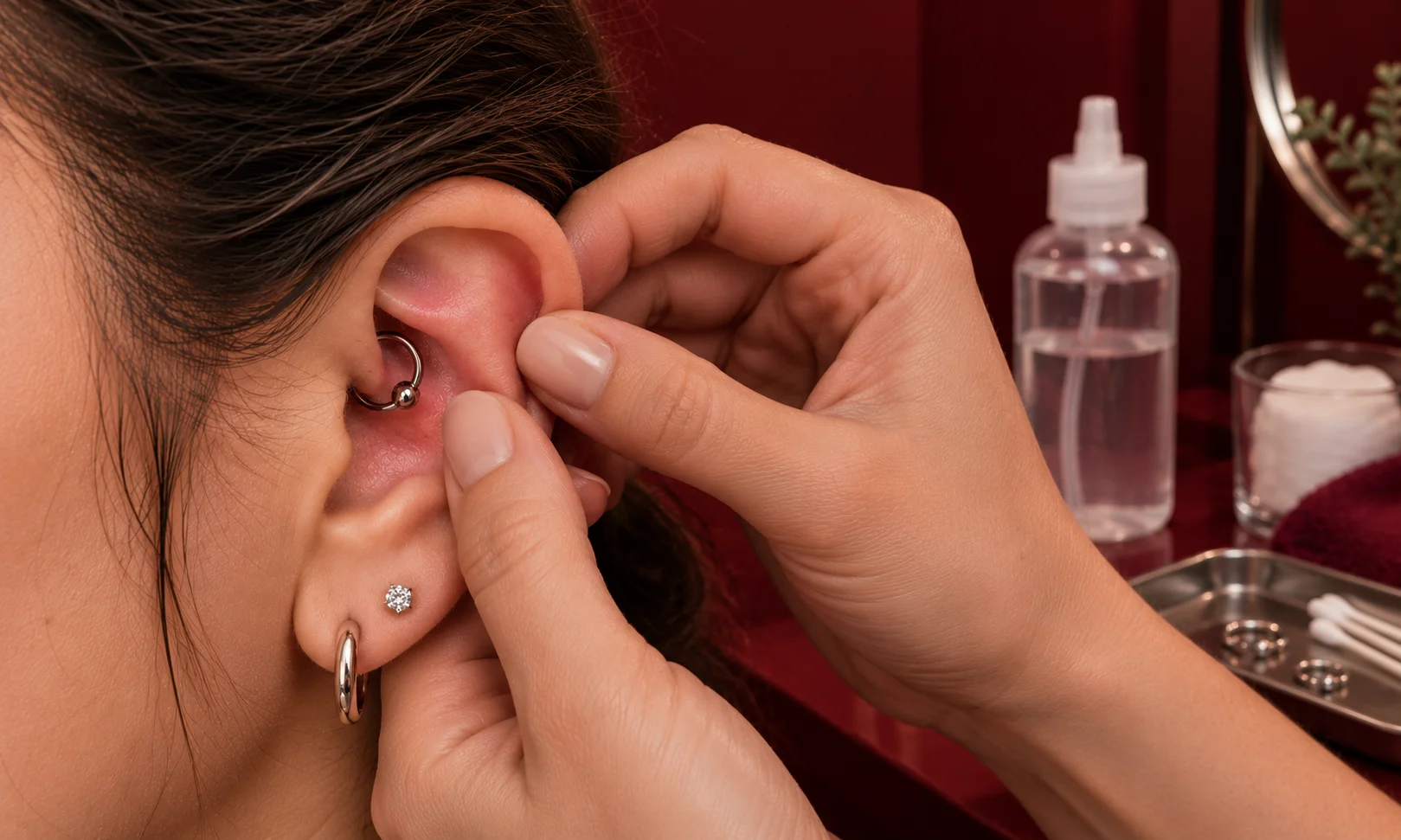
If the piercing is fully healed, there is no significant swelling, and the jewelry is simply difficult to open, you can try a gentle approach.
Wash Your Hands First
Start by washing your hands thoroughly with soap and water. Dry them with a clean towel or disposable paper product. Do not touch the jewelry with dirty hands. Even a healed piercing can become irritated when bacteria or dirt are introduced around the opening.
Soften Any Crust
If dried discharge is holding the jewelry in place, do not pick it off with your fingernails. Instead, rinse the area gently with clean water or use sterile saline wound wash. The Association of Professional Piercers recommends sterile saline containing 0.9% sodium chloride as the only active ingredient for routine piercing aftercare. Allow the crust to soften naturally. Never scrape it away.
Check the Closure Carefully
Once the area is clean, look closely at the jewelry. A mirror with good lighting can make this much easier. Try to identify what type of closure you have. A hinged ring, clicker, captive bead ring, or threaded piece will not open in the same way.
If you cannot clearly see how the jewelry opens, stop guessing. Trying to bend or twist a mechanism you do not understand can damage both the jewelry and your piercing.
Try Only Gentle Movement
If the jewelry is clearly designed to open with gentle pressure and the piercing feels comfortable, you can attempt to open it carefully. There should not be sharp pain, strong resistance, or bleeding.
If it does not open with reasonable pressure, stop. A professional piercer can usually identify the jewelry style quickly and use the correct tools to remove it without unnecessarily traumatizing the piercing.
What If the Jewelry Is Embedded?
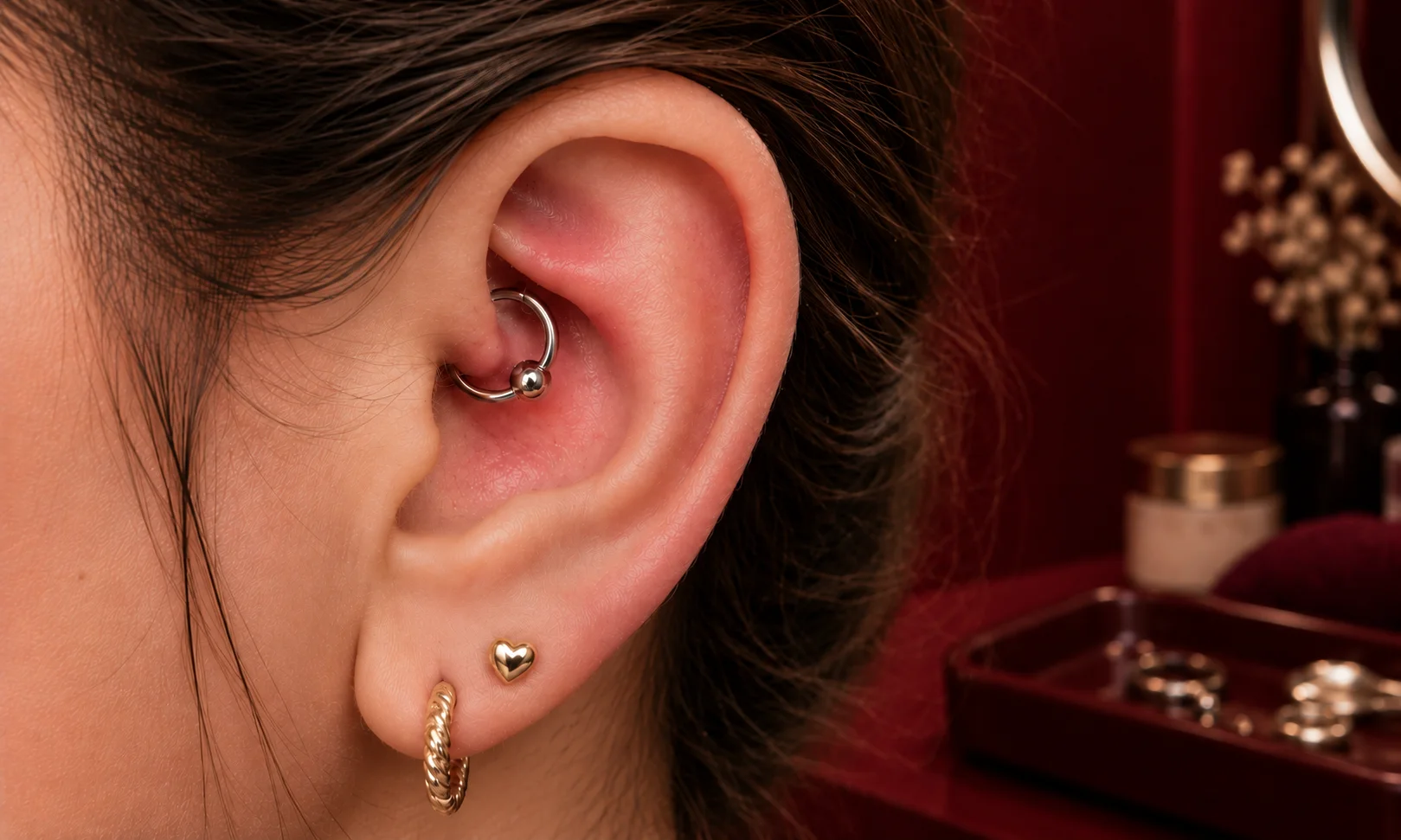
Embedded jewelry is different from jewelry that is simply difficult to open. If skin appears to be growing over part of the jewelry, the jewelry is disappearing into swollen tissue, or you cannot see part of the ring that was previously visible, do not try to pull it through the skin.
Cleveland Clinic advises seeking healthcare help when ear jewelry becomes embedded.
This is especially important with cartilage piercings because aggressive removal can create additional tissue damage.
A healthcare professional can determine whether medical removal is needed. A qualified piercer may also be able to assess jewelry fit, but significant embedding, severe swelling, or suspected infection should involve medical care.
Should You Remove It If the Daith Is Infected?
This is where many people make a mistake. If you suspect an infection, do not automatically remove the jewelry yourself. The Association of Professional Piercers explains that removing jewelry while an infection is present can sometimes allow the surface to close and trap infection inside, potentially contributing to an abscess. It recommends discussing jewelry removal or replacement with a healthcare professional when infection is suspected.
Possible warning signs include increasing redness, significant swelling, worsening pain, thick or foul-smelling discharge, red streaks, fever, chills, nausea, or symptoms that continue or become worse. If these symptoms are present, getting medical advice is more important than getting the jewelry out quickly.
When Should a Professional Piercer Remove It?
A professional piercer is often the best choice when the jewelry is stuck, but there is no obvious medical emergency.
Consider professional removal if:
- You cannot identify the jewelry closure.
- The jewelry will not open with gentle handling.
- The piercing is difficult for you to reach.
- The jewelry feels unusually tight.
- You are worried about damaging the piercing.
- The piercing is still healing.
- You want to change the jewelry but cannot remove the current piece.
A reputable professional piercer should have appropriate jewelry, sterilization equipment, and experience with different jewelry styles. The Association of Professional Piercers recommends seeking a qualified piercer for jewelry changes during healing.
For a healing daith, professional help is particularly useful because removing the jewelry unnecessarily can allow the piercing channel to shrink quickly.
What You Should Not Use on a Stuck Daith
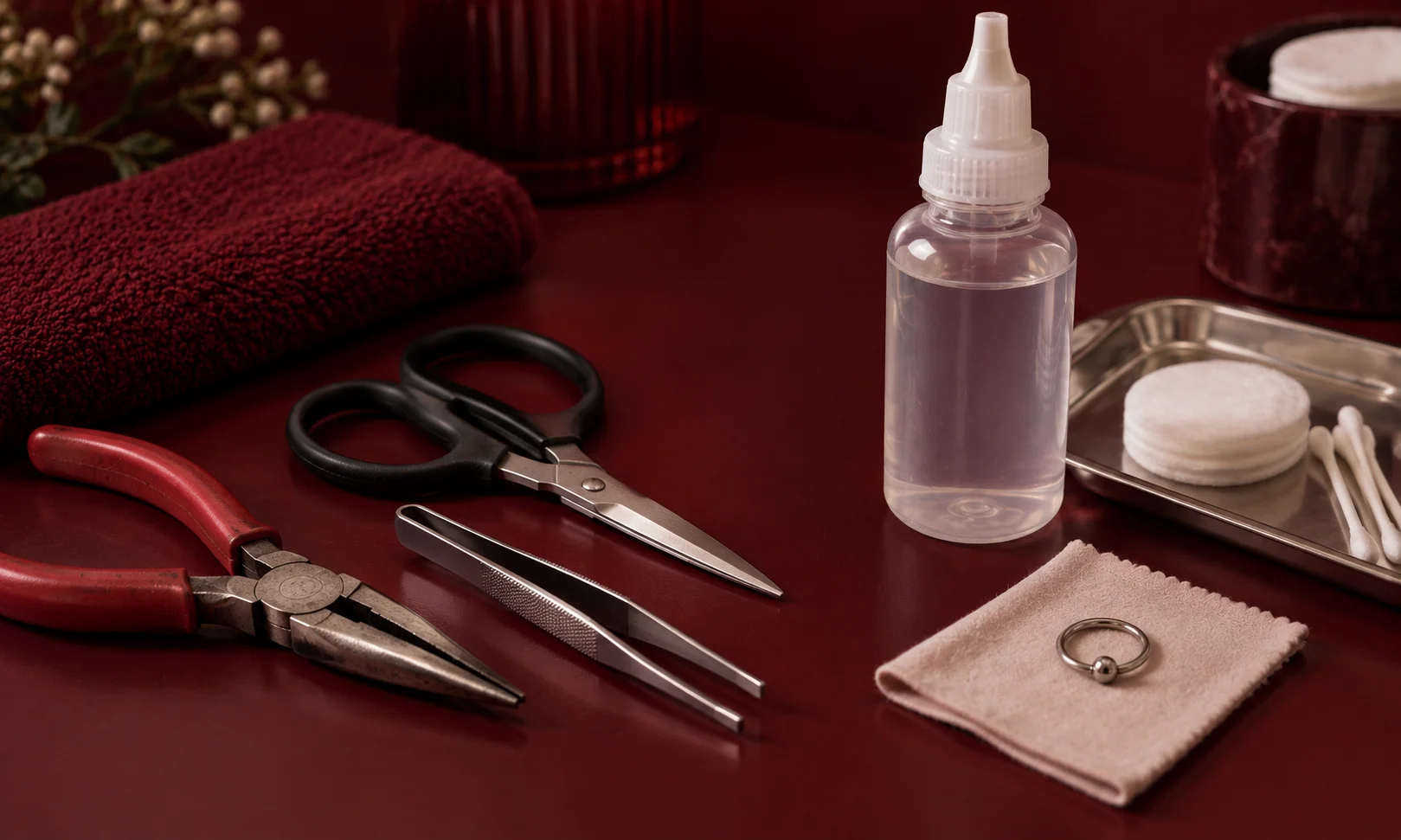
A stuck piercing can make people reach for almost anything that might make the jewelry move. That is usually where the situation gets worse.
Avoid:
- Pliers or household tools
- Sharp objects
- Alcohol
- Hydrogen peroxide
- Undiluted essential oils
- Harsh scrubs
- Excessive twisting
- Forceful pulling
- Picking at crust
- Trying to cut the jewelry yourself
Harsh products can irritate healing tissue, while excessive handling can cause additional trauma. Simple aftercare is generally the better approach. The APP specifically recommends sterile saline and advises against unnecessary movement of healing jewelry.
How to Prevent Daith Jewelry From Getting Stuck
Prevention starts with choosing suitable jewelry and avoiding unnecessary handling. During healing, leave the jewelry in place unless a qualified professional recommends a change. Keep your hands clean before touching the area, and clean it according to appropriate aftercare guidance.
Do not deliberately spin the jewelry every day. Older piercing advice sometimes suggested rotation, but current guidance does not recommend it because unnecessary movement can irritate healing tissue.
It is also useful to have a professional check the jewelry fit if it repeatedly feels too tight. Jewelry that is too close to the tissue can make cleaning difficult and may contribute to irritation.
What If You Want to Remove the Daith Permanently?
If your daith is fully healed and you no longer want the piercing, you can have the jewelry removed by a professional piercer. Keep in mind that piercing openings can shrink quickly after jewelry is removed. The Association of Professional Piercers notes that even healed piercings can close or become difficult to reinsert jewelry into surprisingly quickly.
If you are unsure whether you want to keep the piercing, do not remove the jewelry simply because it feels slightly tight. A professional can check the piercing and help you decide whether the jewelry itself needs changing.
What Professional Guidance Says
Safe piercing advice should come from reliable professional and medical guidance rather than random online tricks. The Association of Professional Piercers recommends gentle aftercare, clean hands, sterile saline, and avoiding unnecessary jewelry movement. It also advises professional help for jewelry changes during healing and medical attention when serious symptoms appear.
Medical guidance also supports getting professional help when ear jewelry becomes embedded or when symptoms such as increasing redness, swelling, pain, or abnormal discharge suggest infection. The main lesson is simple: a stuck daith should never become a reason to force the jewelry out.
FAQs
Can I remove stuck daith jewelry myself?
If the piercing is completely healed and the jewelry has a closure that is difficult to operate, you may be able to remove it gently. However, if it does not open easily, stop instead of forcing it. A professional piercer can remove difficult jewelry more safely.
Why will my daith jewelry not move?
Crust, swelling, irritation, tight jewelry, or the jewelry’s closure mechanism can make it difficult to move. A healed piercing also does not need to move freely. Do not force it simply because it feels fixed in place.
What should I do if my daith jewelry is stuck in swollen skin?
Do not pull it out yourself. If the jewelry is becoming embedded or disappearing into swollen tissue, contact a healthcare professional. Embedded ear jewelry may require professional removal.
Can I use Vaseline or oil to loosen stuck daith jewelry?
It is better not to use random oils or products to force jewelry through a piercing. If crust is causing the problem, sterile saline can help soften buildup. If the jewelry remains stuck, professional removal is safer.
Should I remove daith jewelry if I think it is infected?
Do not automatically remove it yourself. Removing jewelry during an infection can sometimes trap infection inside the piercing channel. Speak with a healthcare professional about the appropriate next step.
When should I see a doctor for a stuck daith?
Seek medical attention if the jewelry is embedded or if you have severe redness, swelling, worsening pain, thick or foul-smelling discharge, red streaks, fever, chills, nausea, or other symptoms that suggest a significant infection.