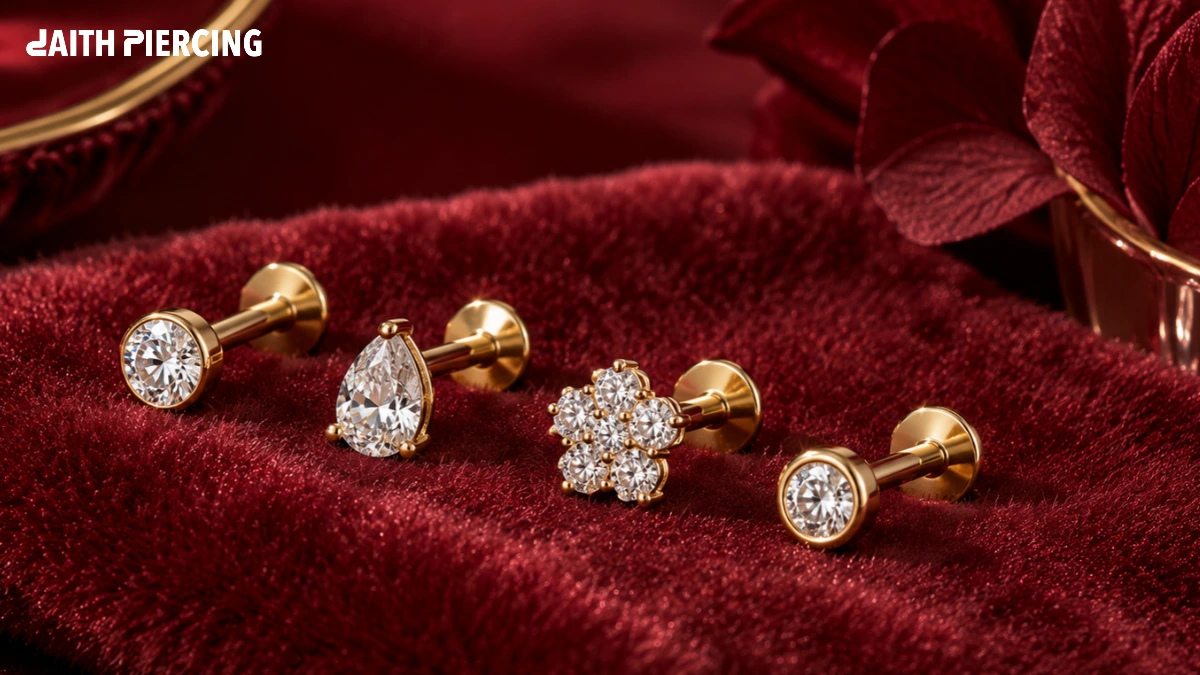
Dermal Piercing Jewelry Diamonds brings together the sparkle of fine gemstones and the distinctive look of a single-point piercing. A tiny diamond set in gold can create an elegant accent on the cheekbone, collarbone, or chest without the appearance of a traditional hoop or dangling earring.
Unlike conventional ear or nose piercings, a dermal piercing uses an anchor positioned beneath the skin, with a decorative top visible on the surface. This makes choosing diamond jewelry about more than appearance. The material, setting, size, and compatibility with the anchor all matter.
Whether you prefer a single brilliant diamond, a delicate floral design, or a minimalist gemstone, there are several styles worth exploring. Here’s what to know about diamond dermal piercing jewelry, including materials, prices, popular designs, and buying tips.
What Is Diamond Dermal Piercing Jewelry?
Diamond dermal piercing jewelry is a decorative top featuring a diamond held in a small setting. Depending on the design, the top may be made from solid gold or another suitable jewelry material and fitted to a compatible dermal anchor.
The jewelry typically has two components:
- Dermal anchor: The base positioned beneath the skin that holds the jewelry in place.
- Diamond top: The visible decorative piece containing the diamond.
Some products include both components, while others sell only the decorative top. Always check the product description before buying.
For a new piercing, verified implant-grade titanium is a common material to discuss with a professional piercer. The visible diamond top may use suitable solid gold or another professionally approved material, depending on the design and healing stage.
Best Diamond Dermal Piercing Jewelry Styles
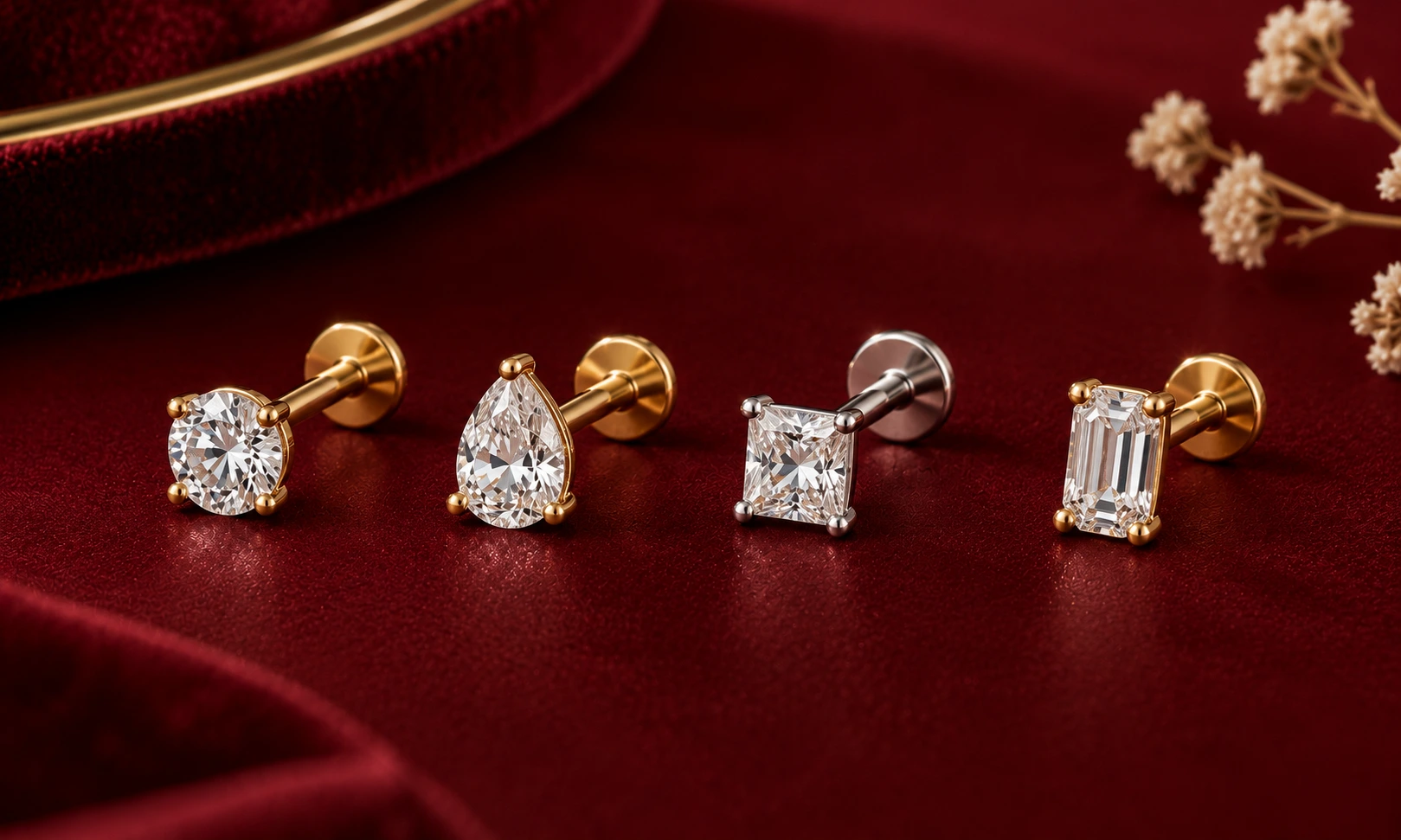
1. Round Diamond Dermal Top
A round diamond is a classic option for anyone who prefers a clean, understated appearance. Its symmetrical shape creates a concentrated point of sparkle without requiring an elaborate setting.
This style works well for people who want a subtle accent rather than a large piece of jewelry. The final appearance depends on the stone’s diameter, the setting height, and the piercing’s placement.
2. Pear-Shaped Diamond Dermal Jewelry
Pear-shaped diamonds feature a rounded end and a pointed tip, creating a teardrop silhouette. This design offers a distinctive alternative to the traditional round stone.
Because the stone has a pointed end, look for a professionally finished setting that protects the tip and avoids exposed sharp edges.
3. Princess-Cut Diamond Dermal Top
Princess-cut diamonds have a square or rectangular outline and a modern appearance. A small princess-cut stone can create a geometric look that differs from the softer shape of a round diamond.
Check the overall profile of the setting before purchasing. A raised design may be more likely to catch on clothing or other objects.
4. Emerald-Cut Diamond Dermal Jewelry
Emerald-cut diamonds feature a rectangular shape and step-cut facets. Their appearance is more structured and understated than the intense sparkle associated with many brilliant cuts.
This style may appeal to people who prefer clean lines and a refined design. Since small stones can look different from larger examples, check the actual measurements rather than relying only on product photographs.
5. Diamond Cluster Dermal Top
A diamond cluster combines several small stones in one decorative setting. Popular arrangements include flowers, stars, and compact geometric patterns.
Clusters can create more visible sparkle than a single small stone, but they may also be wider or sit higher above the skin. Choose a design that fits the placement and minimizes snagging.
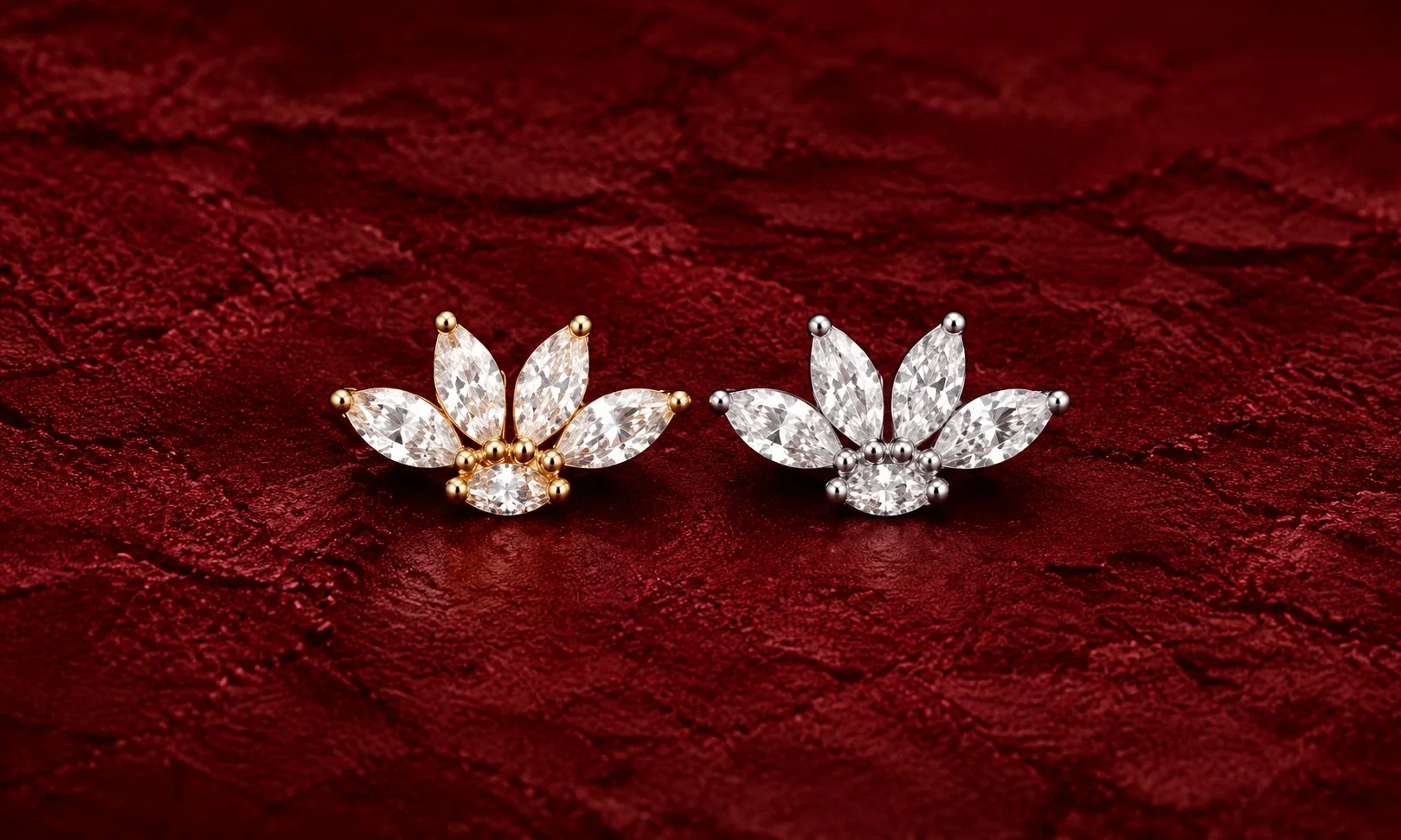
6. Floral Diamond Dermal Jewelry
Floral designs arrange diamonds or other gemstones into a flower-like pattern. Some feature a central stone surrounded by smaller diamonds.
This style suits people who prefer decorative jewelry with a delicate appearance. Make sure the edges are smooth and the stones are held securely.
7. Minimalist Diamond in a Gold Setting
A small diamond set in yellow, white, or rose gold can offer a refined appearance without prominent decorative details.
For a new piercing, the suitability of the setting depends on the metal’s composition, finish, and compatibility with the anchor. Gold-plated jewelry is generally unsuitable for fresh piercings because the coating can wear away.
Natural Diamonds vs. Lab-Grown Diamonds vs. Cubic Zirconia
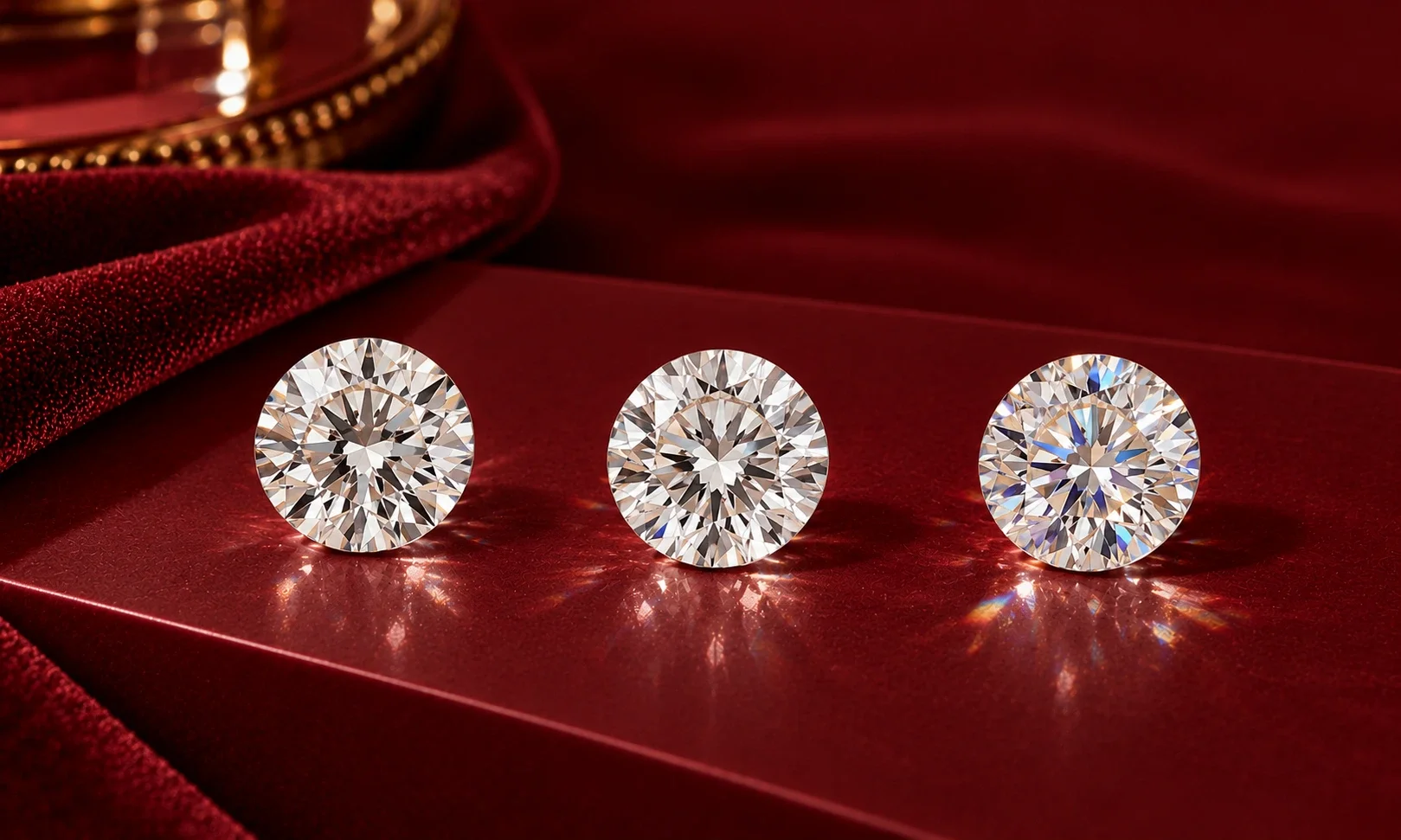
These stones can look similar in small settings, but they are different materials.
| Stone type | Main characteristics | What to consider |
| Natural diamond | Formed naturally and mined | Often costs more than a comparable lab-grown diamond |
| Lab-grown diamond | A real diamond produced in a controlled environment | Usually offers a lower price than a comparable natural diamond |
| Cubic zirconia | A diamond simulant made from a different material | Generally more affordable |
Natural and lab-grown diamonds share the same essential chemical composition and crystal structure. Cubic zirconia is a different material designed to imitate a diamond’s appearance.
For very small dermal jewelry, the setting, finish, and construction can be just as important to the overall appearance as the stone itself.
If authenticity matters to you, ask the seller to identify the stone clearly and provide appropriate documentation. A product described as “diamond look” or “diamond style” may not contain a genuine diamond.
How Much Does Diamond Dermal Piercing Jewelry Cost?
Diamond dermal jewelry can range from relatively affordable designs using diamond simulants to expensive pieces made with natural diamonds and solid gold.
For example, a natural-diamond dermal top in gold with a titanium anchor may be listed for around US$440 by a specialist jeweler. This is an example rather than a standard market price; costs vary according to the stone, metal, design, and available options.
Several factors influence the final price:
- Diamond type: Natural and lab-grown diamonds have different pricing structures.
- Stone size: Larger diamonds generally cost more, although quality and cut also matter.
- Gold purity: The price may differ between 14-karat and 18-karat gold.
- Design complexity: Cluster settings and custom-made pieces may cost more than simple tops.
- Anchor inclusion: Some listings include the anchor, while others sell the decorative top separately.
- Documentation: Details about the diamond’s identity and specifications can help you understand what you are buying.
If ordering internationally, also check shipping charges, import duties, return conditions, and whether the product is compatible with your existing anchor.
Yellow Gold, White Gold, or Rose Gold?
Diamond dermal tops are available in different gold colors, each creating a different appearance.
Yellow Gold
Yellow gold offers a warm, classic look. It pairs well with clear diamonds and colored gemstones and can complement other gold accessories.
White Gold
White gold provides a cooler, silvery appearance. Its alloy composition matters because some formulations contain nickel. If you have a history of metal sensitivity, ask the seller for details about the metal.
Rose Gold
Rose gold has a pinkish tone that creates a softer, distinctive appearance. Its suitability depends on the alloy, surface finish, and jewelry specifications.
Choose the color you prefer, but prioritize verified material quality and professional approval over appearance alone.
How to Choose Safe Diamond Dermal Jewelry
Check Compatibility With Your Anchor
Dermal anchors use specific connection systems and sizes. A top designed for one anchor may not fit another.
Ask your piercer to confirm the correct thread type, size, and compatibility before ordering. Never force a top onto an anchor if it does not fit properly.
Verify the Metal
Look for specific material information rather than vague descriptions such as “premium metal” or “hypoallergenic.”
For titanium, ask whether the jewelry meets an appropriate implant-grade specification, such as ASTM F-136 or ASTM F-67. For gold, check its karat and alloy composition.
Look for a Secure Diamond Setting
The diamond should be held securely, with no loose prongs, sharp edges, or rough surfaces. A low-profile design may be more practical for everyday wear because it can reduce snagging, although placement and fit remain important.
Consider Whether the Piercing Is Healed
Do not change a fresh dermal piercing simply to upgrade its appearance. Disturbing the anchor during healing can irritate the surrounding tissue.
An experienced piercer should determine whether the piercing is ready for a jewelry change and confirm that the replacement top is appropriate.
Buy From a Reputable Seller
Look for clear product photographs, detailed material specifications, transparent return conditions, and reliable information about the diamond.
For expensive natural-diamond jewelry, ask what authenticity documentation is supplied. Do not rely on a low price or attractive product photograph alone.
Dermal Piercing Jewelry Diamonds: Where Can You Wear Diamond Dermal Jewelry?
Diamond dermal tops are used in several placements, depending on individual anatomy and the suitability of the area.
- Cheekbone: A tiny diamond can create a subtle facial accent.
- Collarbone: A small gemstone can complement necklaces and open-neck clothing.
- Upper chest: A diamond top can create a decorative focal point.
- Lower back: Some people choose small gemstone tops as part of a symmetrical design.
Not every placement is equally practical. Areas exposed to frequent friction, clothing pressure, or accidental impacts can be more difficult to heal and maintain. A professional piercer should assess the exact location before proceeding.
How to Care for Diamond Dermal Jewelry
The presence of a diamond does not change the basic care requirements of the piercing.
- Wash your hands before touching the area.
- Clean the piercing according to your piercer’s instructions, using sterile saline wound wash when appropriate.
- Avoid twisting, pulling, or repeatedly moving the top.
- Keep clothing, towels, and accessories from catching on the jewelry.
- Avoid harsh cleaning products unless a healthcare professional specifically instructs you to use them.
- Do not change the jewelry until your piercer confirms that it is appropriate.
If you experience increasing pain, warmth, swelling, spreading redness, or unusual discharge, seek medical assessment. Do not attempt to remove an embedded anchor yourself.
Final Thoughts
Diamond dermal piercing jewelry combines the sparkle of a gemstone with the distinctive appearance of a single-point piercing. From a tiny round diamond to a pear-shaped stone or floral cluster, there are designs to suit different tastes and budgets. If you’re exploring other piercing styles, our guides to helix piercing and daith piercing vs conch can help you compare different looks. You can also complement your personal style with these almond French tip nails.
The best choice is not necessarily the largest or most expensive diamond. Focus on verified materials, a secure setting, a compatible anchor, and a profile suited to the placement. If the piercing is new, let a qualified professional guide your jewelry choice and any future changes.
Would you choose a natural diamond, a lab-grown diamond, or a more affordable cubic zirconia dermal top?
Frequently Asked Questions
Can you get a real diamond in a dermal piercing?
Yes. Some jewelers sell dermal tops featuring natural diamonds set in solid gold and designed for compatible titanium anchors. Verify the stone, metal, and anchor specifications before buying.
Is diamond dermal jewelry expensive?
It can be. Genuine diamond tops in solid gold may cost hundreds of dollars, while lab-grown diamonds and cubic zirconia offer alternatives at different price points. The exact cost depends on the design and materials.
Is a diamond dermal top suitable for a new piercing?
The decorative stone alone does not determine suitability. The entire piece must have appropriate materials, construction, sizing, and compatibility. Ask a professional piercer to select jewelry suitable for the initial piercing.
Can I replace a plain dermal top with a diamond?
Often, yes, if the existing anchor is compatible with the new top and the piercing has healed sufficiently. A professional piercer should confirm the fit and perform the change when necessary.
Is cubic zirconia the same as a diamond?
No. Cubic zirconia is a diamond simulant made from a different material. Natural and lab-grown diamonds are both diamonds, although their origins differ.
Does diamond dermal jewelry come with an anchor?
Some products include both the decorative top and the anchor, while others sell the top separately. Read the product description carefully and confirm compatibility before purchasing.
Disclaimer: This content is for informational and entertainment purposes only and reflects our personal opinions and experiences. We just love to write and share what we observe along the way