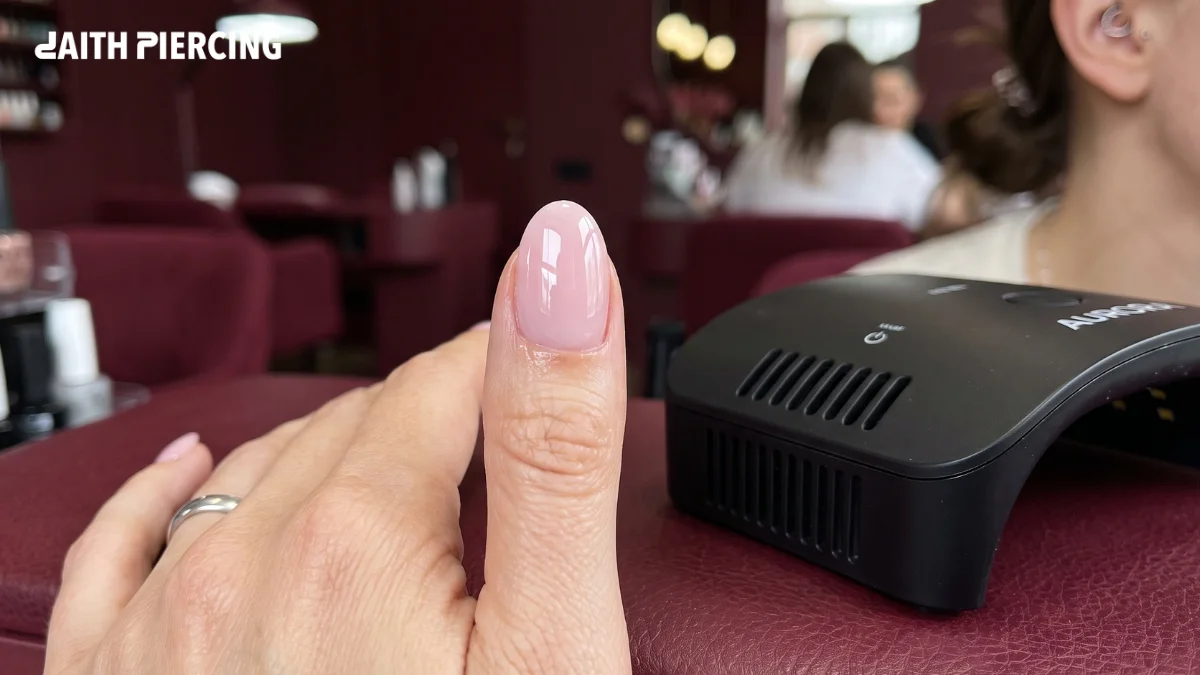
Gel nails offer long-lasting shine, chip resistance, and versatile designs, making them one of the most popular manicure choices in 2026. This guide explains gel nail types, costs, safety, trends, removal, and expert care tips to help beginners and regular users make informed decisions.
Looking for everything you need to know about gel nails in 2026? This guide from Daithpiercing covers nail types, trending designs, costs, safety, removal, and maintenance with expert-backed advice. Whether you visit a salon or prefer DIY manicures, you’ll find practical information to achieve beautiful, healthier gel nails.
Key Takeaways
-
Gel nails typically last 2–3 weeks with proper application and care.
-
Different gel systems suit different needs, including soft gel, hard gel, BIAB, and Gel-X.
-
Safe removal and proper aftercare help minimize nail damage.
-
2026 trends include chrome gel nails, milky gel nails, and minimalist short gel nails.
What Are Gel Nails?
Gel nails are a long-lasting manicure option using a liquid formula based on acrylic oligomers. This product requires exposure to a specialized LED or UV lamp to undergo a chemical process called curing. Unlike regular nail polish that dries through evaporation, gel polish hardens into a durable, glossy polymer film within seconds under the light.
You can get gel manicures at a professional salon or apply them at home using specialized DIY kits. The main benefits include instant drying times, an ultra-glossy finish, and exceptional resistance to chipping.
This system is the ideal choice for individuals who want their nail color to remain flawless for weeks. It suits busy professionals, people who work frequently with their hands, and anyone tired of regular polish chipping after just two days.
Types of Gel Nails You Should Know in 2026
Navigating the nail landscape requires understanding the specific systems available in modern salons.
Soft Gel Nails
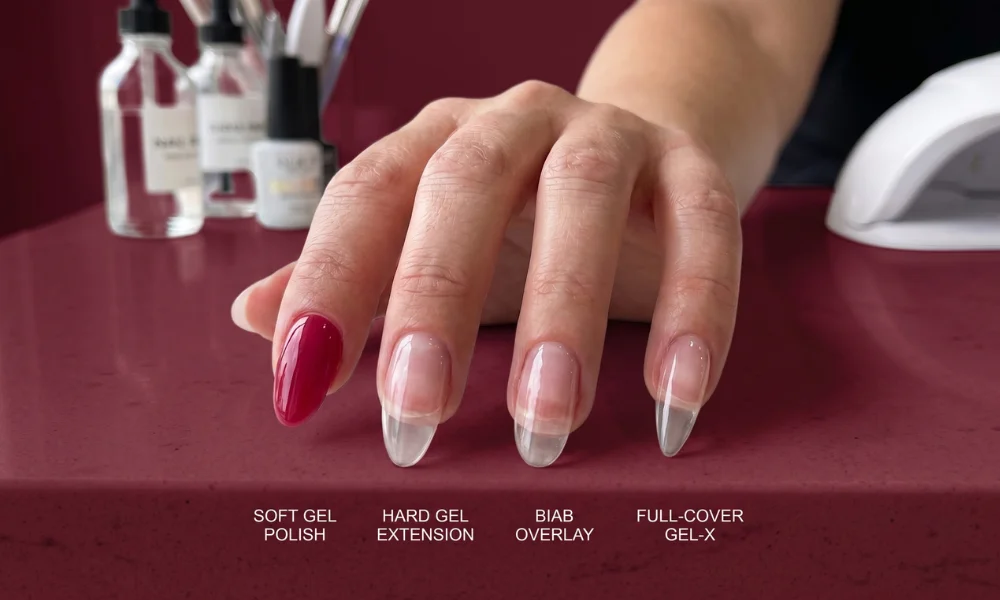
This is the classic gel polish found in most bottled formulas. Technicians apply it like regular polish and cure each layer under a lamp. It adds color and shine but offers minimal structural reinforcement. You can easily remove it using an acetone soak.
Hard Gel Nails
Hard gel features a much thicker molecular structure. Professionals use it to build length, create dramatic extensions, or sculpt strong overlays. It is completely non-porous, so acetone cannot dissolve it. You must file it off completely to remove it.
BIAB Nails (Builder in a Bottle)
Builder in a Bottle (BIAB) is the breakout star of the 2026 clean girl aesthetic. It bridges the gap between soft and hard systems. BIAB offers the structural strength of a hard gel but retains a convenient soak-off removal profile. It works perfectly for strengthening weak natural nails and promoting growth.
Gel-X and Full-Cover Gel Extensions
Gel-X uses pre-made, full-coverage soft gel tips applied over the entire nail bed using a tracking gel. It delivers instant, lightweight length without the odor or heavy filing associated with traditional extensions.
Which Gel Nail System Lasts the Longest?
Hard gel systems last the longest due to their rigid, non-porous structure. Yet, BIAB serves as a phenomenal runner-up for natural nail health.
Comparison of Gel Nail Types
| Type | Best For | Durability | Removal | Maintenance |
| Soft Gel | Short natural nails, quick color | 2 weeks | Acetone soak | Low |
| Hard Gel | Dramatic extensions, extreme strength | 4+ weeks | Professional filing | High (Requires fills) |
| BIAB | Nail growth, strengthening weak nails | 3–4 weeks | Acetone soak | Medium (In-fills available) |
| Gel-X | Instant lightweight extensions | 3 weeks | Acetone soak | Low (Full set replacement) |
Gel Nails vs Acrylic: Which Is Better?
Choosing between gel and acrylic depends on your lifestyle, aesthetic goals, and nail health priorities.
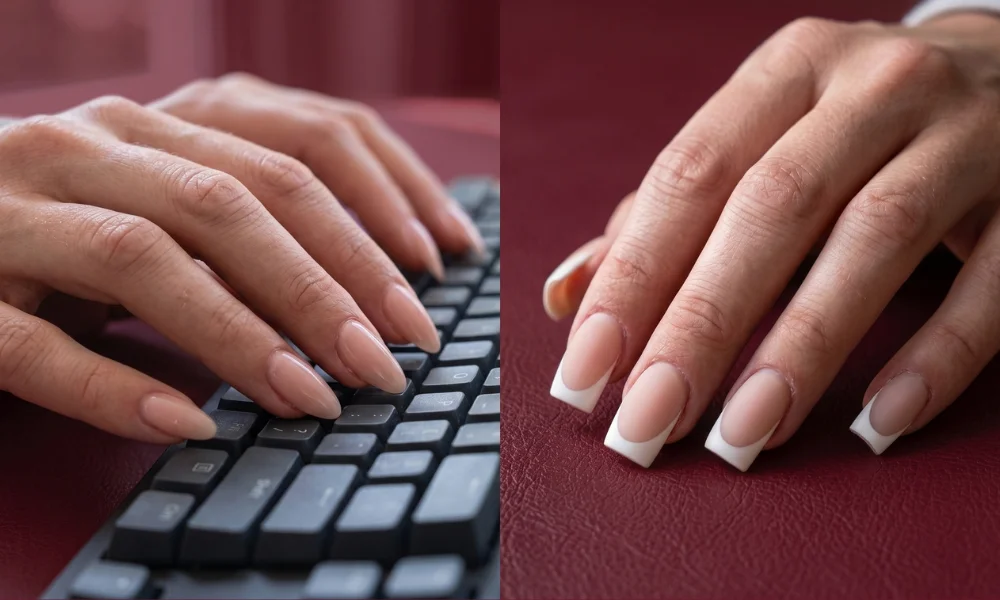
| Feature | Gel Nails | Acrylic Nails |
| Flexibility | High (Bends with nail) | Low (Rigid and stiff) |
| Strength | Medium-High | Very High |
| Cost | Moderate to High | Moderate |
| Removal | Acetone soak or filing | Acetone soak |
| Ideal User | Lovers of natural looks and gloss | Lovers of extreme length and strength |
How Long Do Gel Nails Last?
A standard gel manicure lasts between 2 to 3 weeks before it requires removal or a fresh application.
Factors That Affect Wear Time
-
Nail Growth: Rapid natural growth leaves a visible gap at the cuticle line after 14 days.
-
Lifestyle: Heavy typing, cleaning, or hands-on hobbies speed up lifting.
-
Water Exposure: Long baths or washing dishes without gloves softens natural nail plates, causing the gel to separate.
-
Product Quality: Professional-grade formulas bond far better than cheap, low-end alternatives.
-
Technician Skill: Proper cuticle clearance and edge capping during application prevent early peeling.
Tips to Make Gel Nails Last Longer
-
Wear rubber gloves during household cleaning and dishwashing.
-
Apply high-quality cuticle oil daily to maintain nail hydration.
-
Avoid using your nails as tools to open soda cans or peel stickers.
-
Seal the free edge of your nails with a topcoat if doing DIY applications.
Trending Gel Nail Designs 2026
Nail aesthetics in 2026 shift away from bulky, over-the-top structures toward clean, sophisticated minimalism.
Chrome Gel Nails
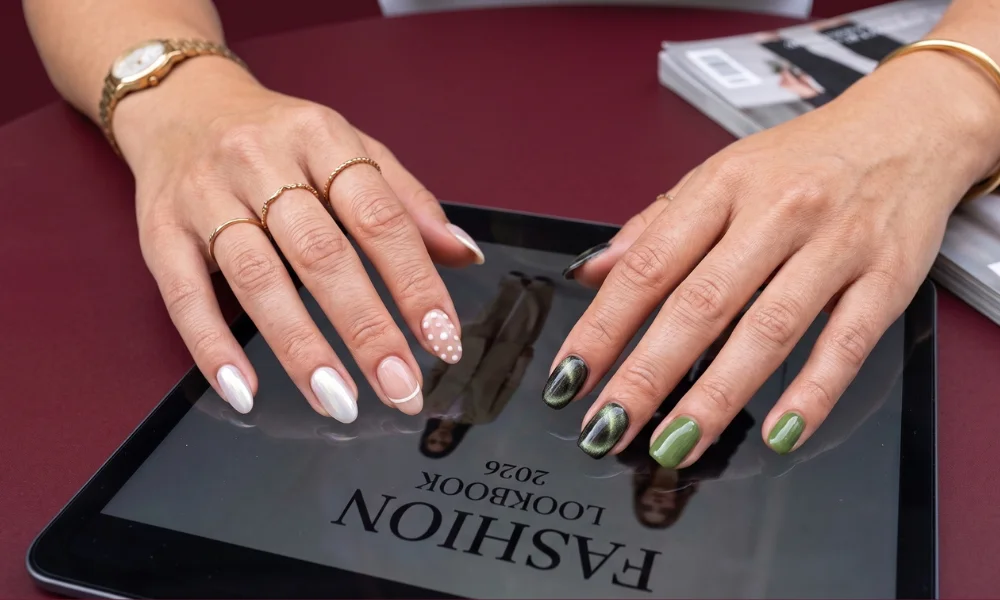
Metallic finishes remain a massive trend. The 2026 variation uses ultra-fine glazed chrome powders pressed over milky or pastel bases. This creates a soft, futuristic pearl reflection rather than a harsh mirror shine.
Milky gel nails
Inspired by the timeless clean girl aesthetic, semi-translucent milky manicures are leading the luxury beauty space. This style uses creamy whites, soft vanilla veils, and pale cloud pinks to create an understated, impeccably clean appearance. The sheer nature of the polish hides minor imperfections while making your nail beds look elongated and perfectly groomed.
Short gel nails
Extremely long stiletto claws are taking a backseat to short, practical, and highly manicured natural shapes. Clean squoval and round edges coated in deeply saturated, high-gloss shades look incredibly chic and require zero daily maintenance. This practical length lets you type quickly, exercise safely, and manage daily life without worrying about painful breaks.
Minimalist and Glazed Finishes
Subtle micro-French tips, tiny 3D milk dots, and glass-like topcoats are highly requested.
Top Gel Nail Trends for 2026
| Trend | Best Season | Difficulty | Popularity |
| Glazed Pearl Chrome | Winter / Spring | Medium | Very High |
| Milky Latte Nude | Year-Round | Low | High |
| Short Glossy Espresso | Autumn | Low | Medium-High |
| Pastel Pop Swirls | Summer | High | High |
Best Gel Nail Colors 2026
Color palettes this year favor under-stated elegance and rich statement tones.
-
Neutral Shades: Sheer pinks, warm sands, and soft taupes dominate the office-friendly market. They complement every skin tone and mask nail regrowth beautifully.
-
Chrome Metallics: Soft silver, rose gold, and iridescent white chrome powders elevate basic base colors.
-
Milky White Tones: Coconut milk and creamy marshmallow shades offer excellent, striking opacity without looking like correction fluid.
-
Bold Statement Colors: Deep cherry reds, periwinkle blues, and rich matcha greens provide stunning seasonal pops.
Gel Nail Kit at Home: What You Need
Creating salon-quality results at home requires the correct equipment to avoid premature peeling or product allergies.
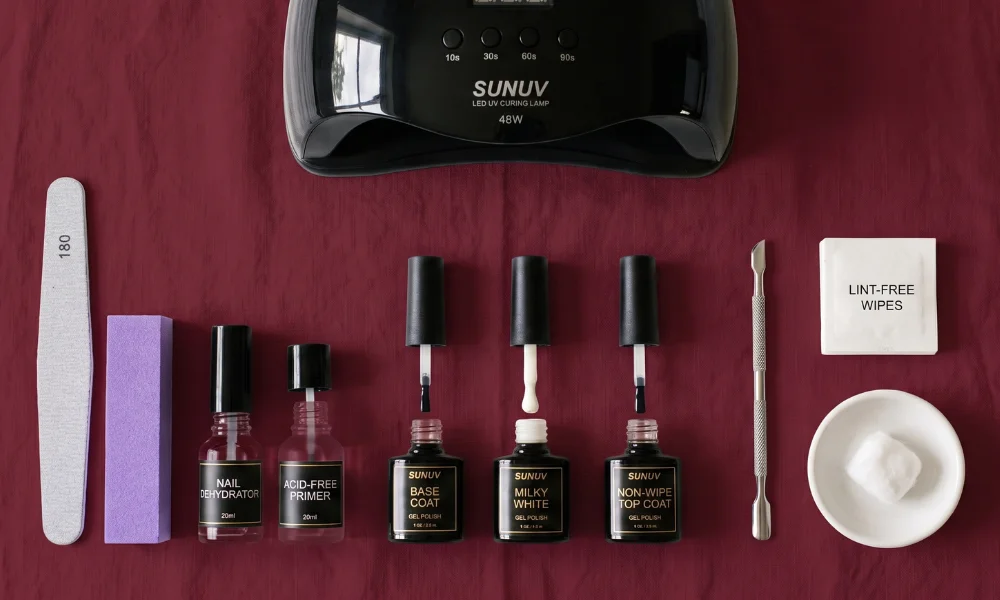
Essential Tools for Beginners
-
High-quality nail dehydrator and acid-free primer.
-
Fine-grit nail files (180/240 grit) and buffing blocks.
-
Cuticle pusher and orangewood sticks.
-
Gel base coat, color polish, and non-wipe top coat.
-
Pure acetone and lint-free nail wipes.
Choosing the Right LED Lamp
Look for a lamp with at least 48 watts of power. Ensure it utilizes dual light sources (UV/LED wavelengths) to cure a wide variety of gel brands safely and thoroughly.
Step-by-Step DIY Application
-
Prep: Perform a dry manicure. Push cuticles back gently, file the nail shape, and lightly buff the shine off the nail plate.
-
Dehydrate: Wipe nails with a dehydrator to remove oils. Apply primer.
-
Base: Apply a very thin layer of base coat. Cure for 60 seconds.
-
Color: Apply two thin coats of your gel color. Cure each layer for 60 seconds.
-
Top: Cap the free edge with a glossy top coat. Cure for 60 seconds, then wash your hands.
Beginner Gel Nail Kit Checklist
| Tool | Purpose | Required |
| LED/UV Lamp (48W+) | Cures and hardens the gel polish | Yes |
| Nail Dehydrator | Removes surface oils to prevent lifting | Yes |
| 180-Grit Buffer | Preps nail surface for adhesion | Yes |
| Lint-Free Wipes | Cleans nails without leaving fuzz | Yes |
Gel Nail Removal at Home Without Damaging Nails
Forcing or peeling off loose gel polish tears away the top layers of your natural nail plate, leaving them thin and fragile. Follow this safe method instead.
Safe Acetone Soak-Off Method
-
Take a 180-grit file and gently buff away the shiny top coat layer on your nails. This allows the acetone to penetrate the product.
-
Soak small pieces of cotton balls in pure acetone. Place them directly onto your nail beds.
-
Wrap each fingertip tightly in a small square of aluminum foil to lock in the heat.
-
Wait 15 minutes. Slide the foils off. The gel should look lifted and crumbly.
-
Use an orangewood stick to scrape away the softened gel gently. Never push hard into the nail plate.
Aftercare Following Removal
Wash your hands thoroughly to remove acetone residue. Massage a generous amount of vitamin E or jojoba cuticle oil into your nails and skin. Let your nails recover for a few days before applying a fresh set.
Are Gel Nails Safe? Benefits, Risks, and Expert Care Tips
- Common Benefits of Gel Nails: Gel manicures safeguard weak nails from daily mechanical breakage by creating a protective, flexible shield over the natural plate.
- Potential Risks and Allergies: Uncured gel polish contains acrylates. If these chemicals repeatedly touch your skin during sloppy applications, you can develop a permanent contact allergy. Always wipe away smudges before curing under the lamp.
- UV Lamp Exposure Explained: Nail lamps emit UVA radiation to cure the product. While the exposure time is incredibly brief, cumulative UV radiation can accelerate skin aging on the back of your hands.
Dermatologist-Backed Safety Recommendations
The American Academy of Dermatology (AAD) recommends applying a broad-spectrum, water-resistant sunscreen (SPF 30 or higher) to your hands 20 minutes before your appointment. Alternatively, you can wear dark, opaque UV-protection gloves with the fingertips cut off. The AAD also advises against trimming or cutting the cuticles, as this barrier protects your nail matrix from painful bacterial infections.
Conclusion
Gel nails remain one of the most versatile manicure options in 2026, combining durability with endless design possibilities. By choosing the right gel system, following safe application and removal practices, and staying updated with trends, readers of Daithpiercing can enjoy beautiful, healthy nails with greater confidence.
Frequently Asked Questions
Can gel nails damage natural nails?
The gel formula itself does not damage healthy nails. Damage occurs almost exclusively due to aggressive filing during preparation, peeling the product off dry, or over-soaking in acetone.
Can you refill gel nails?
Yes. You can easily refill structured systems like BIAB and hard gels every 3 weeks to cover the growth gap near your cuticles. Standard thin gel polishes require a full soak-off and replacement.
How often should gel nails be replaced?
You should completely remove and reapply soft gel polishes every 2 to 3 weeks to check on underlying nail health and prevent moisture traps.
Can pregnant women get gel nails?
Yes. Gel applications are safe during pregnancy. Ensure your salon is well-ventilated to avoid inhaling strong fumes from cleaning agents like acetone.
Are LED lamps safer than UV lamps?
LED lamps are generally preferred because they cure gel polish much faster than traditional UV lamps, significantly reducing your overall skin exposure to light rays.
Can gel nails be applied over weak nails?
Yes. Modern systems like BIAB are specifically formulated to reinforce thin, flexible, or peeling natural nails while they complete their growth cycles.