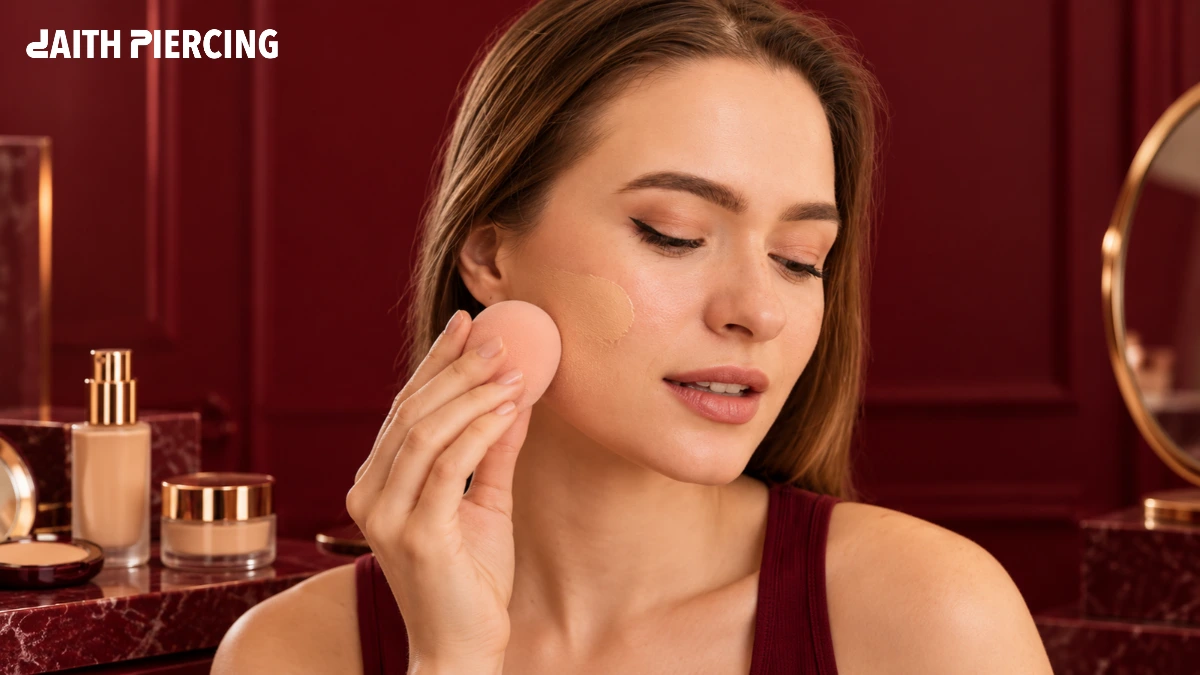
How to Prevent Makeup Pilling: You can spend twenty minutes perfecting your makeup, blend your foundation until it looks seamless, and still end up with tiny flakes rolling across your cheeks. Sometimes it happens around the nose; other times, it appears along the jawline or beneath the eyes. You touch the area to fix it, and somehow the texture becomes even more obvious.
This frustrating problem is called makeup pilling. It happens when skincare, sunscreen, primer, or makeup forms little balls or flakes on the skin instead of layering smoothly.
The solution is not necessarily a better foundation. Often, the real problem starts before you even open your makeup bag: too many products, insufficient time between layers, leftover residue, or formulas that do not work well together.
With a few adjustments to your routine, you can reduce pilling and create a smoother base without piling on more products.
What Is Makeup Pilling?
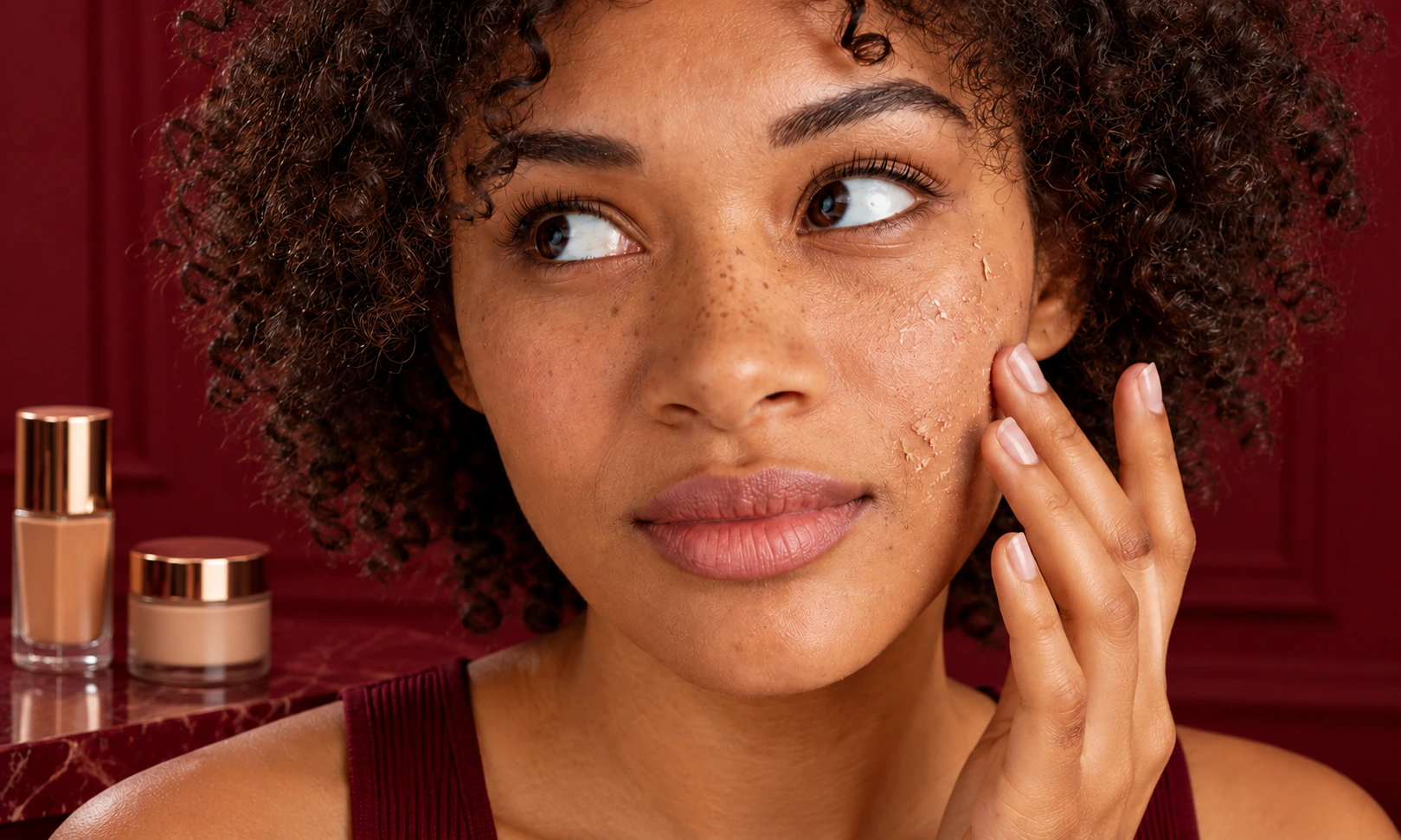
Makeup pilling occurs when product on the skin gathers into small rolls, flakes, or clumps during application. These little particles may resemble dry skin, but they can actually be a mixture of skincare and makeup residue.
Pilling can happen when you apply foundation over moisturizer, rub sunscreen into a freshly layered skincare routine, or blend concealer over a primer that has not settled.
It is not always a sign that your skin is dry or that your foundation is poor quality. The way products interact—and how you apply them—can make a significant difference.
8 Reasons Your Makeup Is Pilling
1. Your Skin Has Product or Dead-Skin Buildup
A smooth makeup finish starts with a clean canvas. Leftover makeup, sunscreen residue, excess skincare, and accumulated dead skin cells can interfere with the way new products sit on your face.
You may notice the problem more around the nose, chin, or other areas where makeup tends to collect.
How to prevent it: Cleanse your skin thoroughly before applying makeup. If dead-skin buildup is contributing to rough texture, consider gentle exfoliation suited to your skin type. Avoid aggressive scrubbing or frequent exfoliation, which can irritate the skin and make texture more noticeable.
You do not need an elaborate cleansing ritual every morning. The goal is simply to start with skin that is clean and comfortable rather than coated in yesterday’s products.
2. You Apply Makeup Before Your Skincare Settles
This is one of the easiest mistakes to make when you are getting ready in a hurry.
You apply serum, follow it immediately with moisturizer, add sunscreen, and reach for foundation before the previous layers have had time to settle. Instead of creating a smooth base, the products may remain slippery on the surface and roll up when you blend.
How to prevent it: Give each layer time to settle before applying the next one. There is no universal waiting time for every formula, so pay attention to how your skin feels. If it is still very wet or slippery, pause a little longer.
Your morning routine does not have to be slow. You can use the time to get dressed, style your hair, or prepare your makeup brushes while your skincare settles.
3. Your Sunscreen Has Not Dried Down
Sunscreen is an essential part of a daytime skincare routine, but it can complicate makeup application if foundation is applied before the sunscreen layer has settled.
Some formulas remain tacky for longer than others. Rubbing foundation over that surface may disturb the layer underneath and cause products to gather.
How to prevent it: Apply sunscreen according to its directions and allow it to form an even layer before continuing with makeup. Choose a formula that feels comfortable under your usual products, but do not skip sunscreen or reduce the amount you apply just to make foundation sit better.
If pilling persists, experiment with your makeup products and application technique while keeping your sun protection routine intact.
4. Your Skincare Is Applied in the Wrong Order
Product order can affect how well your routine layers.
A useful general approach is to apply lighter, more fluid products before thicker creams. Sunscreen should remain the final step of your daytime skincare routine before makeup, following the directions for the particular product.
Applying a rich cream over several thick layers of serum may leave too much product on the surface, especially if you immediately follow it with primer and foundation.
How to prevent it: Simplify your routine and apply products from lighter to heavier textures, with sunscreen at the end of your skincare steps. Let the layers settle before moving on.
If you use prescription skincare, follow your clinician’s instructions rather than changing its placement simply to accommodate makeup.
5. You Are Using Too Many Products
More skincare does not automatically produce better makeup.
Several serums, facial oils, rich moisturizers, primers, and complexion products can leave the skin coated in overlapping layers. Even when each product works beautifully on its own, the combination may become difficult to layer smoothly.
How to prevent it: Streamline your morning routine. Choose the skincare steps that your skin actually needs and use moderate amounts of each product.
For example, you might use a suitable moisturizer and sunscreen rather than adding several extra hydrating layers before foundation. The right combination depends on your skin type, climate, and the products you already use.
Keep the products you enjoy, but introduce them one at a time if you are trying to identify the source of pilling.
6. Your Products Do Not Work Well Together
Sometimes, the problem is not how much product you apply but how different formulas behave when layered.
A serum may leave a film that becomes unstable under a particular primer. A rich moisturizer may make a foundation slip. A formula that performs beautifully on bare skin may not sit well over a specific sunscreen.
There is no single ingredient combination that guarantees pilling, and water-based products are not automatically incompatible with silicone-based products. The complete formula, texture, application method, and amount used all matter.
How to prevent it: Test your products in smaller combinations. If pilling appears whenever you use a particular serum under foundation, leave that serum out of your morning routine temporarily and see whether the finish improves.
Change one product at a time rather than replacing your entire routine at once. This makes the cause much easier to identify.
7. Too Many Silicone-Rich Layers Are Building Up
Silicones are common in primers, foundations, and skincare because they can help products glide across the skin and create a smoother-looking finish.
However, repeatedly layering products that leave substantial surface films may contribute to pilling for some people.
You can often identify certain silicones by ingredient names ending in terms such as -cone, -conol, -siloxane, or -methicone. Their presence alone does not mean a product will cause a problem.
How to prevent it: If you suspect silicone-rich products are contributing to pilling, try simplifying your routine and removing one suspected product at a time. You do not need to avoid silicones altogether.
Focus on how the products perform together on your skin, not on ingredient labels in isolation.
8. Your Application Technique Is Too Rough
Even compatible products can become uneven if you rub them aggressively into the skin.
Repeatedly moving a brush back and forth, dragging a sponge across the face, or continually touching an area that has already been blended can disturb the layers underneath.
How to prevent it: Use gentle, controlled motions. Press or tap foundation into the skin where appropriate, and avoid repeatedly working the same patch.
Use a clean sponge or brush and follow the application instructions for your foundation and primer. Sometimes, a lighter hand is all it takes to improve the finish. If you prefer lighter coverage, explore our guide to the best skin tint for a more natural-looking base.
The Best Order for Skincare and Makeup
If you regularly experience pilling, start with a simple routine before adding extra products.
- Cleanser: Remove dirt, oil, and leftover products.
- Treatment or serum: Apply the skincare products you need, following their directions.
- Moisturizer: Use a suitable amount for your skin type.
- Sunscreen: Apply adequate sun protection as directed and allow the layer to settle.
- Primer, if needed: Use it only if it improves the way your makeup wears.
- Foundation and concealer: Apply in light layers, blending gently.
- Powder or setting products: Finish according to your desired makeup look.
This is a general framework, not a rigid formula for every skincare routine. Some products have specific application requirements, and not everyone needs every step.
The important principles are to avoid unnecessary layers, give products time to settle, and make sunscreen a consistent part of daytime skin protection.
How to Fix Makeup Pilling After It Starts
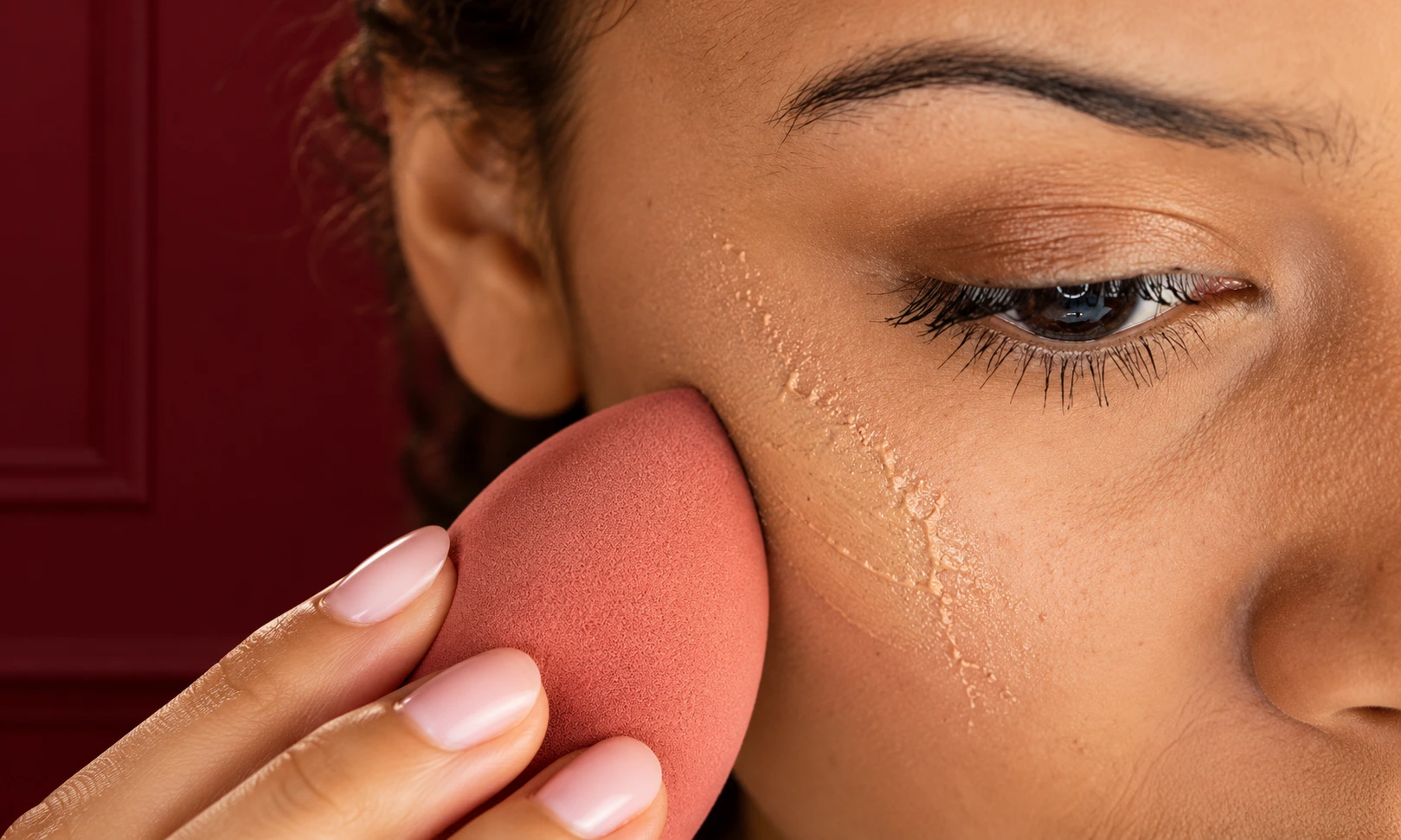
The frustrating truth is that once several layers have rolled into visible flakes, there may be no way to restore a perfectly smooth finish without removing some makeup.
Still, you can try a gentle repair if the problem is limited to a small area.
For a Few Small Flakes
Use a clean, soft brush to remove loose product without scrubbing. If the area needs moisture, use a light mist only if it works with your makeup products, then gently press a small amount of foundation or concealer onto the affected patch.
Avoid rubbing the area repeatedly. That can disturb more of the base.
For Heavy Pilling Across the Face
If the makeup is breaking apart over a large area, removing it and starting again is usually the more reliable option.
Cleanse gently, apply a simplified skincare routine, allow the products to settle, and rebuild the base with thinner layers. If the problem returns, remove one product from the routine at a time to help identify the cause.
What Not to Do
- Do not keep adding foundation over visible flakes.
- Do not scrub your face aggressively to remove product.
- Do not skip sunscreen to make your makeup easier to apply.
- Do not assume that buying a new foundation will solve the problem.
- Do not add more primer automatically; it may create another layer that contributes to the issue.
How to Prevent Makeup Pilling on Different Skin Types
Your skin type can influence which products feel comfortable and how much preparation your makeup needs.
Dry Skin
Dryness and flaky patches can make the foundation look uneven, but applying several heavy creams at once may also encourage pilling.
Choose a moisturizer that suits your skin, let it settle, and avoid harsh exfoliation. If your skin is irritated or persistently peeling, address that concern rather than trying to cover it with extra makeup.
Oily Skin
Oily skin does not necessarily need a long list of mattifying products. Layering several oil-control steps can leave the surface feeling coated or make makeup harder to blend.
Try a lightweight moisturizer, suitable sunscreen, and a compatible foundation. Use powder where needed instead of continually adding more skincare or primer.
Combination Skin
If your cheeks feel dry while your forehead and nose become oily, you may not need the same amount of product everywhere.
Apply moisturizer according to the needs of each area, while maintaining appropriate sunscreen coverage. Use a lighter touch in areas where makeup tends to slide or collect.
Sensitive Skin
Frequent exfoliation and experimenting with too many new products can irritate sensitive skin. Keep your routine simple, patch-test new products, and introduce changes gradually. If you are exploring the best wrinkle creams, choose products that suit your skin and avoid adding too many active ingredients at once. You can also enjoy beauty accessories like opal daith piercing jewelry to complement your style. If pilling occurs alongside burning, persistent redness, or irritation, stop using products that appear to trigger the reaction and seek professional advice if symptoms continue.
A Simple Test to Find the Product Causing Pilling
When you cannot tell which product is responsible, avoid changing everything at once.
Try this method over several makeup applications:
First, establish a simple baseline. Use a gentle cleanser, your usual moisturizer if needed, sunscreen, and one foundation.
Next, observe the finish. Note whether pilling occurs and where it appears. Pay attention to whether it begins during skincare application or only when you blend foundation.
Then, reintroduce products individually. Add your usual serum or primer back into the routine on a different occasion. Keep the other steps as consistent as possible.
Finally, adjust the combination. If the problem repeatedly appears when one product is added, try changing its amount, placement, or pairing with other products.
This process is more informative than replacing every product in your makeup bag at once.
Frequently Asked Questions
Why does my foundation turn into little balls on my face?
This is usually called makeup pilling. It can happen when skincare or makeup layers roll together during application. Product buildup, insufficient settling time, excessive layering, incompatible formulas, and rough blending can all contribute.
Does makeup pilling mean my skin is dry?
Not necessarily. Dry or flaky skin can contribute to an uneven finish, but pilling can also happen on oily or well-hydrated skin because of product buildup or interactions between formulas.
How long should I wait between skincare and foundation?
There is no universal waiting time for every product. Allow each layer to settle according to its directions, paying particular attention to sunscreen. If the surface remains very wet or slippery, give it more time before applying foundation.
Should I use a primer if my makeup keeps pilling?
Not automatically. Primer may help some combinations perform better, but it can also add another layer. Try simplifying your routine first, then test a primer if you need one.
Are water-based and silicone-based makeup products incompatible?
Not always. The full formula and how products are layered matter more than a simple water-versus-silicone label. Test combinations on your own skin and pay attention to recurring results.
Can I exfoliate every day to stop makeup pilling?
Daily exfoliation is not necessary for everyone and can irritate the skin if overdone. Choose an approach suitable for your skin type and follow the product instructions. Gentle cleansing and a simplified routine may be enough.
Can I fix pilling without removing all my makeup?
Sometimes, if it affects only a small area. Gently remove loose flakes and carefully press a little foundation onto the patch. If the product is rolling up across your face, removing the makeup and starting again is often more effective.
Should I stop using sunscreen if it makes my foundation pill?
No. Do not sacrifice sun protection to improve makeup application. Instead, allow sunscreen to settle, simplify the products layered underneath it, and experiment with compatible makeup formulas.
The Bottom Line
A smooth makeup base is not about using the most products. It is about using the right combination, in a sensible order, with enough time for each layer to settle.
Start with clean skin, keep your morning routine manageable, apply sunscreen properly, and blend foundation with a light hand. If pilling continues, test your products one by one instead of assuming your skin or your foundation is the problem.
Your makeup should work with your skincare, not fight against it.