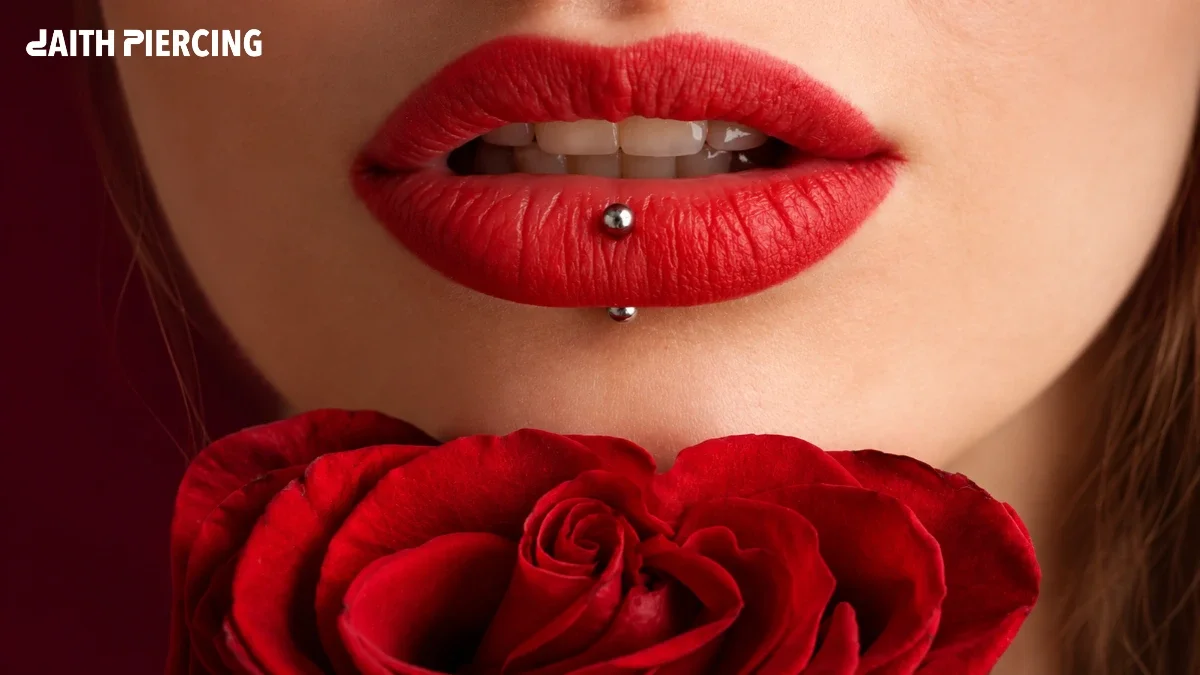
A labret piercing is a popular lip piercing that sits below the lower lip and above the chin. It has a simple look but gives you plenty of room to play with different jewelry, from a small flat-back stud to a neat ring. If you like lip piercings but don’t want something too bold, this style may be worth considering.
Still, there’s more to it than choosing a piece of jewelry. Placement, your lip shape, healing time and even the way the jewelry rests against your gums can affect your experience. So before booking an appointment, here’s what you should know about getting a labret piercing and looking after it properly.
What Is a Labret Piercing?
A labret piercing is a piercing made through the tissue below the lower lip. The jewelry usually enters from the outside of the lip and sits inside the mouth with a flat disc at the back. This is why a flat-back labret stud is one of the most common jewelry choices.
The name can be confusing because people sometimes use “labret” to describe several types of lip piercings. A standard labret is usually placed below the center of the lower lip. A side labret sits to the left or right, while a vertical labret passes through the lower lip and remains visible on both sides.
If you’re exploring different styles, you can also browse the piercing guide on DaithPiercing to understand how different placements and jewelry styles compare.
What Are the Different Types of Labret Piercings?
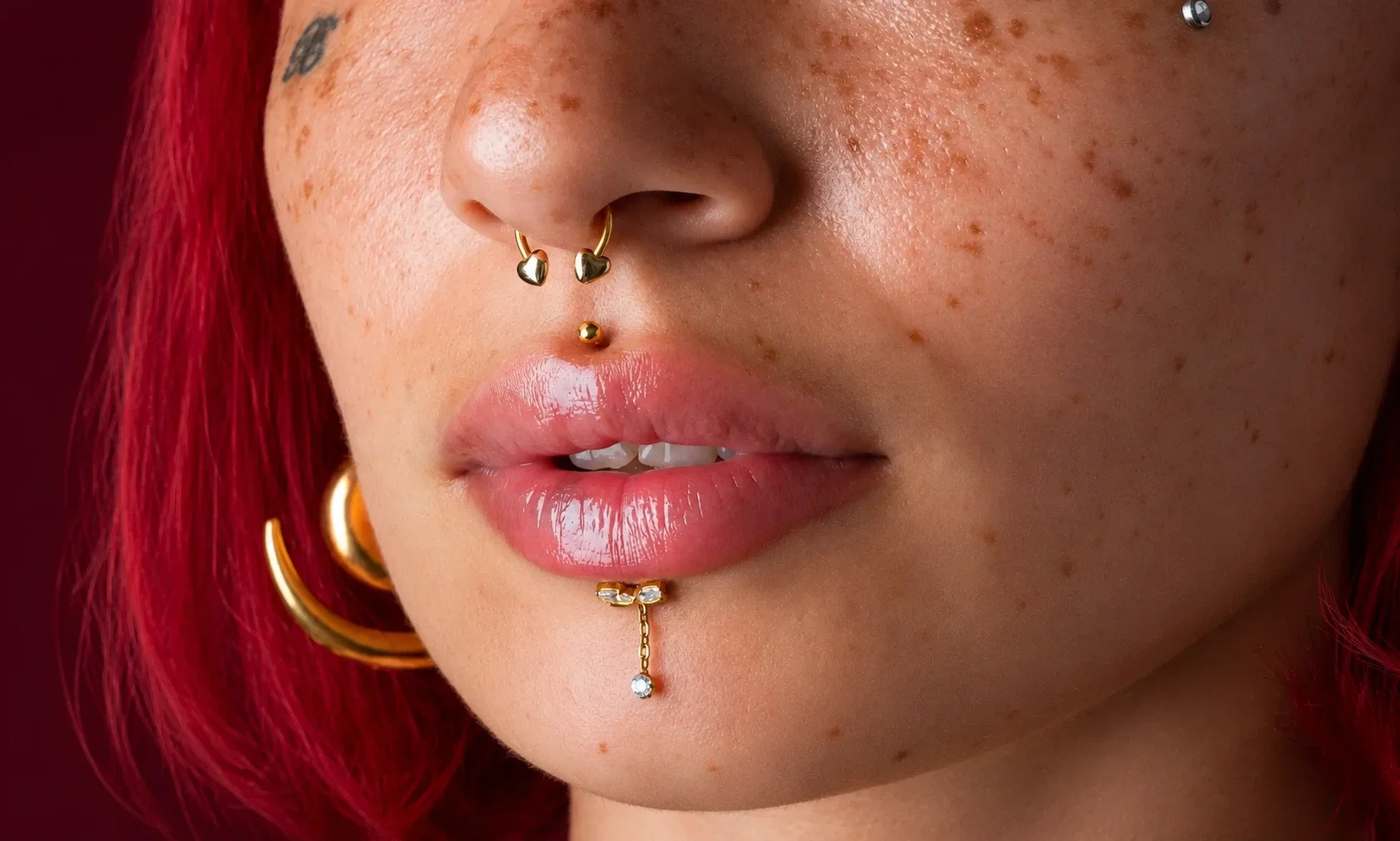
Not every labret piercing looks the same. The position and direction of the piercing change its appearance, jewelry options and how it sits against your mouth.
Standard Labret Piercing
A standard labret sits beneath the center of the lower lip. It normally uses a flat-back stud, with a small decorative end visible outside the mouth. This is the classic style many people picture when they hear the term labret piercing.
Side Labret Piercing
A side labret is placed off-center, either on the left or right side below the lower lip. Some people choose one side for a simple look, while others combine it with another lip piercing. The exact position should suit your anatomy and leave enough room for comfortable jewelry.
Vertical Labret Piercing
A vertical labret passes through the lower lip rather than entering the mouth. One end of the curved jewelry sits above the lip and the other rests below it. Since the jewelry does not sit against the inside of the mouth in the same way as a standard labret, the pressure points are different.
A vertical labret is not simply another name for a standard labret. The placement and jewelry are different, so don’t assume the two styles have the same healing needs.
How Much Does a Labret Piercing Hurt?
A labret piercing can hurt, but the experience is usually brief. The needle passes through soft lip tissue, so you may feel a sharp pinch followed by pressure. Your eyes might water, which is a normal reaction for some people during facial piercings.
Pain is personal. Your sensitivity, stress level, anatomy and the piercer’s technique can all affect how it feels. It’s better to expect some discomfort than to believe claims that a labret piercing is completely painless.
After the appointment, mild tenderness and swelling are common. The area may feel uncomfortable when you eat, speak or move your mouth during the first few days. This should gradually settle rather than become increasingly painful.
How Long Does a Labret Piercing Take to Heal?
A lip or labret piercing may take around six to eight weeks to heal according to Western Australia’s public health guidance. However, this is an estimate rather than a deadline. Some piercings need longer, especially if they experience repeated irritation or other complications.
The outside may look settled before the inside tissue has finished healing. That can make it tempting to change the jewelry early, but appearance alone does not prove that the piercing is ready.
What Happens During Healing?
During the early stage, you may notice swelling, tenderness and a small amount of clear or pale fluid that dries around the opening. These can be part of normal healing. Avoid touching the jewelry unnecessarily or moving it back and forth.
As the piercing settles, discomfort should reduce. If swelling, heat, pain or discharge gets worse instead of better, don’t assume it’s just part of the process. Ask a healthcare professional to assess it.
What Jewelry Is Best for a Labret Piercing?
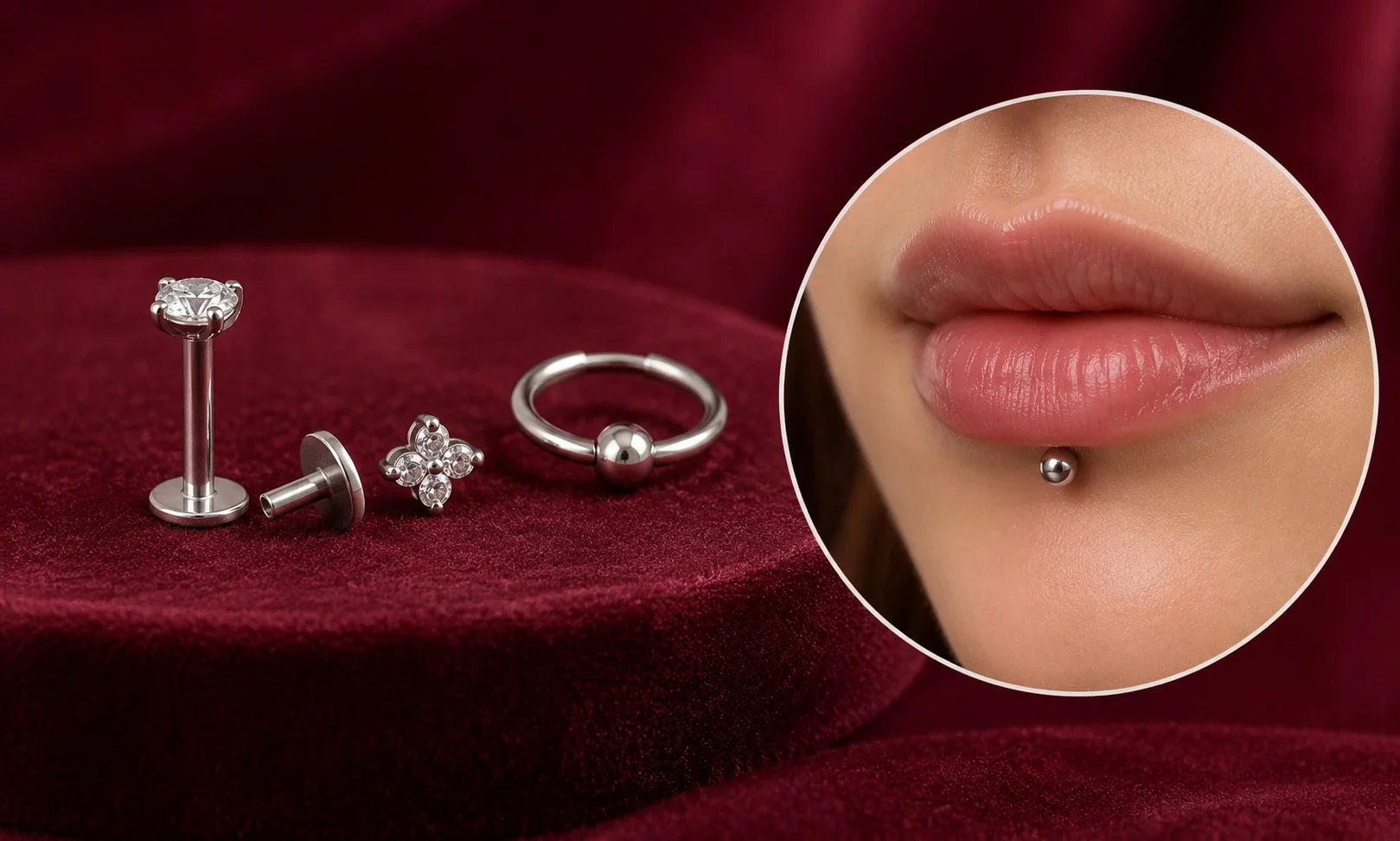
The right jewelry should fit your anatomy and leave enough room for normal swelling. A professional piercer can help choose the correct length, thickness and style. Jewelry that is too tight may press into the tissue, while jewelry that is too long can catch on teeth or gums.
Flat-Back Labret Stud
A flat-back labret stud is a common option for a standard labret piercing. Its flat disc rests inside the lip, while the decorative end remains visible outside. The fit matters because the inside disc can rub against the gums if the placement or jewelry is unsuitable. Before choosing your jewelry, check the APP jewelry guidelines for advice on safe materials and proper sizing.
Labret Rings and Hoops
Some people prefer a ring or hoop once the piercing is fully healed and the anatomy allows it. A ring moves differently from a stud and may cause irritation if it is too tight or poorly fitted. Don’t switch to a hoop just because you like the look. Ask your piercer whether your piercing is ready.
Which Jewelry Material Should You Choose?
For fresh piercings, material quality matters. Ask your piercer about verified body-safe options such as implant-grade titanium. The Association of Professional Piercers explains that initial jewelry should meet suitable material standards and be correctly sized for the placement.
Avoid choosing jewelry based only on its color or price. Cheap or poorly finished pieces may contain unsuitable metals or have surfaces that irritate healing tissue.
How Do You Take Care of a New Labret Piercing?

Good aftercare helps reduce irritation and supports healing. A labret piercing has an outside opening and sits close to the mouth, so you need to care for both the skin and your oral hygiene.
Follow the written instructions from your professional piercer. General oral aftercare guidance from the Association of Professional Piercers includes these practical steps:
- Wash your hands before touching the area.
- Clean the outside gently using the aftercare method recommended by your piercer.
- Rinse your mouth with clean water after eating.
- Use an alcohol-free mouth rinse when advised.
- Brush your teeth twice daily and floss carefully.
- Avoid playing with the jewelry or clicking it against your teeth.
- Be careful when eating so the jewelry does not catch on food or your teeth.
Avoid alcohol-based mouthwash and harsh products such as hydrogen peroxide unless a healthcare professional specifically tells you otherwise. They can irritate the tissue. Also, don’t twist or rotate the jewelry as a cleaning routine.
When Should You Downsize the Jewelry?
Starter jewelry may be longer to leave room for swelling. Once the swelling has gone down, a professional piercer may recommend a shorter piece. This is called downsizing.
Don’t change it yourself just because the jewelry feels loose. A piercer should check the healing and fit before replacing it. Proper sizing can reduce movement and lower the chance of contact with your teeth and gums.
What Are the Risks of a Labret Piercing?
A labret piercing is a personal choice, but it does carry risks. Since the jewelry sits close to the mouth, some problems can affect more than the skin around the piercing.
The American Dental Association warns that oral and perioral piercings can contribute to swelling, infection, gum injury, gum recession and damage to teeth or dental restorations. Jewelry that repeatedly rubs against the gums may cause lasting problems.
Other possible issues include:
- Infection: Bacteria can enter the piercing and cause increasing pain, swelling or discharge.
- Tooth damage: Jewelry may chip, crack or wear down a tooth if it repeatedly hits the surface.
- Gum recession: Contact between the jewelry and gum tissue may cause the gum to move away from the tooth.
- Irritation: Poor fit, frequent movement or unsuitable material can keep the area sore.
- Scarring: Some people develop a visible mark or raised scar after a piercing.
These risks don’t mean every person will experience a complication. They do mean you should think about oral health as well as appearance before getting the piercing.
How Can You Tell If a Labret Piercing Is Infected?
Some tenderness and mild swelling can happen after a new piercing. Infection is more concerning when symptoms become stronger or start appearing after the area had been improving.
Watch for increasing pain, heat, significant swelling, very red or darkened skin, pus, an unpleasant smell, fever or chills. The NHS advises seeking medical help if you think a piercing is infected.
Don’t remove the jewelry on your own if you suspect an infection. Get medical advice first, because removing it without guidance may complicate the situation. If you have trouble breathing or rapidly worsening swelling, seek emergency care.
How Much Does a Labret Piercing Cost?
The price depends on the studio, location, piercer’s experience and the jewelry included. A basic piercing with standard jewelry may cost less than one using premium implant-grade materials or a more detailed piece.
Before booking, ask whether the quoted price includes jewelry, aftercare guidance and a follow-up visit for downsizing. A very low price isn’t always a good deal if the studio cannot explain its hygiene practices or jewelry standards.
Choose a professional studio that uses sterile, single-use needles and properly sterilized equipment. Ask to see the jewelry options and make sure the piercer explains the placement before starting.
Is a Labret Piercing Right for You?
A labret piercing can suit people who like a clean lower-lip look, but the style isn’t right for everyone. Your lip shape, teeth, gums and daily habits all matter. If your teeth or gums are already sensitive, speak with a dentist before deciding.
Think about your work, sports and everyday routine too. You may need to avoid contact sports while healing, and you should be prepared to keep up with cleaning and dental checks. A piercing is not just an appointment; it comes with ongoing care.
If you’re comparing lip styles, DaithPiercing also has guides to Medusa piercing placement and the smiley piercing. These are different placements, with their own jewelry choices and oral-health considerations.
Frequently Asked Questions About Labret Piercing
Does a labret piercing damage your teeth?
It can. Jewelry may rub against teeth or gums and cause chipping, wear or gum recession. Correct placement and a suitable fit can help reduce contact, but they cannot remove every risk.
Can you eat normally after getting a labret piercing?
You can usually eat, but take care while the area is swollen or tender. Eat slowly, avoid foods that irritate the piercing and rinse your mouth after meals. Follow your piercer’s aftercare instructions.
When can I change my labret jewelry?
Wait until a professional piercer confirms that the piercing has healed enough for a jewelry change. If the starter jewelry needs downsizing, have your piercer do it at the appropriate time rather than changing it yourself.
Is a labret piercing the same as a vertical labret?
No. A standard labret enters from below the lower lip and sits inside the mouth. A vertical labret passes through the lower lip, with both ends of the jewelry visible externally.
Can a labret piercing close if you remove the jewelry?
It may shrink or close, particularly if the piercing is new. How quickly this happens varies with the age of the piercing and your individual tissue. Even an older piercing can become difficult to reinsert jewelry into.
Can you get a labret piercing if you have braces?
It depends on your dental setup and the exact placement. Jewelry may catch on braces or irritate nearby tissue. Speak with your dentist and an experienced piercer before making a decision.
Final Thoughts
A labret piercing can be a simple way to change your look, but it’s worth understanding the care involved before you book. The placement, jewelry size and material all affect comfort, while contact with teeth and gums is a risk you shouldn’t ignore.
Choose a reputable piercer, follow reliable aftercare advice and keep an eye on your oral health. DaithPiercing aims to make piercing information easier to understand, so you can compare styles and make a decision based on more than appearance.
Disclaimer: This article is for general educational purposes and is not a substitute for medical or dental advice. Healing times and individual risks vary. Speak with a qualified piercer about placement and jewelry, and contact a healthcare professional or dentist if you notice signs of infection or damage to your teeth or gums.