Key Takeaways
- Most daith piercing keloid are not true keloids.
- Keloids grow beyond the original piercing, while irritation bumps stay close to it.
- Proper aftercare and implant-grade jewelry help reduce complications.
- Avoid harsh home remedies that may irritate the piercing.
- Persistent or growing scars should be evaluated by a dermatologist.
- Early treatment often provides better results for true keloids.
- Patience is essential because daith piercings can take several months to heal.
Quick Answer
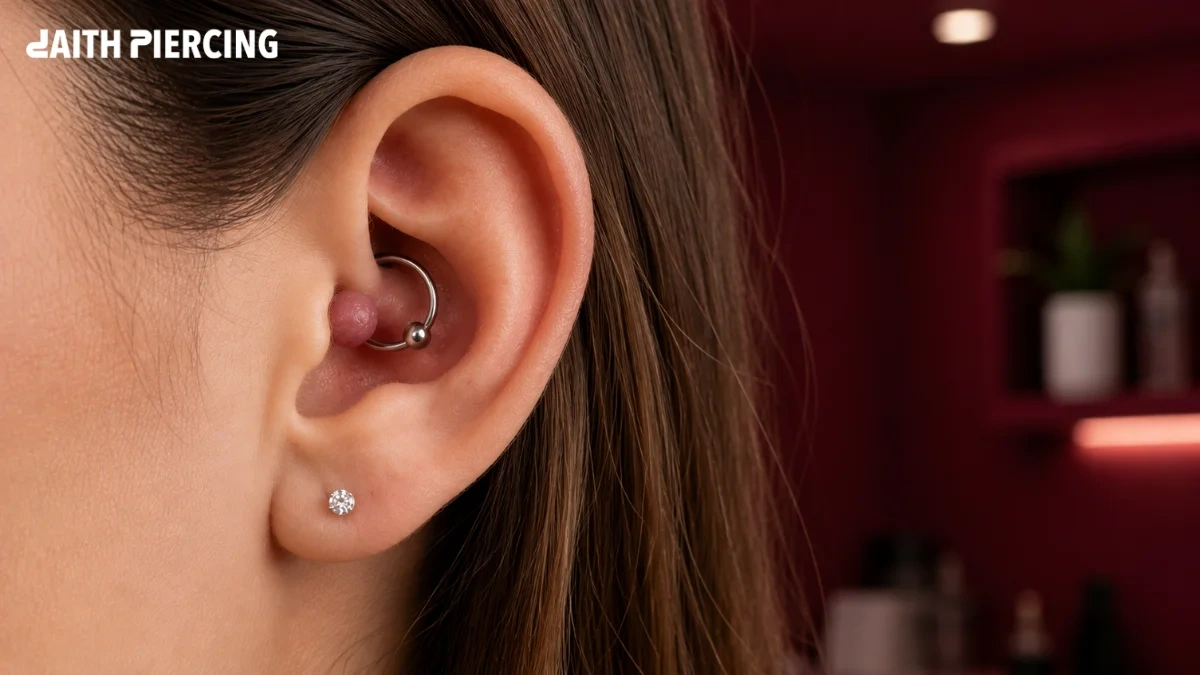
A daith piercing keloid is an overgrowth of scar tissue that develops around a healed or healing piercing. True keloids are uncommon and usually continue growing beyond the original piercing site. Most bumps after a daith piercing are actually irritation bumps or hypertrophic scars, which can often improve with proper cleaning, high-quality jewelry, and reducing pressure on the piercing.
What Is a Daith Piercing Keloid?
A daith piercing keloid is a thick, raised scar that forms when the body produces more collagen than needed during healing. Unlike a normal scar, a keloid grows beyond the original wound and may continue getting larger over time.
Although many people use the word “keloid” for any piercing bump, true keloids are much less common than people think. They usually develop in individuals who have a genetic tendency to form excessive scar tissue.
A daith piercing passes through thick cartilage inside the ear. Because cartilage heals more slowly than soft tissue, irritation can last longer. As a result, many bumps that appear during healing are not keloids but temporary inflammatory reactions.
Keloid vs Piercing Bump vs Hypertrophic Scar
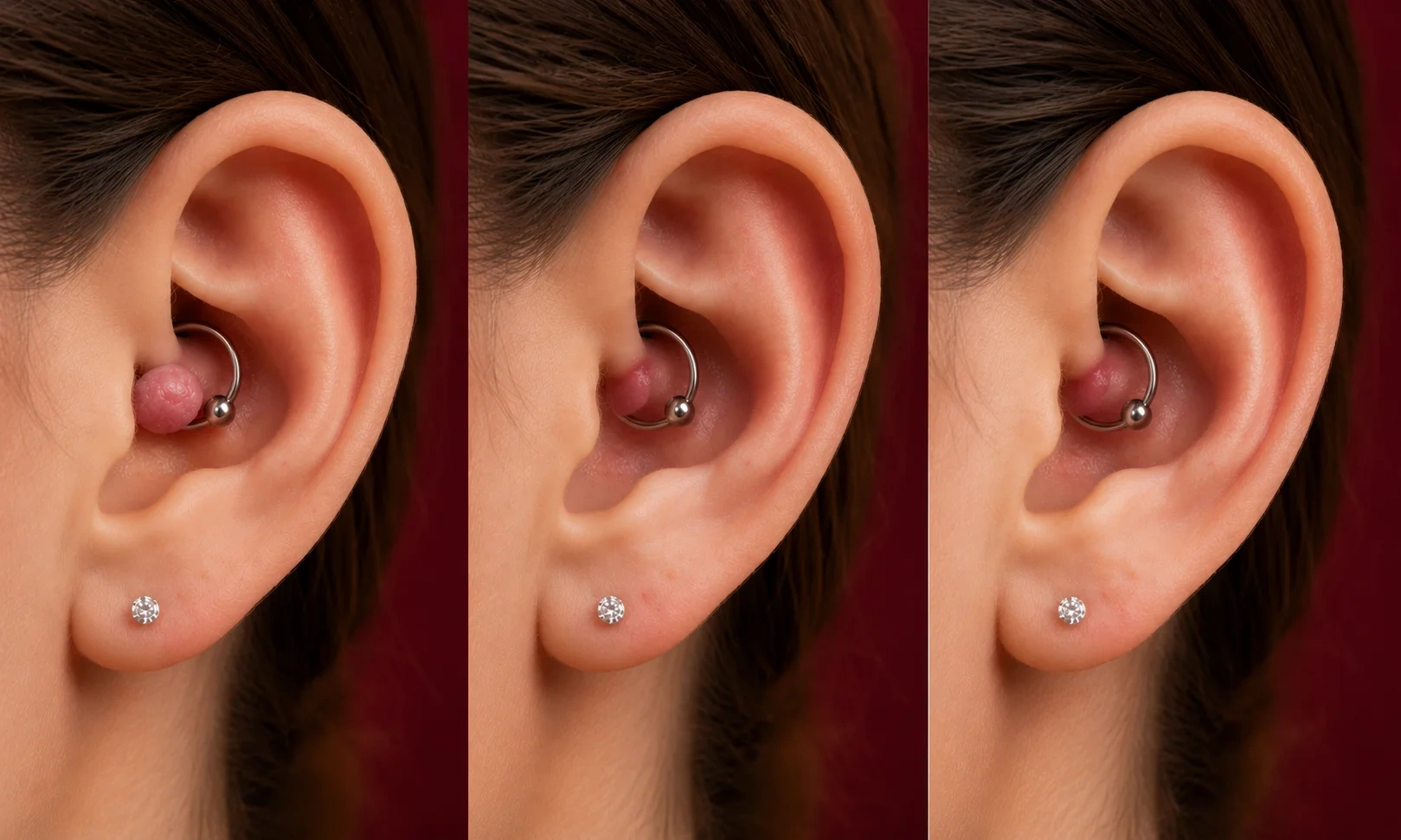
Understanding the difference is important because each condition requires a different approach.
| Feature | Keloid | Piercing Bump | Hypertrophic Scar |
|---|---|---|---|
| Cause | Excess scar tissue | Irritation or pressure | Extra collagen during healing |
| Growth | Extends beyond piercing | Stays near piercing | Stays within wound edges |
| Pain | Usually mild | Often tender | Mild discomfort |
| Size | May keep growing | Often changes in size | Usually stable |
| Color | Pink, red, or darker than skin | Red or flesh-colored | Pink or red |
| Can disappear naturally? | Rarely | Often yes | Sometimes improves |
Keloid
A true keloid grows outside the original piercing area. It usually feels firm and continues increasing in size without treatment.
Piercing Bump
An irritation bump often appears after sleeping on the piercing, changing jewelry too early, or accidentally pulling it. Fortunately, these bumps commonly improve once the source of irritation is removed.
Hypertrophic Scar
A hypertrophic scar is thicker than normal skin but stays within the boundaries of the piercing wound. Unlike keloids, these scars often become flatter over time.
Why Do Daith Piercing Keloids Form?
Several factors can increase the chance of abnormal scar tissue developing.
Genetics
Family history is one of the strongest risk factors. If close relatives have developed keloids after surgery, cuts, or piercings, your risk is higher as well.
Piercing Trauma
A difficult piercing or repeated injury during healing may trigger excessive scar formation. Therefore, choosing an experienced professional can make a significant difference.
Poor Aftercare
Touching the piercing with unwashed hands, using harsh cleaning products, or changing jewelry too early may irritate the area and delay healing.
Constant Pressure
Sleeping on the pierced ear, wearing tight headphones, or using helmets that press against the piercing can create ongoing irritation.
Infection
An untreated infection can prolong inflammation. Although infections do not directly cause keloids, they may increase the chance of abnormal healing in susceptible individuals.
Low-Quality Jewelry
Jewelry made from poor-quality metals can irritate sensitive skin. Implant-grade titanium, high-quality gold, and niobium are generally preferred for fresh daith piercings.
Who Is More Likely to Get a Keloid?
Anyone can develop a keloid, but certain people have a higher risk.
You may be more likely to develop one if you:
- Have a family history of keloids
- Have developed keloids from previous injuries
- Have darker skin tones, which are associated with a higher risk
- Experience repeated trauma during healing
- Remove or replace jewelry before the piercing is fully healed
Even if you have these risk factors, a keloid is not guaranteed. Careful aftercare still plays an important role in healthy healing.
Signs and Symptoms
Knowing what to look for can help you respond appropriately.
Signs of a Possible Keloid
- Firm raised scar
- Gradually increases in size
- Extends beyond the piercing hole
- Smooth or shiny appearance
- May itch or feel slightly uncomfortable
Signs of an Irritation Bump
- Small round bump near the jewelry
- Appears after accidental trauma
- Redness around the piercing
- Size changes from day to day
- Often improves with proper care
Signs That May Suggest Infection
Seek medical advice if you notice:
- Thick yellow or green discharge
- Increasing redness spreading around the ear
- Severe swelling
- Fever
- Worsening pain instead of gradual improvement
How to Prevent a Daith Piercing Keloid
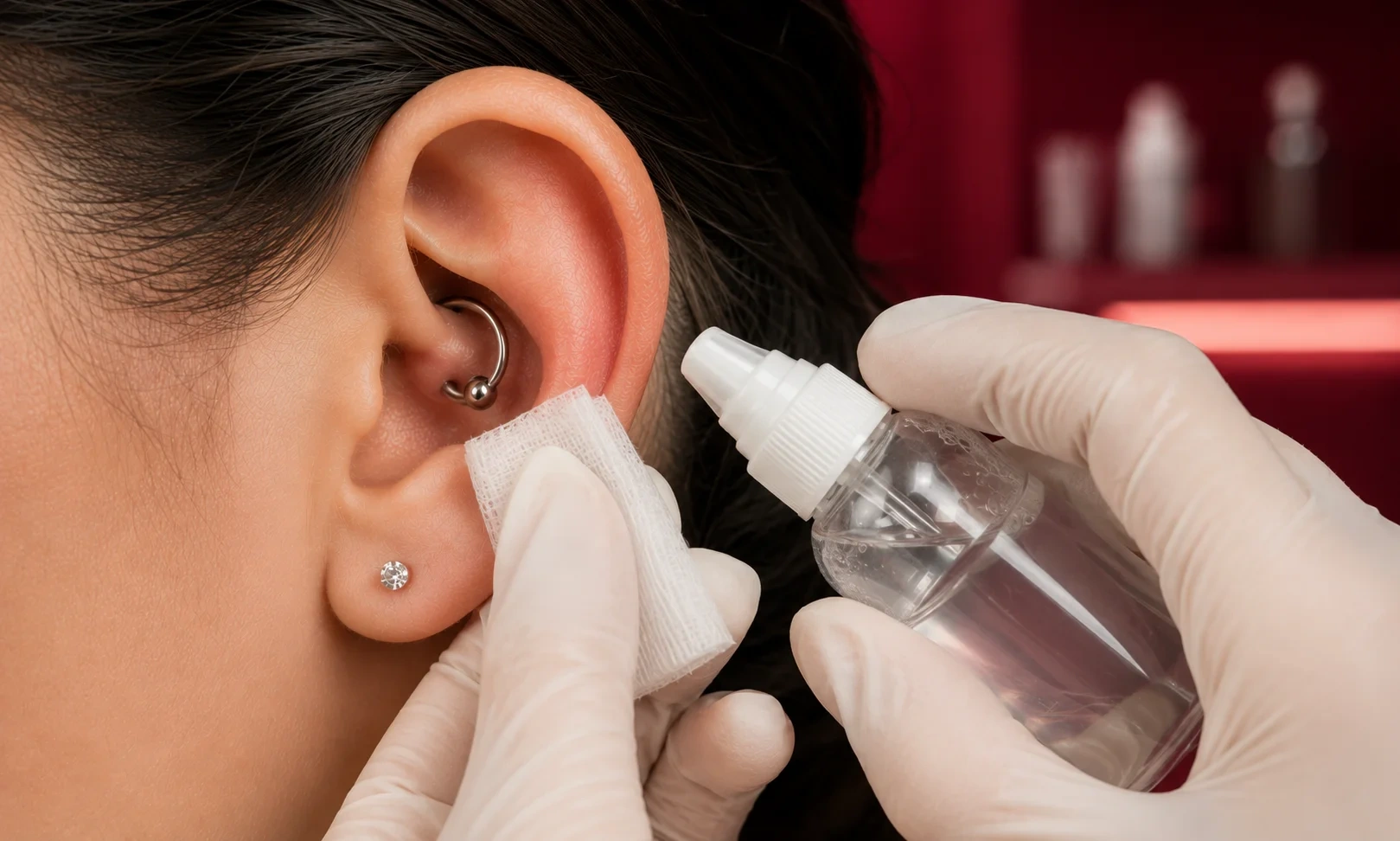
Good habits during healing can significantly reduce irritation and support healthy scar formation.
Choose an Experienced Piercer
A skilled piercer understands ear anatomy, proper placement, and correct jewelry sizing. Accurate placement reduces unnecessary pressure during healing.
Wear High-Quality Jewelry
Select jewelry made from materials that are less likely to irritate the skin.
Good options include:
- Implant-grade titanium
- Solid 14K or 18K gold suitable for body jewelry
- Niobium
Avoid inexpensive mystery metals that may contain nickel if you have sensitive skin.
Clean the Piercing Properly
Clean the piercing with sterile saline solution as recommended by your piercer. Gentle cleaning removes debris without damaging healing tissue.
Avoid alcohol, hydrogen peroxide, or strong antiseptics unless specifically advised by a healthcare professional, as these can dry and irritate the skin.
Avoid Touching the Jewelry
Every unnecessary touch introduces bacteria and may irritate the healing tissue.
Only handle the jewelry when cleaning it, and always wash your hands first.
Sleep Carefully
Pressure is one of the biggest reasons irritation bumps develop.
Whenever possible:
- Sleep on the opposite side
- Use a travel pillow to keep pressure off the ear
- Avoid folding the ear against the pillow
Leave the Jewelry Alone
Many people try to rotate or twist the jewelry, believing it helps healing. In reality, this can damage delicate tissue and slow recovery.
Instead, leave the jewelry in place unless your piercer recommends otherwise.
Be Patient
Daith piercings heal slowly because they pass through cartilage. Healing often takes several months, and occasional mild irritation can happen during this time.
Consistent aftercare usually produces better results than frequently changing routines.
Daith Piercing Keloid Prevention Checklist
| Do | Avoid |
|---|---|
| Wash hands before cleaning | Touching the piercing unnecessarily |
| Use sterile saline solution | Alcohol or hydrogen peroxide |
| Sleep on the opposite side | Sleeping directly on the piercing |
| Wear implant-grade jewelry | Cheap metal jewelry |
| Follow aftercare instructions | Changing jewelry too early |
| Visit your piercer if concerned | Removing jewelry without advice |
Treatment and Removal Options
The best treatment depends on what the bump actually is. An irritation bump, hypertrophic scar, and true keloid are different conditions, so they should not be treated the same way.
If you are unsure, visit an experienced piercer or a dermatologist before trying any treatment.
Home Care for Irritation Bumps
If your bump is caused by irritation rather than a keloid, gentle aftercare is often enough.
Continue Saline Cleaning
Clean the area once or twice a day with sterile saline solution. This helps remove dried discharge without damaging the healing skin.
Avoid overcleaning because too much cleaning can also irritate the piercing.
Reduce Pressure
Pressure is one of the most common reasons irritation bumps remain.
Try to:
- Sleep on the opposite side.
- Use a travel pillow with an opening for your ear.
- Avoid tight hats or headphones during healing.
Avoid Picking the Bump
It can be tempting to squeeze or scratch the bump, especially if it becomes itchy.
However, doing so may cause bleeding, infection, or additional scar tissue.
Keep the Jewelry in Place
Removing jewelry too early can trap bacteria inside the piercing or cause the hole to close before healing is complete.
Only remove or replace jewelry under the guidance of a professional.
Medical Treatments for True Keloids
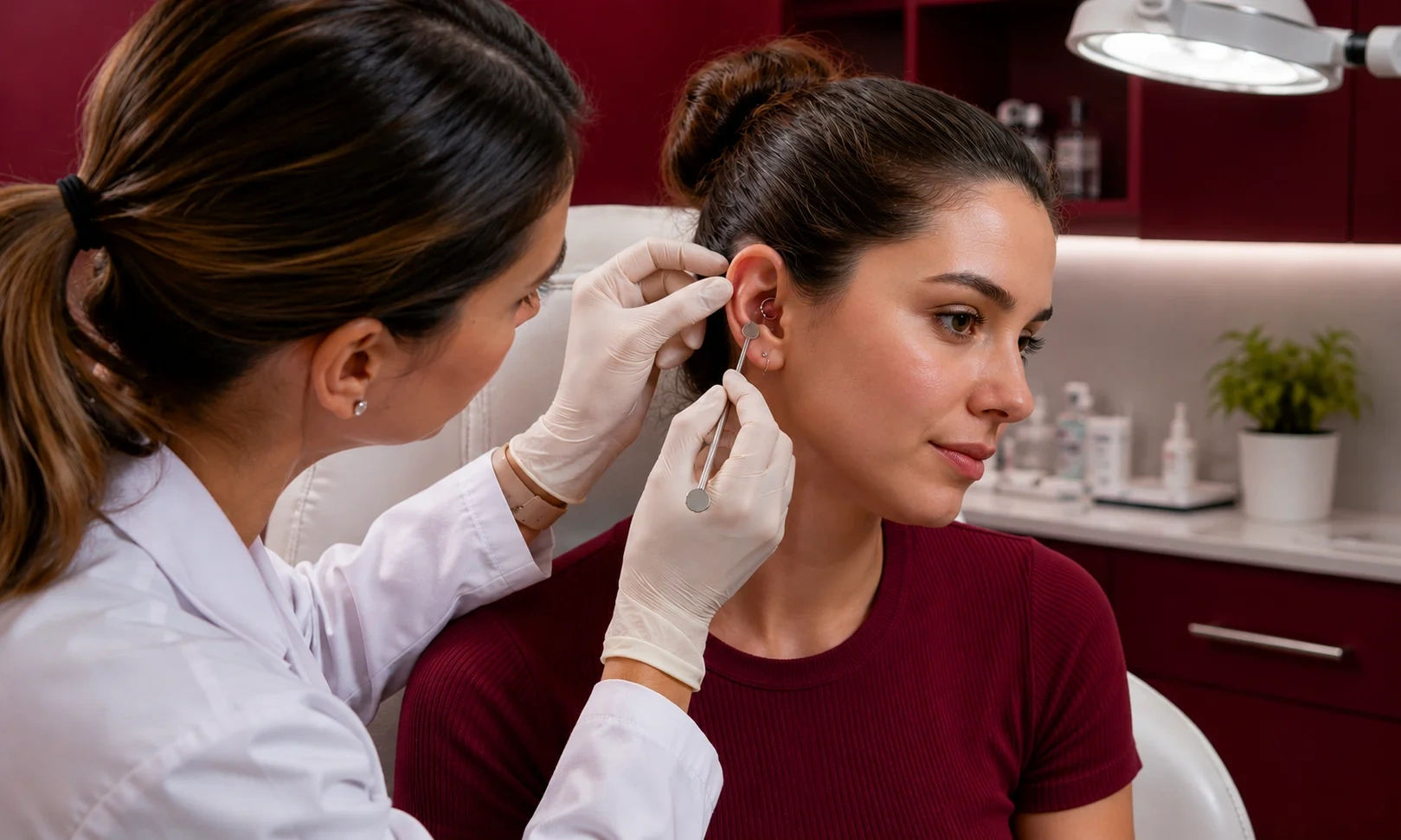
Unlike irritation bumps, true keloids rarely disappear without medical treatment.
A dermatologist can recommend the most suitable option based on the size and location of the keloid.
Corticosteroid Injections
Steroid injections are one of the most common treatments.
They may:
- Reduce inflammation
- Flatten the scar
- Relieve itching or discomfort
- Slow further growth
Several treatment sessions are often needed.
Silicone Gel or Silicone Sheets
Silicone products are commonly recommended for scar management.
They may help soften raised scars over time, although results vary from person to person.
Because of the curved shape of the ear, silicone gel is often easier to use than silicone sheets for a daith piercing.
Cryotherapy
Cryotherapy freezes the scar tissue using extremely cold temperatures.
This treatment may reduce the size of smaller keloids, especially when combined with other therapies.
Laser Therapy
Laser treatment can improve the appearance of some keloids by reducing redness and helping flatten the scar.
Multiple sessions may be required for noticeable improvement.
Surgical Removal
Large or persistent keloids may be removed surgically.
However, surgery alone carries a risk of the keloid returning. For this reason, doctors often combine surgery with steroid injections or other treatments to lower the chance of recurrence.
Home Care vs Medical Treatment
| Home Care | Medical Treatment |
|---|---|
| Best for irritation bumps | Best for true keloids |
| Sterile saline cleaning | Steroid injections |
| Reduce pressure | Cryotherapy |
| Quality jewelry | Laser therapy |
| Avoid touching | Surgical removal when necessary |
| Gentle aftercare | Dermatologist follow-up |
What Not to Do
Many home remedies shared online are not supported by good evidence and may make the piercing worse.
Avoid the following unless advised by a healthcare professional:
- Tea tree oil directly on the piercing
- Toothpaste
- Aspirin paste
- Lemon juice
- Alcohol
- Hydrogen peroxide
- Cutting or draining the bump yourself
These methods can irritate healing tissue and increase the risk of infection.
How Long Does Healing Take?
Healing times vary from person to person.
| Stage | Typical Timeline |
|---|---|
| Initial swelling | First few days |
| Early healing | 4–8 weeks |
| Cartilage healing | 6–12 months |
| Irritation bump improvement | Several weeks with proper care |
| Keloid treatment | Several months depending on treatment |
Even after the piercing feels comfortable, the inside may still be healing. Therefore, continue following aftercare instructions until your piercer confirms the piercing is fully healed.
When Should You See a Doctor?
Contact a healthcare professional if you notice:
- A scar that keeps growing beyond the piercing.
- Severe pain or swelling.
- Thick yellow or green discharge.
- Fever or chills.
- Bleeding that does not stop.
- No improvement after several weeks of proper care.
Early treatment often leads to better results and may prevent the scar from becoming larger.
Expert Tips for Healthy Healing
- Choose an experienced professional for your piercing.
- Invest in high-quality implant-grade jewelry.
- Clean only with sterile saline solution.
- Wash your hands before touching the piercing.
- Avoid changing jewelry until healing is complete.
- Stay consistent with aftercare instead of trying multiple remedies.
- Protect the piercing from repeated bumps and pressure.
- Seek professional advice if a bump continues to grow.
Common Mistakes People Make
| Mistake | Better Choice |
|---|---|
| Calling every bump a keloid | Get the bump properly assessed |
| Twisting the jewelry daily | Leave the jewelry alone |
| Sleeping on the piercing | Sleep on the opposite side |
| Changing jewelry too soon | Wait until healing is complete |
| Using harsh products | Use sterile saline solution |
| Ignoring signs of infection | Seek medical advice promptly |
Daith Piercing Aftercare Checklist
Use this checklist to support healthy healing.
- Wash your hands before cleaning.
- Clean with sterile saline once or twice daily.
- Avoid touching or rotating the jewelry.
- Sleep carefully to reduce pressure.
- Wear implant-grade jewelry.
- Eat a balanced diet and stay hydrated.
- Attend follow-up visits if recommended.
- Contact a professional if the bump keeps growing.
Conclusion
A bump around a daith piercing does not automatically mean you have a keloid. In many cases, it is an irritation bump or a hypertrophic scar that can improve with patience, proper aftercare, and reducing pressure on the piercing.
True keloids are less common and usually require professional treatment. Knowing the difference is the first step toward choosing the right care. If a bump continues to grow, extends beyond the piercing, or does not improve over time, consult a dermatologist for an accurate diagnosis and treatment plan.
With quality jewelry, consistent aftercare, and realistic expectations, most daith piercings heal successfully. Taking care of your piercing from the beginning can lower the risk of complications and help you enjoy your new piercing with confidence.
Frequently Asked Questions
Is every daith piercing bump a keloid?
No. Most bumps are irritation bumps or hypertrophic scars rather than true keloids.
Can a daith piercing keloid go away on its own?
True keloids usually do not disappear without treatment. However, irritation bumps often improve once the source of irritation is removed.
Can I remove the jewelry if I have a bump?
Do not remove the jewelry unless a healthcare professional or experienced piercer advises you to do so. Removing it too soon may cause additional problems.
Are keloids dangerous?
Keloids are usually not dangerous, but they can become uncomfortable, itchy, or affect appearance. A dermatologist can recommend treatment if needed.
Does tea tree oil remove keloids?
There is no strong evidence that tea tree oil removes true keloids. It may also irritate a healing piercing.
Can I get another piercing if I have had a keloid before?
If you have a history of keloids, discuss the risks with a dermatologist and an experienced piercer before getting another cartilage piercing.
How can I tell if my piercing is infected?
Signs of infection include increasing pain, spreading redness, thick yellow or green discharge, warmth, and fever. Seek medical care if these symptoms appear.