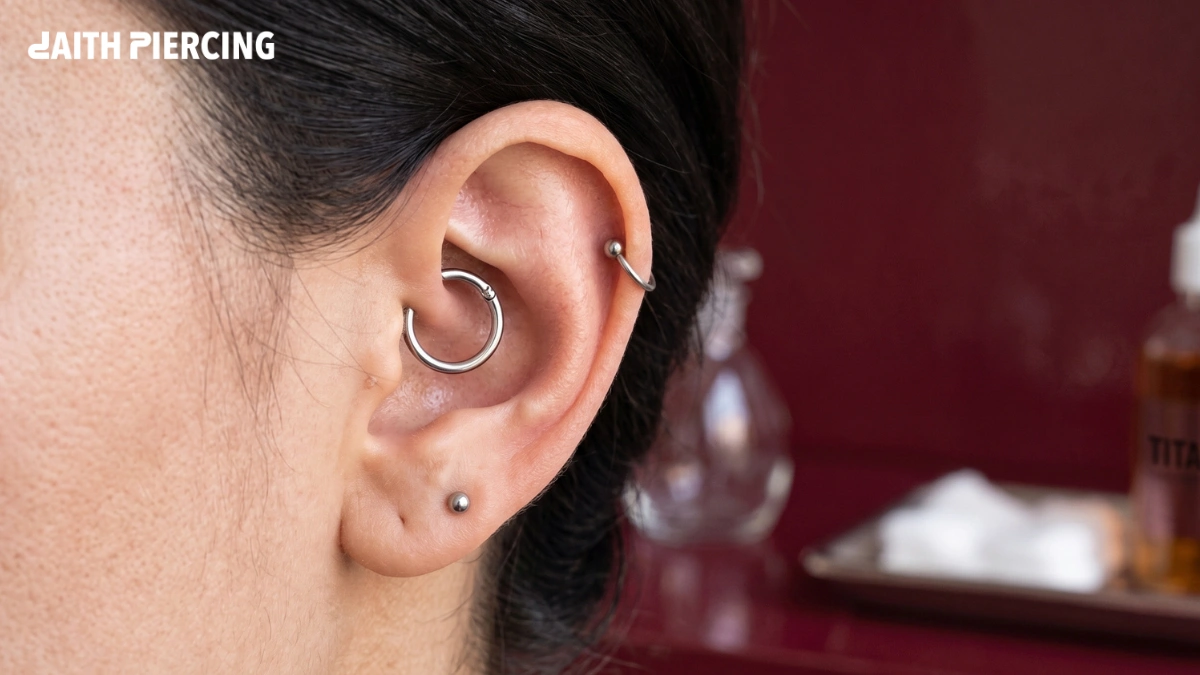
Choosing the right jewelry for a daith piercing is just as important as choosing the piercing itself. The material you wear can affect comfort, healing, and long-term ear health. That is why many professional piercers recommend titanium daith piercing jewelry for both new and healed piercings.
Titanium is lightweight, strong, and highly resistant to corrosion. Most importantly, it is naturally free from nickel, making it an excellent choice for people with sensitive skin or metal allergies. Whether you are getting your first daith piercing or replacing an old piece, titanium offers a safe and comfortable option.
This guide explains why titanium stands out, how it compares with other materials, and what to consider before buying your next daith jewelry.
Quick Answer
Titanium daith piercing jewelry is one of the safest and most comfortable choices for ear piercings. It is lightweight, durable, rust-resistant, and suitable for sensitive skin because it contains little to no nickel. High-quality implant-grade titanium is widely recommended for fresh piercings as it supports healthy healing while reducing the risk of irritation.
What Is Titanium Daith Piercing Jewelry?
Titanium daith piercing jewelry is specially designed for the daith, the small fold of cartilage located just above the ear canal. Since this area is thicker than the earlobe, it needs jewelry that is smooth, lightweight, and comfortable enough for everyday wear.
Unlike many traditional metals, titanium does not easily react with body fluids or moisture. It maintains its finish for years without tarnishing, making it a practical option for long-term wear.
Professional piercers often use implant-grade titanium because it meets strict standards for biocompatibility. This means the material has been developed for safe use inside the human body, giving wearers greater confidence during the healing process.
Why Titanium Is Considered Hypoallergenic
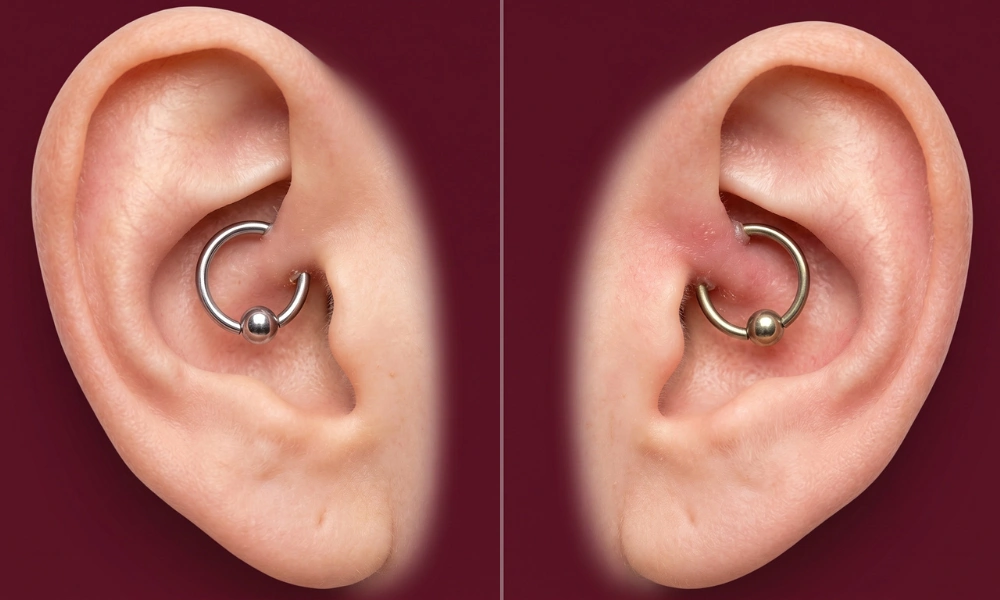
Many people experience redness, itching, or swelling after wearing jewelry made from metals containing nickel. Since nickel allergy is one of the most common metal sensitivities, choosing a safer material becomes essential.
Titanium is widely known as a hypoallergenic metal because it contains virtually no nickel. As a result, it is much less likely to trigger allergic reactions compared with many lower-quality alloys.
Here are the main reasons titanium is gentle on sensitive skin.
Naturally Nickel Free
Most implant-grade titanium contains extremely low or no nickel content. Therefore, it greatly reduces the chance of allergic reactions.
Excellent Biocompatibility
Titanium is used in medical implants, dental implants, and surgical devices because the body generally accepts it well. This same property makes it ideal for body jewelry.
Smooth Surface
High-quality titanium jewelry is polished to a smooth finish. Consequently, there is less friction against healing tissue, which can help improve overall comfort.
Resistant to Corrosion
Sweat, water, and everyday exposure can damage some metals over time. Titanium resists corrosion exceptionally well, allowing it to maintain both its appearance and structural integrity.
Benefits of Titanium Daith Piercing Jewelry
Choosing titanium offers several practical advantages beyond allergy protection.
Comfortable for Daily Wear
Titanium weighs significantly less than stainless steel. Because of this, many people find it more comfortable during long periods of wear, especially in cartilage piercings.
Supports Healing
Fresh piercings require a clean and stable environment. Implant-grade titanium minimizes irritation, allowing the piercing to heal with fewer complications when combined with proper aftercare.
Strong Yet Lightweight
Although titanium feels light, it is remarkably durable. It resists bending under normal use while remaining comfortable enough for everyday activities.
Long Lasting Shine
Unlike some metals that lose their appearance over time, titanium keeps its colour and finish even after years of regular wear.
Suitable for Active Lifestyles
Whether you exercise regularly, travel often, or spend time outdoors, titanium handles moisture and changing weather conditions without rusting or staining.
Who Should Choose Titanium Jewelry?
Titanium is an excellent option for many different people. However, it is especially beneficial in certain situations.
| User | Why Titanium Is a Good Choice |
|---|---|
| First-time piercing clients | Gentle on healing skin |
| People with metal allergies | Reduces the risk of allergic reactions |
| Sensitive skin | Less irritation than many common metals |
| Everyday wearers | Comfortable for long hours |
| Frequent travellers | Resistant to moisture and changing climates |
| Active individuals | Lightweight and durable |
Although titanium suits most people, purchasing from a trusted seller remains important because quality can vary between manufacturers.
Titanium vs Other Daith Jewelry Materials
Selecting the right material becomes easier when you understand how titanium compares with other common choices.
| Feature | Titanium | Surgical Steel | Gold | Sterling Silver |
|---|---|---|---|---|
| Hypoallergenic | Excellent | Good but may contain nickel | Usually good depending on purity | Less suitable for healing |
| Weight | Very light | Heavier | Medium | Medium |
| Rust Resistance | Excellent | Very good | Excellent | Can tarnish |
| Suitable for Fresh Piercings | Yes | Sometimes | High quality only | Generally not recommended |
| Long Term Comfort | Excellent | Good | Excellent | Fair |
Titanium consistently performs well across the factors that matter most, including comfort, durability, and skin compatibility. Therefore, it remains one of the most recommended materials for daith piercings.
Choosing the Right Titanium Daith Piercing Jewelry
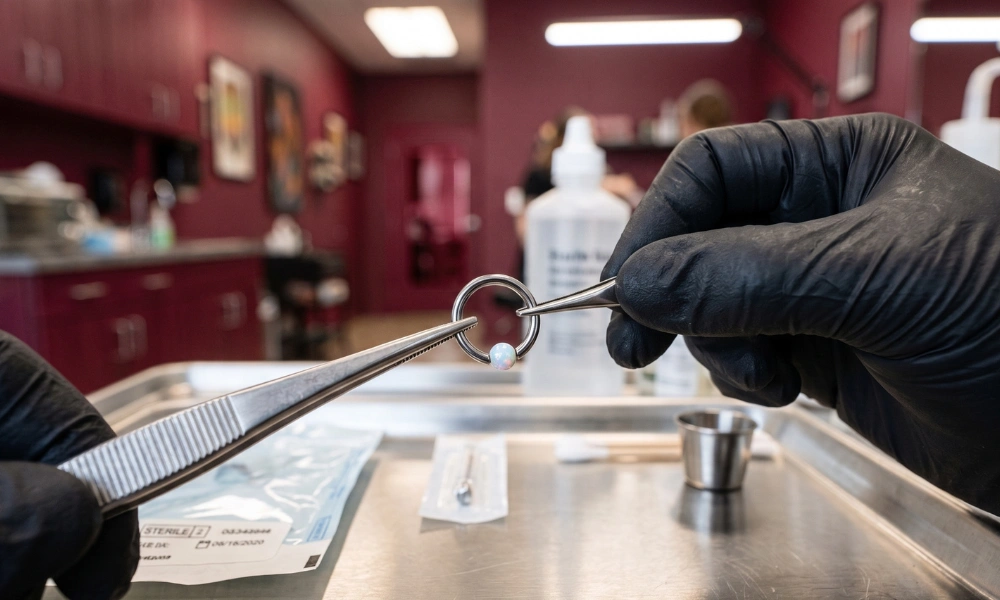
Finding the right piece is about more than appearance. The correct size, shape, and quality can make wearing your daith piercing far more comfortable. Taking a little extra time before buying often prevents problems later.
Check for Implant Grade Titanium
Not all titanium jewellery is made to the same standard. If you’re buying jewellery for a new piercing, look for implant grade titanium such as ASTM F136 or ASTM F67.
These grades are widely used because they are designed to be safe for prolonged contact with the body. They also meet strict quality standards, making them a trusted choice for professional piercers.
Choose the Right Size
A piece that is too tight can put pressure on the piercing. On the other hand, jewellery that is too loose may move around excessively and slow healing.
Your piercer can recommend the correct gauge and diameter based on your ear anatomy. Following their advice helps ensure a comfortable fit.
Buy from Trusted Sellers
Quality varies between brands. Reputable jewellery makers provide clear information about the material, finish, and manufacturing standards.
If product details are vague or the titanium grade is not mentioned, it is often better to choose another seller.
Popular Titanium Daith Jewelry Styles
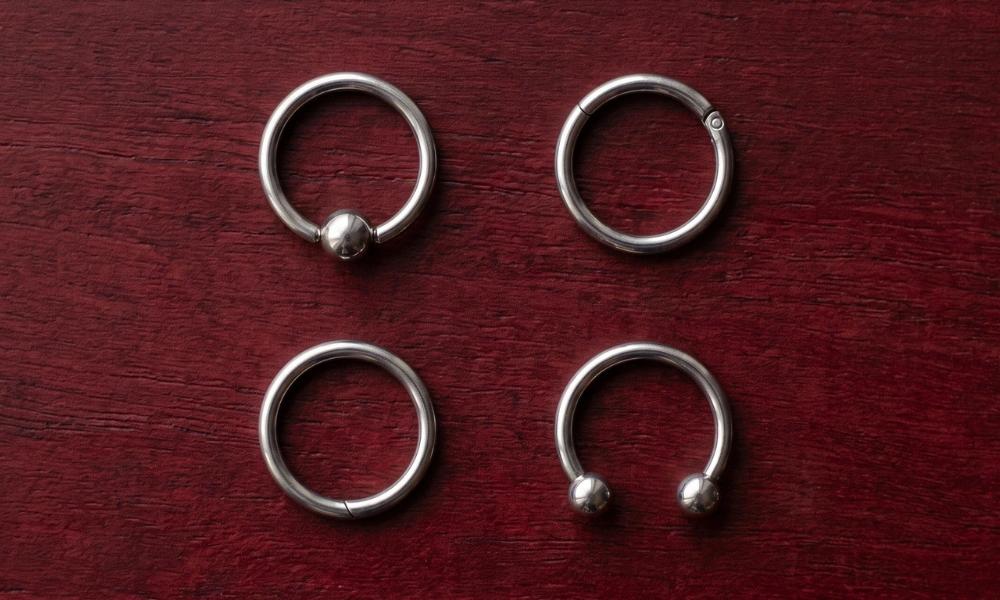
Titanium is available in many designs, allowing you to match your personal style while keeping your piercing comfortable.
Captive Bead Ring
This classic style features a small bead held in place by the ring.
It offers a clean look and remains one of the most popular options for both new and healed daith piercings.
Hinged Segment Ring
A hinged segment ring opens and closes with a built-in hinge.
Many people prefer this design because it is easy to insert and remove without separate tools.
Seam Ring
A seamless ring creates a smooth, continuous circle.
Its minimalist appearance makes it a favourite for those who prefer subtle jewellery.
Clicker Ring
Clicker rings combine style with convenience.
Available in simple finishes and decorative designs, they lock securely into place while remaining easy to change once the piercing has healed.
Implant Grade Titanium Explained
The phrase “implant grade” appears on many jewellery listings, but understanding what it means helps you make a better purchase.
Implant grade titanium is manufactured to meet medical standards for safety and biocompatibility. It is commonly used in medical implants because it performs well inside the human body.
For body jewellery, the most recognised grades include:
| Titanium Grade | Common Use | Suitable for Daith Piercings |
|---|---|---|
| ASTM F136 | Implant grade body jewellery | Yes |
| ASTM F67 | Medical implants | Yes |
| Commercial titanium with no certification | General products | Not always recommended |
Choosing certified implant-grade titanium gives greater confidence that the jewellery has been produced to recognised quality standards.
How to Care for Titanium Daith Jewelry
Even though titanium is durable, proper care helps keep both your jewellery and piercing in excellent condition.
Clean with Saline Solution
Sterile saline solution is usually the safest option for cleaning a healing piercing.
Avoid using harsh chemicals unless your piercer specifically recommends them.
Wash Your Hands First
Always wash your hands before touching your piercing.
This simple habit reduces the chance of transferring bacteria to the area.
Avoid Unnecessary Twisting
Many people think rotating jewellery helps healing, but this can actually irritate the piercing.
Instead, leave the jewellery in place unless cleaning or advised by your piercer.
Keep Hair and Cosmetics Away
Hair products, perfumes, and makeup can build up around the piercing.
Cleaning away any residue helps maintain a healthier healing environment.
Schedule Professional Checks
If you notice unusual swelling, persistent pain, or signs of infection, contact your piercer or a healthcare professional rather than attempting to fix the problem yourself.
Common Mistakes to Avoid
Many daith piercing issues can be prevented with a few simple choices.
| Mistake | Better Approach |
|---|---|
| Buying unknown metal alloys | Choose certified implant-grade titanium |
| Changing jewellery too early | Wait until the piercing has fully healed |
| Ignoring proper sizing | Ask a professional for the correct fit |
| Touching the piercing frequently | Handle it only when necessary |
| Choosing jewellery based only on price | Prioritise quality and certified materials |
Avoiding these mistakes can make the healing process smoother and improve long-term comfort.
Expert Tips for Buying Titanium Daith Piercing Jewelry
Prioritise Quality Over Style
Decorative designs are appealing, but the material should always come first. High-quality titanium is worth the investment because it is likely to last for years.
Confirm the Titanium Grade
Reliable retailers clearly state whether their jewellery is ASTM F136 or ASTM F67.
If this information is missing, ask before purchasing.
Match the Jewellery to Your Lifestyle
If you play sports or lead an active lifestyle, a secure clicker or captive bead ring may be a practical choice.
For everyday wear, lightweight seamless rings offer comfort and simplicity.
Think About Future Style Changes
Starting with a simple titanium piece makes it easier to change styles later after your piercing has healed completely.
Conclusion
Titanium daith piercing jewelry has earned its reputation as one of the safest and most dependable choices for cartilage piercings. Its lightweight feel, excellent durability, and hypoallergenic properties make it suitable for both first-time wearers and those with sensitive skin.
While style is important, choosing certified implant-grade titanium should always come first. Pairing high-quality jewellery with proper aftercare can support a smoother healing process and provide lasting comfort. Whether you prefer a simple seamless ring or a decorative clicker, titanium offers a balance of safety, appearance, and everyday practicality.
Frequently Asked Questions
Is titanium better than surgical steel for a daith piercing?
For many people, yes. Titanium is lighter and usually contains little to no nickel, making it a better choice for sensitive skin and fresh piercings.
Can I wear titanium jewellery every day?
Yes. Titanium is designed for long-term wear and resists corrosion, making it suitable for daily use.
Does titanium jewellery rust?
No. Titanium naturally resists rust and corrosion, even with regular exposure to moisture.
Can titanium change colour?
Titanium does not tarnish like silver. Some pieces are anodized to create colours, but the metal itself remains highly durable.
Is titanium suitable for sensitive ears?
Yes. Implant-grade titanium is widely recognized as one of the safest materials for people with sensitive skin or nickel allergies.
How long should I wait before changing my daith jewellery?
Healing times vary between individuals. Most professional piercers recommend waiting until the piercing has fully healed before changing jewellery, which can take several months.