Pimples can show up at the worst possible time, and when that happens, people often look for simple remedies that can calm the skin quickly. One ingredient that gets a lot of attention is zinc. But does zinc on pimples actually work, or is it just another skincare trend?
The short answer is: zinc may help acne, especially inflammatory pimples, but it is not a magic cure. Research suggests that zinc has anti-inflammatory and antibacterial properties and may reduce inflammatory acne lesions. However, the evidence is not strong enough to treat zinc as a replacement for proven acne medicines.
This guide explains what zinc can do for pimples, the difference between topical and oral zinc, how to use it safely, and when it makes more sense to choose a proven acne treatment instead.
Key Takeaways
- Zinc may help reduce inflammation linked to pimples.
- Oral zinc has shown some benefit in studies, particularly for inflammatory acne.
- Putting ordinary zinc supplements directly on pimples is not recommended.
- Zinc-containing skincare products are different from zinc tablets.
- Too much oral zinc can cause side effects and interfere with copper absorption.
- Zinc can be useful as part of a skincare routine, but it should not replace established acne treatments when those treatments are needed.
- Persistent, painful, or scarring acne should be assessed by a dermatologist.
What Is Zinc and Why Is It Linked to Acne?
Zinc is an essential mineral that the body needs for normal immune function, wound healing, cell growth, and many other processes. Because inflammation plays an important role in acne, researchers have looked at zinc as a possible way to support acne treatment.
Acne develops when hair follicles become clogged with oil and dead skin cells. Inflammation and changes involving skin bacteria can then contribute to pimples. Zinc has been studied because it may have anti-inflammatory and antibacterial effects and may also influence oil production.
A 2020 systematic review and meta-analysis found that people with acne had lower serum zinc levels than controls in the studies reviewed. The researchers also found that zinc treatment was associated with an improvement in inflammatory papule counts. That sounds promising, but it does not mean everyone with pimples has a zinc deficiency or that taking zinc will automatically clear their skin.
Does Zinc on Pimples Actually Work?
The phrase zinc on pimples can mean two different things: applying a zinc-containing product to the skin or taking zinc by mouth.
These approaches should not be treated as the same thing.
Topical zinc has been investigated for acne, but older clinical research has produced mixed results. For example, a study of a 2% zinc sulfate solution found no meaningful difference between zinc and placebo after 12 weeks, while skin irritation was greater with the zinc treatment.
This is why you should not assume that any zinc product will work simply because zinc itself has some acne-related properties.
Modern acne guidelines also place stronger emphasis on treatments with better-established evidence, including topical retinoids, benzoyl peroxide, salicylic acid, and azelaic acid.
Zinc for Inflammatory Pimples
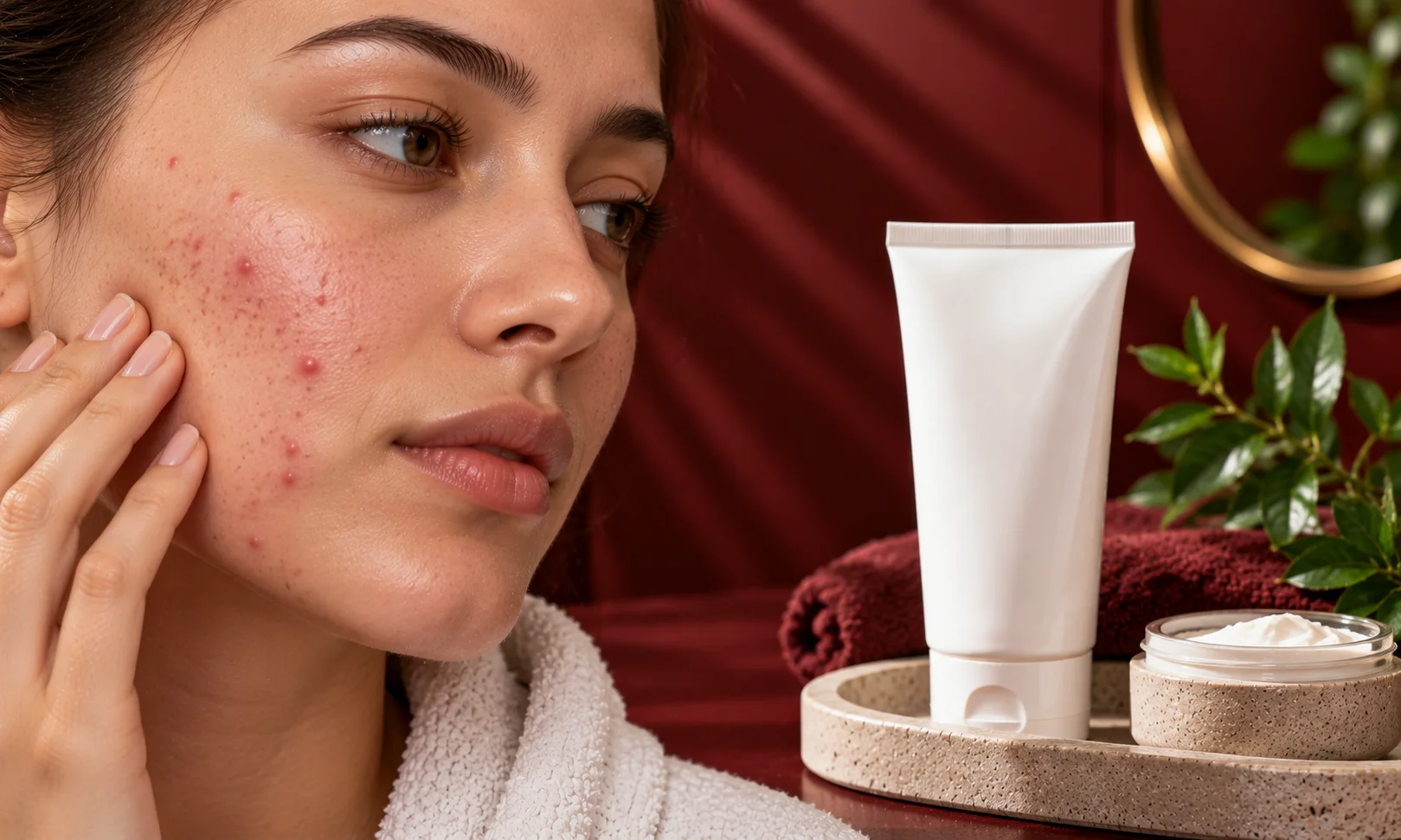
Zinc may be more interesting when your acne includes red, swollen, or inflamed pimples.
Inflammation is one of the major features of acne, and zinc’s potential anti-inflammatory activity is one reason researchers have studied it. The 2020 meta-analysis found a significant improvement in inflammatory papule counts among people treated with zinc compared with controls.
That does not mean zinc will make a large pimple disappear overnight. Acne treatments usually need consistent use over time, and results depend on the type and severity of acne.
For someone with occasional mild pimples, a well-formulated zinc-containing skincare product may be reasonable to consider. For moderate or severe acne, relying only on zinc could delay more effective treatment.
Can You Put Zinc Tablets Directly on Pimples?
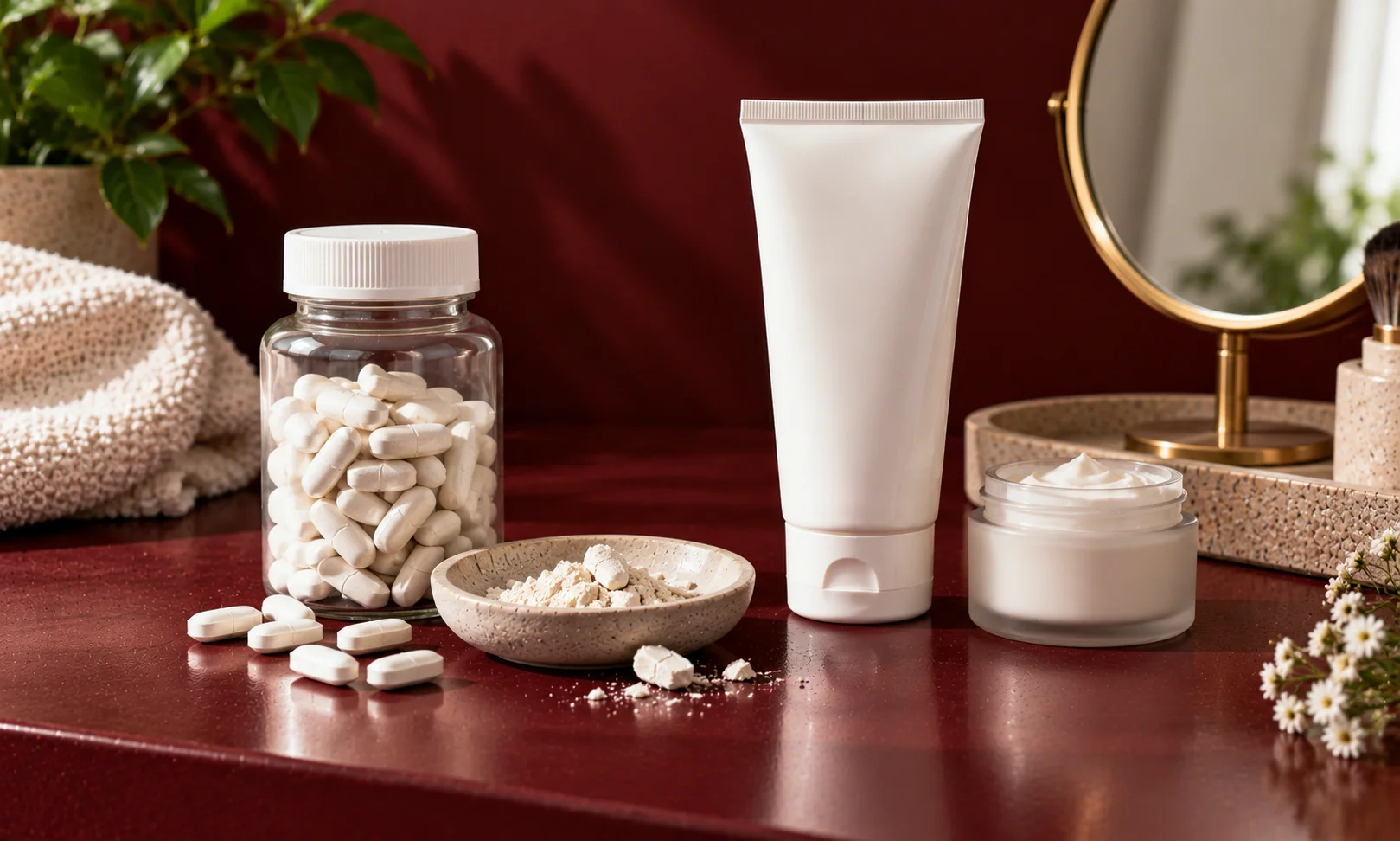
No. Crushing a zinc tablet and putting the powder on a pimple is not the same as using a skincare product formulated with zinc. Tablets and supplements are designed for oral use. They may contain ingredients that are not intended to sit on your skin and can potentially irritate. There is also no good reason to assume that a concentrated tablet powder will work better than a properly formulated topical product.
If you want to try zinc on pimples, choose a skincare product specifically made for topical use and follow its directions.
A simple rule is worth remembering: a supplement belongs in your diet unless its label specifically says it is designed for skin application.
What About Taking Zinc Supplements for Acne?
Oral zinc has been studied more extensively than simply applying zinc to pimples. Some clinical trials have reported improvements in acne, while others have produced less convincing results. A review of the literature concluded that the evidence for both oral and topical zinc was limited or inconsistent.
One randomized study compared zinc gluconate with minocycline in inflammatory acne. After three months, clinical success was considerably higher with minocycline than with zinc, showing that zinc should not automatically be considered an alternative to established acne medicines.
So, should you start taking zinc just because you have pimples? Not necessarily.
If you already get enough zinc from food, taking extra zinc may not provide much benefit and can create unnecessary risks. It is better to discuss supplementation with a healthcare professional, particularly if you take medication or plan to use zinc for a long period.
How Much Zinc Is Too Much?
This is where being careful really matters.
The National Institutes of Health lists 40 mg per day as the tolerable upper intake level for adults from all sources, including food, drinks, supplements, and medications. This limit is different from the amount a person actually needs each day.
Taking too much zinc can cause nausea, vomiting, stomach discomfort, headaches, dizziness, and loss of appetite. Long-term high intake can also interfere with copper absorption and potentially lead to copper deficiency.
Some acne studies have used zinc doses under medical or research supervision, but that does not mean those doses are suitable for everyone. Do not copy a study dose without understanding the form of zinc, elemental zinc amount, duration, and your own health situation.
Zinc vs. Proven Acne Treatments
Zinc can sound appealing because it is a simple mineral, but acne usually needs a treatment that targets the actual causes of breakouts.
The American Academy of Dermatology’s updated acne guidelines recommend several evidence-based options. These include benzoyl peroxide, topical retinoids, topical antibiotics, salicylic acid, and azelaic acid. The appropriate treatment depends on the type and severity of acne.
For example, salicylic acid can help unclog pores, while topical retinoids help prevent clogged pores and treat different types of acne. Benzoyl peroxide can reduce acne-causing bacteria and is commonly used as part of combination treatment.
That does not make zinc useless. It simply puts zinc in the right place: a possible supportive ingredient rather than a guaranteed acne cure.
How to Use a Zinc Skincare Product
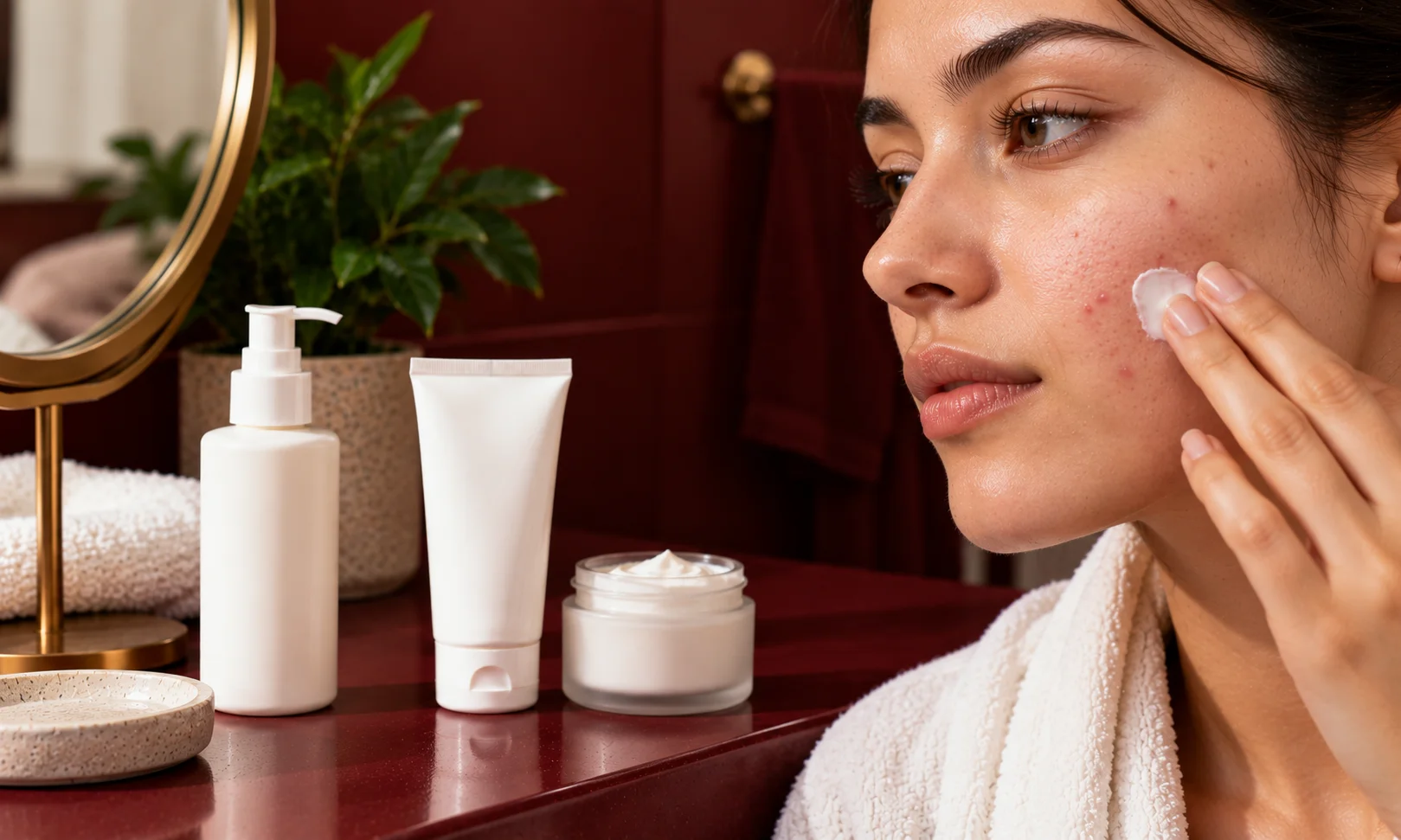
If you decide to try a zinc-containing skincare product, keep the rest of your routine simple.
Start with a gentle cleanser and avoid scrubbing the affected area. Apply the zinc product according to its instructions rather than using a large amount. If your skin becomes red, itchy, burning, or unusually dry, stop using it and allow your skin to recover.
Do not pile several strong acne products onto the same area just because you want faster results. More active ingredients do not always mean faster improvement. Irritated skin can become uncomfortable and may make your skincare routine harder to maintain.
Daily sunscreen is also important, especially if your routine includes acne treatments that can irritate the skin. Dermatologists commonly recommend broad-spectrum SPF 30 or higher.
When Should You See a Dermatologist?
A few pimples from time to time are usually manageable with a basic skincare routine. The situation is different when acne becomes persistent, painful, widespread, or leaves scars and dark marks.
You should consider professional advice if your acne keeps returning despite consistent treatment, if you have deep or painful lumps, or if breakouts are affecting your confidence and daily life.
A dermatologist can determine whether you have ordinary acne or another skin condition that looks similar. They can also choose treatment based on the severity of your acne instead of asking you to experiment with several products.
For readers of DaithPiercing, the same basic skincare principle applies: when it comes to the skin, gentle care and evidence-based products are usually a better choice than random DIY remedies.
Evidence Behind This Guide
This article is written using evidence from peer-reviewed acne research, systematic reviews, the National Institutes of Health Office of Dietary Supplements, and current American Academy of Dermatology acne guidance. Research supports a possible role for zinc in reducing inflammatory acne lesions, but the overall evidence is not strong enough to present zinc as a universal acne treatment.
Because acne treatments can affect different skin types in different ways, medical advice is particularly important for severe, painful, persistent, or scarring acne. This information is educational and should not replace an individualized diagnosis or treatment plan from a qualified healthcare professional.
Final Thoughts
Zinc on pimples is not just a skincare myth, but it is also not a miracle solution. Research suggests that zinc may help with inflammation and inflammatory acne, yet the evidence remains mixed, particularly for topical zinc used alone.
The smartest approach is to keep expectations realistic. Use properly formulated skincare, avoid putting crushed supplements directly on your skin, and do not take high-dose zinc without a good reason. If your acne is persistent or severe, proven treatments and professional guidance are more reliable than chasing quick fixes.
Frequently Asked Questions
Does zinc get rid of pimples overnight?
No. Zinc is not an overnight acne cure. Even treatments with strong evidence usually need consistent use before noticeable improvement appears.
Can I put zinc oxide on a pimple?
Zinc oxide is used in many skin products, but a zinc oxide product is not automatically an acne treatment. Choose a formulation designed for facial skin and follow its instructions rather than applying random zinc products to individual pimples.
Is oral zinc better than topical zinc for acne?
There is no simple answer. Oral zinc has been studied for acne and may help inflammatory lesions in some people, while evidence for topical zinc alone is mixed. Neither should be assumed to work better for everyone.
Can zinc supplements cause acne?
Zinc itself is not generally considered a cause of acne. However, taking unnecessary high doses can cause health problems, including nausea and copper deficiency. Adults should not routinely exceed the 40 mg daily upper intake level without medical supervision.
What is better for pimples, zinc or salicylic acid?
For acne treatment, salicylic acid has stronger support in current dermatology guidelines. It helps unclog pores and is particularly useful for whiteheads and blackheads. Zinc may have a supporting role, but it should not automatically replace established acne treatments.
Should I take zinc if I have acne?
Not automatically. If your diet already provides enough zinc, extra supplementation may not be necessary. If you are considering zinc supplements specifically for acne, speak with a healthcare professional first, especially if you take antibiotics or other medicines because zinc can interfere with the absorption of some drugs.