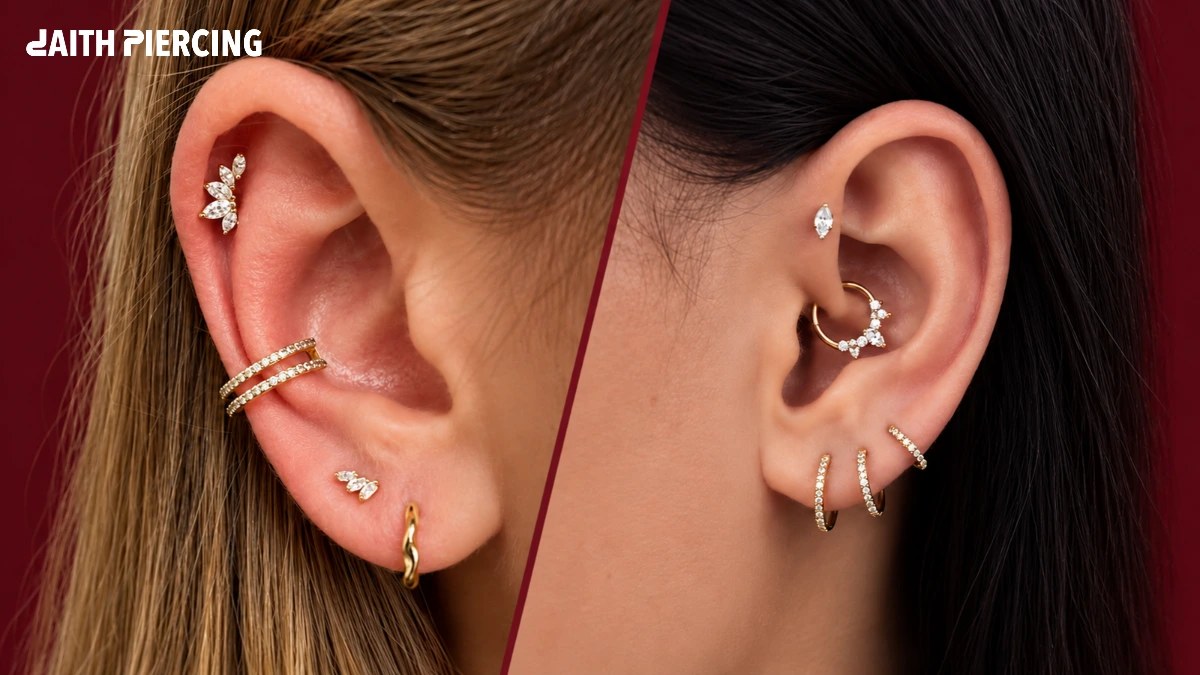
Daith Piercing vs Cartilage: When people search for daith piercing vs cartilage, there is one important detail to clear up first: a daith piercing is actually a type of cartilage piercing.
The real comparison is usually between a daith and other popular cartilage placements, such as the helix, tragus, conch, or rook. Each one sits in a different part of the ear, creates a different look, and can feel different during healing.
If you are considering a new piercing, understanding those differences can make the decision much easier. This guide from daithpiercing breaks down placement, pain, healing time, jewelry, aftercare, risks, and appearance without making the choice more complicated than it needs to be.
Key Takeaways
- A daith piercing is itself a type of cartilage piercing.
- The daith sits in the inner cartilage fold close to the ear canal.
- Helix, tragus, conch, and rook piercings are other common cartilage options.
- Cartilage piercings generally heal more slowly than earlobe piercings.
- Daith and other cartilage piercings can take roughly six to 12 months to fully heal.
- Jewelry style and ear anatomy can make one placement more suitable than another.
- Good aftercare means minimizing unnecessary touching and irritation.
- Increasing pain, swelling, warmth, pus, or fever can indicate an infection and may require medical attention.
- A daith piercing should not be relied on as a treatment for migraines because there is no strong scientific evidence supporting that claim.
What Is a Daith Piercing?
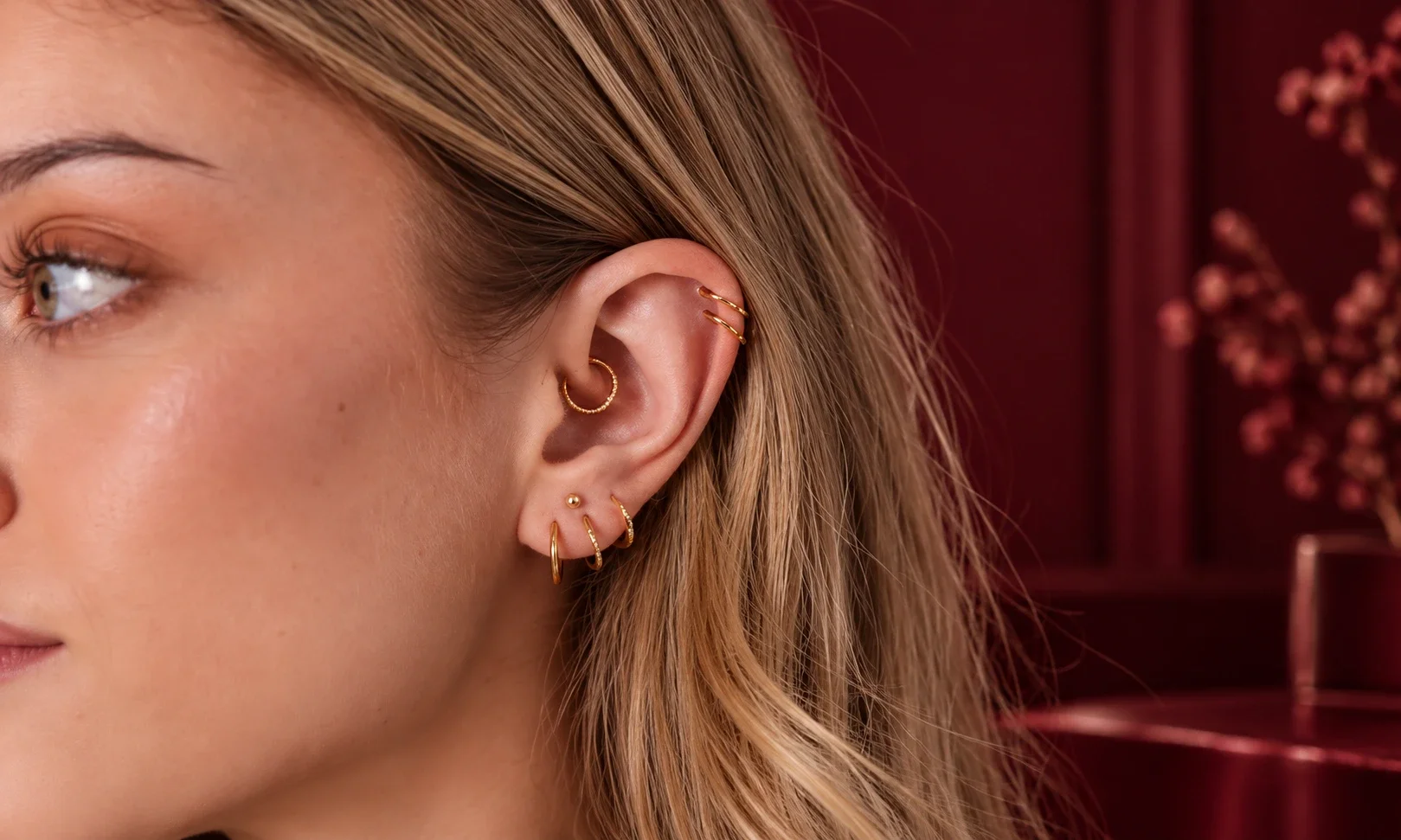
A daith piercing passes through the small fold of cartilage located inside the ear, close to the opening of the ear canal. Because of its tucked-away position, it has a very different appearance from piercings placed along the outer edge of the ear.
A small hoop is commonly associated with the daith because it follows the natural curve of this inner cartilage. The result is subtle but noticeable when someone looks closely.
The placement is also one reason daith piercings can be more challenging for a piercer. Ear anatomy varies from person to person, so a professional piercer should check whether the fold has enough suitable tissue before deciding on placement.
One popular misconception is that a daith piercing can treat or prevent migraines. There is currently no strong scientific evidence showing that a daith piercing prevents migraines, so it should be considered body jewelry rather than a medical treatment.
What Does “Cartilage Piercing” Mean?
Cartilage piercing is a broad term rather than the name of one specific piercing.
The upper and inner parts of the external ear contain cartilage, and several different piercing placements can be made through it. Common examples include:
- Helix: The outer upper rim of the ear.
- Forward helix: The front section of the upper ear.
- Tragus: The small cartilage flap near the ear opening.
- Conch: The bowl-shaped central part of the ear.
- Rook: The cartilage fold above the daith.
- Daith: The inner cartilage fold close to the ear canal.
The important point is simple: a daith is cartilage, but not every cartilage piercing is a daith.
Because cartilage has less direct blood supply than soft tissue, cartilage piercings generally take longer to heal than standard lobe piercings.
Daith Piercing vs Cartilage: The Main Differences
The biggest differences come down to placement, appearance, jewelry, comfort, and healing experience.
A daith sits deeper inside the ear, while many other cartilage piercings are positioned on more visible areas of the ear.
For example, a helix piercing follows the outer rim and can create a clean stacked-ear look. A conch sits more centrally and can make a bold statement with either a stud or hoop. A tragus is positioned near the ear canal and usually has a smaller, more compact appearance.
The daith has its own visual identity because the jewelry sits within the inner fold rather than along the outside of the ear.
There is no universal answer about which placement feels better or looks better. Ear shape, jewelry preference, lifestyle, and individual pain tolerance all matter.
Which One Hurts More?
Pain is one of the hardest things to compare because everyone experiences piercing differently.
Cartilage generally feels more intense than a standard lobe piercing because cartilage is thicker and has more nerves. Cleveland Clinic notes that cartilage piercings can be more painful than earlobe piercings and may remain tender while healing.
A daith may feel like a strong pinch followed by pressure or soreness. Some people describe it as manageable, while others find the deeper placement uncomfortable.
Other cartilage placements can also be uncomfortable. A conch, rook, or tragus may feel different because the needle passes through different structures and amounts of cartilage.
So instead of asking which piercing is automatically more painful, it makes more sense to think about your own pain tolerance and the anatomy of your ear.
Healing Time: Daith vs Other Cartilage Piercings
Healing is where patience becomes especially important. Cartilage generally heals more slowly than the earlobe because it receives less blood supply. Cleveland Clinic lists daith, rook, conch, helix, and tragus piercings among cartilage piercings that can take around six to 12 months to fully heal.
That does not mean your piercing will feel painful for the entire healing period. A piercing can look calm on the outside while the deeper tissue is still healing. This is why changing jewelry too early can create unnecessary irritation.
The exact timeline can vary depending on your anatomy, jewelry, piercing technique, irritation, and general healing response.
Why Cartilage Takes So Long
Cartilage does not have the same blood supply as softer tissue. This slower circulation contributes to a longer healing process. It also means repeatedly bumping, sleeping directly on, or playing with a fresh cartilage piercing can keep irritating the area.
That is why a relaxed approach usually works better than constantly checking whether the piercing has healed.
Jewelry Differences
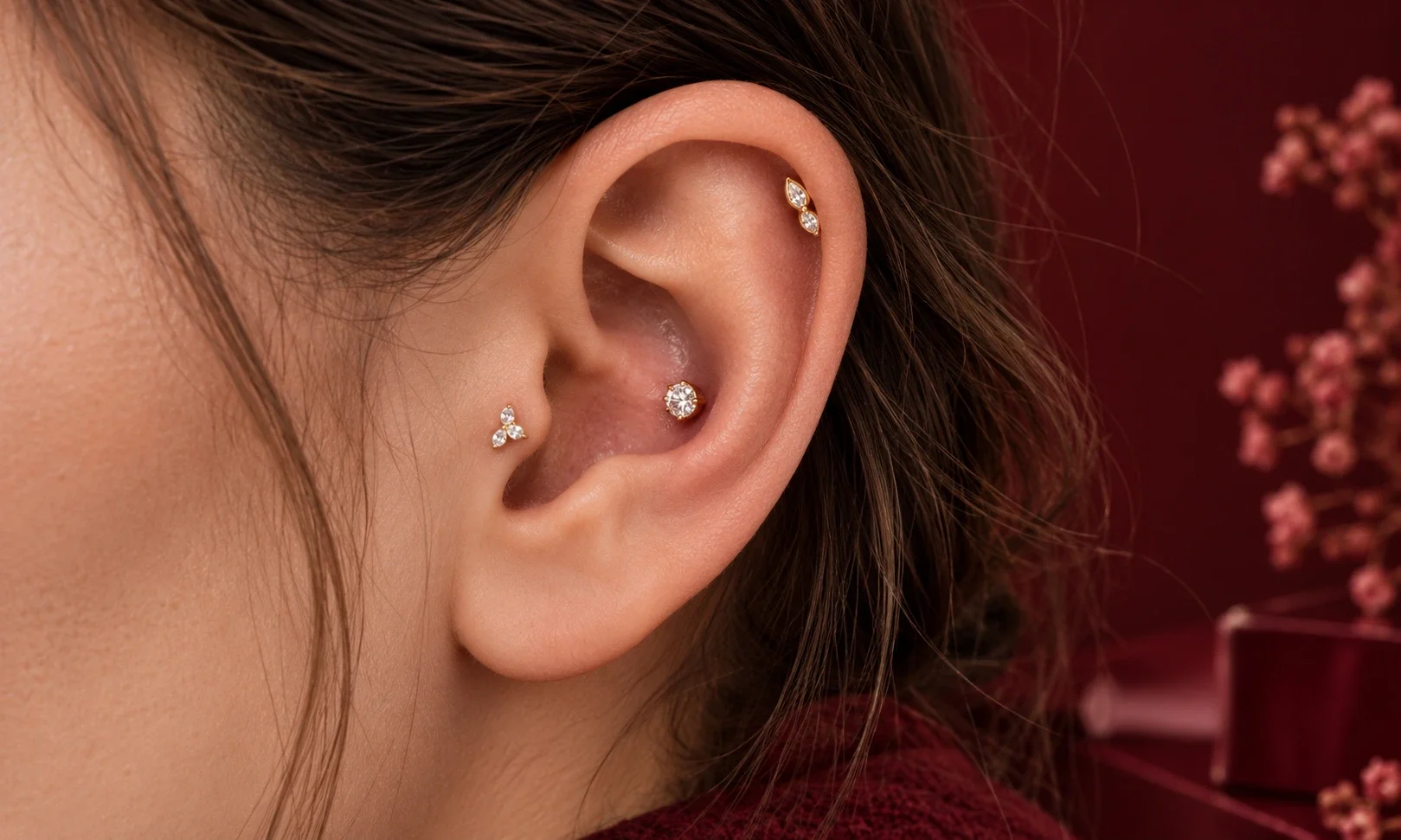
Jewelry can completely change how a piercing looks. Daith piercings are commonly associated with curved or circular jewelry, especially rings that follow the inner fold of the ear. The jewelry should be properly sized so it does not create unnecessary pressure. Other cartilage placements offer more variety.
A helix can work with studs, flat-back jewelry, or hoops once appropriate for the healed piercing. A conch can look completely different depending on whether you choose a stud or ring. Tragus piercings are often paired with small, discreet jewelry because of the limited space.
Material matters too. Nickel can cause allergic reactions in sensitive individuals, so choosing suitable body-jewelry materials from a reputable piercer is important.
Aftercare for a Daith or Cartilage Piercing
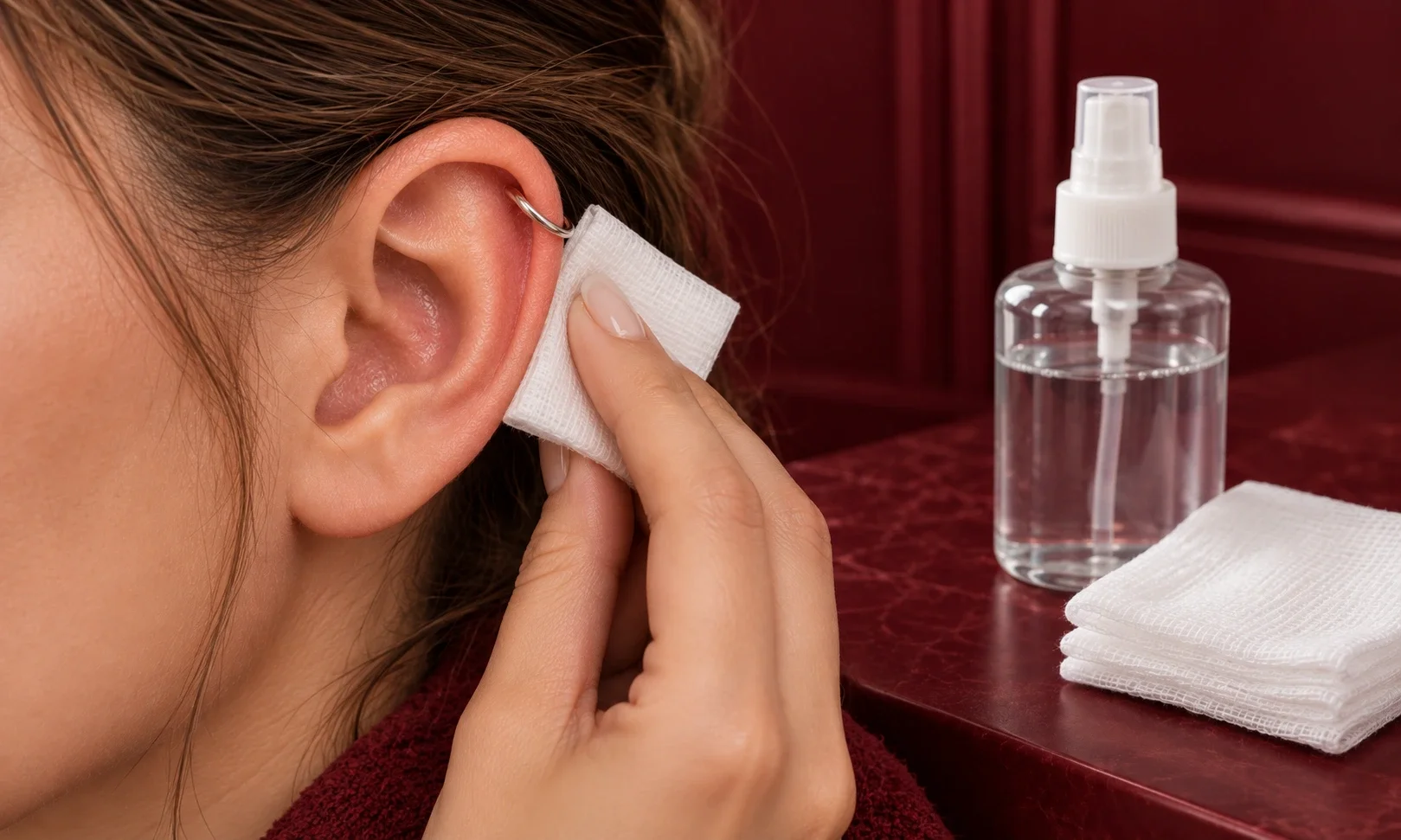
Good aftercare is not about constantly touching your piercing. In fact, unnecessary handling can create more irritation.
Wash your hands before touching the area and follow the cleaning instructions provided by your professional piercer. Avoid twisting or playing with the jewelry, and try to prevent pressure from headphones, helmets, hair, clothing, or sleeping positions.
Avoid swimming in pools and hot tubs while a fresh piercing is healing, unless your healthcare professional or piercer gives you different guidance. Cleveland Clinic also recommends keeping new piercings clean and avoiding unnecessary touching.
Most importantly, do not treat a healing cartilage piercing like it is already finished. The outside can appear healthy while the inside is still repairing itself.
Daith Piercing vs Cartilage: Which Looks More Noticeable?
This depends heavily on your personal style. A daith tends to have a more hidden and delicate appearance. The jewelry sits inside the ear, so it can feel like a small detail rather than the main feature.
A helix or outer cartilage piercing is generally easier to see from the side. Multiple helix piercings can also create a layered or curated-ear appearance.
A conch can sit somewhere in between. Its central position gives it enough visual presence to stand out without necessarily dominating the whole ear.
If you prefer something subtle, a daith may fit that aesthetic. If you want your jewelry to be immediately visible, an outer cartilage placement may create a stronger visual effect.
What Are the Risks?
Every piercing creates an opening in the skin, so irritation and infection are possible. Normal early healing can include tenderness, mild swelling, redness, or crusting. However, worsening pain, significant swelling, spreading redness, warmth, pus, fever, or other concerning symptoms should not simply be ignored.
Cartilage infections deserve particular attention because infections involving the tissue around ear cartilage can become serious if untreated. Perichondritis, for example, can cause pain, redness, and swelling and may require medical treatment.
This is one reason choosing an experienced professional piercer and maintaining proper hygiene matters.
How to Choose Between a Daith and Other Cartilage Piercings
Start with your ear anatomy rather than choosing a piercing only because you saw it online. A professional piercer can examine your ear and explain which placements are realistically suitable. Then think about your everyday routine.
If you regularly wear headphones, sleep on one side, play contact sports, or frequently use equipment that presses against your ear, the placement you choose may affect your comfort during healing. Your usual beauty routine matters too, especially if you use skincare or makeup products near your ears. You can also explore tips on preventing makeup pilling to keep your beauty routine simple.
Your jewelry preference matters as well. Someone who loves delicate inner-ear hoops may naturally prefer a daith, while someone who wants visible studs may prefer a helix, conch, or tragus. There is no single cartilage piercing that works perfectly for everyone. If you enjoy exploring personal style, you might also like these guides to builder gel nails and best hair oils.
What to Know Before Getting Pierced
Choosing a piercing is personal, but the information behind that choice should come from reliable sources. For healing and health-related information, this article draws on guidance from Cleveland Clinic, including its medical information on ear piercing, cartilage, and piercing infections.
For the actual piercing, look for a professional who uses appropriate sterile equipment, evaluates your individual ear anatomy, explains the procedure clearly, and provides aftercare instructions. If you develop symptoms that look like an infection, a healthcare professional should assess the area rather than relying only on online advice.
Frequently Asked Questions
Is a daith piercing a cartilage piercing?
Yes. A daith piercing passes through cartilage in the inner part of the ear. The term “cartilage piercing” simply covers several different ear placements, including daith, helix, conch, rook, and tragus.
Is daith piercing more painful than other cartilage piercings?
There is no universal answer. Pain depends on individual sensitivity, ear anatomy, piercing technique, and the specific location. Cartilage piercings generally feel more intense than standard lobe piercings.
How long does a daith piercing take to heal?
A daith may take around six to 12 months to fully heal. The timeline varies between people, and a piercing that looks fine externally may still be healing internally.
Can I sleep on my daith piercing?
It is better to avoid direct pressure on a fresh piercing. Sleeping on it can cause irritation and unnecessary movement, which may make healing more difficult.
Can a daith piercing help migraines?
There is no strong scientific evidence that daith piercings prevent or treat migraines. The idea is sometimes linked to acupuncture, but a piercing is not equivalent to a medically performed acupuncture treatment.
Should I choose a daith, helix, conch, or another cartilage piercing?
Think about your ear anatomy, preferred jewelry, visibility, lifestyle, and tolerance for the healing process. A qualified professional piercer can also examine your ear and help determine which placements are suitable for you.
Disclaimer:
This article is for informational and educational purposes only and should not replace professional medical advice, diagnosis, or treatment. Piercing placement, pain levels, healing times, and results can vary depending on individual ear anatomy, piercing technique, and aftercare. Always consult a qualified professional piercer before getting a daith or other cartilage piercing. If you experience increasing pain, severe swelling, spreading redness, warmth, pus, or fever, seek advice from a healthcare professional. A daith piercing is a form of body jewelry and should not be considered a proven treatment for migraines.