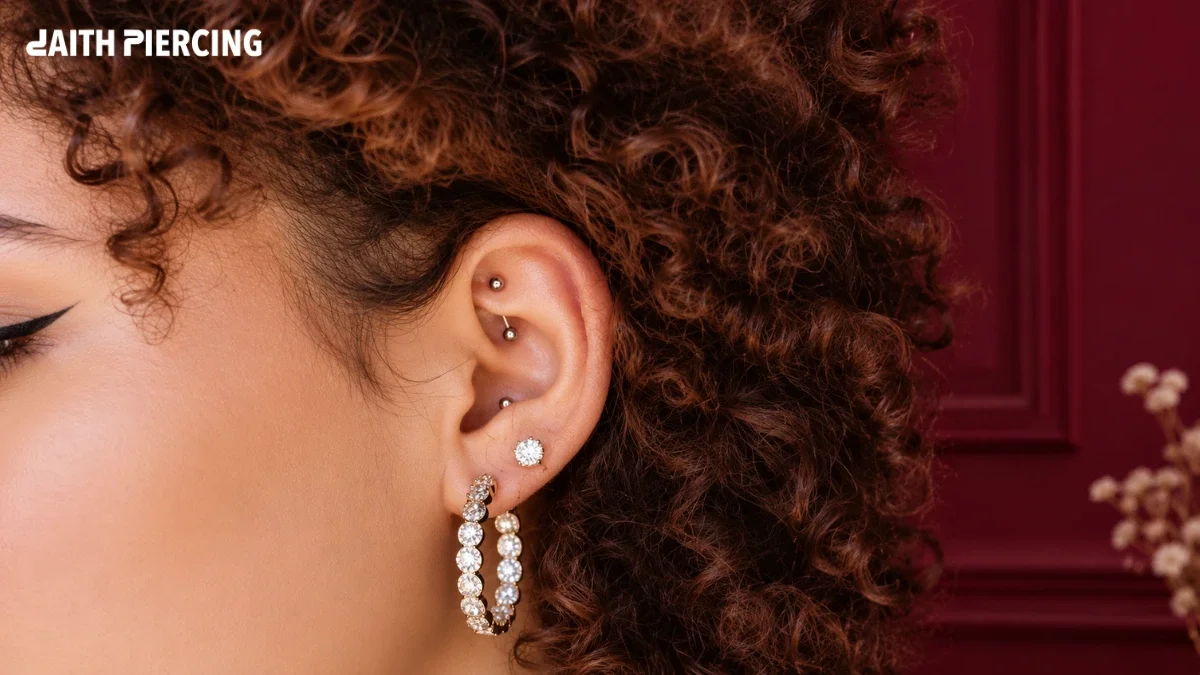
A rook piercing is one of those ear piercings that looks small but gets noticed. It sits in the inner fold of the upper ear cartilage and gives your ear a slightly different look without taking up too much space. If you like delicate jewelry but want something a little less common than a helix or tragus piercing, the rook might be worth considering.
But before booking an appointment, you probably have a few questions. Does a rook piercing hurt? How long does it take to heal? Can you sleep on it? And what kind of jewelry should you choose?
A rook piercing passes through a small fold of cartilage, so it needs careful placement and patience during healing. It can take around 6–9 months or longer to heal fully. Good jewelry, professional technique, and simple aftercare all make a difference.
At DaithPiercing, we want readers to understand what they’re choosing before getting a new piercing. Whether you’re considering a rook piercing or exploring other styles like an eyebrow piercing, here’s what you should know about the rook piercing, from the first appointment to the healing process.
Key Takeaways
-
A rook piercing passes through the inner fold of upper ear cartilage.
-
Pain varies, but the procedure can feel sharper than a standard lobe piercing.
-
Healing usually takes 6–9 months or longer.
-
Curved barbells are commonly used, depending on ear anatomy.
-
Implant-certified titanium is a suitable initial jewelry option.
-
Sterile saline and gentle cleaning are recommended for aftercare.
-
Avoid sleeping directly on the healing ear.
-
Increasing pain, swelling, warmth, or pus may indicate infection and need medical attention.
What Is a Rook Piercing?
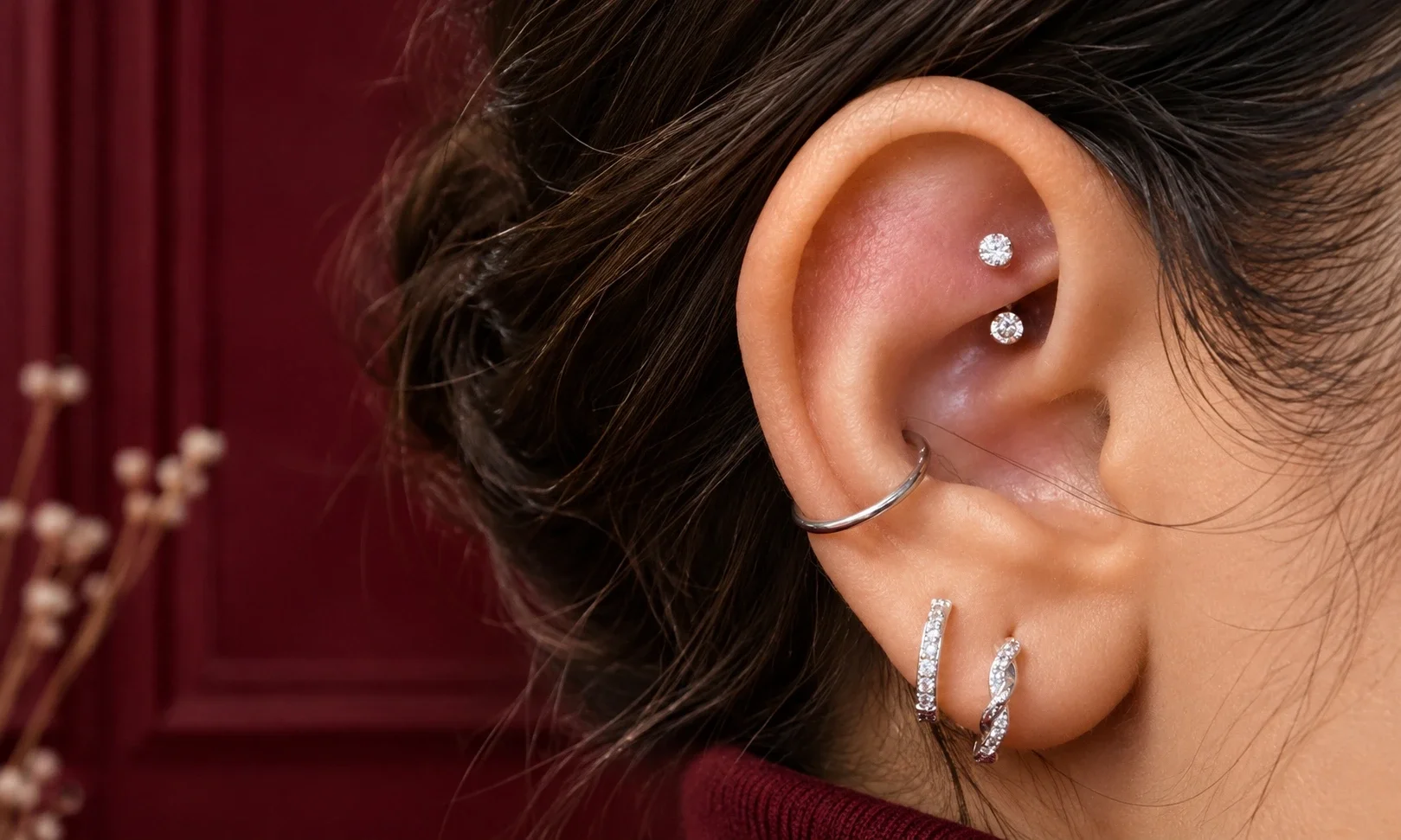
A rook piercing is an ear cartilage piercing placed through the small raised fold between the inner and outer parts of your upper ear. This fold is called the antihelix, and the piercing sits above the daith area.
Unlike a lobe piercing, which passes through soft tissue, a rook piercing goes through cartilage. That’s why the placement, jewelry size, and healing process need extra attention.
One reason people like this piercing is its position. It’s tucked inside the ear rather than sitting along the outer edge. This gives it a subtle appearance while still making it stand out when someone looks closely.
Not everyone has the same ear shape, though. Some people have a well-defined rook fold, while others have a fold that’s too small or flat for safe placement. A professional piercer should check your anatomy before recommending this piercing.
Does a Rook Piercing Hurt?
Yes, you can expect some pain, but the experience is different for everyone. A rook piercing usually feels more intense than a standard lobe piercing because the needle passes through thicker cartilage.
You may feel a sharp pinch followed by pressure during the procedure. The area can also feel sore or tender for a while afterward.
What Does Rook Piercing Pain Feel Like?
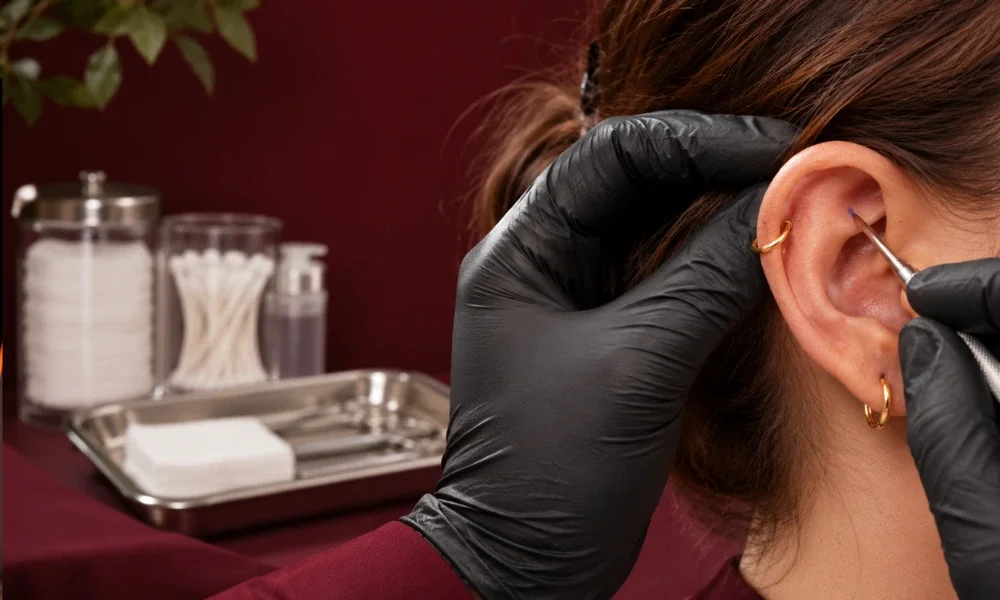
People often describe cartilage piercing pain as a quick, sharp sensation rather than a long-lasting one. However, your pain tolerance, ear anatomy, and the piercer’s technique can affect the experience.
It’s also worth remembering that pain doesn’t end when the appointment finishes. Your ear may feel tender when touched, especially during the first few days.
Avoid comparing your experience with someone else’s. A piercing that feels manageable for one person may be uncomfortable for another.
How Much Does a Rook Piercing Cost?
The cost of a rook piercing depends on your location, studio, piercer’s experience, and the jewelry you choose.
Some studios include basic jewelry in their piercing fee, while others charge separately for higher-quality pieces. Implant-grade titanium or solid gold jewelry may increase the overall price.
Before booking, ask the studio what the quoted price includes. Check whether it covers the procedure, initial jewelry, and any follow-up appointment needed for a jewelry adjustment.
Don’t choose a studio just because it offers the cheapest price. Clean equipment, proper sterilization, suitable jewelry, and an experienced piercer matter much more than saving a little money. Choosing a professional studio also helps reduce the risk of complications, such as a piercing rash, caused by irritation or other issues.
What Jewelry Is Best for a Rook Piercing?
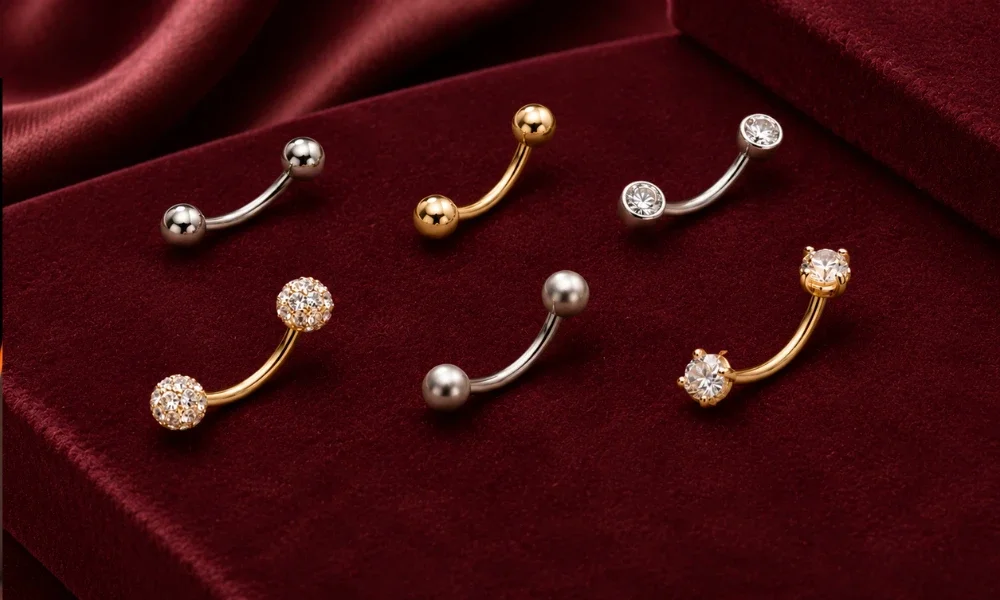
Jewelry isn’t just about appearance when you’re getting a new cartilage piercing. The material, size, shape, and finish can all affect how comfortably it heals.
A curved barbell is commonly used for rook piercings because its shape follows the natural fold of the ear. However, the right style depends on your anatomy and the piercer’s assessment.
Best Materials for Initial Rook Jewelry
The Association of Professional Piercers recommends suitable, documented materials for fresh piercings. These include implant-certified titanium, certain compliant steel grades, and appropriate solid gold.
Here are some options worth discussing with your piercer:
-
Implant-grade titanium: A lightweight option that can suit people concerned about nickel sensitivity.
-
Suitable implant-grade steel: Only specific certified grades are appropriate for fresh piercings.
-
Solid 14-karat or higher gold: It should be nickel-free and suitable for body piercing.
Avoid choosing plated jewelry or cheap mystery metals for a fresh piercing. A beautiful design isn’t worth the irritation caused by unsuitable materials.
How Long Does a Rook Piercing Take to Heal?
A rook piercing generally takes around 6–9 months or longer to heal completely. Some people heal faster, while others need more time because cartilage has a limited blood supply compared with the earlobe.
The important thing is not to judge healing by appearance alone. Your piercing may look fine on the outside while the tissue inside is still recovering.
What Happens During the Healing Process?
The healing process usually happens gradually:
-
First few days: You may notice tenderness, mild swelling, redness, or a little bleeding.
-
First few weeks: The area can remain sensitive, and some itching or light crusting may appear.
-
Following months: Swelling and tenderness should gradually settle, although occasional irritation can still happen.
-
Full healing: The inside of the piercing becomes stronger, and the jewelry can usually be changed with professional guidance.
These stages aren’t a fixed schedule. Your healing experience may be different, especially if the jewelry gets knocked, you sleep on that ear, or the area becomes irritated.
Rook Piercing Aftercare: How Should You Clean It?
Aftercare is where you can make a real difference. A new rook piercing is an open wound, so keeping it clean and avoiding unnecessary irritation should be your main priorities. While exploring red nail designs for your next style inspiration, remember to keep your focus on gentle piercing care during the healing process.
You don’t need a complicated collection of cleaning products. A gentle routine is usually the best approach.
1. Clean With Sterile Saline
Use a sterile saline wound wash containing 0.9% sodium chloride as its only active ingredient. Spray the area gently and allow the solution to rinse away any loose buildup.
The Association of Professional Piercers advises against homemade salt mixtures because they can become too concentrated and irritate healing tissue.
2. Wash Your Hands Before Touching It
Always wash your hands before cleaning or touching your jewelry. Dirty hands can introduce bacteria into the healing piercing.
Try not to touch it throughout the day just to check whether it’s healing.
3. Don’t Twist or Move the Jewelry
You might have heard that turning an earring helps prevent it from sticking. That’s outdated advice.
Moving or rotating jewelry can irritate the healing tissue and delay recovery. Leave it in place unless a qualified piercer or healthcare professional advises otherwise.
4. Keep Your Ear Dry and Comfortable
After showering, gently dry the area using clean disposable gauze or paper products. Avoid rough towels that can catch on the jewelry.
Keep your pillowcases clean and be careful when brushing your hair, using headphones, or changing clothes.
5. Avoid Harsh Cleaning Products
Don’t use rubbing alcohol, hydrogen peroxide, strong antibacterial products, or random creams on your new piercing. These products can irritate the tissue and interfere with healing.
Also avoid excessive cleaning. More cleaning doesn’t automatically mean faster healing.
Can You Sleep on a Rook Piercing?
It’s better not to sleep directly on a fresh rook piercing. Putting pressure on the cartilage can cause soreness, swelling, and irritation. Repeated pressure may also affect the angle of the piercing.
If you’ve had your left ear pierced, try sleeping on your right side. A travel pillow with an opening can also help because your ear can rest without pressing against the pillow.
This might seem like a small adjustment, but it’s one of the easiest ways to avoid unnecessary pressure during healing.
What Are the Risks of a Rook Piercing?
Like other cartilage piercings, a rook piercing comes with some risks. Knowing what’s normal and what needs attention can help you respond early.
Infection
An infection can develop if bacteria enter the piercing. Warning signs include increasing pain, warmth, swelling, redness or darkening, and pus-like discharge.
Cartilage infections deserve particular attention because they can sometimes lead to a condition called perichondritis. This is an infection of the tissue surrounding the ear cartilage and may require medical treatment.
Piercing Bumps
Small bumps can appear around cartilage piercings. They aren’t always infections or keloids.
Sometimes, a bump develops because the jewelry is being knocked, the area is under pressure, or the piercing is irritated. Don’t squeeze it or apply random treatments. Ask an experienced piercer to check the jewelry and seek medical advice if symptoms suggest infection.
Jewelry Rejection or Migration
If jewelry repeatedly moves, changes position, or starts becoming visible through the skin, it may be migrating. Poor placement, unsuitable jewelry, and repeated trauma can contribute to problems.
A professional should assess these changes rather than trying to adjust the jewelry yourself.
Allergic Reactions
Some people react to metals, particularly when jewelry contains nickel. Itching, a rash, and persistent irritation may suggest an allergic reaction.
Choosing properly documented, body-safe jewelry can reduce this risk, although no material guarantees that everyone will tolerate it.
When Should You See a Doctor?
Some tenderness and mild swelling are expected after a new piercing. However, symptoms that become worse instead of gradually improving shouldn’t be ignored.
Contact a healthcare professional if you notice:
-
Increasing pain or severe swelling.
-
Skin that feels unusually hot around the piercing.
-
Yellow, green, or foul-smelling discharge.
-
Significant redness or darkening around the cartilage.
-
Fever, chills, or feeling generally unwell.
Cartilage infections can become serious if treatment is delayed. Don’t try to treat a suspected infection by yourself or remove the jewelry without medical advice. A healthcare professional can assess the piercing and recommend the right treatment.
Is a Rook Piercing Worth Getting?
If you like subtle cartilage jewelry and want something different from the usual helix or tragus piercing, a rook can be a lovely choice.
It also gives you some flexibility with jewelry styles once it’s fully healed. You can keep a simple curved barbell or explore more decorative designs.
Still, it’s not the easiest piercing to look after. The long healing period means you’ll need patience, especially if you usually sleep on your side, wear headphones frequently, or play sports.
Think about your everyday routine before making the decision. A piercing should fit comfortably into your lifestyle rather than become something you constantly have to work around.
Frequently Asked Questions
1. How painful is a rook piercing compared with a helix?
A rook piercing can feel more intense because the needle passes through a thicker fold of cartilage. However, pain depends on individual sensitivity, anatomy, and piercing technique. There isn’t a reliable pain score that applies to everyone.
2. Can I change my rook piercing jewelry after two months?
It’s generally too early to change the jewelry yourself after two months. The piercing may still be healing internally. Ask your piercer to assess it before making any changes. Even a jewelry adjustment during healing should be handled professionally.
3. Can I wear earbuds with a rook piercing?
You may need to avoid earbuds that press against your rook piercing, especially during the early healing period. Once the piercing is comfortable, ask your piercer whether your preferred headphones fit without causing pressure or friction.
4. Why does my rook piercing still hurt after several months?
Some tenderness can continue during the healing process, particularly if the jewelry gets knocked or pressed while sleeping. However, persistent or worsening pain should be checked by a professional piercer. If you notice heat, significant swelling, or discharge, seek medical care.
5. Can I get a rook piercing if my ear fold is small?
Not everyone has suitable anatomy for a rook piercing. A professional piercer should examine your ear to see whether there’s enough cartilage for safe placement. If your fold is too small or flat, another piercing style may be more suitable.
6. Is a rook piercing suitable for beginners?
It can be, but beginners should understand that cartilage piercings need more patience than earlobe piercings. If you’re comfortable following an aftercare routine and avoiding pressure on your ear, it may be a good option.
Disclaimer
This article is for general educational purposes and isn’t a substitute for professional medical advice. Piercing suitability, healing, and complications vary from person to person. Always consult a qualified professional piercer about placement and jewelry, and seek medical attention if you suspect an infection.
Editorial note: DaithPiercing should publish this article with a named author and have the aftercare and medical sections reviewed by a qualified healthcare professional. The article uses guidance from established piercing and medical organizations; it does not claim personal clinical experience.