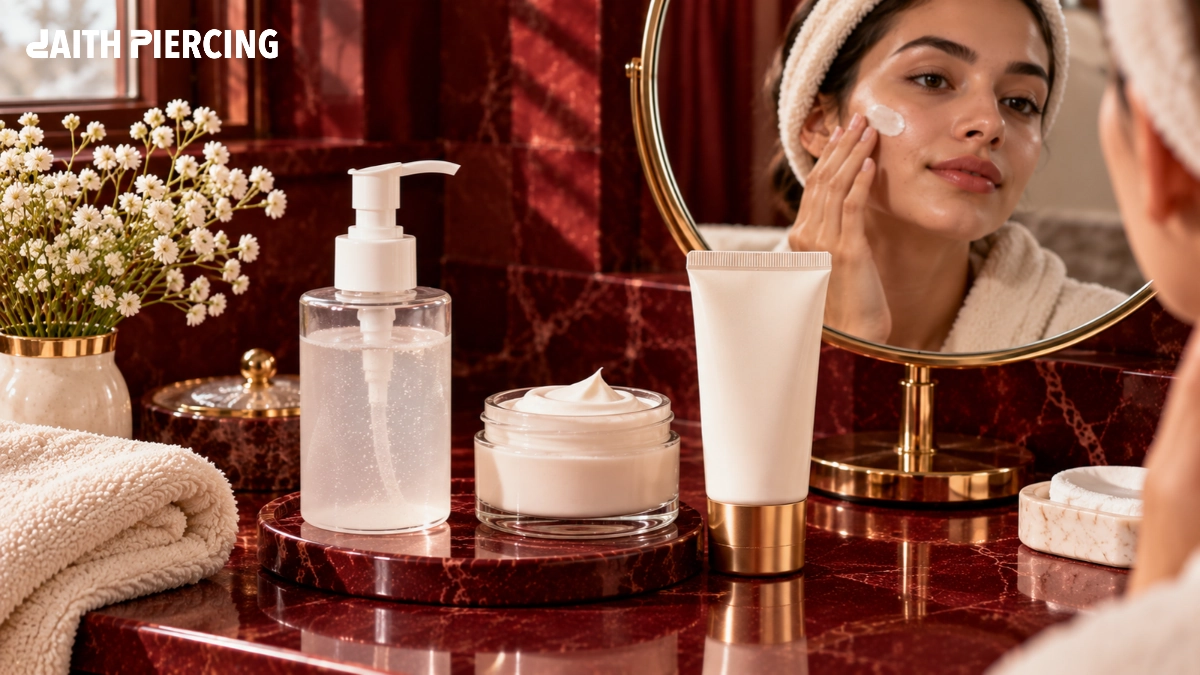
Starting skincare can feel like you need a shelf full of bottles. You really don’t. A good beginner routine can be built around three basics: a gentle cleanser, a moisturizer, and broad-spectrum sunscreen. Once those feel comfortable, you can add one targeted product for a specific concern.
A good routine should be simple enough to follow every day without making your skin feel irritated or overloaded. The American Academy of Dermatology recommends a simple foundation of cleansing, moisturizing, and sun protection, and warns that too many products can irritate skin.
Key Takeaways
- Start with cleanser, moisturizer, and sunscreen.
- Use broad-spectrum SPF 30 or higher in the morning.
- Keep your night routine simple.
- Choose products according to your skin type and main concern.
- Introduce one new active product at a time.
- Give your routine time instead of changing it every few days.
- Gentle, consistent skincare usually beats a crowded bathroom shelf.
What Is the Best Skin Care Routine for Beginners?
The best skin care routine is one you can follow consistently without irritating your skin. For most beginners, that means a simple morning routine and a slightly different night routine.
A basic plan looks like this:
Morning: gentle cleanser, moisturizer, broad-spectrum SPF 30 or higher sunscreen.
Night: gentle cleanser, treatment if needed, moisturizer.
That’s enough to start. That keeps the routine easy to understand, easy to repeat, and much less stressful when your skin changes as your skin needs change. If your skin is dry or sensitive, you may not need to cleanse twice a day. If you exercise or sweat heavily, washing afterward can help remove sweat and buildup.
The order matters because skincare products work best when applied in a sensible sequence. Dermatologists generally recommend cleansing first, then applying a treatment, followed by moisturizer and/or sunscreen.
How Do You Build a Beginner Skincare Routine?
1. Start with a gentle cleanser
A cleanser removes dirt, excess oil, sunscreen, makeup, and other buildup from the skin. For a beginner, gentle is usually a better starting point than a strong cleanser that leaves your face feeling extremely tight.
Use lukewarm water and your fingertips. Don’t scrub hard with a rough cloth or exfoliating tool. The AAD recommends a gentle, non-abrasive cleanser and says to limit face washing to twice daily and after heavy sweating.
If your skin feels tight, burning, or unusually dry after washing, that’s a useful sign to reconsider the cleanser or how often you’re using it.
2. Add a moisturizer
Moisturizer helps reduce water loss and supports the skin barrier, which is the outer layer that helps protect your skin from irritants and moisture loss. Even oily skin can benefit from moisturizing.
Choose the texture based on how your skin behaves. Dry skin often prefers a richer cream, while oily or acne-prone skin may feel better with a lighter, non-comedogenic formula. Non-comedogenic simply means the product is designed not to clog pores.
Applying moisturizer while the skin is slightly damp can help lock in water. If your skin is sensitive, fragrance-free products are often a safer starting point because fragrance can irritate some people.
3. Make sunscreen your morning essential
Sunscreen is the step beginners often skip because the benefits are less immediately visible. But daily sun protection helps reduce UV damage, including sunburn, premature skin aging, and skin cancer risk.
For everyday use, dermatologists commonly recommend broad-spectrum sunscreen with SPF 30 or higher. Broad-spectrum means it protects against both UVA and UVB radiation.
Apply sunscreen after your other morning skincare steps and before makeup. If you’re outdoors, follow the product directions for reapplication, especially after swimming or sweating. Hats, shade, and protective clothing can also add another layer of sun protection.
What Should Your Morning Skincare Routine Look Like?
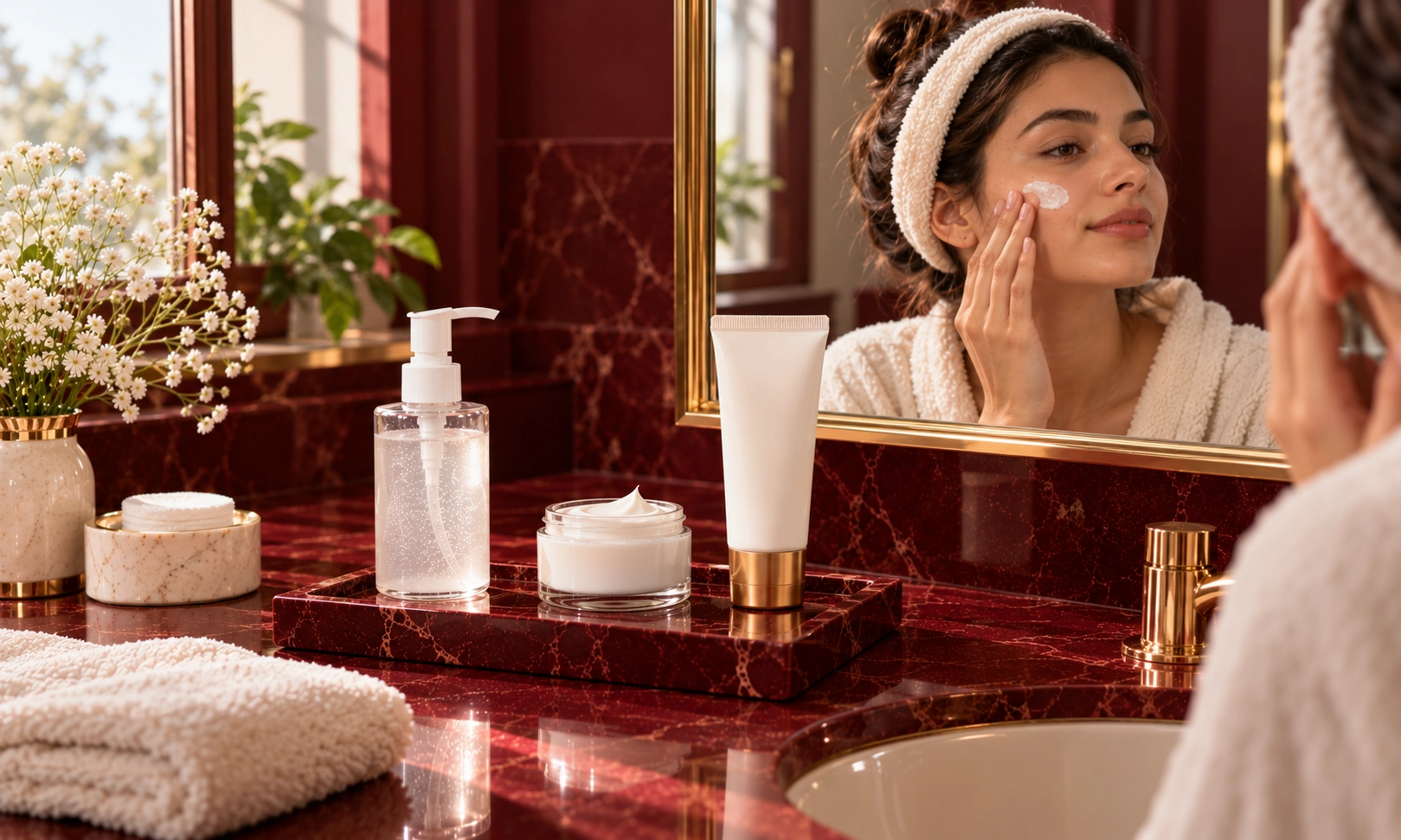
A simple morning skincare routine doesn’t need ten steps.
Step 1: Cleanse gently, especially if your skin feels oily or you sweated overnight.
Step 2: Apply a treatment only if you actually need one. Beginners don’t have to start with an active ingredient.
Step 3: Apply moisturizer. If your skin is oily, a lightweight formula may feel more comfortable.
Step 4: Finish with broad-spectrum SPF 30 or higher.
If you are in a hurry, focus on cleansing, moisturizing when needed, and sunscreen. A routine that takes two minutes and happens every day is more useful than an elaborate routine you abandon after a week.
What Should Your Night Skincare Routine Look Like?

Start by removing makeup or sunscreen if you have been wearing them. Then cleanse gently. If you use a treatment recommended for your skin concern, apply it after cleansing and before moisturizer, following its directions.
Finish with moisturizer. If your skin feels dry, applying moisturizer to slightly damp skin can help reduce water loss.
How Should Beginners Choose Products for Their Skin Type?

Your skin gives you clues. Dry skin may feel tight, rough, flaky, or itchy. Oily skin often looks shiny and may feel greasy. Combination skin can be oily in some areas and dry in others. Sensitive skin may sting or burn after certain products.
For dry or sensitive skin, look for gentle, fragrance-free products and focus on moisturizing. For oily skin, don’t try to remove every trace of oil with harsh cleansing. Overly aggressive products can irritate skin and may make oiliness harder to manage.
If you’re acne-prone, labels such as “non-comedogenic,” “oil-free,” or “won’t clog pores” can help when choosing moisturizers and other products.
Which Skincare Ingredients Should Beginners Start With?
Start by matching an ingredient to a clear reason for using it. For hydration, ingredients such as hyaluronic acid can help attract and hold water in the skin. Ceramides are lipids that help support the skin barrier and are commonly used in moisturizers.
For oily or acne-prone skin, salicylic acid may be useful for some people, but stronger or frequent use can irritate skin. Start slowly and stop or reduce use if your skin becomes irritated.
What Skincare Mistakes Should Beginners Avoid?
The biggest mistake is turning a simple routine into a product experiment. Don’t start several new active ingredients on the same day. If your skin reacts, you’ll have no easy way to know which product caused the problem.
Don’t scrub aggressively because your skin feels rough. Scrubbing can increase irritation rather than solving the underlying issue.
Don’t assume expensive products are automatically better. Dermatologists note that effective skincare does not have to be expensive, and a simple routine can be enough.
Also, don’t copy every viral routine you see online. Skin is personal. A product that works well for someone else may be unnecessary or irritating for you.
How Long Does a Beginner Skincare Routine Take to Work?
You may notice comfort or dryness changes relatively quickly, but concerns such as acne, uneven tone, or signs of aging can take longer.
Consistency matters more than constantly changing products. The AAD notes that it can take at least 30 days to judge whether some skincare changes are helping, while acne studies can take several weeks to show improvement with a complete treatment plan.
If a product causes significant burning, swelling, a persistent rash, or worsening irritation, don’t keep using it just because you expect results later.
Why Does a Simple Routine Work Better for Beginners?
A simple routine makes it easier to stay consistent and notice how your skin responds. It also lowers the chance of piling several irritating products onto the same area.
This is the approach Daithpiercing can recommend when explaining beginner-friendly beauty topics: start with the basics, understand your skin, then make small changes instead of chasing every new trend.
Source Note
This guide is based on current consumer skincare guidance from the American Academy of Dermatology, U.S. Food and Drug Administration, and NHS. Product effects can vary by person, skin type, ingredients, and how often a product is used. No brand is being recommended simply because it appears in a skincare category.
Frequently Asked Questions
Do beginners really need a skincare routine?
Yes, but it can be very simple. A gentle cleanser, moisturizer, and sunscreen cover the basic needs for many people. Add other products only when you have a specific reason.
Should I wash my face in the morning and at night?
Many people can. However, people with dry or sensitive skin may find once-daily evening cleansing enough, while washing after heavy sweating can also be useful.
Can oily skin skip moisturizer?
Usually, there is no need to skip it. Choose a lightweight, non-comedogenic moisturizer instead. Oily skin still needs hydration.
Is SPF really necessary every day?
Sun protection is an important part of daily skincare. Broad-spectrum sunscreen helps protect against UVA and UVB exposure, while shade, clothing, and hats provide additional protection.
How many skincare products should a beginner use?
There is no magic number. Start with the fewest products that meet your needs. Adding one product at a time makes reactions easier to identify.
When should I see a dermatologist?
Consider professional advice if you have persistent acne, painful or rapidly changing skin problems, severe irritation, or symptoms that don’t improve with basic care.
Disclaimer:
This article is for general educational and informational purposes. Skin needs vary, and persistent, severe, or unusual skin problems should be assessed by a qualified healthcare professional.