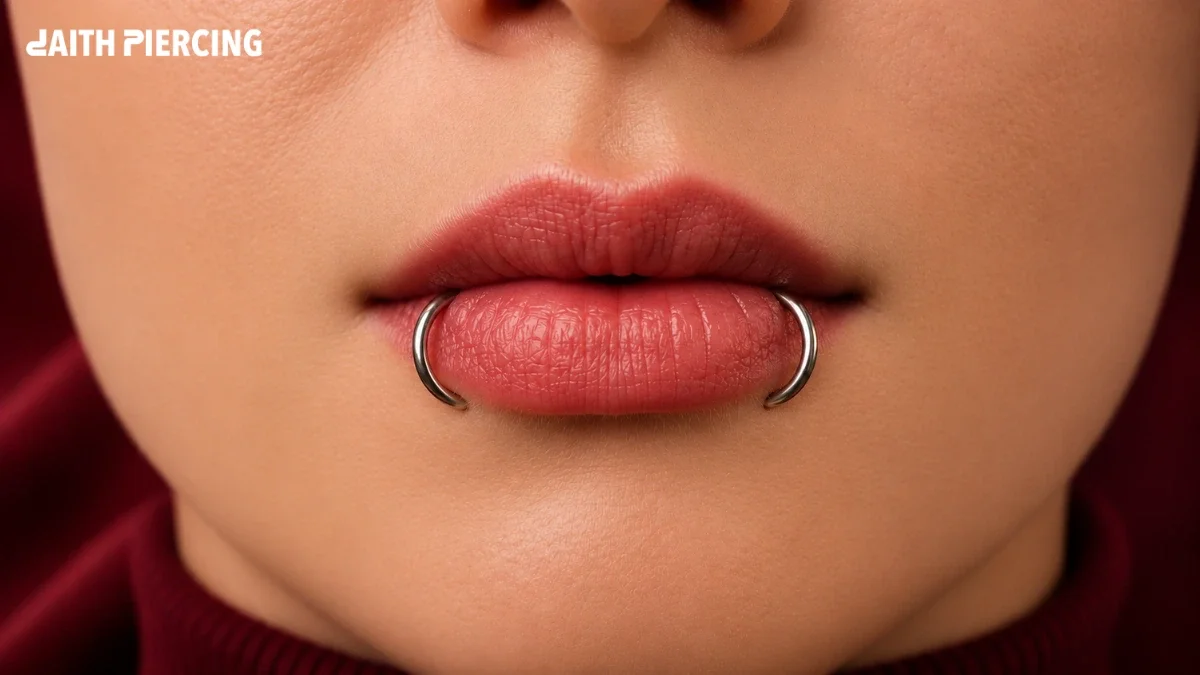
Have you ever noticed two small piercings sitting on either side of someone’s lower lip? That’s a snake bite piercing. It’s a popular lip piercing style because it creates a balanced look without needing a large piece of jewelry.
But there’s more to it than choosing two studs and booking an appointment. You need to understand the placement, healing process, jewelry options and possible risks before getting one. Since these piercings sit around the mouth, dental health and proper aftercare matter too.
Let’s go through what you should know before making the decision.
Key Takeaways
- A snake bite piercing is two piercings placed on opposite sides of the lower lip.
- Labret studs and hoops are common jewelry choices.
- Lip piercings may take around six to eight weeks to heal, but individual healing varies.
- Clean the area carefully and avoid playing with the jewelry.
- Oral piercings can damage teeth and gums.
- Choose an experienced professional and speak with a dentist about possible risks.
What Is a Snake Bite Piercing?
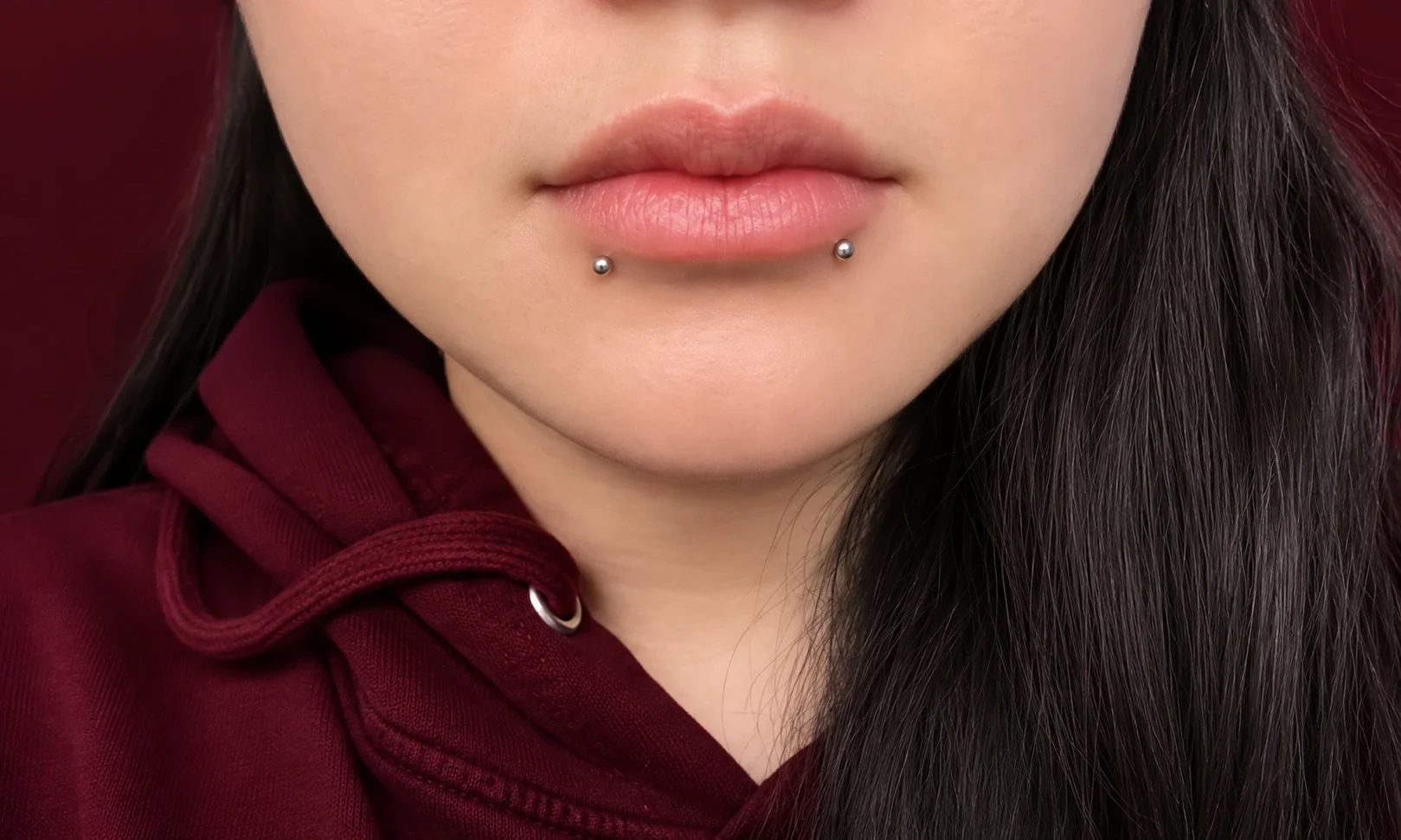
A snake bite piercing is a pair of piercings placed on the lower lip. One sits on the left side and the other on the right. Together they create a look that resembles the two marks of a snake bite.
Unlike a single labret piercing, which usually sits below the centre of the lower lip, snake bites use two separate piercing points. The exact position depends on your lip shape and the look you want.
Some people prefer small silver studs for a simple appearance. Others choose black jewelry or small hoops for a more noticeable style.
The name describes the placement. It doesn’t mean the piercings are done in the same way as a snake bite or involve any special technique.
How Is a Snake Bite Piercing Done?
A professional piercer first checks your lower lip and discusses the placement with you. This matters because both sides need to look balanced when your face is relaxed and when you smile.
The piercer should mark the two positions and let you check them before starting. Once you agree, the area is cleaned and the piercings are made using sterile equipment and appropriate jewelry. If you’re exploring other piercing styles too, you can read about belly button piercing, industrial piercing and tragus piercing to understand their placement and what to expect before getting pierced.
A few things should happen during a safe appointment:
- The piercer should wash their hands and use fresh disposable gloves.
- Sterile single-use needles should be used.
- Jewelry and equipment should be properly sterilized.
- You should be given clear aftercare instructions.
- The piercer should explain possible risks before the procedure.
Never try to pierce your own lip or ask a friend to do it. A professional setup helps reduce the chance of infection and placement problems.
Does a Snake Bite Piercing Hurt?
Yes, you should expect some pain. However, the exact feeling is different for everyone. Some people describe it as a quick, sharp pinch while others find the pressure more uncomfortable.
Because snake bites involve two separate piercing points, you will experience the process twice. The second piercing may feel easier or more uncomfortable depending on your experience.
Pain can also continue after the appointment. Mild tenderness and swelling are common during the early healing period.
If you are worried about pain, tell your piercer before the procedure. They can explain what to expect and help you feel prepared. Avoid using numbing products unless a qualified healthcare professional has advised you to do so.
What Jewelry Is Used for Snake Bite Piercings?

Jewelry affects both the appearance and comfort of your piercing. The most common options include labret studs and small hoops.
Labret Studs
Labret studs have a flat disc on the inside of the lip and a decorative end on the outside. They are commonly used for initial lip piercings because the flat backing sits against the inner lip.
The first jewelry piece may have extra length to allow for swelling. Once the swelling settles, a professional piercer can check whether shorter jewelry is suitable.
Hoops and Rings
Small hoops create a curved look around the lower lip. Many people like them because they make the two piercings stand out.
However, hoops may not be suitable as initial jewelry for every person or placement. Your piercer should choose the right size and style based on your anatomy and healing needs.
Which Jewelry Material Is Best?
Ask about implant-grade titanium and other materials suitable for fresh piercings. Avoid jewelry with unknown metal content or materials that cause allergic reactions.
The jewelry should also have smooth surfaces and a suitable fit. Cheap pieces with rough edges can irritate healing tissue.
How Long Does a Snake Bite Piercing Take to Heal?
A lip or labret piercing commonly takes around six to eight weeks to heal according to Western Australia’s public health guidance. However, this is a general estimate and not a guarantee that both snake bite piercings will heal on the same schedule.
One side may settle faster than the other. Swelling can also make the piercing feel uncomfortable even when the outside looks better.
The Association of Professional Piercers explains that a piercing can appear healed before the deeper tissue has finished recovering. So don’t assume it is ready for jewelry changes just because it looks fine.
Follow your piercer’s instructions and arrange a check if you are unsure about healing.
Snake Bite Piercing Aftercare: What Should You Do?
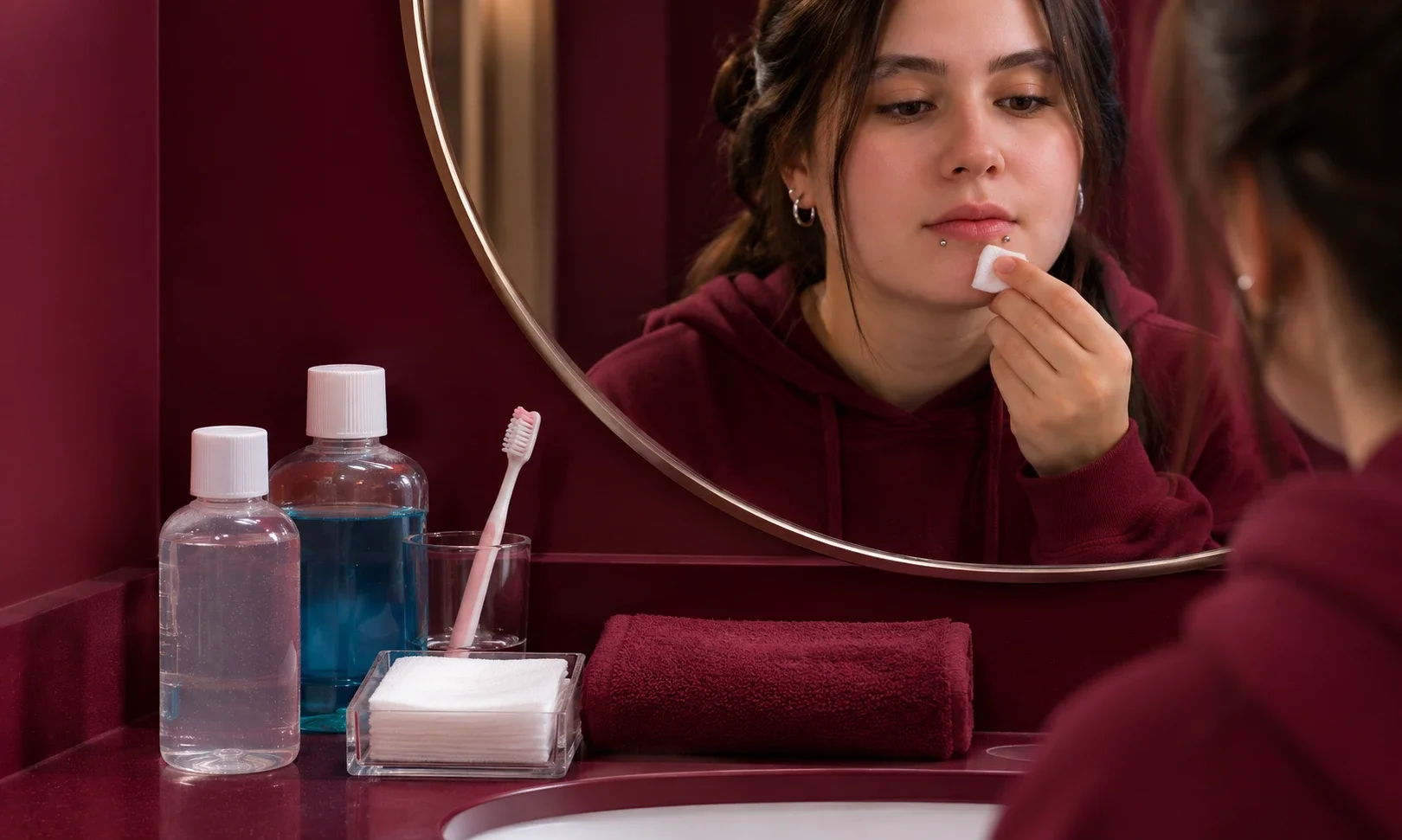
Aftercare is where your daily habits really matter. The mouth contains many bacteria and lip jewelry can collect food debris. Keeping the area clean is important.
Here are some basic steps to follow.
1. Clean Your Hands First
Always wash your hands before touching the jewelry or cleaning the area. Dirty hands can transfer bacteria to a healing piercing.
2. Clean the Outside Gently
Use sterile saline wound wash made for piercing care. The Association of Professional Piercers recommends a simple sterile saline solution rather than homemade mixtures that may be too strong.
Gently rinse the area and dry it with clean disposable gauze or paper products. Avoid rubbing or pulling the jewelry.
3. Keep Your Mouth Clean
Brush your teeth twice a day and floss regularly. Use an alcohol-free mouth rinse as advised by your piercer or dental professional. Rinsing after meals can help clear food particles.
4. Avoid Playing With the Jewelry
Don’t bite, twist or repeatedly move your studs or hoops. Playing with the jewelry can irritate the tissue and increase the chance of damage to your teeth and gums.
5. Follow Jewelry Change Instructions
Don’t change the jewelry too early. A piercer may recommend downsizing the initial longer studs after swelling has reduced. Let a professional check the fit and make that change.
What Are the Risks of Snake Bite Piercings?
Snake bites look simple, but they are still oral piercings. The American Dental Association warns that piercings in and around the mouth can cause problems involving teeth, gums and soft tissue.
Possible risks include:
- Infection around one or both piercing points.
- Swelling, bleeding and ongoing tenderness.
- Chipped or damaged teeth from jewelry contact.
- Gum irritation or recession.
- Allergic reactions to certain metals.
- Scarring or irritation around the piercing.
The jewelry can repeatedly rub against the gums inside your lower lip. Over time this may contribute to gum damage. Biting or clicking the jewelry against your teeth can also cause chips or wear.
The ADA advises against cosmetic oral and perioral piercings because of these possible health problems. This is worth discussing with a dentist before getting the piercing.
How Much Does a Snake Bite Piercing Cost?
There isn’t one fixed price for snake bite piercings. The cost depends on the studio, piercer’s experience, location, jewelry material and whether the quoted price covers both sides.
Some studios charge separately for each piercing. Others offer a combined price for the pair.
Before booking, ask what the total includes. Check whether the jewelry is included and whether a follow-up appointment or downsizing is charged separately.
Don’t choose a studio only because it offers the cheapest deal. Hygiene, proper training and suitable jewelry are more important than saving a small amount.
Is a Snake Bite Piercing Right for You?
This style may suit people who like balanced facial jewelry and want something more noticeable than a single lip stud. Still, appearance should not be the only thing you consider.
Think about your work or school rules and whether you are comfortable with two visible piercings. Also consider your dental health and whether you can follow the cleaning routine during healing.
If you already have gum problems or damaged teeth, speak with a dentist first. If you play contact sports, ask how the jewelry could affect your safety and whether it needs to be removed during activity.
A good decision means understanding both the style and the responsibility that comes with it.
Frequently Asked Questions
1. Are Snake Bite Piercings Two Separate Piercings?
Yes. A snake bite piercing consists of two individual piercings on opposite sides of the lower lip. Each has its own jewelry and healing process.
2. Can You Eat Normally After Getting Snake Bites?
You may find eating uncomfortable during the first few days because of tenderness and swelling. Choose foods that are easy to eat and avoid anything that irritates the area. Follow your piercer’s specific instructions.
3. Can You Start With Hoops for Snake Bite Piercings?
It depends on your anatomy and the piercer’s assessment. Labret studs are commonly used as initial jewelry because they allow room for swelling. Ask your piercer before choosing hoops.
4. Do Snake Bite Piercings Leave Scars?
They can. If you remove the jewelry the openings may close over time, but small marks or scars can remain. The result varies from person to person.
5. Can Snake Bite Piercings Damage Your Teeth?
Yes. Jewelry that repeatedly rubs or knocks against teeth can cause chips and wear. Contact with the inner lip can also irritate or damage gum tissue.
6. When Should You Get Medical Help for an Infected Piercing?
Get medical advice if the area becomes increasingly painful, hot, swollen or very red. Pus or feeling feverish and unwell can also indicate infection. If swelling affects breathing or swallowing, seek emergency help. Do not remove the jewelry yourself unless a healthcare professional tells you to.
Final Thoughts
Snake bite piercings can be a distinctive way to express your style. But getting two lower lip piercings means taking care of two healing wounds and paying attention to your oral health.
Before booking an appointment, check the studio’s hygiene practices and talk through jewelry options with an experienced piercer. A dentist can also explain the possible effects on your teeth and gums.
At daithpiercing, we believe good decisions start with clear information. Take time to understand the risks and aftercare before deciding whether this piercing is right for you.
Disclaimer
This article is for general educational purposes only and is not a substitute for medical or dental advice. Piercing risks and healing times vary between individuals. Consult a qualified piercer and dental or healthcare professional before getting an oral piercing. Seek prompt medical attention if you notice signs of infection or serious swelling.