Key Takeaways
- Surgical Steel Daith Piercing Pros and Cons should be carefully considered before choosing your jewellery.
- Surgical steel is strong, durable, and affordable, making it a popular option for many daith piercings.
- High-quality surgical steel has a smooth, polished finish and is available in many jewellery styles.
- Some surgical steel jewellery contains small amounts of nickel, which may irritate people with metal allergies or sensitive skin.
- Implant-grade titanium is often a better choice for those with known nickel sensitivities.
- A daith piercing typically takes 6 to 12 months to heal fully, so proper aftercare is essential.
- Clean your piercing with sterile saline solution and avoid touching or twisting the jewellery during healing.
- Always choose jewellery from a reputable piercer to ensure it is made from high-quality, body-safe materials.
- Changing your jewellery too early can delay healing and increase the risk of irritation or infection.
- If you experience severe swelling, persistent pain, unusual discharge, or signs of infection, seek advice from your piercer or a healthcare professional.
Quick Answer
A surgical steel daith piercing offers several advantages, including durability, affordability, and an attractive polished finish. However, it also has some disadvantages because many surgical steel alloys contain small amounts of nickel, which may cause irritation in people with metal sensitivities.
For most people without nickel allergies, surgical steel can be a practical and reliable jewelry choice when purchased from a reputable piercer. Those with sensitive skin may find implant-grade titanium or solid gold to be safer alternatives.
What Is a Surgical Steel Daith Piercing?
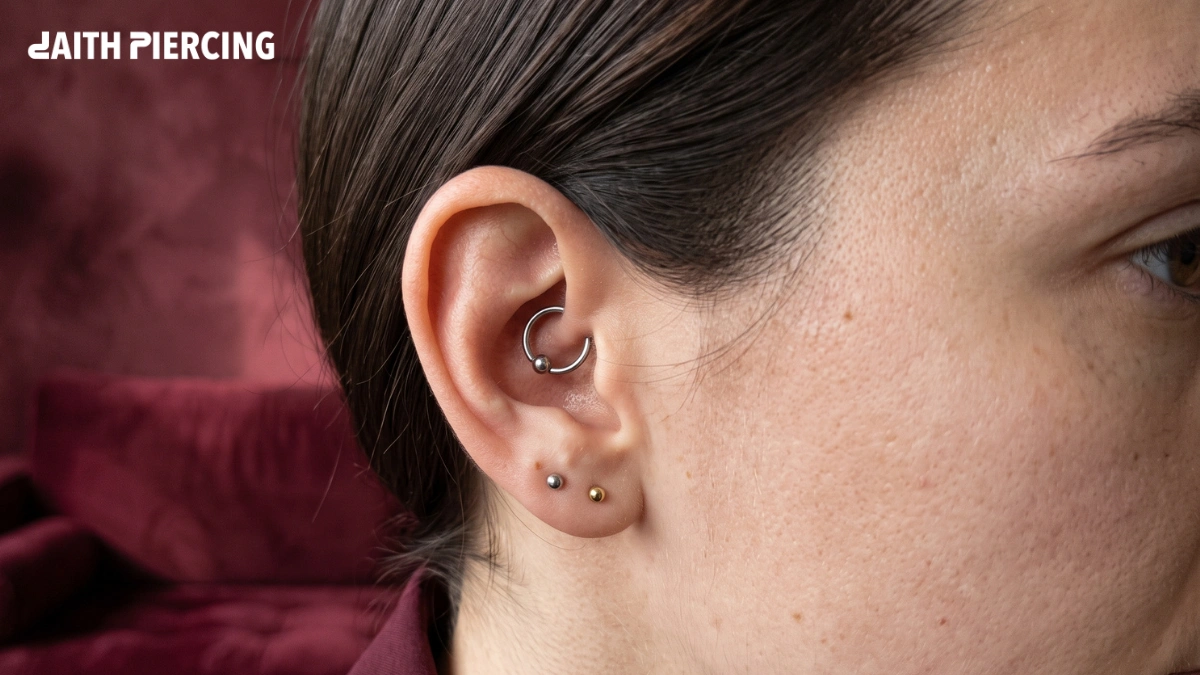
A surgical steel daith piercing refers to a daith piercing fitted with jewelry made from surgical stainless steel. The jewelry is inserted through the thick cartilage fold inside the ear by a professional piercer using sterile equipment.
Unlike earlobe piercings, a daith piercing passes through cartilage. Because cartilage receives less blood flow than soft tissue, healing usually takes longer and requires consistent aftercare.
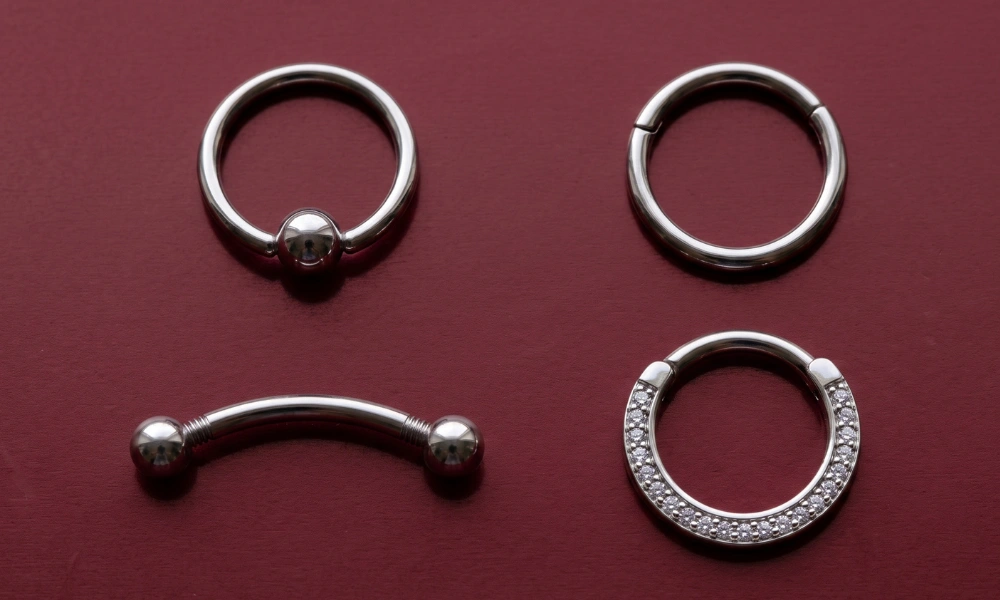
Common surgical steel jewelry styles include:
- Captive bead rings
- Hinged segment rings
- Circular barbells
- Curved barbells
The right style depends on your ear anatomy, comfort, and your piercer’s recommendation.
Why Surgical Steel Is Popular for Daith Piercings
Many professional piercing studios continue to use surgical steel because it combines strength with an attractive appearance. It resists everyday wear and keeps its polished shine for a long time.
Another reason for its popularity is affordability. Compared with precious metals, surgical steel offers a quality look at a lower price, making it an appealing option for first-time piercing clients.
In addition, surgical steel jewelry is available in countless sizes, finishes, and designs. Whether you prefer a simple ring or decorative jewellery with gemstones, you’ll usually find plenty of options made from surgical steel.
Surgical Steel Daith Piercing Pros and Cons
Choosing the right jewelry involves balancing comfort, safety, appearance, and cost. The table below highlights the main Surgical Steel Daith Piercing Pros and Cons to help you compare both sides.
| Pros | Cons |
|---|---|
| Strong and durable | May contain nickel |
| Budget-friendly | Can trigger allergic reactions in sensitive people |
| Widely available | Slightly heavier than titanium |
| Resistant to scratches | Not always implant-grade |
| Easy to clean | Lower-quality products vary in composition |
| Attractive polished finish | May not be the first choice for highly sensitive skin |
Although surgical steel works well for many people, your skin type and medical history should always influence your decision.
Benefits of Choosing Surgical Steel
Excellent Durability
One of the biggest advantages in the Surgical Steel Daith Piercing Pros and Cons discussion is durability. Surgical steel is designed to handle everyday wear without bending easily.
Because daith jewelry stays in place continuously, strength matters. A durable material reduces the chance of accidental damage during normal daily activities.
Affordable Without Looking Cheap
Cost is often an important factor when getting a new piercing. Surgical steel offers an excellent balance between price and quality.
Many people appreciate that they can achieve a clean, polished look without paying the higher prices associated with platinum or solid gold jewellery.
Attractive Appearance
Surgical steel has a bright, mirror-like finish that suits many personal styles.
Whether you prefer minimalist jewellery or decorative rings, surgical steel provides a sleek appearance that complements both casual and formal looks.
Easy to Maintain
With proper care, surgical steel jewelry is relatively easy to keep clean.
Routine cleaning using sterile saline solution and following your piercer’s aftercare instructions can help maintain both the jewellery and the piercing during healing.
Wide Variety of Designs
Another advantage is the huge range of available jewellery.
You can find:
- Plain polished rings
- Decorative clickers
- Gemstone designs
- Beaded styles
- Minimalist hoops
- Statement jewellery
This wide selection allows you to change your look after your piercing has fully healed without struggling to find compatible jewellery.
Drawbacks of Surgical Steel Daith Piercing
While many people have a positive experience with surgical steel, it is important to understand the disadvantages before making your decision. Looking at both sides of the Surgical Steel Daith Piercing Pros and Cons helps you choose jewellery that suits your skin and lifestyle.
May Contain Nickel
The biggest concern with surgical steel is that many grades contain small amounts of nickel. Although the nickel is bound within the alloy, some people may still experience irritation or an allergic reaction.
If you already know you have a nickel allergy, tell your piercer before getting pierced. They may recommend implant-grade titanium instead.
Heavier Than Titanium
Surgical steel is heavier than titanium. While the difference is usually small, some people find lighter jewellery more comfortable, especially during the healing period.
For most healed piercings, the extra weight is not an issue. However, those with sensitive cartilage may prefer a lighter option.
Quality Can Vary
Not every piece of surgical steel jewellery is made to the same standard. Lower-quality products may have rough finishes or unknown metal compositions.
Buying jewellery from a trusted piercing studio helps ensure you receive high-quality, body-safe materials.
Can Surgical Steel Cause Allergic Reactions?
One of the most common questions about Surgical Steel Daith Piercing Pros and Cons is whether the material is safe for sensitive skin.
The answer depends on the individual. Many people wear surgical steel without any problems. However, those with nickel allergies may experience symptoms such as:
- Redness
- Itching
- Persistent soreness
- Swelling
- Skin irritation around the piercing
These symptoms do not always mean the piercing is infected. Sometimes, they simply indicate that your skin is reacting to the jewellery.
If irritation continues, visit your piercer for advice instead of removing the jewellery yourself.
Healing Time for a Surgical Steel Daith Piercing
A daith piercing passes through thick ear cartilage, so healing takes longer than a standard lobe piercing.
| Healing Stage | What to Expect |
|---|---|
| First 2 Weeks | Mild swelling, tenderness, and slight redness |
| 1–3 Months | Swelling gradually decreases while the piercing begins to stabilise |
| 3–6 Months | Cartilage continues healing internally |
| 6–12 Months | Most daith piercings heal completely with proper aftercare |
Everyone heals differently. Age, overall health, aftercare, and accidental irritation can all affect healing time.
Surgical Steel vs Titanium vs Gold
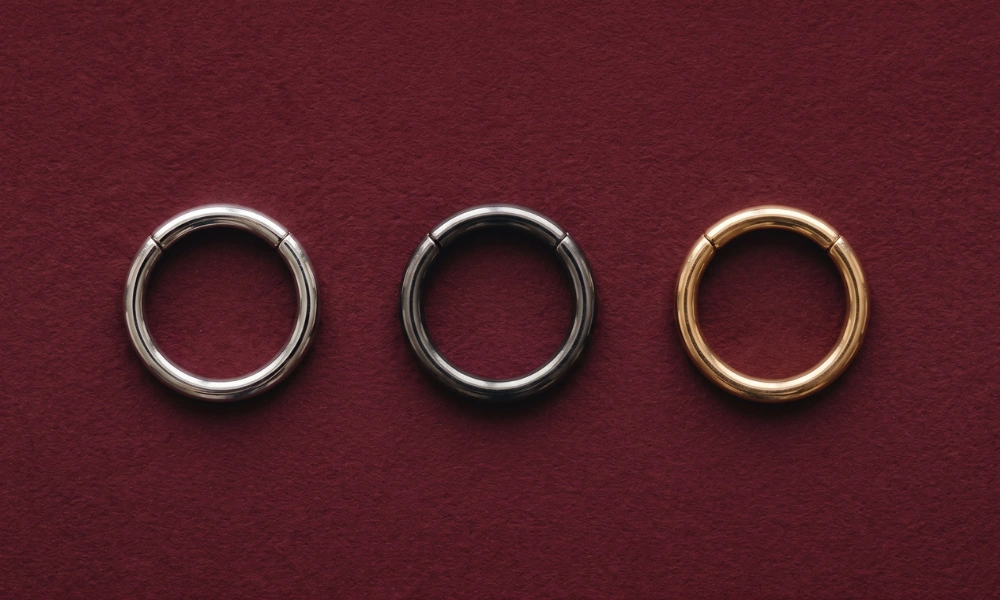
Choosing jewellery is easier when you compare the most popular materials side by side.
| Feature | Surgical Steel | Implant-Grade Titanium | 14K or 18K Gold |
|---|---|---|---|
| Durability | Excellent | Excellent | Very Good |
| Weight | Medium | Lightweight | Medium |
| Nickel-Free | Not always | Yes | Usually, depending on alloy |
| Best for Sensitive Skin | Sometimes | Yes | Yes, if high quality |
| Price | Affordable | Moderate | Expensive |
| Appearance | Bright silver shine | Slightly darker silver | Classic gold finish |
Titanium is often recommended for people with sensitive skin, while surgical steel remains a popular choice for those without metal allergies.
Who Should Choose Surgical Steel?
Understanding the Surgical Steel Daith Piercing Pros and Cons also means knowing who is most likely to benefit from this material.
Surgical steel may be a good choice if you:
- Do not have a nickel allergy.
- Want durable jewellery for everyday wear.
- Prefer an affordable option.
- Like the bright silver appearance.
- Purchase jewellery from a reputable piercer.
You may want another material if you:
- Have sensitive skin.
- Have reacted to metal jewellery before.
- Want the lightest jewellery possible.
- Are looking for premium hypoallergenic options.
Aftercare Tips for a Surgical Steel Daith Piercing
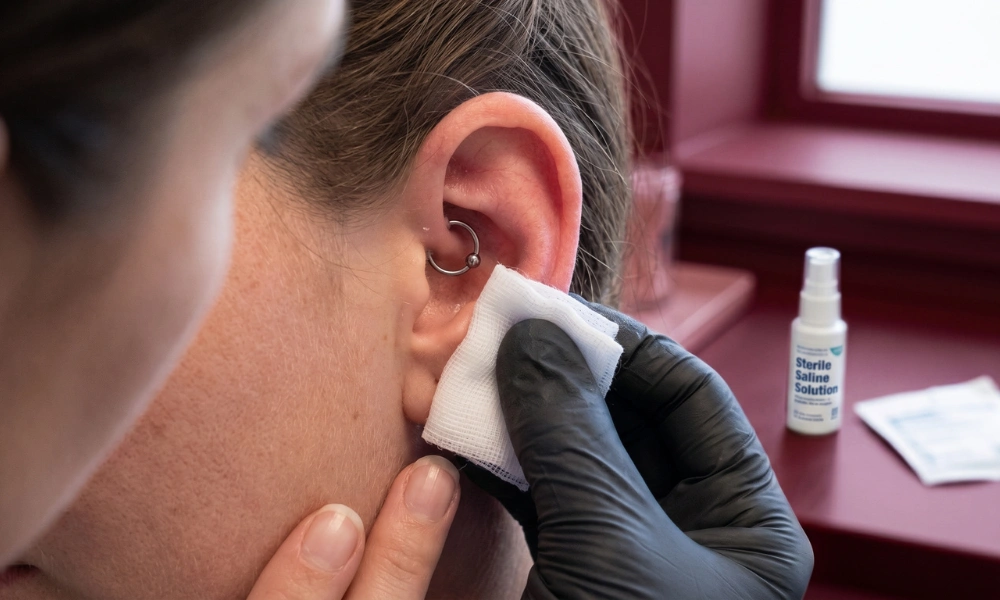
Proper aftercare is just as important as choosing quality jewellery. Good habits reduce irritation and support healthy healing.
Clean Gently
Use sterile saline solution once or twice a day. Allow the area to air dry or gently pat it with clean gauze.
Avoid Touching the Piercing
Only touch your piercing when cleaning it. Dirty hands can introduce bacteria and increase irritation.
Do Not Rotate the Jewellery
Twisting or spinning the jewellery can damage healing tissue and delay recovery.
Sleep Carefully
Avoid putting pressure on the pierced ear. A travel pillow can help keep weight off the piercing while you sleep.
Leave the Jewellery In
Removing jewellery before the piercing has healed may cause the hole to close quickly and can make reinsertion difficult.
Common Mistakes to Avoid
Many healing problems are caused by simple mistakes. Avoid these habits to give your piercing the best chance to heal.
- Changing jewellery too soon.
- Using alcohol or hydrogen peroxide for cleaning.
- Touching the piercing with unwashed hands.
- Sleeping directly on the pierced ear.
- Buying cheap jewellery from unreliable sellers.
- Ignoring ongoing irritation or signs of infection.
Expert Tips
- Choose an experienced professional piercer who uses sterile equipment.
- Ask whether your jewellery is implant-grade if you have sensitive skin.
- Be patient, as cartilage piercings heal more slowly than earlobe piercings.
- Eat a balanced diet and stay hydrated to support your body’s natural healing process.
- Return to your piercer if the jewellery feels too tight or too loose during healing.
Conclusion
Understanding the Surgical Steel Daith Piercing Pros and Cons makes it easier to choose jewellery that matches your needs and comfort level. Surgical steel is valued for its durability, polished appearance, and affordable price, making it one of the most popular materials for daith piercings.
At the same time, it is not the ideal choice for everyone. If you have sensitive skin or a nickel allergy, implant-grade titanium may provide greater comfort during healing. Whichever material you choose, proper aftercare, high-quality jewellery, and an experienced piercer are the keys to a healthy and successful daith piercing.
Frequently Asked Questions
Is surgical steel good for a new daith piercing?
Yes, high-quality surgical steel is commonly used for new daith piercings. However, people with nickel allergies are often advised to choose implant-grade titanium instead.
How long does a surgical steel daith piercing take to heal?
Most daith piercings heal within 6 to 12 months, although healing time varies from person to person.
Can I change my surgical steel jewellery early?
No. Wait until your piercer confirms that your daith piercing has fully healed before changing the jewellery.
Does surgical steel rust?
High-quality surgical steel is highly resistant to rust and corrosion when properly cared for.
Is titanium better than surgical steel?
Titanium is generally considered the better option for people with sensitive skin because it is nickel-free and lighter. Surgical steel remains a durable and affordable choice for many others.